

If your engine is running cold or you feel like the heater is not working, these could be symptoms of a code P0125. This is similar to code P0128, which also points to an issue with the thermostat. Read on to learn what it could mean for your vehicle and what you can do to fix it.
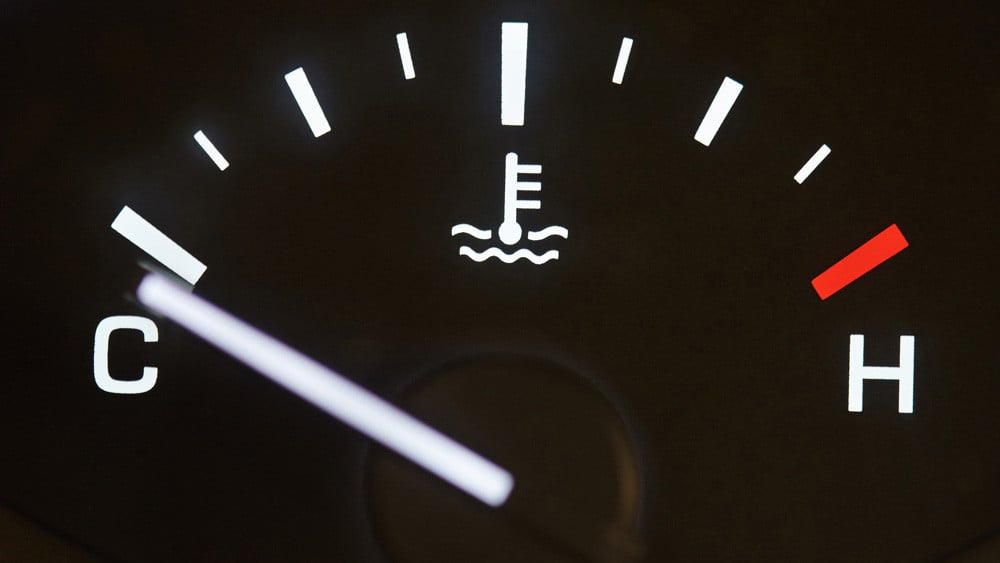
What Does Code P0125 Mean?
The diagnostic trouble code (DTC) P0125 stands for “Insufficient Coolant Temperature for Closed Loop Fuel Control.” This code is set when there is a potential issue with the engine's cooling system and the engine coolant temperature (ECT). It usually means the thermostat is opening too soon and that the engine is running cold.
Regarding the second part of the definition, there are two modes of fuel control:
- Open Loop - measures airflow
- Closed loop - provides feedback using O2 sensors
The P0125 code refers to the closed loop fuel control mode.
So far, the only exception to the thermostat as the most plausible reason for code P0125 is the Toyota oxygen sensor. In some late ‘90s Toyota models, if one of the O2 sensors has flatlined or encountered circuit issues, which prevents the PCM from detecting O2 activity, a P0125 code would be set regardless of whether the engine was running warm or cold.
While the problem might not affect drivability, you may notice signs of poor fuel economy and, of course, poor heater performance. A healthy engine should run around 210 degrees F or even as high as 225 degrees. If the engine runs cold, emissions would be affected.
But again, note that some older Toyotas will register a code P0125 even though the engine runs at a normal temperature. This is due to a known oxygen sensor heater issue, in which the oxygen sensor heater accelerates the closed loop operation.
What Causes Code P0125?
Many things can cause the code P0125 to be set. Here are some of the reasons:
- Defective or damaged ECT sensor
- Thermostat opening too soon
- Coolant leaks in the system
- Damaged or faulty ECM
Defective or Damaged ECT Sensor
A code P0125 can be caused by a defective ECT sensor. This sensor reports engine temperature to the PCM/ECM and is different from the gauge sensor in many cases. If the ECT sensor readings the PCM receives is skewed, the code can be set even if the engine is running warm enough and the instrument cluster reflects good engine temperature.
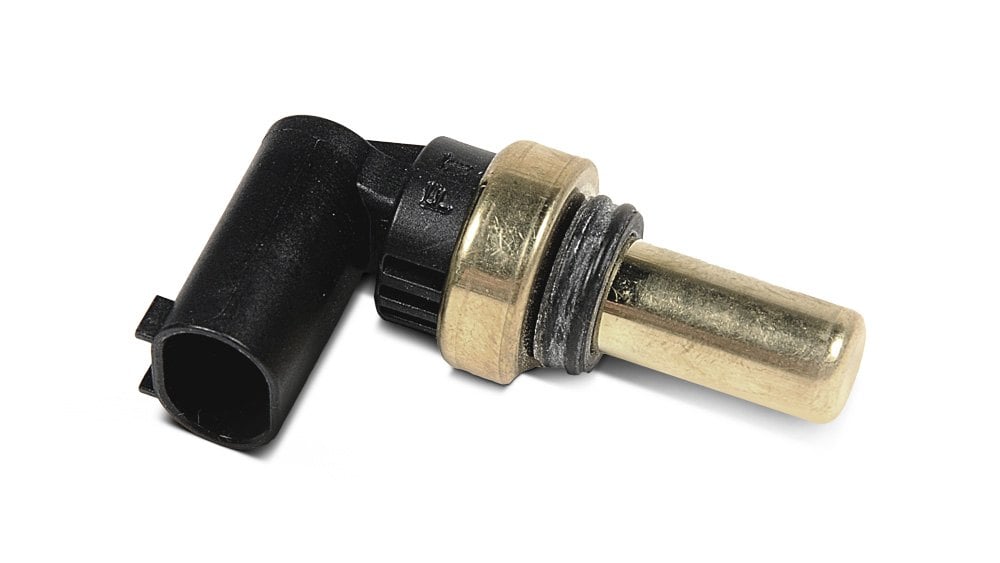
It’s also important to check if the device's wiring and connections are in good condition and not corroded or disconnected.
Thermostat Opening Too Soon
A thermostat opening too soon or not opening at the right temperature is a fairly common issue. This situation allows coolant to continuously flow through the system, potentially causing overcooling, which could prevent the engine from reaching its ideal operating temperature.
Coolant Leaks in the System
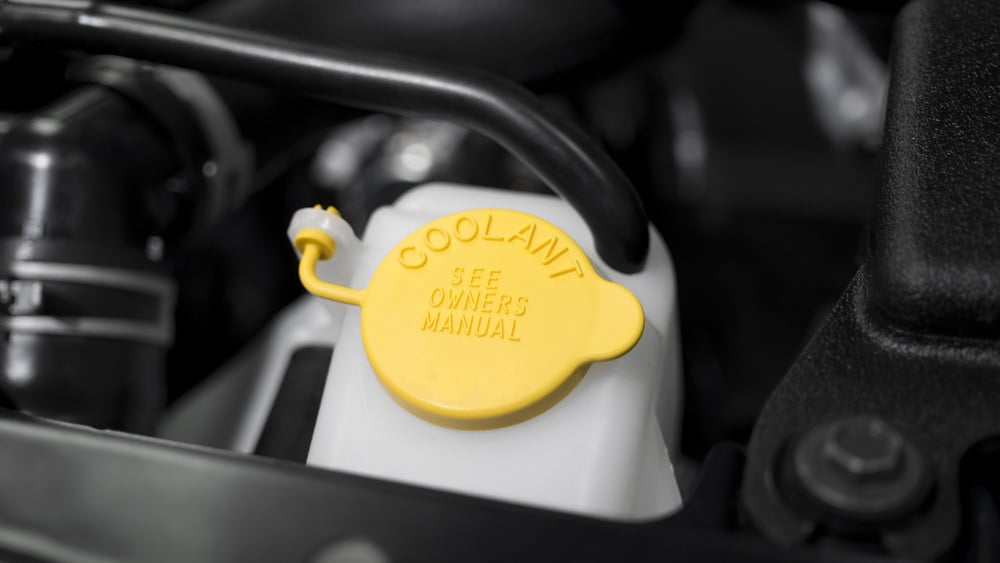
Low coolant levels alone might lead to overheating without triggering the code, but it suggests possible coolant leaks in the system. If there’s a leak that’s reducing coolant fluid levels, it might mean that the engine is not achieving its ideal operating temperature.
Damaged or Faulty ECM
A damaged or faulty ECM that causes the P0125 code is rare, as well as a very time-consuming and expensive fix. Before you replace or update any software, check any technical service bulletins (TSBs) released by your vehicle’s manufacturer about any software updates to the ECM.
What are the Symptoms of Code P0125?
Apart from an illuminated check engine light, you may notice other symptoms of engine code P0125. Here are a the major signs to look out for:
- Reduced fuel economy
- Poor heater performance
Reduced Fuel Economy
This is due to the ECM not being able to control the proper air-fuel mixture needed to run the engine. The engine might burn more fuel than required, leading to decreased fuel economy.
Poor Heater Performance
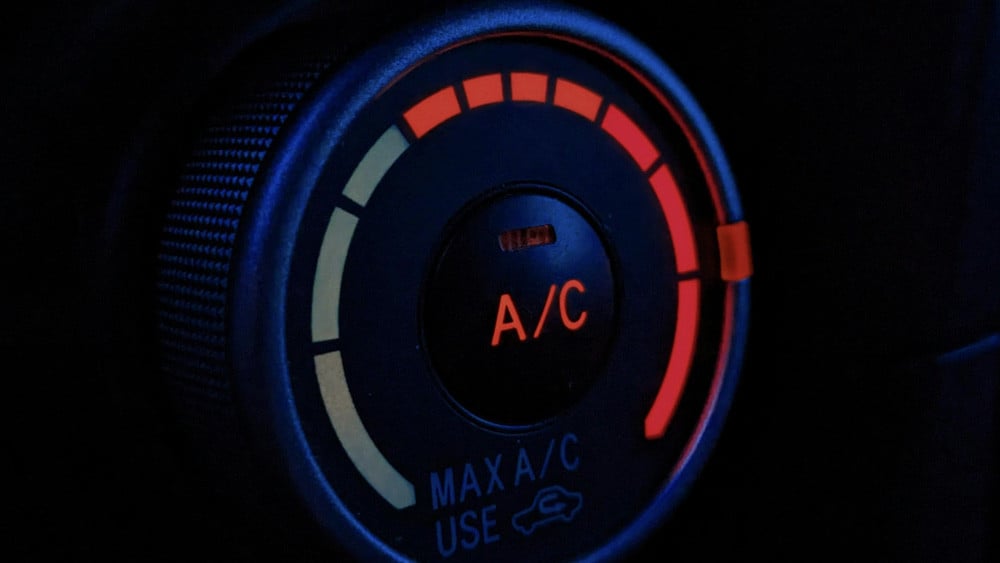
If there is insufficient coolant, it may affect your heater core and cause it to malfunction. Not topping up the engine coolant might increase the risk of the engine overheating.
How to Diagnose Code P0125
For you to be able to fix the problem, you must first have an accurate and thorough diagnosis. Usually, you only need to do three things: replace the thermostat, clear the code, and watch the temp gauge. But if that doesn’t take care of the problem, you may proceed to the steps below:
Use an OBD-II Scanner Tool
An OBD-II scanner tool can help you verify whether your vehicle's computer has the Code P0125 registered or any related code. Simply plug the tool into your vehicle's OBD port to see which codes are set.
Check Coolant Level
Verify if the coolant level in the radiator and the reservoir is within the regular level. Make sure to check for leaks and possible damage that need fixing or replacing.
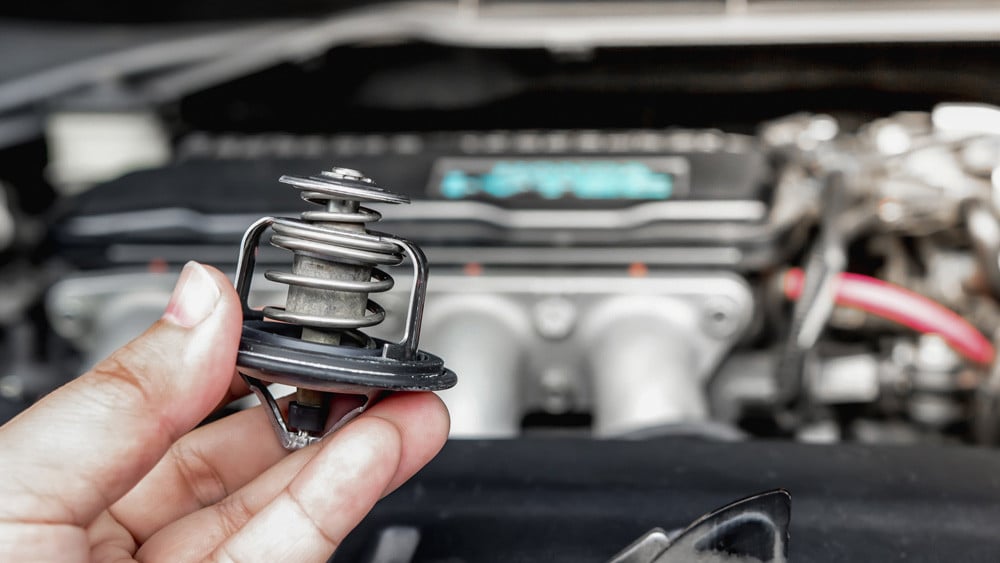
Inspect the Thermostat
Inspect the thermostat for proper opening and closing. Check whether the thermostat is defective or damaged. Verify the temperature readings with an infrared thermometer and scan tool.
Test the ECT Sensor
You can read from the ECT sensor with a scan tool while the vehicle warms up. Verify this data with an infrared thermometer and compare the readings according to the manufacturer's specifications.
Test the Cooling Fan
Make sure the cooling fan is working properly. Check that the temperature is within the normal range. You can refer to a vehicle-specific repair manual for more information.
How to Fix Code P0125
Once you’ve learned the root cause of the problem, you may proceed with repairs or have your vehicle checked by a licensed technician. Here are some of the things you can do to possibly fix the P0125 DTC:
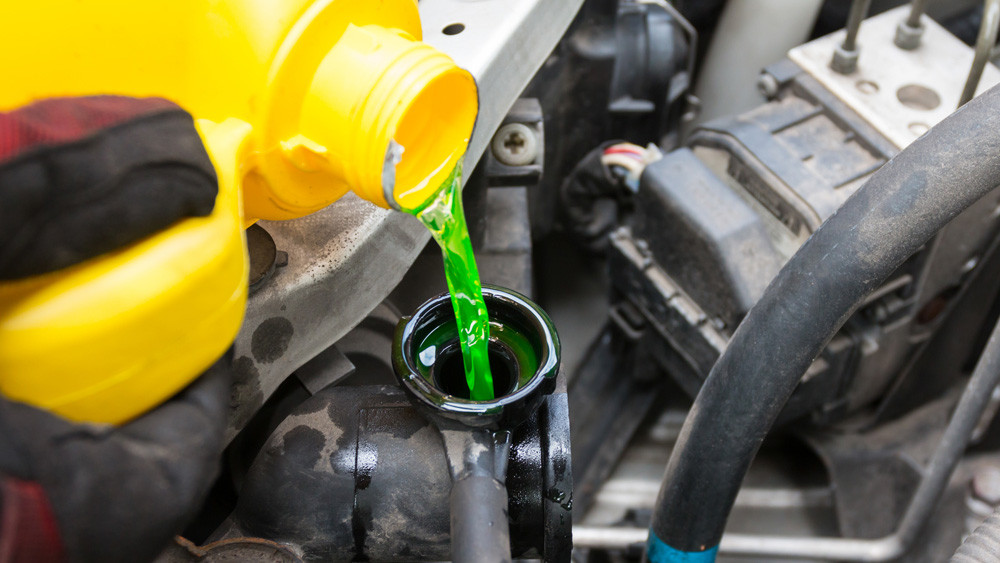
Top Up the Engine Coolant
Check that the engine coolant is at the recommended level. If it's low, top up the coolant, and inspect the reservoir for leaks that need to be fixed immediately.
Replace the Thermostat
If the thermostat showed signs of damage or inaccuracy during your diagnosis, swap it out with the proper replacement part.
Fix or Replace Damaged Connections and Wiring
Tighten any loose connections or plugs and look for wires that need fixing or replacing.
Repair or Replace the ECT Sensor
Do a visual inspection of your ECT sensor device for any signs of wear and tear. Using a multimeter, check your device's resistance readings at varying temperatures to ensure accuracy. If readings are skewed, replace the device completely.
Other Codes Related to P0125
P0115
This is stored when the PCM detects an erratic input signal from the ECT sensor circuit, which may be caused by a faulty ECT sensor or damaged ECT circuit and connectors.
P0126
This is set when the engine is taking too long to come up to the designated temperature for the fuel management system to fully engage.
P0128
It indicates a coolant temperature that’s consistently running below the thermostat regulating temperature. In simple terms, it means the engine is running a lot cooler than normal operating range.
FAQ
Can I drive with a P0125 Code?
The P0125 code should not affect the drivability of your vehicle. However, if ignored, it can cause more severe damage to your car. It’s best to take note of the symptoms and address the issue as soon as possible.