
Your vehicle’s engine operates at a specific temperature threshold—about 195°F to 220°F. If it exceeds this threshold, the engine may sustain damage, and you may be looking at costly repairs (or even replacement) down the line.
Let’s discuss the signs of overheating damage, its causes, and how to prevent it so you can hopefully protect your engine and keep your vehicle in good working condition.

How to Tell If Your Engine Is Damaged from Overheating
Here are the common signs that your vehicle may have engine damage due to overheating:
Loss of Power
One of the first signs of engine trouble is often a noticeable loss of power. This can appear as difficulty accelerating or a sluggish response from the engine, potentially caused by damaged pistons, cylinder heads, or other components impacting efficiency.
However, you won’t know for certain if overheating caused the power loss until completing a diagnosis. If power was normal before an overheating event and dropped afterward, overheating could be the culprit.
Deformed Seals and Gaskets
Engine seals and gaskets are made to withstand the heat and pressure of an engine operating under normal conditions. However, with any kind of heat beyond the typical operating temperature, the gasket will harden, destroy the seal, and create a leak path.
Warped Cylinder Heads
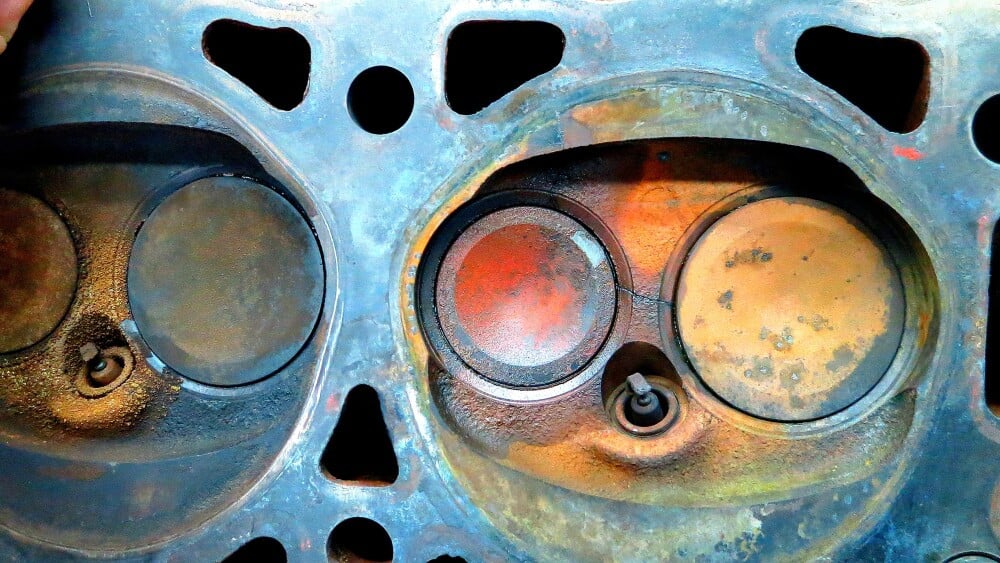
Cylinder heads are typically made of cast iron or aluminum and are the hottest part of the engine under normal operation. They are particularly prone to warping when the engine overheats.
Aluminum heads, while lighter and more heat-conductive, are more susceptible to warping than cast iron.
Bad Head Gasket
Head gaskets have a fire ring around each cylinder to contain the intense heat of combustion, and sealed passages allow coolant to flow between the engine block and cylinder head.
If a fire ring fails, compression heat can enter the cooling system. This can cause rapid overheating, with pressure building within 60 seconds of starting a cold engine. Gasket failures can also allow coolant to leak into cylinders or cylinder pressure to enter the cooling system, sometimes causing overheating even without prior issues.
In any case, a bad head gasket must be replaced.

Damaged Piston
Engine pistons can expand due to extreme heat, to the point where they can scrape the insides of the cylinders.
Typically, overheating damages the piston rings so that they lose their tension. This causes compression loss and oil consumption, but if the overheating is bad enough, some of the pistons may begin to melt.
Cracked or Warped Engine Block
One of the worst signs of engine damage is a cracked or warped engine block. This happens when the engine gets superheated to the point where some parts expand and contract, forming cracks. This leads to fluid leaks and loss of compression. If this happens, your engine may need to be replaced.
What to Do When Your Car Overheats
An overheating engine is a serious matter that needs to be addressed as soon as possible. What should you do when this happens?

Below are a few tips to remember in case you find yourself in this situation. But first, a word of caution: DO NOT open the hood right away—doing so can be dangerous and may cause severe injury. Wait until the engine is cool enough. Allow it to rest and cool for at least 20 minutes.
Stay Calm and Pull Over
If you notice signs of an overheating engine, such as knocking sounds, illuminated warning lights, or smoke coming from the hood of the vehicle, pull over as soon as possible. Look for a spot where you can safely assess the situation.
Switch Off the Engine and Let It Cool
Turn the engine off as soon as possible. Let the engine cool for at least 20 minutes. Again, do not attempt to open the hood until it has cooled.
Evaluate the Situation
Once the engine has cooled down, inspect under the hood to look for any visible issues. While you may be able to identify the cause of the overheating, the full extent of the damage can only be determined after a proper diagnosis.
Address the Issue (If Possible)
If the root cause is simple enough to fix, like in the case of low coolant, address the problem immediately if possible. If the issue is too complicated to fix while you’re parked on the side of the road, you’ll need to have your car towed to the nearest repair shop and have a mechanic or technician diagnose and fix the problem.

Driving with an overheating engine is a serious safety concern and can cause costly damage. If you must continue driving, switch off the A/C and turn on the heater to help draw heat away from the engine.
However, it’s crucial to reach a safe spot and park as soon as possible—this can mean the difference between a few hundred dollars in repairs and a few thousand.
What Causes an Engine to Overheat
Coolant leaks and a damaged radiator cap are just some of the issues that can cause your engine to overheat.
Low Coolant Levels
Being low on coolant is one of the most common causes of an overheating engine. But if this is the case, you’ll need to find out where the coolant is going—so look for leaks. If the head gasket is seeping coolant into the cylinders, you may notice low coolant but no visible leaks. If the engine oil looks milky brown, it may be leaking into the crankcase.
If you’re checking for coolant levels in an overheating engine, you need to wait around 20 minutes for the engine to cool down. Find where your coolant filter cap is located. This information will be in your owner’s guide. Check the minimum and maximum indicators to see if your coolant needs a top-up. You should also check the surrounding hoses for leaks.
Damaged Water Pump
The water pump helps circulate coolant around the engine. The coolant will not be able to circulate properly if the coolant has accumulated build-up, if the water pump itself is damaged, or if the impeller is loose on the shaft or has rusted away.
Radiator Problems
The radiator helps reduce engine temperatures by allowing the coolant to cool off. Common radiator problems, such as a damaged radiator cap, a cracked side tank, a leaking seal between one of the tanks and the aluminum core, or a malfunctioning cooling fan can prevent the radiator from allowing the coolant to dissipate heat.
The cooling fan will usually only cause overheating in traffic rather than on the highway.
Engine Issues
Engine parts like belts, hoses, and heat exchanger units can fail and cause the engine to overheat. If these parts seem okay, you may need the help of a professional mechanic or technician for a more thorough diagnosis of the issue.
FAQ
What happens when the engine overheats?
If your engine is about 20-40°F above normal, you may hear engine knocking, which could lead to a cracked piston, shattered piston ring, or damaged spark plug electrode strap if ignored. At 40-80°F above normal, you may experience a noticeable drop in power, risking damage to bearings, piston rings, and other engine components. Temperatures exceeding 100°F above normal can cause a total meltdown, potentially leading to the complete deterioration or warping of several engine parts.
How can I prevent my engine from overheating?
If you want to prevent your engine from overheating, stick to your car’s maintenance schedule. Periodically check your cooling system parts and replace damaged parts as needed or according to the recommended service intervals. Top up your coolant if needed and always use the right kind for your car.
Can a car overheat without the temperature gauge showing it?
In very specific cases, your car may overheat without the temperature gauge rising. This can happen if an air bubble forms at the tip of the coolant sensor, preventing it from accurately reading the temperature. Alternatively, the sensor could be malfunctioning, or there may not be enough coolant to fully submerge it for a proper reading. If the temperature gauge isn’t working, watch for other signs of overheating, such as smoke, burning smells, or knocking sounds.
Can a car overheat in winter?
Yes. While it sounds counterintuitive, your car can indeed overheat during winter. Problems such as a faulty thermostat, an improper coolant mix (which can freeze and clog the system), or radiator issues can lead to overheating. To avoid this, make sure to keep up with regular car maintenance.