Replacement Ignition Parts
Browse by Vehicle
Featured Brands












-
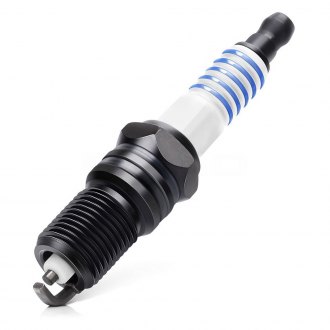 Save up to 18%Mopar® - Iridium Spark Plug$5.75 - $44.39$6.58 - $53.04Save up to 18%
 -
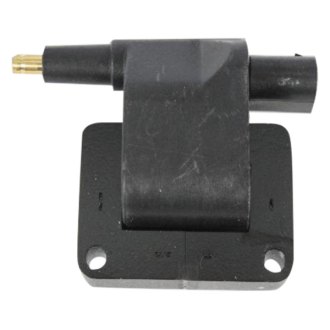 Save up to 30%Mopar® - Ignition Coil$48.85 - $315.78$62.02 - $438.28Save up to 30%
 -
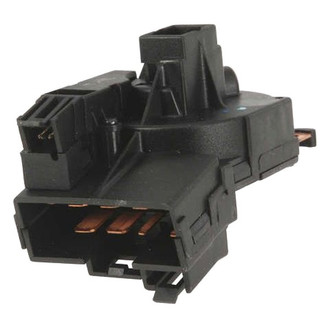 Save up to 32%Mopar® - Ignition Switch$2.14 - $595.27$2.45 - $816.22Save up to 32%
 -
 Save 28%Mopar® - Ignition Lock Assembly$176.49 - $617.26$373.32 - $852.66Save 28%
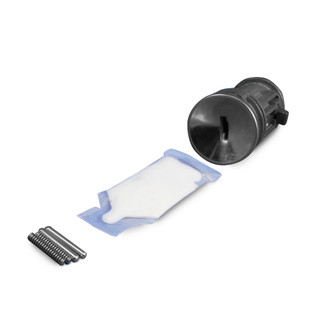
 - Save up to 15%Mopar® - Ignition Lock Cylinder$3.84 - $269.84$3.93 - $316.20Save up to 15%
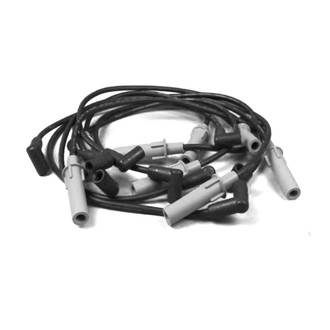
- Save up to 27%Mopar® - Ignition Wire Set$13.17 - $121.37$16.88 - $161.45Save up to 27%
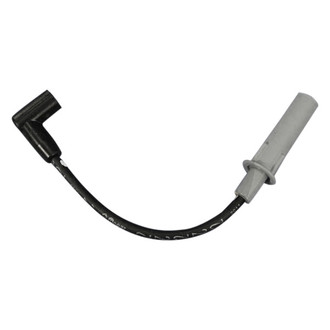
- Save up to 29%Mopar® - Spark Plug Wire$11.78 - $182.33$35.43 - $252.00Save up to 29%
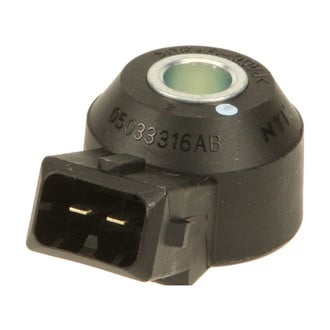
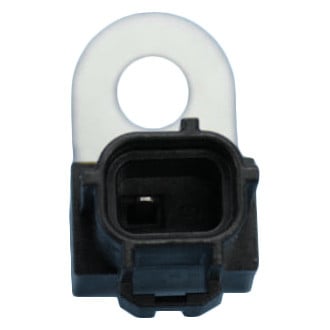
- Save up to 28%Mopar® - Ignition Knock Sensor$15.86 - $152.50$20.30 - $209.10Save up to 28%
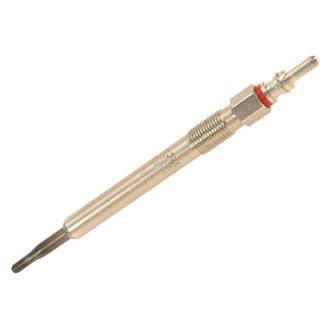
- Save up to 28%Mopar® - Diesel Glow Plug$23.34 - $150.02$27.90 - $207.06Save up to 28%
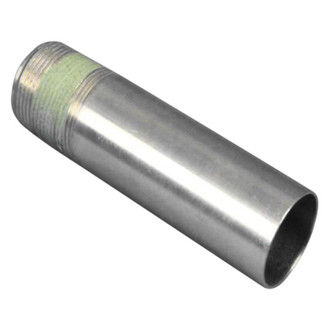
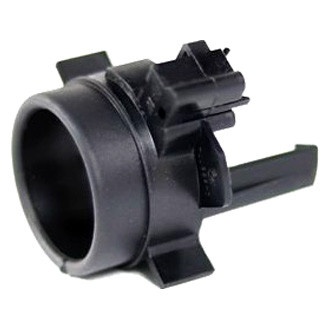
- Save up to 18%Mopar® - Spark Plug Tube$7.55 - $32.69$8.61 - $39.28Save up to 18%
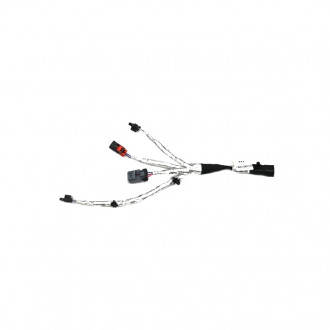
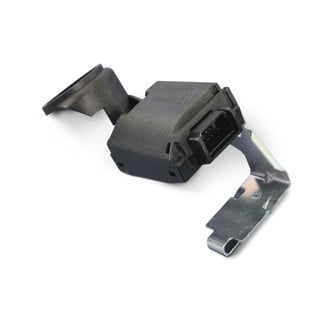
- Save up to 23%Mopar® - Ignition Knock Detonation Sensor Harness$54.87 - $123.99$65.84 - $160.94Save up to 23%
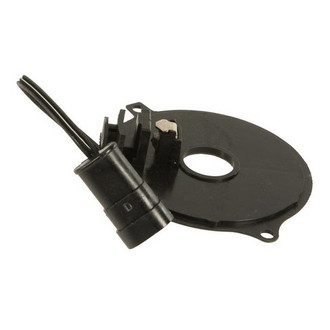
- Save 28%Mopar® - Ignition Distributor Pickup$135.28$188.19Save 28%
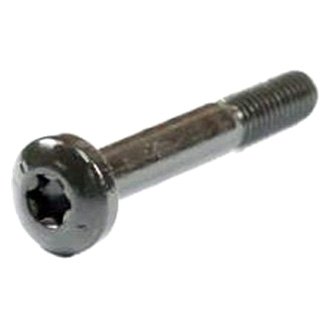
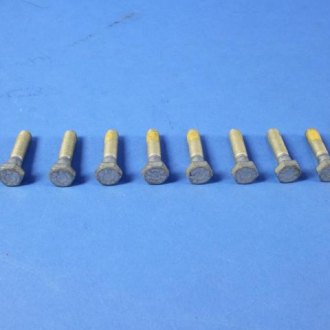
- Save up to 20%Mopar® - Ignition Coil Bolt$1.40 - $10.97$1.56 - $13.74Save up to 20%
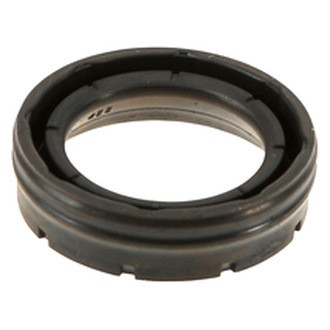
- Save up to 27%Mopar® - Spark Plug Tube Seal$6.13 - $34.78$7.65 - $46.77Save up to 27%
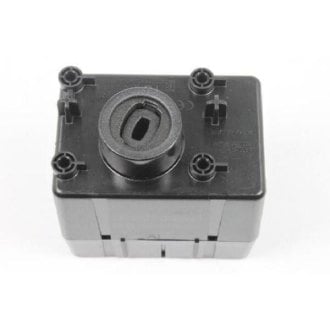
- Save up to 28%Mopar® - Ignition Immobilizer Module$57.86 - $229.37$62.99 - $319.26Save up to 28%
- Save 16%Mopar® - Ignition Lock Escutcheon$22.84$27.34Save 16%
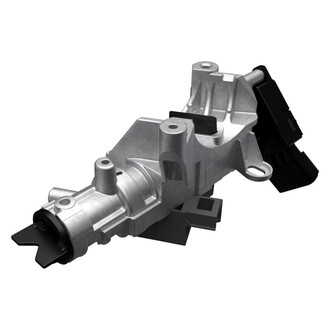
- Save up to 29%Mopar® - Ignition Lock Housing$82.26 - $142.58$115.26 - $196.86Save up to 29%
- Save up to 15%Mopar® - Ignition Switch Bezel$300.47 - $367.57$351.90 - $428.40Save up to 15%
- Save up to 18%Mopar® - Ignition Switch Bolt$2.87 - $4.38$3.49 - $4.90Save up to 18%
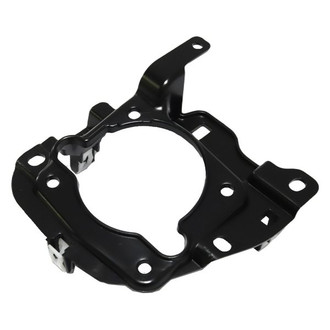
- Save up to 22%Mopar® - Ignition Switch Bracket$3.22 - $47.03$3.57 - $56.20Save up to 22%
- Save up to 7%Mopar® - Ignition Switch Retainer$5.97 - $27.27$6.02 - $29.37Save up to 7%
- Save up to 29%Mopar® - Spark Plug Wire Cover$79.41 - $81.67$111.18 - $113.09Save up to 29%
- Save up to 31%Mopar® - Glow Plug Control Module$4.08 - $178.53$4.68 - $260.10Save up to 31%
- Save up to 28%Mopar® - Ignition Control Module$91.17 - $106.67$110.16 - $148.56Save up to 28%
- Save up to 17%Mopar® - Ignition Control Module Screw$1.32 - $6.12$1.48 - $6.78Save up to 17%
- Save up to 27%Mopar® - Ignition Knock Detonation Sensor Bolt$0.69 - $11.55$0.77 - $14.90Save up to 27%
- Save 27%Mopar® - Wireless Ignition Module$243.00 - $862.55$381.48 - $1,186.41Save 27%
- Save 22%Mopar® - Ignition Capacitor$9.02 - $26.59$11.53 - $33.99Save 22%
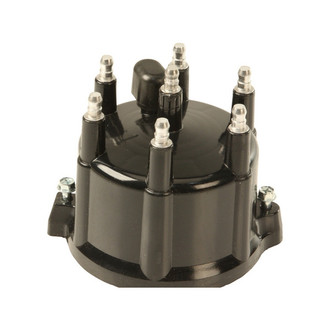
- Save up to 22%Mopar® - Ignition Distributor Cap$30.71 - $46.17$39.18 - $58.71Save up to 22%
- Save up to 22%Mopar® - Ignition Distributor Rotor$27.21 - $34.13$34.73 - $43.45Save up to 22%

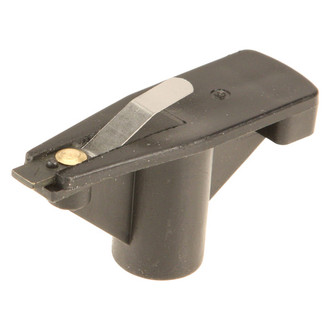
A well-maintained ignition system ensures that the engine starts effortlessly, performs properly, and provides an optimal output and fuel economy. The system's main task is to generate a potent spark that fires up the fuel-air mix within the combustion chambers, always at the right moment. Whether you're in search of high-quality replacements to keep this system in top condition or performance ignition parts to get the most out of your engine build, our store is your one-stop solution. We provide a comprehensive selection tailored to your needs and sourced from trusted names in the aftermarket and OEM industry. Our commitment is to help your vehicle perform at its best, ensuring a smooth, efficient drive every time you get behind the wheel.
Ignition Parts: Sparking Life into Your Engine
The spark generation process happens hundreds or even thousands of times a minute depending on the RPM. This ideally-balanced act is managed by various components which work together to ensure the most efficient combustion.
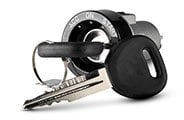
- Ignition switch. This is where it all begins. This part activates the electrical systems required to start your car or truck; when failing, it might cause intermittent starting problems or electrical system troubles. If you're experiencing this issue, we have your ignition switch replacement needs covered.
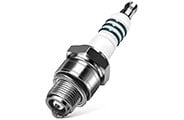
- Spark plugs. Their role is to fire up the blend of gasoline and oxygen. The high voltage sent to each plug induces a spark to jump the gap between the center electrode and the ground electrode(s). Every time it happens, the electrode is slightly eroded, eventually widening the air gap and dictating the need for spark plug replacement.
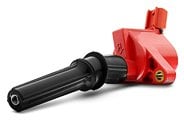
- Ignition coil. This is where the magic of induction happens, which means low voltage power is transformed into high voltage power. This component takes 12V from the battery and turns it into 15,000V to 40,000V necessary to fire the plugs. The lifespan of a coil is generally about 100,000 miles. When an ignition coil goes bad due to heat, vibration, or voltage overload stemming from bad spark plugs, the outcome is spark weakening or no spark at all. Symptoms may include difficulty starting, poor gas mileage, misfire, reduced power and fuel efficiency, and a check engine light. If only one coil is faulty, it's generally okay to replace just the faulty one. However, if your vehicle has accumulated a substantial amount of miles and one coil has failed, others might fail soon.
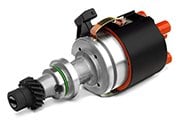
- Distributor. Used primarily in older vehicles, this part is in charge of directing the energy from the coil to the appropriate plug at the exact right time.
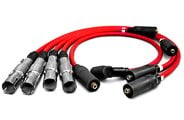
- Spark Plug Wires. Also known as ignition wires, they serve as the highway for voltage, carrying it from the coil to the plugs. The quality and durability of these wires are of critical importance, as they need to deliver high voltage without electrical losses in harsh conditions involving extreme heat and abrasion.
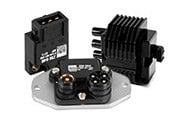
- Ignition control module. This little box regulates the coil's operation in late-model vehicles, ensuring the timing and strength of the spark is correct. Heat is the most likely cause of failure. In some cases, a voltage overload can also be the culprit. A failing module can be the reason behind a variety of troubles, ranging from stalling to a no-start.
Maintaining your car's ignition system in optimal health is essential. No matter which of its components is giving you trouble, we have reliable, durable, yet reasonably-priced replacements. Our vast selection of replacement parts is sourced from brand names you know and trust. These are original equipment suppliers and aftermarket companies that go the extra mile to ensure their products meet or exceed OEM standards. We bring the showroom experience back to your daily drive, at a fair price.
Primary and Secondary Ignition Components
The primary circuit includes parts that handle low voltage operations, such as the battery, an ignition switch, the coil's primary winding, and the contact breaker points in older cars or the ignition module in modern setups. Secondary components operate with high voltage: these are the coil's secondary winding, spark plugs, and depending on the setup, a distributor and/or ignition wires. All of the secondary parts are maintenance items and demand extra attention if your hauler is subjected to intensive usage, like in racing scenarios.
What Are the 3 Types of Ignition Systems?
Throughout the evolution of automotive technology, three main system designs have been established: those relying on a distributor, distributorless setups, or the coil-on-plug variety.
Mechanical Breaker-Point & Electronic Distributor-Based System
Commonly found in vintage vehicles, the breaker point ignition system was the norm until the ‘70s. It controls timing mechanically by means of a distributor guided by a rotating camshaft. The distributor shaft's movement triggers the closure of the contact breaker points, subsequently disrupting the current transmitted to a single coil energizing the entire engine. The system requires frequent maintenance, nearly once in 12,000 miles, due to the wear of contact points. Despite its drawbacks, this setup still has a dedicated following among vintage car enthusiasts who appreciate its simplicity and traditional operation.
Transitioning from a mechanical to electronic distributor was a marked step forward. Replacing the wear-prone breaker points with a pickup coil lowered maintenance demands. The introduction of a transistor in the module also meant the primary circuit could open and close faster, making the system more responsive. Additionally, this design offers higher capacity, ensuring an increased voltage supply to the plugs.
This meant stronger sparks and better combustion. Yet, distributor caps and rotors were still prone to wear over time, needing replacement.
Distributorless System
The drive for efficiency and dependability brought the distributorless ignition system (DIS) into play. The elimination of a distributor with its moving parts lessens the possibility of mechanical failure and extends service intervals.
Early variations of this type of ignition system received a Wasted Spark name as "one plug will be sparking during the end of the exhaust stroke while the other fires at the usual time, a so-called "wasted spark" arrangement which has no drawbacks apart from faster spark plug erosion."
The DIS relies on ignition coil packs, with each coil catering to two cylinders. Precise timing is managed by the car's computer, using data collected from the crankshaft position sensor and camshaft position sensor. The DIS setup, though delivering improved performance and efficiency, can be costly to repair due to its complex nature.
Coil-On-Plug System
The latest innovation is the Coil-On-Plug (COP) setup, a staple in all modern vehicles. Each spark plug has a coil sitting on it. The elimination of wires mitigates the risk of electrical losses. With COP systems, because each cylinder has its own coil, the coil has more time to build up a magnetic field between sparks. This can result in greater energy output, further improving combustion efficiency. However, the COP can be pricier to repair due to the higher cost of individual coils.
Ignition systems have significantly evolved over time, now generating higher voltage and offering more accurate timing than their mechanical counterparts used in older cars. This progress results in a stronger spark for complete combustion. Today's setups are more dependable than their predecessors, however, they still aren't impervious to wear and breakdown. No matter what setup your make and model features, we have all your ignition system components needs.
Revving Up Performance: Ignition System Upgrades
A gasoline engine relies on three core ingredients: fuel, air, and a spark. There is no denying that much of the allure of car modification lies in enhancing the supply of oxygen and fuel. Cold air intakes, performance turbos, fuel injection upgrades, and the like are all the rage, but without a powerful spark to ignite the blend, all these trendy mods amount to nothing.
High-performance ignitions provide the perfectly-timed, potent spark for the air-fuel blend to burn completely and maximize power gains. Regardless of the type of car ignition, we have the right components for the overhaul you're planning.
- Enhanced ignition coils provide higher energy output than their standard counterparts, capable of producing 50,000 volts or even more, even at high RPM. A stronger spark allows for more effective combustion, better throttle response, and smoother idle.
- Performance spark plugs are constructed to withstand greater heat and pressure and have air gap and electrode features that enhance combustion, boosting your engine's efficiency and power delivery.
- Performance spark plug wires reduce electrical resistance, ensuring more voltage gets to the spark plugs while providing longer spark duration. They are created to endure extreme environments associated with high temps.
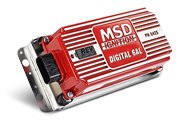
- Aftermarket ignition control modules (ICM) deliver more precise timing, which translates to better engine response. Browse our CDI systems, which deliver multiple sparks at low RPM, contributing to higher combustion efficiency. At high RPM, it rapidly discharges a capacitor through the coil, igniting the spark plugs at a speed much quicker than the coil's usual charging and firing rate.
- High-Performance Distributors (for older vehicles) offer more accurate timing and feature more durable, more reliable components than stock. They boast self-lubricating bushings, high-strength yet lightweight housings manufactured from billet aluminum, and corrosion-resistant brass condenser casings. Some of our models are even designed with either preprogrammed or customizable advance curves for tailored timing.