
The Short Version: Antifreeze is an essential part of a vehicle’s cooling system that raises the boiling point and lowers the freezing point of the cooling fluid. This ensures that the coolant can continue to operate at extreme temperatures, transferring heat away from the engine to prevent it from overheating while stopping the fluid from freezing and causing internal damage at subzero temperatures.
Antifreeze is one of the most important fluids used in vehicles today, playing a vital role in engine performance and longevity. Often referred to as coolant – though they’re not exactly the same – antifreeze does more than simply stop the engine from freezing as its name suggests.
It also protects internal engine parts from corrosion, maintains temperature stability in both directions, lubricates cooling components, and more. With how important antifreeze is for a vehicle, it’s crucial for drivers, automotive hobbyists, and technicians alike to understand what it is, how it works, and why it’s vital for engine performance.
As someone who’s driven and worked on everything from a Toyota Prius to an all-out drag car, I’ve seen my fair share of cooling systems. Combined with my background in mechanical engineering, I have a unique appreciation for heat transfer and temperature control, so I get a little more excited about this stuff than most. Let’s dive in and learn all there is to know about antifreeze.
What is Antifreeze?
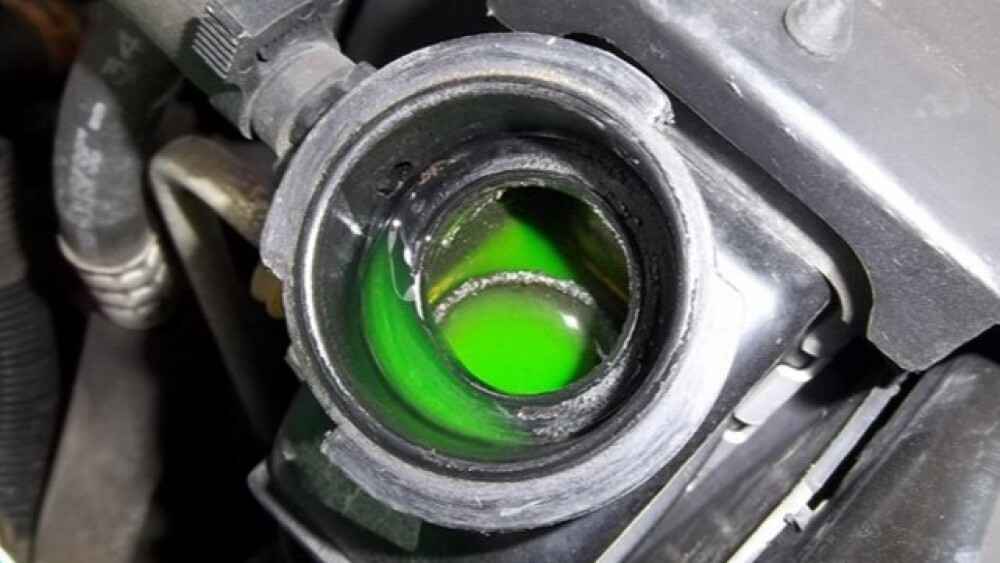
Antifreeze is a liquid mixture primarily made of water and either ethylene glycol or propylene glycol. Coolant is essentially the same thing, although it’s effectively antifreeze that’s been further diluted with water. The way most people understand it is that antifreeze is part of the overall cooling fluid, which is typically called coolant by enthusiasts.
No matter what its name is, antifreeze is used to regulate the internal temperature of an engine’s cooling system by simultaneously raising the boiling point and lowering the freezing point of the coolant. This allows the engine to operate in a wider range of temperatures while the cooling system transfers heat away from the engine, ensuring optimal performance.
As mentioned, the two most common bases used for antifreeze are ethylene glycol and propylene glycol. The former is better at dealing with extreme temperatures, but it’s highly toxic and far worse for the environment. Propylene glycol, on the other hand, is considered much safer to use and still gets the job done, though it doesn’t perform quite as well at the far ends of the temperature spectrum.
How Does Antifreeze Work?
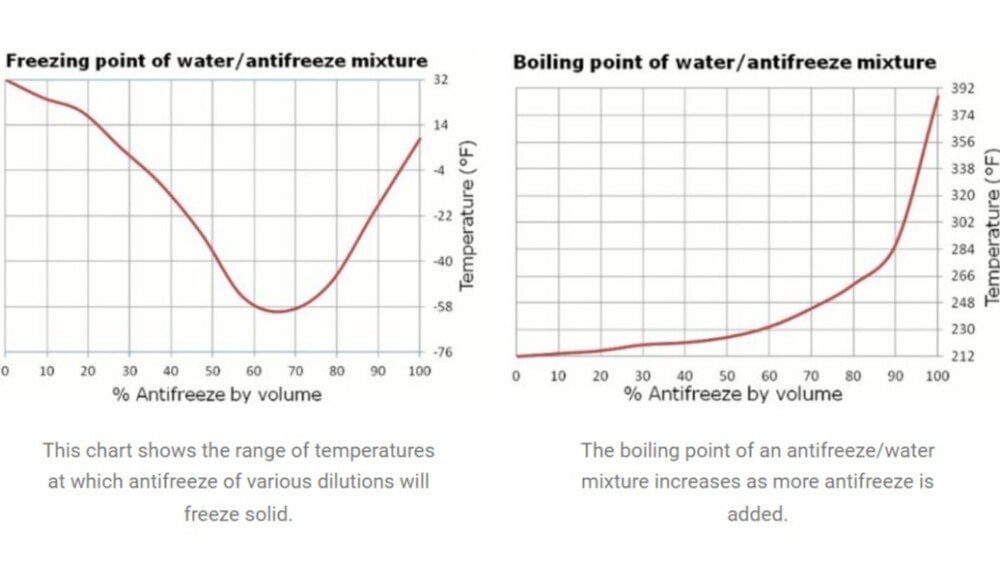
Antifreeze works by circulating through the engine’s cooling system, pulling heat away from the engine and dispersing it through the radiator through heat transfer. The antifreeze absorbs heat that the engine puts off, heating up the coolant as it moves through the cooling system.
This hot coolant – that’s a bit of an oxymoron – makes its way through the radiator, a fin-and-tube heat exchanger that dissipates the heat from the fluid, through its fins, and into the air. This lowers the temperature of the coolant, allowing the process to start over again. This is the same general way that a vehicle’s air conditioner works, except the working fluid is antifreeze instead of refrigerant. It’s all about heat transfer!
hermal Stability
The main function of antifreeze and the overall cooling system is to regulate the engine’s operating temperature, enabling a vehicle to perform as intended in a variety of climates. Through the heat transfer process described above, antifreeze and coolant help pull heat away from the engine, ensuring it doesn’t overheat.
Preventative Freezing
In addition to regulating engine temperature, antifreeze within the coolant helps prevent it from freezing at extremely low temperatures. If the water in the coolant was allowed to freeze at lower temperatures, it would expand inside the engine, potentially cracking the block, popping a headgasket, or damaging other internal parts.
What Are Different Types of Antifreeze?
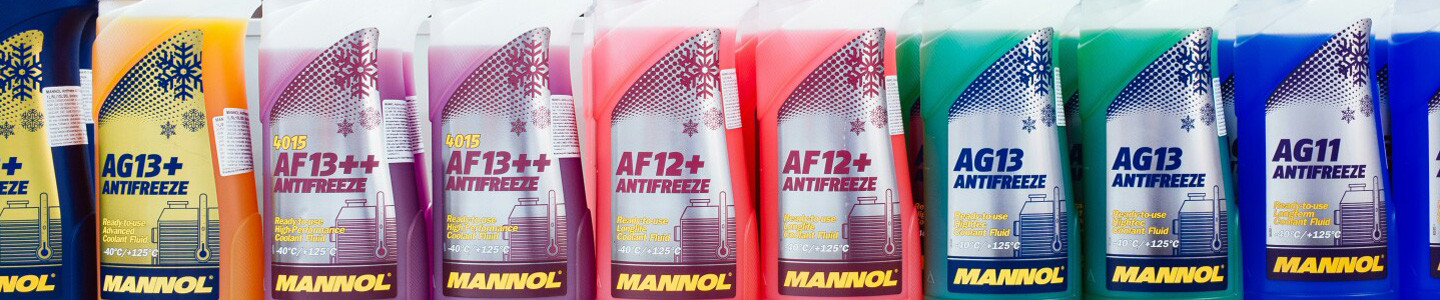
Ethylene and propylene glycol bases aside, there are different types of antifreeze, each formulated to meet specific needs and requirements, with different vehicles requiring different solutions, and various climates doing better with certain types. The three main types of antifreeze are Inorganic Acid Technology (IAT), Organic Acid Technology (OAT), and Hybrid Organic Acid Technology (HOAT).
Inorganic Acid Technology
IAT is the traditional type of antifreeze, commonly used in older vehicles. It typically contains silicates and phosphates to protect against corrosion. IAT antifreeze is usually green and requires more frequent replacement, typically every two to three years or 30,000 to 36,000 miles, due to its shorter lifespan.
Organic Acid Technology
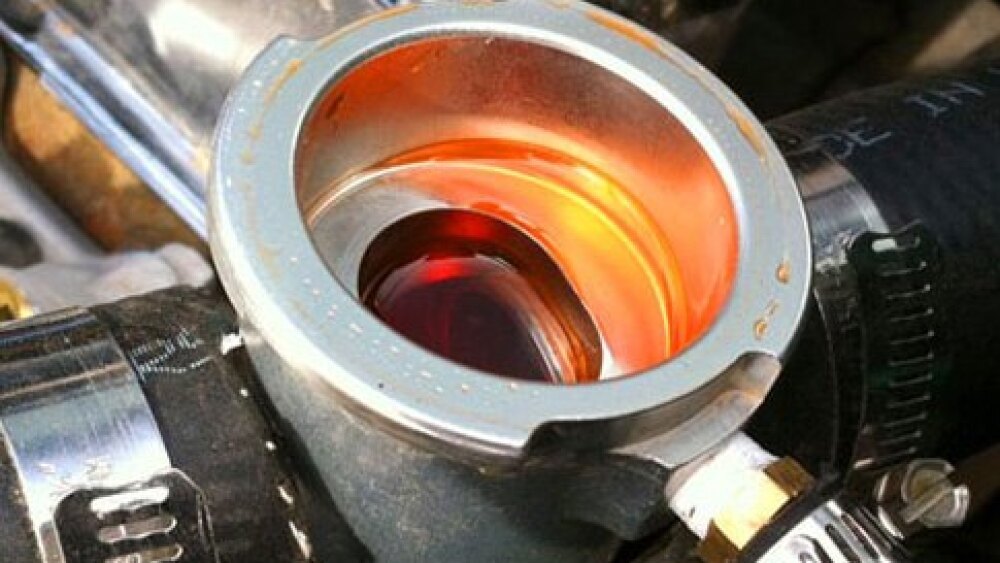
OAT antifreeze is designed for modern vehicles, using organic acids instead of silicates and phosphates for corrosion protection. This type of antifreeze often comes in orange, red, or dark green and has a longer lifespan, usually lasting up to five years or 60,000 to 100,000 miles, making it a low-maintenance option. However, it may not be suitable for older vehicles due to its different chemical composition.
Hybrid Organic Acid Technology
HOAT antifreeze combines the benefits of both IAT and OAT. It includes both organic acids and silicates, offering robust corrosion protection and a longer lifespan than IAT. HOAT is typically yellow or turquoise and is suitable for a wide range of vehicles, providing a balanced solution with extended intervals between replacements. HOAT antifreeze can last for up to 150,000 miles in standard cars and trucks and even up to 300,000 miles in heavy-duty applications.
How do I Choose the Right Antifreeze?
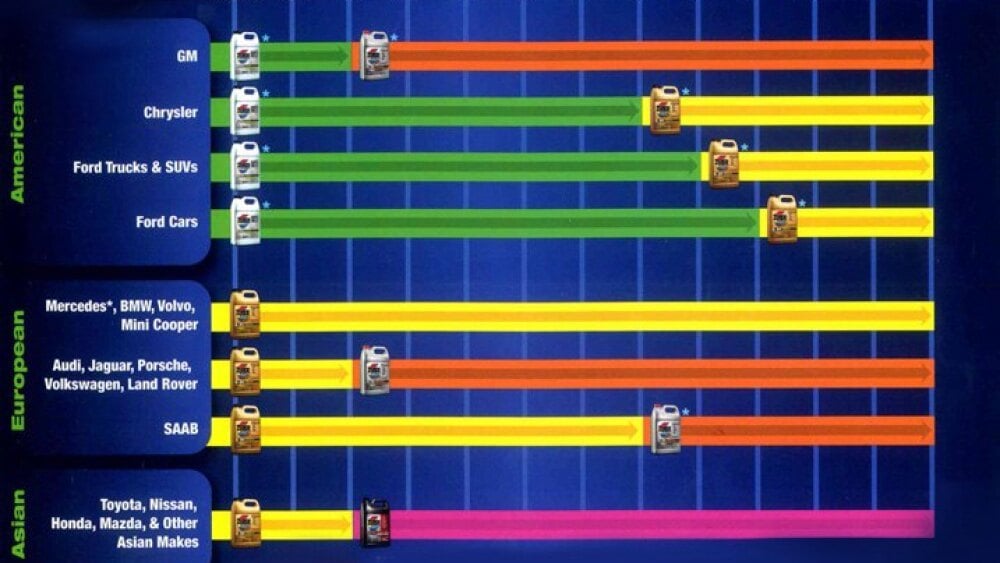
Selecting the right antifreeze is essential for maintaining a vehicle’s cooling system and ensuring optimal engine performance. Several factors should be considered when making this choice, including the vehicle’s make and model, the manufacturer’s recommendations, and the climate in which the vehicle operates.
Manufacturer’s Recommendations
First and foremost, it is crucial to follow the manufacturer’s recommendations. Vehicle manufacturers specify the type of antifreeze that is best suited for their engines, taking into account the materials used in the cooling system and the engine’s design. This information can usually be found in the vehicle owner’s manual or on the manufacturer’s website.
Climate Considerations
Climate plays a significant role in selecting antifreeze as well. In regions with extremely cold winters, a lower freezing point is necessary to prevent the coolant from solidifying and causing damage to the engine. Conversely, in hot climates, a higher boiling point is needed to prevent the coolant from boiling over and causing the engine to overheat.
Compatibility with Cooling Systems
Another important consideration is the compatibility of the antifreeze with the materials in the cooling system. Some antifreeze formulations contain additives that are specifically designed to protect certain metals, such as aluminum or copper. Using the wrong type of antifreeze can lead to corrosion and damage to the cooling system components.
When selecting antifreeze, it is also essential to consider the lifespan and maintenance requirements. Some types of antifreeze require more frequent replacement, while others offer extended protection and lower maintenance. Choosing a long-lasting antifreeze can save time and money in the long run. Just make sure that the antifreeze is safe to use with that specific vehicle year, make, and model!
Finding the Right Antifreeze at CARiD
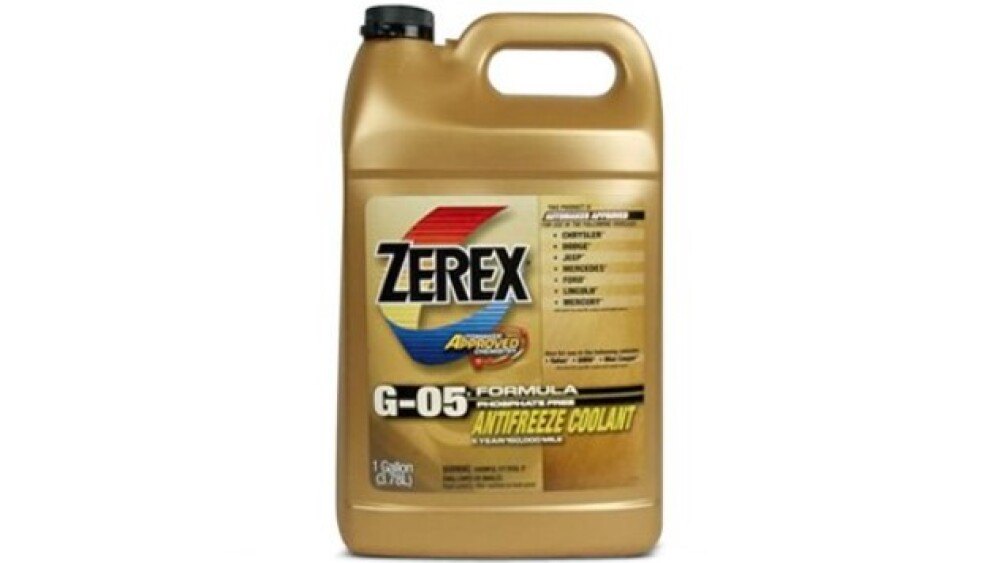
CARiD makes it easy to find everything you need to change out your antifreeze. By using the shop-by-service feature on CARiD’s website, DIYers can simply select Coolant/Antifreeze Change and enter the year, make, and model of whatever they’re working on. The site will then show only compatible types of antifreeze that are recommended by the manufacturer, ensuring you never risk adding the wrong mixture to your radiator.
If you have any questions about which antifreeze or coolant you should be using, you can always fire some questions at CARiD’s 24/7 chat specialists, who are standing by ready to help you find the right tools, parts, and equipment the first time.
FAQ
How often should antifreeze be replaced?
The different types of antifreeze come with differing replacement intervals. IAT solutions typically need to be replaced every 30,000 miles, while OAT and HOAT antifreeze mixes can last for 100,000 to 150,000 miles between flushes.
Can I mix different types of antifreeze?
It is not recommended to mix types of antifreeze as their chemical compositions may not be compatible and it could mess with the effectiveness of the solution. It’s always better to check what the vehicle calls for and use (and add) the same kind.
Why is antifreeze important in hot climates?
Even though the word antifreeze sounds like it just prevents freezing, it’s equally important in hot climates to stop the engine from overheating. Antifreeze is great at overall thermal stability, keeping the engine within an acceptable range of temperatures regardless of what the ambient conditions are, within reason.
What should I do if my antifreeze is low?
If the antifreeze is low, it’s important to top it off with the proper type and mixture of antifreeze. Do not just top off the antifreeze with water, as this can dilute it too far to where it can freeze easier than expected. Low antifreeze levels are also often indicative of a leak, so be sure to check for cracks or wet spots in your cooling system.