Clutch Linkages & Parts
Select Department
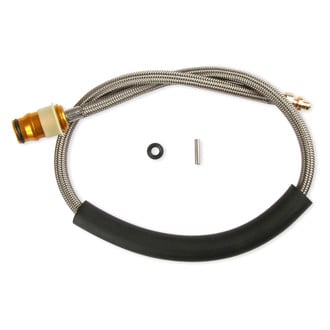
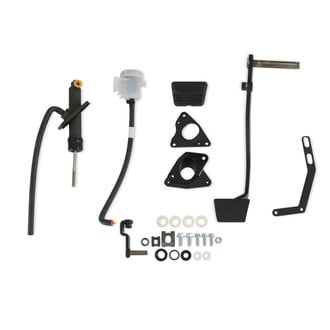
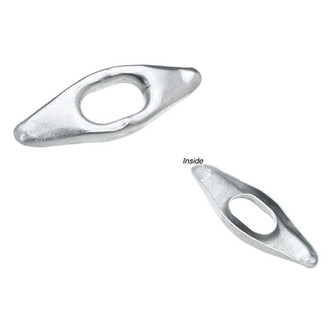
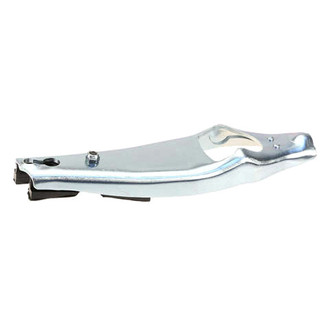
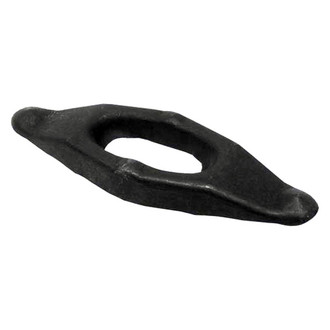
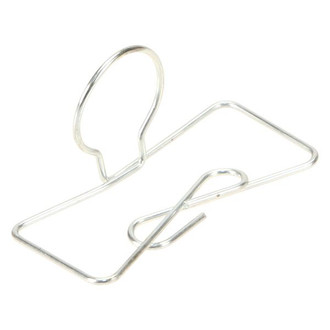
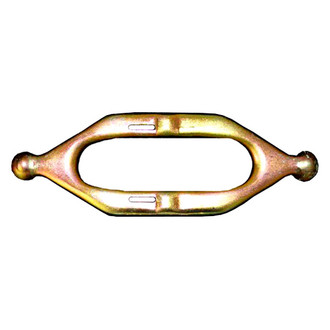
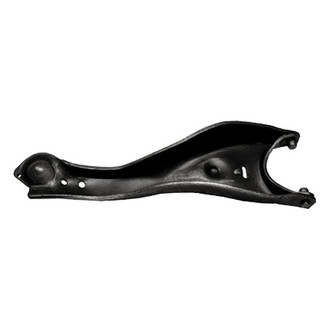
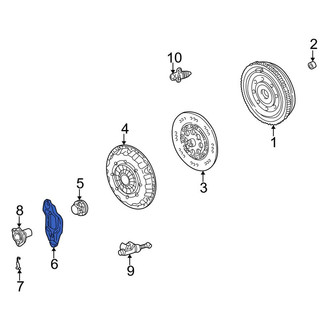
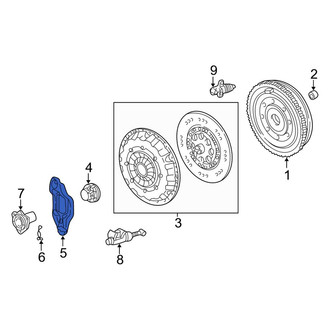
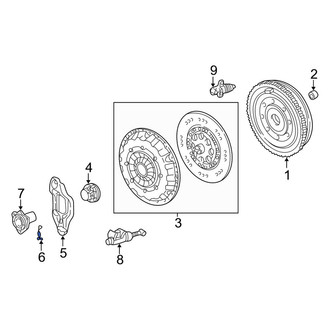
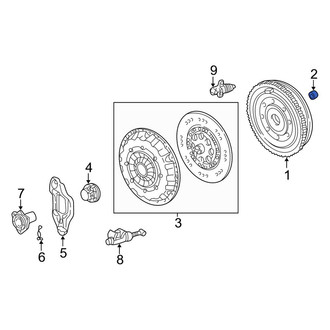
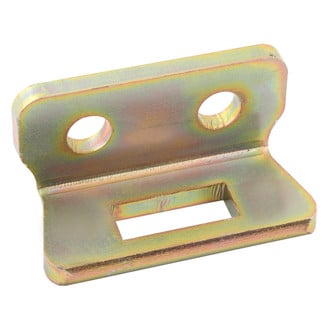
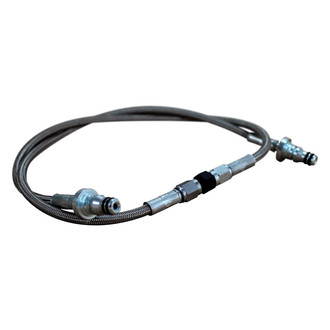
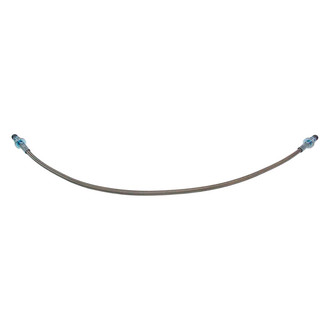
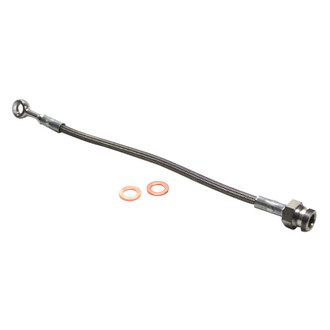
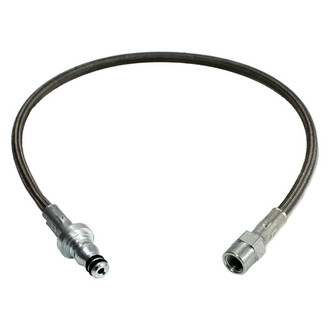
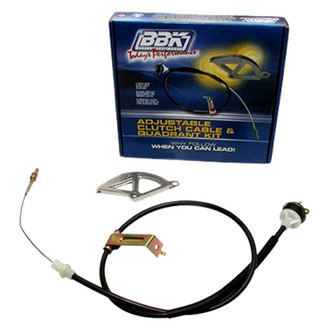
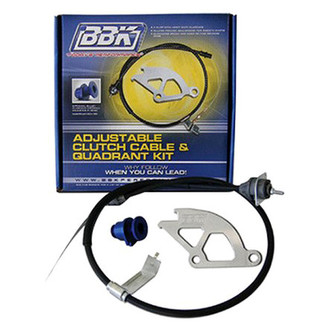
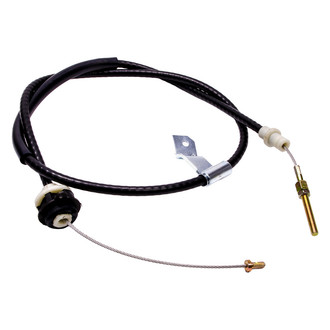
The clutch linkage connects the driver to the clutch assembly, transforming foot motion that depresses and releases the clutch pedal into clutch disengagement and engagement. There are 2 types of clutch linkage, hydraulic and mechanical, and 2 types of mechanical linkage, cable and pushrod, also called shaft and lever. Clutch operation via hydraulic or cable linkage are the most common OE systems found on modern vehicles, as they offer packaging flexibility that is ideal for use with various drivetrains and engine and transmission/transaxle positions. Pushrod linkage is typically used on rear-wheel drive vehicles, especially older models. Here on our digital shelves you’ll find the components needed to make any clutch linkage system operate like new again or even better.
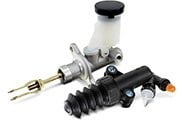
Hydraulic clutch linkage works in a similar manner to your vehicle’s brake system. The brake master cylinder turns the mechanical pressure exerted by your foot on the brake pedal into hydraulic pressure. This pressure acts on the pistons in brake calipers and wheel cylinders to force the brake pads and shoes against the brake rotors and drums, to stop the vehicle. The clutch master cylinder also turns foot pressure into hydraulic pressure, but the pressure is used by a slave cylinder to force a clutch release bearing, sometimes called a throw-out bearing, against the clutch pressure plate, disengaging the clutch.
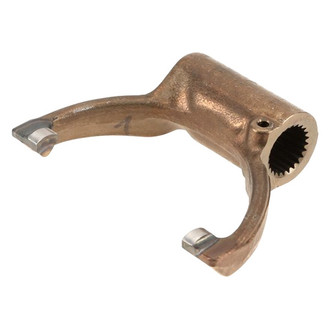
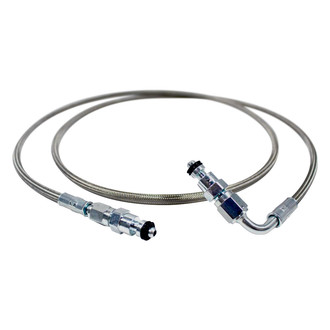
In addition to the master and slave cylinders and the release bearing, a typical hydraulic linkage system includes a pushrod connecting the clutch pedal to the master cylinder, an interconnecting line or hose that transmits the hydraulic pressure from the master cylinder to the slave cylinder, and a clutch fork or lever inside the bell housing that takes the force from the slave cylinder and applies it to the release bearing. Some hydraulic linkage systems combine the slave cylinder and release bearing functions in one component called a Concentric Slave Cylinder (CSC), which also eliminates the need for a clutch fork. Hydraulically actuated clutches are generally self-adjusting, however on some models the slave cylinder pushrod that connects to the clutch fork or lever and/or the clutch pedal pushrod that connects to the master cylinder can be adjusted.
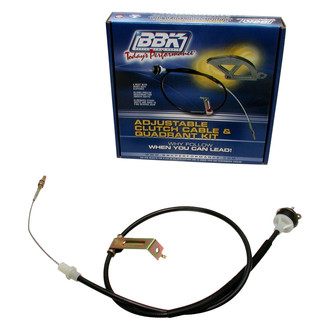
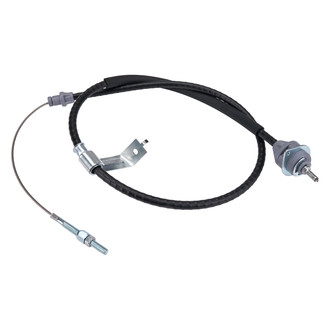
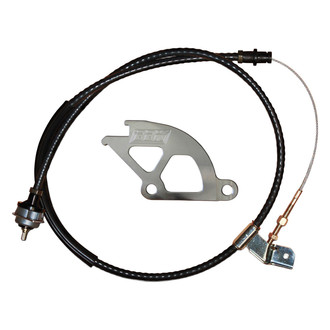
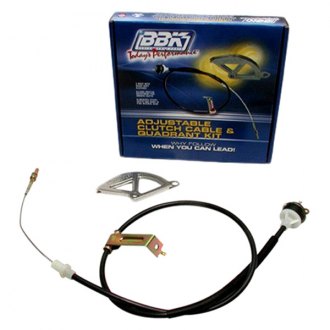
Cable actuation is the simplest clutch linkage system. The cable housing is attached to the firewall and a bracket on the bell housing and the cable is connected to the clutch pedal at one end and the clutch fork or release lever at the other end. Some vehicles have self-adjusting clutch cable mechanisms, but most clutch cables are adjusted where the cable is attached to the clutch fork or lever. There are many different mechanical pushrod linkage variations but in general a pushrod extends from the clutch pedal to a lever at one end of a bellcrank, sometimes called a “Z bar”, which pivots on mounts at the vehicle frame and on the engine or bell housing. When the clutch pedal is depressed a lever at the opposite end of the bellcrank forces another pushrod against the clutch fork or lever, applying the release bearing. Adjustment for this type of clutch linkage is at the clutch pedal or clutch fork pushrod.
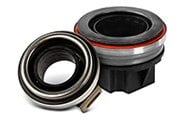
The clutch release bearing is a ball thrust bearing supported on a carrier that slides on a hollow shaft extending from the front of the transmission and encircling the transmission input shaft. The release bearing is attached to a clutch fork or lever that pivots at one end or in the center and is attached to the slave cylinder, cable, or pushrod at the other end. When the clutch is depressed, via linkage the fork/lever forces the release bearing against the clutch pressure plate diaphragm or fingers, disengaging the clutch. The exception to the above are CSCs, which mount to the front of the transmission and apply in response to hydraulic pressure without the need for additional linkage. The release bearing is lubricated during the manufacturing process and cannot be lubricated in the field. It’s the primary clutch linkage wear component and should be replaced whenever the clutch disc and pressure plate are replaced. However, release bearing wear can be accelerated by “riding” the clutch pedal, driving in stop-and-go traffic where the clutch pedal is depressed for long periods, and keeping the clutch pedal depressed while at red lights, which can result in premature failure.
Symptoms of a worn release bearing include noise, vibration felt through the clutch pedal, an increase in required pedal effort, and difficulty shifting. Noise caused by a worn pilot bushing or bearing can sound the same as a that from a worn release bearing. To isolate the source of the noise, run the engine and listen while the clutch pedal is depressed and the transmission is in 1st gear. Noise indicates a worn pilot bushing or bearing or release bearing. If the noise remains when the transmission is shifted to neutral, then the release bearing is bad. However, there are many other linkage defects that can cause clutch operation problems. In hydraulic systems leaks can develop at the master cylinder, slave cylinder and fluid lines/hoses, and air in the system can result in insufficient release bearing application force. Clutch cables can break or stretch and clutch action can become stiff due to cable fraying or if the cable doesn’t move freely within the housing. And clutch fork/lever pivot points and the many pivot points in mechanical pushrod linkage can suffer wear, cracks and breakage.
Clutch diagnosis should start with a visual inspection and a check for proper clutch adjustment. If you’re in need of replacement or performance parts we have the right ones for the job no matter what vehicle or type of clutch linkage you’re working on. We offer clutch linkage components that are manufactured to original equipment specifications, so when repairs are completed you can count on the clutch performance your vehicle was designed to deliver. Here you’ll find release bearings, clutch forks, clutch fork pivots, clutch master cylinders, slave cylinders, concentric slave cylinders, master cylinder & slave cylinder assemblies complete with hydraulic line, hydraulic lines & hoses, clutch cables, cable mounting kits, clutch cable sleeves, clevises, supports, and adjusters, pushrods, bellcranks, bellcrank boots and brackets, and much more.
Browse by Part Name
Featured Brands












Related Categories
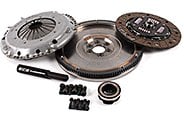
 Clutch Kits
- Automatic Transmission Oil Coolers
- Transmission Mounts
- Transmission Solenoids, Sensors, Switches & Control Units
- Transmission Filters
- Automatic Transmission Torque Converters
- Transmission Shifters
- Clutch Flywheels
- Transmission Pans, Drain Plugs, Filler Caps
- Clutch Hydraulics
- Transmission Seals & Gaskets
- Transmission Rebuild Kits
- Clutch Release Bearings
- Automatic Transmission Valve Bodies
- Transmission Bearings
- Automatic Transmission Flexplates
- Automatic Transmission Oil Pumps
- Transmission Shafts & Gears
- AT Bands & Clutches
- Automatic Transmission Governors, Modulators
- MT Assemblies
- Automatic Transmission Assemblies
- Clutch Pressure Plates
- Clutch Discs
- Transmission Fluids, Oils & Additives