Transmission Solenoids, Sensors, Switches & Control Units
Browse by Vehicle
Select Department
-
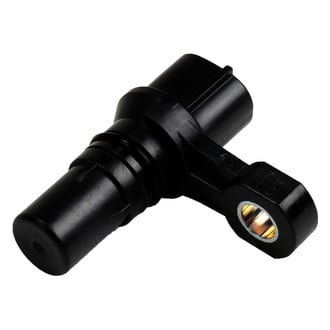
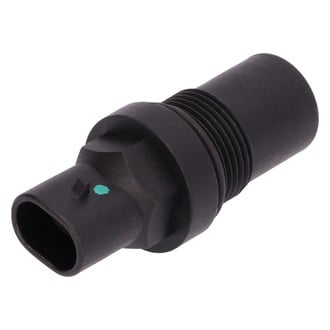 gpd® - Vehicle Speed Sensor$4.67 - $69.21
 -
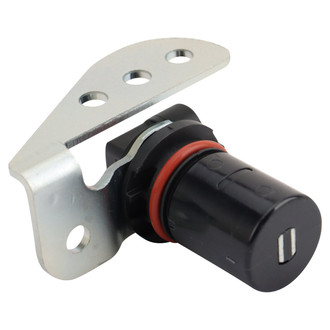
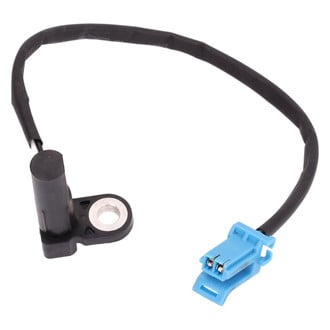 gpd® - Automatic Transmission Speed Sensor$9.82 - $65.72
 -
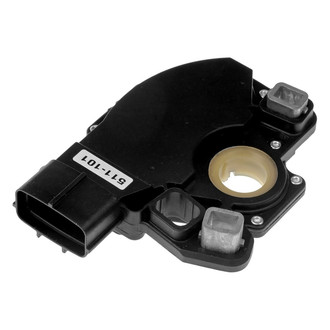
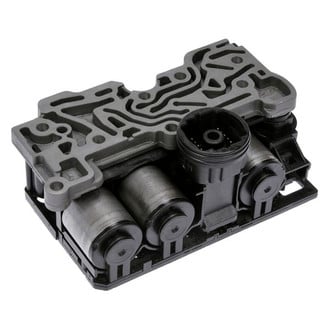 Dorman® - Transmission Control Module$148.06 - $1,043.17
 -

- TRQ® - Vehicle Speed Sensor$19.95 - $84.85 + Save up to $4.20 with iD FastTrack
- Dorman® - Transmission Range Sensor$39.35 - $168.35 + Save up to $5.30 with iD FastTrack
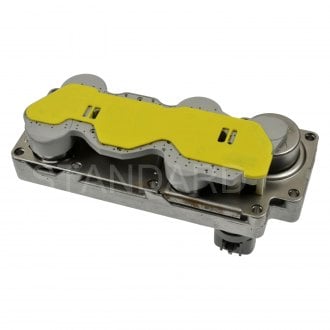
- Standard® - AT Control Solenoid$18.69 - $566.39 + Save up to $8.20 with iD FastTrack
- TRQ® - Automatic Transmission Shift Solenoid$22.02 - $51.95 + Save up to $3.00 with iD FastTrack
- Dorman® - OE Solutions™ Automatic Transmission Pressure Sensor Transducer$57.68 - $63.58 + Save up to $2.90 with iD FastTrack
- ACDelco® - Genuine GM Parts™ Transmission Clutch Pedal Position Switch$14.74 - $35.26 + Save up to $2.00 with iD FastTrack
- SKP® - Vehicle Speed Sensor$10.29 - $25.21
- Standard® - Neutral Safety Switch$23.78 - $344.46 + Save up to $8.00 with iD FastTrack
- TRQ® - Neutral Safety Switch$18.91 - $79.79 + Save up to $4.20 with iD FastTrack
- WVE® - Neutral Safety Switch$15.81 - $456.44
- Mopar® - Clutch Starter Safety Switch$25.14 - $125.23
- Dorman® - Automatic Transmission Pressure Sensor Transducer$42.78 - $78.43
- ACDelco® - GM Original Equipment™ Automatic Transmission Output Shaft Speed Sensor$27.71 - $184.72 + Save up to $2.00 with iD FastTrack
- ACDelco® - Genuine GM Parts™ Manual Transmission Reverse Lockout Solenoid$110.87 - $118.73 + Free Shipping with iD FastTrack
- SKP® - Automatic Transmission Input Shaft Speed Sensor$8.45 - $27.53
- SKP® - Automatic Transmission Speed Sensor$7.96 - $29.05
- Genuine® - Gear Position Sensor$97.39 - $649.11 + Free Shipping with iD FastTrack
- Genuine® - Neutral Safety Switch$81.19 - $1,499.62 + Free Shipping with iD FastTrack
- Standard® - Intermotor™ Neutral Safety Switch Connector$17.01 - $79.84
- Beck Arnley® - Automatic Transmission Shift Solenoid$61.81 - $275.37
- Holstein® - Vehicle Speed Sensor$12.28 - $205.54
- NTK® - Vehicle Speed Sensor$17.48 - $323.96
- Dorman® - Auto Transmission Control Solenoid$68.76 - $319.77 + Free Shipping with iD FastTrack
- Dorman® - Automatic Transmission Speed Sensor$17.14 - $105.99 + Save up to $5.00 with iD FastTrack
-
-
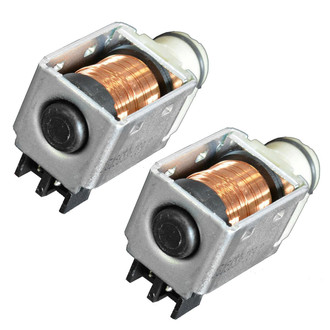
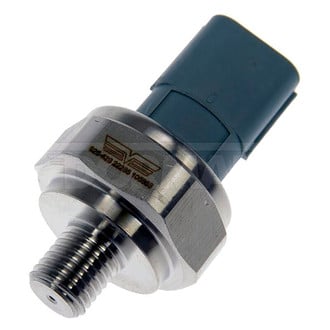
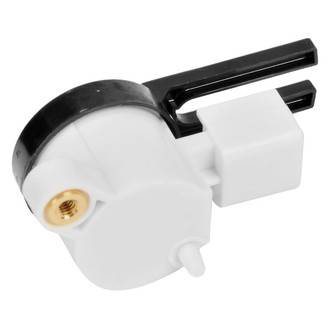
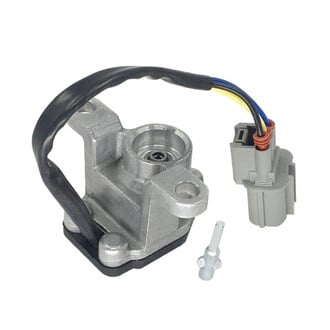
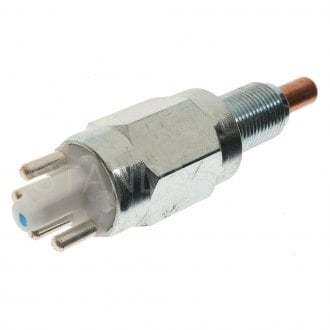
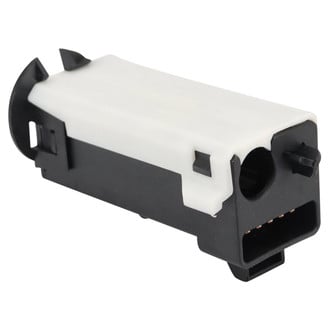
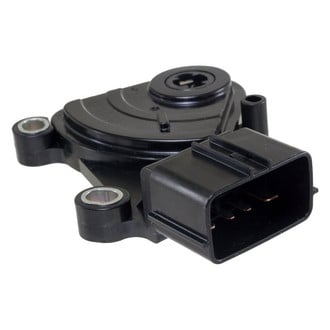
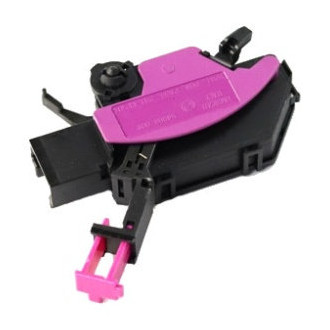
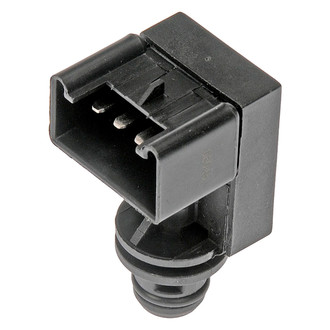
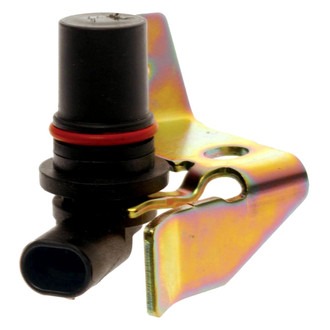
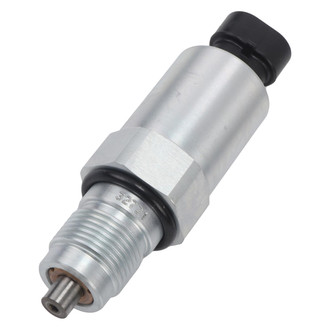
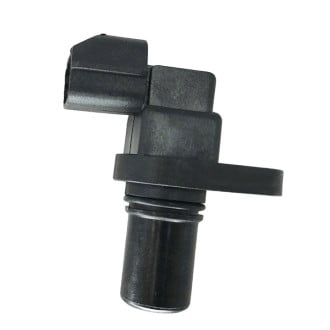
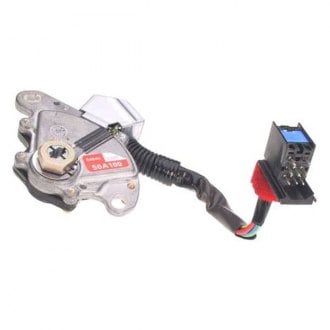
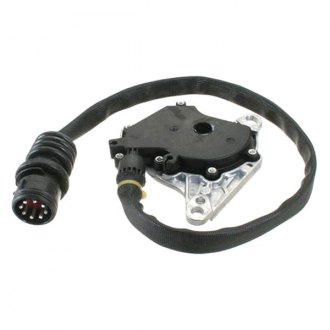
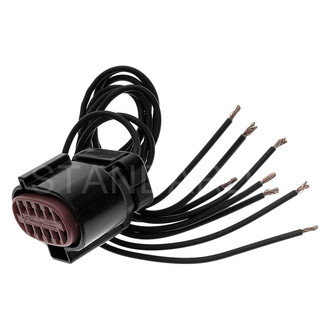
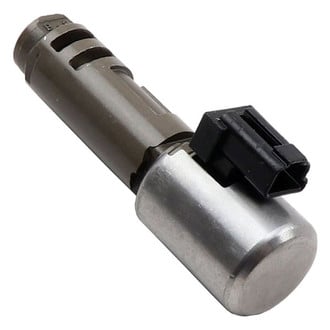
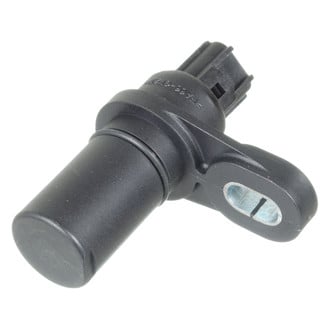
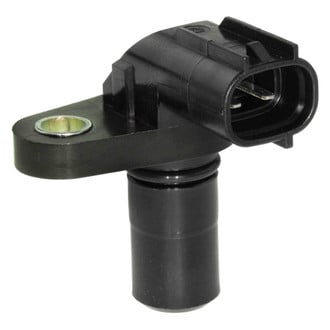
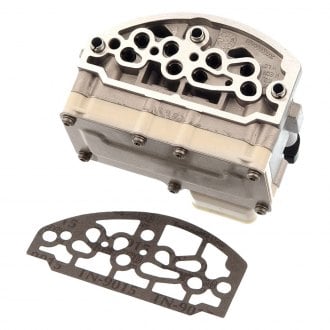
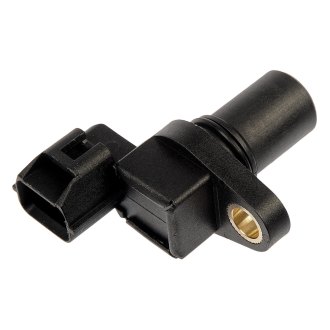
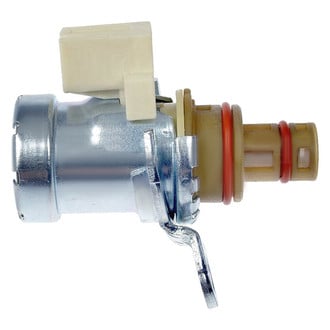
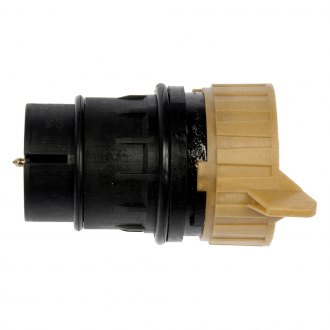
All modern automatic transmissions are electronically controlled by a computer. Depending on the vehicle, model year and system, the transmission may be controlled by a PCM (Powertrain Control Module), which controls both the engine and transmission, or by a dedicated TCM (Transmission Control Module). A network of engine and transmission sensors and switches provides input to the computer about operating conditions including engine load, temperature, and vehicle speed. The computer uses this input, along with internal programming, to regulate transmission pressure, shift timing, shift feel, and TCC (Torque Converter Clutch) engagement. The computer activates various solenoids to achieve this, including shift, TCC, and pressure control solenoids.
The engine associated sensors include the TP (Throttle Position) sensor, ECT (Engine Coolant Temperature) sensor, MAP (Manifold Absolute Pressure) sensor, and MAF (Mass Air Flow) sensor. Transmission related sensors include the TFT (Transmission Fluid Temperature) sensor, TSS (Turbine Shaft Speed) sensor, also called an input shaft speed sensor, TR (Transmission Range) switch, sometimes called a neutral safety switch or MLP (Manual Lever Position) switch, VSS (Vehicle Speed Sensor), also called an output shaft speed sensor, and BOO (Brake On/Off) switch. In addition to the above, some transmissions have various pressure switches, a line pressure sensor, and a clutch pressure sensor, and some vehicles have an APP (Accelerator Pedal Position) sensor, an overdrive switch, and buttons or a shift lever that allows manual shifting.
On older vehicles with mechanical throttle linkage, the TP sensor measures throttle opening, which is controlled by the driver’s foot on the gas pedal. The TP sensor is a potentiometer connected to the throttle body shaft that sends a voltage signal to the computer according to the change in resistance that occurs when varying throttle opening. This signal directly affects the computer’s control of line pressure, shift scheduling, and TCC engagement. When the throttle is closed or moderately open, resistance is high and the voltage signal is low, so the computer will keep line pressure low and shifts will be early. Conversely, at WOT (Wide Open Throttle), resistance is low, and the voltage signal is high, so the computer raises line pressure and shifts are delayed and occur at higher rpm. The APP sensor signal serves a similar function on newer vehicles with electronic throttle “drive-by-wire” control.
The ECT sensor is a thermistor that varies the voltage output with engine temperature. When the engine is cold, the sensor’s resistance is high, and as engine temperature rises, the resistance falls. The computer uses the ECT voltage signal to delay shifts and prevent TCC engagement until the engine warms up. The MAP sensor sends a voltage signal to the computer that varies according to engine vacuum, which the computer uses to determine engine load. At idle and light engine load vacuum is high and the voltage signal is low, and at WOT and heavy engine load, vacuum drops and the voltage signal increases. The computer uses the MAP sensor signal to control line pressure, shift timing, and TCC engagement. The MAF sensor also detects engine load but does so by measuring the amount of air entering the engine.
The VSS measures transmission output shaft speed. It can be a permanent magnet or reed-style sensor that signals vehicle speed to the computer. The VSS signal affects shift timing and feel, and if the sensor is defective or there is a problem in the VSS circuit it can result in improper shift timing, abnormally firm shift feel, no upshifts and no TCC engagement. The TSS sensor is the same type of sensor but measures input shaft speed. It is used by the computer for line pressure control during shifts and TCC engagement. A problem with this sensor or its circuit can result in incorrect shift timing, hard shifts, and no cruise control or TCC operation. The TFT sensor functions like the ECT sensor, except instead of engine coolant temperature it is used to signal the transmission fluid temperature to the computer. The computer will delay shifts when the fluid temperature is cold and prevent overdrive or TCC engagement until the fluid reaches a specified temperature.
The BOO switch signals the computer to disengage the TCC when the driver steps on the brake pedal. The BOO switch may or may not be integrated with the stoplight switch. The TR switch signals transmission manual lever position to the computer, which in turn activates the desired transmission gear and prevents the engine from starting in gears other than Park or Neutral. Some vehicles, particularly trucks and SUVs that routinely tow trailers, have an overdrive switch. When the driver activates the switch, it signals the computer to disable overdrive, to prevent overloading the transmission when pulling a heavy load. Some vehicles allow the driver to select transmission gears manually, via a +/- switch located on the column shifter stalk or a floor-mounted shifter that is placed in the manual mode.
The actuators that are commanded by the computer to control transmission operation are electric solenoids. There are pressure control solenoids, shift solenoids that direct fluid pressure to the appropriate clutches or bands, and a solenoid that directs fluid pressure to engage the TCC. A solenoid contains a coil of wire with an iron plunger inside. When current is applied to the solenoid it becomes an electromagnet and the plunger changes position. When the plunger moves it opens or closes a valve, allowing or preventing fluid flow. In addition to the above, we have neutral safety switches for older, non-electronic transmissions and clutch switches for manual transmission vehicles, both used to keep the engine from starting with the transmission in forward or reverse gears.
Every vehicle will not necessarily be equipped with all the sensors, switches, and actuators mentioned here, and those detailed above do not represent all the solenoids, sensors, switches, control units and related components we have on offer. No matter what you’re working on, we have the necessary components to restore proper transmission performance and vehicle operation. We offer components that are manufactured according to original equipment specifications, so when repairs are completed you can count on the performance your vehicle was designed to deliver.
Browse by Part Name
Featured Brands












Related Categories
- Clutch Kits
- Automatic Transmission Oil Coolers
- Transmission Mounts
- Transmission Filters
- Automatic Transmission Torque Converters
- Transmission Shifters
- Clutch Flywheels
- Transmission Pans, Drain Plugs, Filler Caps
- Clutch Hydraulics
- Transmission Seals & Gaskets
- Transmission Rebuild Kits
- Clutch Linkages
- Clutch Release Bearings
- Automatic Transmission Valve Bodies
- Transmission Bearings
- Automatic Transmission Flexplates
- Automatic Transmission Oil Pumps
- Transmission Shafts & Gears
- AT Bands & Clutches
- Automatic Transmission Governors, Modulators
- MT Assemblies
- Automatic Transmission Assemblies
- Clutch Pressure Plates
- Clutch Discs
- Transmission Fluids, Oils & Additives