
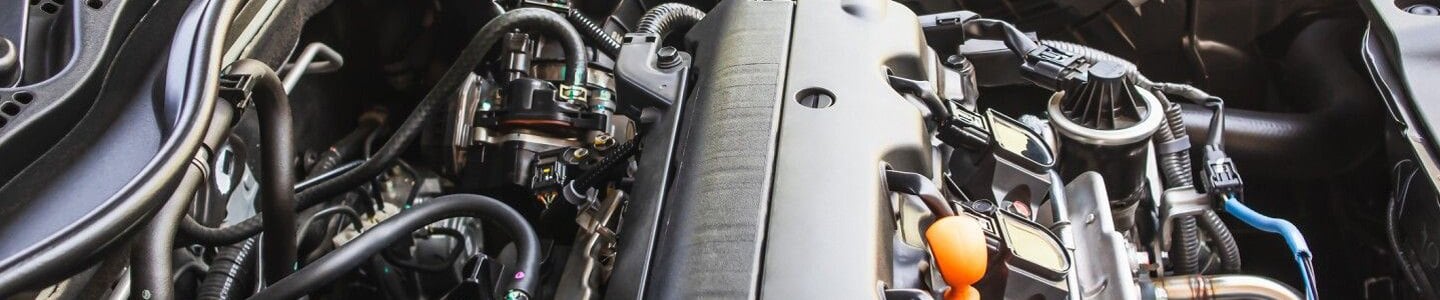
If your vehicle exhibits performance issues coupled with an illuminated check engine light, you may need to find the nearest mechanic—your engine may be misfiring.
The diagnostic trouble code (DTC) P0302 is one among several codes in your vehicle’s On-Board Diagnostics II (OBD-II) system that indicate a misfire event in one of your engine’s cylinders. Vehicle makes like Toyota, Chevrolet, and Ford can be susceptible to the P0302 code.
Learn more about code P0302, its symptoms, possible causes, and troubleshooting procedures so you can get back on the road in no time.
What Does Code P0302 Mean?
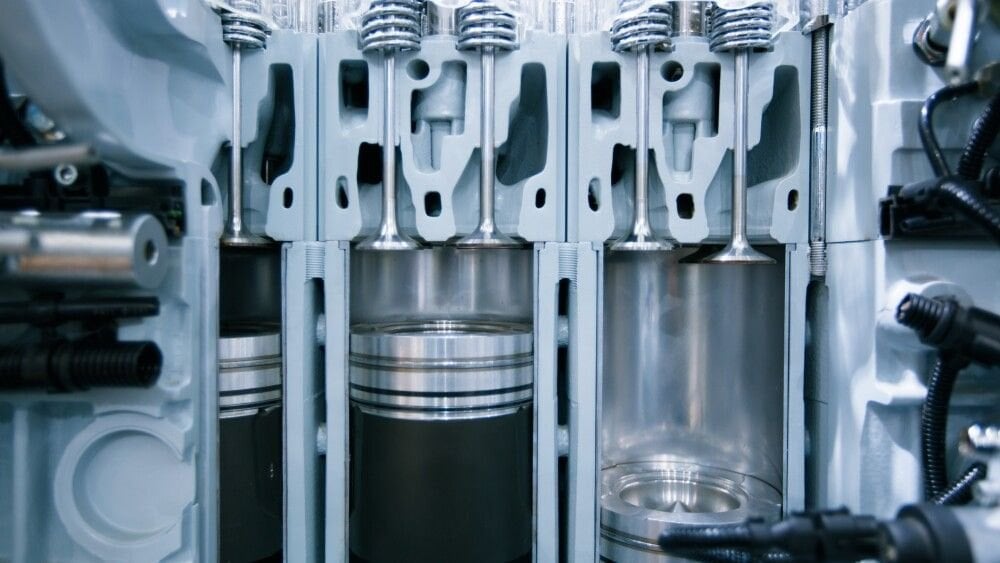
The P0302 code stands for Cylinder 2 Misfire Detected. This engine code indicates that your vehicle’s powertrain control module (PCM) has detected frequent misfires on your engine’s no. 2 cylinder.
Keep in mind that this code doesn’t refer to the second cylinder in the engine’s firing order. It refers to the designated no. 2 cylinder in the arrangement of cylinders in the engine.
What Causes Code P0302?
Misfires have several possible causes. If there are other codes stored with P0302, it may be a sign that there’s another underlying issue, like a vacuum leak or insufficient fuel pressure.
Some of the most common causes of the P0302 code include issues with fuel delivery and the ignition system. It can also indicate a mechanical problem within your engine. Let’s go through these common causes in more detail:
- Fuel delivery problems
- Ignition system issues
- Engine mechanical problems
Fuel Delivery Problems
One of the most common causes of the P0302 code is fuel delivery issues. These include problems with the fuel injectors or the injector circuit.
Ignition System Issues
Another common cause of the P0302 engine code is ignition system trouble. This can be due to worn spark plugs, a bad coil-on-plug (COP) coil, or a bad coil pack.
Engine Mechanical Problems
Lastly, engine mechanical problems like sticking vales or weak piston rings can trigger this trouble code. A cylinder with low compression will be detectable by listening to the engine spin; one cylinder will pick up speed on its compression stroke if it has weak or no compression.
What are the Symptoms of Code P0302?
The P0302 code and other misfire-related engine codes often result in performance issues. This means symptoms like stalling, rough starting, a decrease in power, and bad fuel economy. If your vehicle only has the P0302 DTC stored, here are some of the symptoms you may notice:
- Check engine light on/flashing
- Engine running rough
- Stalling (but not usually with just one cylinder misfiring)
- Difficulty starting the engine (not with just one misfiring cylinder)
- Unusual smoke and smell from the exhaust
- Decrease in power/performance
- Excessive fuel consumption
Check Engine Light On/Flashing
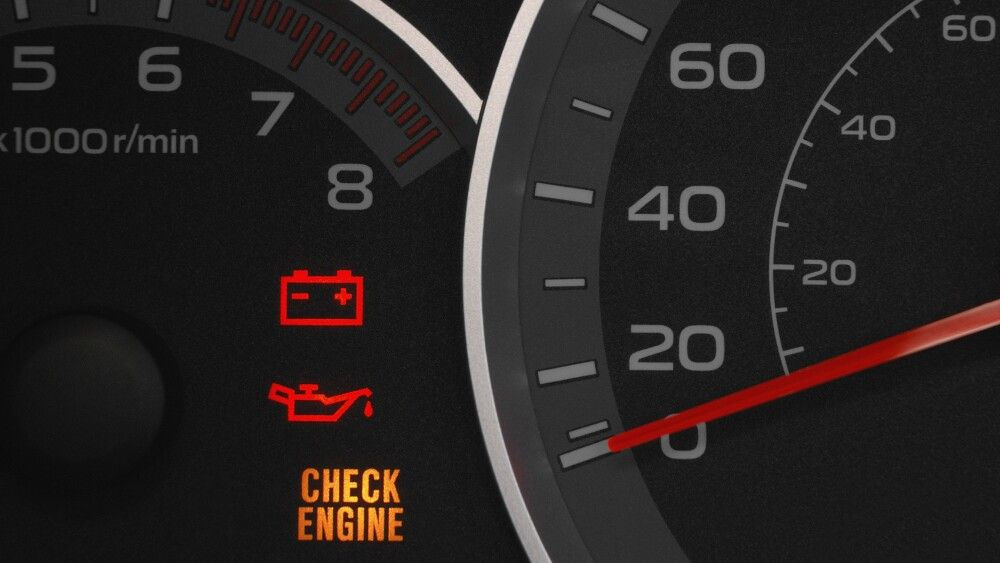
If you’re dealing with the P0302 code, you may notice that your check engine light is on or flashing. If it’s the latter, get your vehicle checked by a certified mechanic as soon as possible. A blinking check engine light may indicate that you’re dealing with a Misfire Type A. This type of misfire occurs at 200 engine revolutions and will cause the check engine light to blink once per second during the misfire.
This kind of misfire may also cause catalytic converter damage, thus the need for immediate intervention.
Engine Running Rough
Engine misfires can prevent your vehicle from running smoothly. You may notice vibrations and unusual noises like coughing, clanking, and sputtering from the engine bay.
Stalling
While engine stalling can be caused by various issues, it’s also a symptom of a misfiring engine. However, a single-cylinder misfire usually won’t cause the engine to stall—unless you’re driving a car with a three-cylinder engine.
Difficulty Starting the Engine
Ignition issues can cause misfires. If you’re dealing with the P0302 code, you might experience difficulty starting your engine. The root cause may lie in faulty spark plugs or ignition coils. However, this won’t typically happen if only one cylinder is misfiring.
Unusual Smoke and Smell From the Exhaust
A misfiring engine can cause your vehicle to emit black smoke and a strange odor. This is typically a sign that your engine is not burning or passing air and fuel correctly.
Decrease in Power/Performance
A misfiring cylinder can mean a loss of engine power because the air-fuel mixture isn’t being ignited efficiently. This means power loss, especially when going uphill. It can also cause sluggish acceleration, or even jerking during acceleration.
Excessive Fuel Consumption
When an engine misfires, the fuel in the cylinder won’t be burned effectively (or at all). In an attempt to maintain performance, the engine will burn more fuel, leading to reduced fuel efficiency.
How to Diagnose Code P0302
Like other OBD-II codes, the P0302 can have several possible causes, making diagnosis a bit tricky. The following troubleshooting steps can give you a better idea of how the P0302 diagnostic process goes:
Scan for Trouble Codes
Use an OBD-II scanner to ensure that the P0302 is registered in your vehicle’s computer, and to see what other codes are stored. Any additional codes can give you more information on the nature and possible location of the issue.
Visual Inspection
Conduct a thorough visual inspection of the ignition components for any signs of wear and damage. Inspect wiring and other connections to make sure nothing is frayed, cut, or damaged.
Cylinder Balance Test
A cylinder power balance or cylinder balance test measures how much power each cylinder is contributing. Ideally, each cylinder contributes equally to power the engine. This test can help you test the #2 cylinder and see if there are issues with other cylinders as well.
Advanced Tests
You can conduct other advanced tests to determine the condition of your engine’s cylinders and the extent of possible damage to your engine.
For example, a compression test allows you to assess the condition of your engine’s valves, valve seat, cylinder head, head gasket, and piston rings.
Meanwhile, a leak-down test checks for leaks in the cylinder and helps assess the condition of the pistons, piston rings, valve seals, and the head gasket.

How to Fix Code P0302
Once you’ve determined the root cause of the P0302 engine code, it’s time to fix the issue. Just note that there’s no single cure-all for OBD-II codes. That said, here are some of the most common solutions to fix the P0302 code:
Replace Faulty Spark Plugs
An old or faulty spark plug is one of the most common causes of the P0302. Luckily, replacing spark plugs is an easy and affordable fix. But before you replace anything, make sure you get the right type of spark plugs for your vehicle first.
Install New Ignition Coils
Ignition coils convert the battery’s power into a high enough voltage that’s needed to activate the spark plugs. Replacing bad ignition coils can help address the issue and restore your ignition system to good working condition.
Fix Fuel System Issues
If the problem lies within your fuel system, make sure to address that as soon as possible. Replace faulty fuel injectors if they’re beyond cleaning. Make sure your fuel system doesn’t have any leaks and ensure proper fuel pressure.
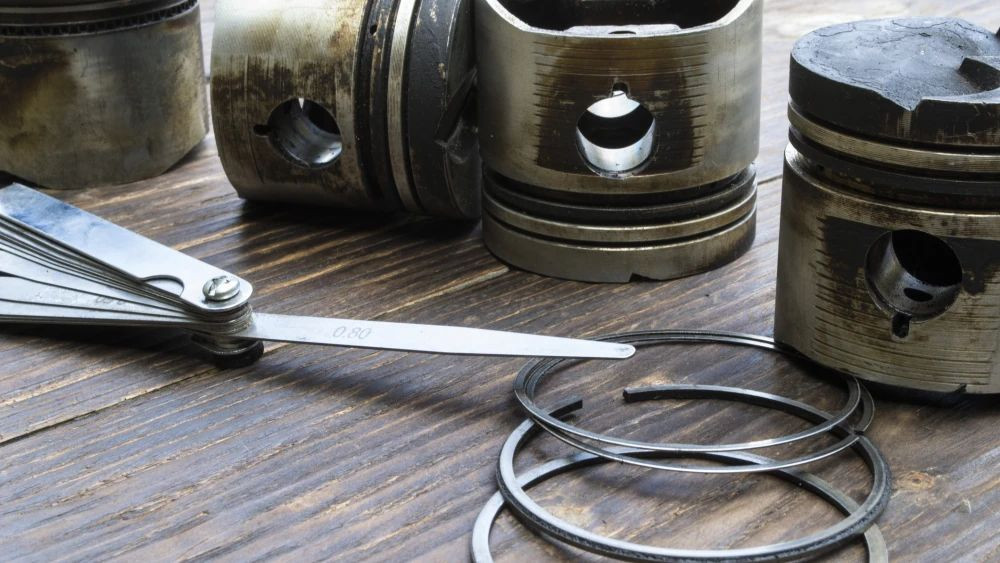
Address Mechanical Problems
Problems that affect engine compression should be fixed right away. If you discovered during your diagnosis that there are issues with certain engine components that could be contributing to the P0302 code, the only way to fix the code is to replace or repair the offending part/s.
Other Codes Related to P0302
The P0302 is one of several misfire codes that could register in your vehicle’s computer. These are some of the related codes that could also appear if you’re dealing with misfires.
P0300
The P0300 code appears when your vehicle’s computer detects misfires in any two or more cylinders. Ignition misfires, lean misfires, mechanical misfires, or powertrain misfires can cause this code to set. Driving with this code is not recommended.
P0316
A little bit different from the P0300, the P0316 code sets when your vehicle’s computer detects misfires in the engine’s first 1,000 revolutions. This code often appears with other misfire codes and can negatively affect your car’s driveability.
P0301 through P0312
The set of misfire codes from P0301 to P0312 indicate misfires on specific cylinders of your vehicle. The number at the end of each code corresponds to the number of the misfiring cylinder, from cylinder #1 to #12, depending on your engine’s configuration.
FAQ
Can I drive with a P0302 code?
Driving with the P0302 code is not recommended. This code can cause serious drivability issues that can put you and your passengers at risk. If you notice the symptoms of a P0302 and if it pops up on your OBD-II scanner, you’ll need to address it right away.
Can a bad gas cap cause OBD error code P0302?
No, a bad gas cap does not cause error code P0302. If an engine misfires, the most probable causes are ignition and fuel delivery issues. That said, it’s important to check other codes that have been set along with the P0302. If there are gas cap-related codes like P0455 and P0457, you’ll need to troubleshoot those as well.