

It can be frustrating when your vehicle starts exhibiting issues, especially those related to performance or drivability. If your vehicle’s On-board Diagnostics II (OBD-II) system is displaying the diagnostic trouble code (DTC) P0303, it indicates a common engine-related problem that may need urgent attention.
Let’s discuss the P0303 code in detail, as well as its symptoms, causes, and troubleshooting tips to quickly restore your vehicle’s performance.
What Does Code P0303 Mean?
Code P0303 or “Cylinder 3 Misfire Detected” indicates a misfire (or multiple misfires) in the third cylinder of your engine. This error code can be caused by several factors, and addressing this code promptly is crucial to avoid potential engine damage and restore smooth vehicle performance.
A misfire occurs when the air-fuel mixture fails to ignite. The way it is detected is by the powertrain control module (PCM) constantly comparing the existing crank sensor waveform spacing to the stored normal spacing it learned, usually during long, even coasting cycles when the injectors are switched off. That stored pattern is referred to by different names depending on the OEM, but the principle is the same.
Typically, one or two cylinders will be misfiring and a cylinder-specific code will be stored.
Type A Misfire
This will be more than one misfire of the same cylinder within a 200-revolution cycle of the engine.
This can cause the catalytic converter to overheat, potentially leading to damage. Most platforms will kill the injector on a misfiring cylinder, but if the injector is leaking, the catalyst can still be damaged by unburned fuel igniting in the converter.
The engine control module (ECM) will illuminate the Malfunction Indicator Light (MIL) with a flashing orange light to alert the driver of this type of misfire, which needs immediate attention.
Type B Misfire
This type of misfire repeats a certain number of times within 1000 engine revolutions. It is less severe and does not pose an immediate threat to the catalytic converter.
The MIL will be illuminated, but it won’t flash. It indicates a misfire that should be addressed but is not as urgent as a Type A misfire.
What Causes Code P0303?
Finding the right cylinder is important. This code refers to cylinder no. 3, which is easy to locate on an I-4 engine, but a bit trickier on V engines.
Non-Ford V Engines:
On a longitudinally mounted engine, Bank 1 is typically the driver’s side bank.
Non-Ford V Engines:
- On a longitudinally mounted engine, Bank 1 is typically the driver’s side bank.
- On a transversely mounted engine, Bank 1 is usually the forward bank.
- Cylinders are often numbered as follows: Bank 1: 1-3-5 and Bank 2: 2-4-6
Ford V Engines:
- Cylinders on each bank are numbered sequentially.
- On a longitudinally mounted engine, Bank 1 is on the passenger side.
- On a transversely mounted engine, Bank 1 is the rear bank.
- Ford V6 engines number the cylinders as: Bank 1: 1-2-3 and Bank 2: 4-5-6
Understanding these differences helps pinpoint cylinder 3, ensuring accurate diagnosis and effective troubleshooting for the P0303 code.
Engine misfires can occur due to several potential issues. In many cases, other trouble codes could register, aside from P0303, indicating multiple underlying problems such as a failing ignition system component (plug, wire, coil pack tower, or COP coil) or inconsistent fuel delivery (injector issue on cylinder 3).
Below are some of the most common causes of the P0303 code, which we’ll go through in more detail:
- Ignition System Problems
- Fuel Delivery Issues (Injector 3)
- Engine Mechanical Problems (Cylinder 3)
Ignition System Problems
The following can disrupt the ignition process and trigger the P0303 code:
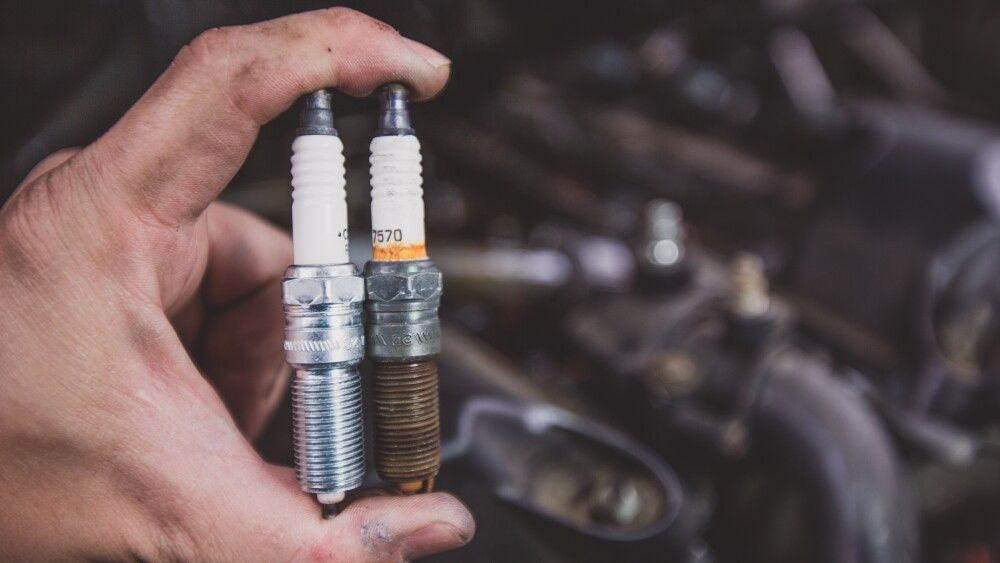
- Worn no. 3 spark plug
- Damaged no. 3 spark plug wire
- Failed no. 3 tower on a coil pack or no. 3 coil-on-plug (COP) coil
Fuel Delivery Issues
The following issues can affect fuel delivery and leave you with little to no fuel delivered to cylinder 3, contributing to the P0303 code.
- Faulty no. 3 fuel injector
- Loose or damaged wiring in the no. 3 injector circuit
- Malfunctioning PCM
Engine Mechanical Problems
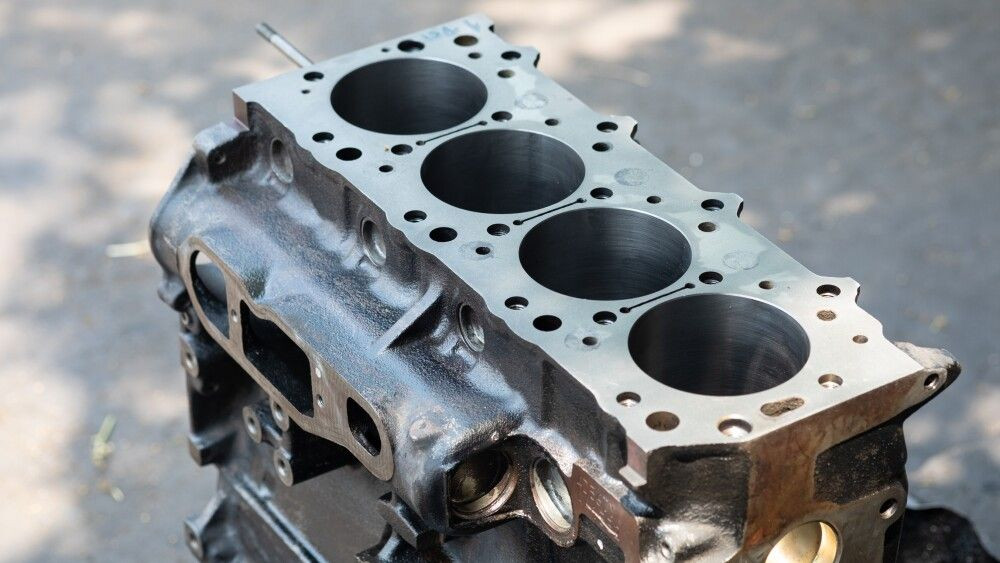
Mechanical issues in the engine system, such as a leaking valve on no. 3, worn no. 3 piston rings, damaged pistons or cylinder walls, worn no. 3 camshaft lobe, damaged lifters, or a leaking head gasket into cylinder 3 can all cause the P0303 code.
What are the Symptoms of Code P0303?
Problems affecting the engine cylinders could lead to noticeable performance issues and even cause engine damage. These problems could manifest as various symptoms that could also be caused by other vehicle issues. However, if your vehicle is registering the P0303 error code, here are some of the symptoms you might notice:
- Check Engine Light
- Rough Idling or Stalling
- Engine Jerking or Stumbling
- Reduced Fuel Economy
- Loss of Power
- Fuel Smell From Exhaust
Check Engine Light
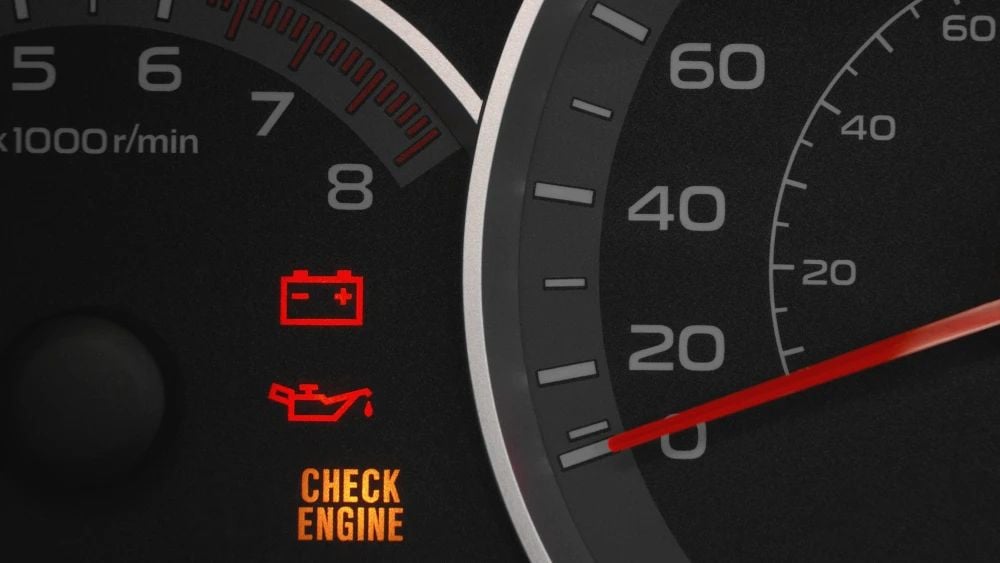
The code P0303 is typically accompanied by an illuminated or blinking check engine light, unless the misfire is intermittent enough to make it a Type B misfire. However, both the check engine light and the code P0303 on your vehicle diagnostic scanner could also point to other issues aside from a misfire in the third engine cylinder.
Rough Idling or Stalling
If your vehicle has a 3- or 4-cylinder engine, you might be more likely to notice vibrations or even hear unusual noises as the engine struggles to maintain a steady rhythm, particularly when stopped at a traffic light. This often means there have been several misfires in the engine cylinder.
Engine Jerking or Stumbling
When power delivery from the misfiring cylinder is disrupted, the engine could stumble or jerk, particularly during acceleration, impacting both drivability and passenger safety. Again, this symptom is more likely to be felt if you have a 3-cylinder or 4-cylinder engine.
Reduced Fuel Economy
A misfire in the third engine cylinder can interfere with the combustion process and disrupt the air-fuel mixture, causing the engine to work harder and consume more fuel than necessary.
Loss of Power
A P0303 code can lead to loss of engine power, as a misfire in cylinder 3 affects the engine’s ability to produce a consistent and efficient power supply.

Fuel Smell From Exhaust
A faulty fuel injector can disrupt proper fuel delivery by dripping fuel directly into the combustion chamber. It can also cause issues by releasing too much fuel. If this component is the cause (or one of the causes) of the P0303 code, one symptom you might notice is a strong smell of gas due to unburned fuel exiting the exhaust system.
Remember that the fewer cylinders the vehicle’s engine has, the more you’ll notice these symptoms.
How to Diagnose Code P0303
Diagnosing the P0303 code can be challenging due to the variety of potential causes. To guide you, here’s an overview of the usual steps involved in troubleshooting this specific OBD-II code:
Scan for Trouble Codes
Other DTCs could be present along with the P0303. This should help identify whether or not there are other underlying issues contributing to the cylinder misfire.
Inspect Spark Plugs and Wires
Look for signs of wear, damage, or carbon buildup on the spark plugs and wires of cylinder 3. These could lead to a misfire in cylinder 3 and trigger the P0303 code.
Check Fuel Injector
A thorough inspection of the fuel injector for cylinder 3 with a fuel injector tester can help confirm any functional issues that might be causing the engine to misfire.
Inspect Ignition Coil
For vehicles with COP ignition, you can try switching the coil from cylinder 3 with one from another cylinder to see if the misfire shifts to the new cylinder, confirming a faulty ignition coil.

Check for Fuel Delivery Issues
Make sure the fuel system is delivering enough fuel to cylinder 3 by checking fuel pressure and flow. Any disruptions could be caused by a clogged fuel injector or a malfunctioning fuel pump.
Perform Compression Test
Check the compression on cylinder 3 for any mechanical issues, such as a worn piston ring, damaged valve, or leaking head gasket.
Inspect for Vacuum Leaks
Any vacuum leaks around the intake manifold and its hoses could interfere with the air-fuel mixture and cause misfires in cylinder 3.
Check Other Wirings and Connections
Inspect the wirings connected to the fuel injector, ignition coil, and other related components for any signs of damage or corrosion that could be disrupting the electrical supply to cylinder 3.
Review the ECM
Check if the ECM is malfunctioning and sending incorrect signals to the engine system, which could contribute to the engine misfire.
How to Fix Code P0303
Before proceeding with repairs or replacements, it’s essential to identify the root cause of the P0303 code. Diagnosing the issue accurately will help identify the appropriate fix. However, it’s important to note that there is no one-size-fits-all solution for OBD-II codes, which is why it would also help to consult a mechanic, your vehicle manufacturer, or your service manual. Here are some of the most common fixes for resolving a P0303 code:
Address Other Error Codes
Eliminate other underlying issues by checking for other codes first, as the P0303 issue could be secondary. You can use the freeze frame data on your OBD-II scanner to identify and prioritize any urgent repairs based on the timeline of events in your engine system.
Replace Bad Spark Plugs
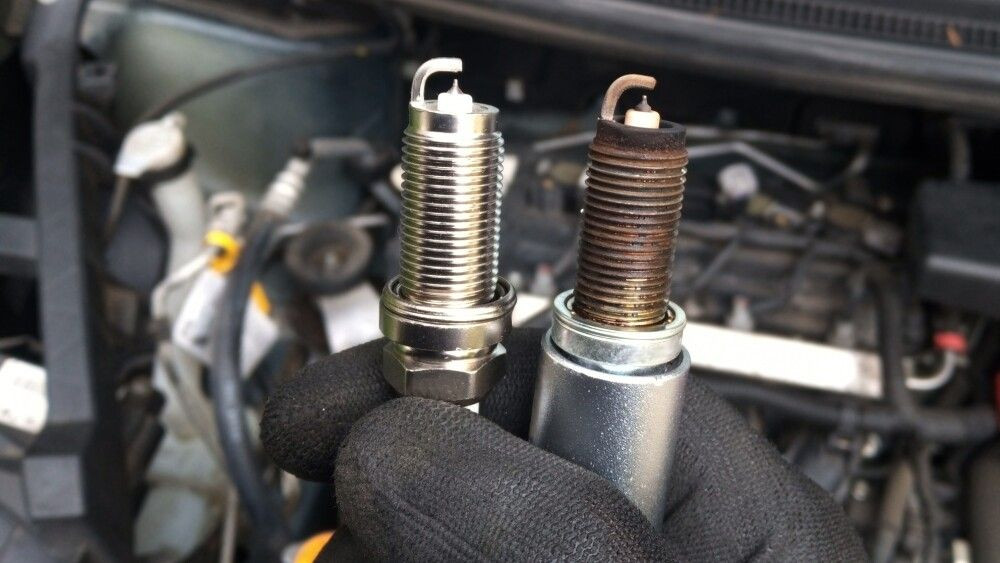
Disconnect the battery and change all spark plugs if any of them are dirty or damaged. If you are still unsure about the cause, you can try switching the spark plug in cylinder 3 with another to confirm.
Replace Faulty Ignition Coils
If the spark plugs are fine, check the ignition coils by performing a spark test or swapping them between cylinders. If the misfire moves to the other cylinder, replace the bad ignition coil and reassemble the spark plug.
Address Loose Connections or Wires
If both the spark plugs and ignition coils are working properly, search the engine bay for any loose connections and cables. Aside from ensuring that they are plugged in and secure, make sure to replace any worn-out cables or burnt fuses.
Clean or Replace Other Components
If you have extensive experience working on vehicles, you can also check the timing for any signs of damage and clean the mass air flow (MAF) sensor and fuel injectors, or replace them as necessary.
Consult a Mechanic
Perhaps one of the easiest, though not the most cost-effective, ways to fix your P0303 code is to seek assistance from professionals who can pinpoint the root cause and address the underlying issues to get you back on the road.
Other Codes Related to P0303
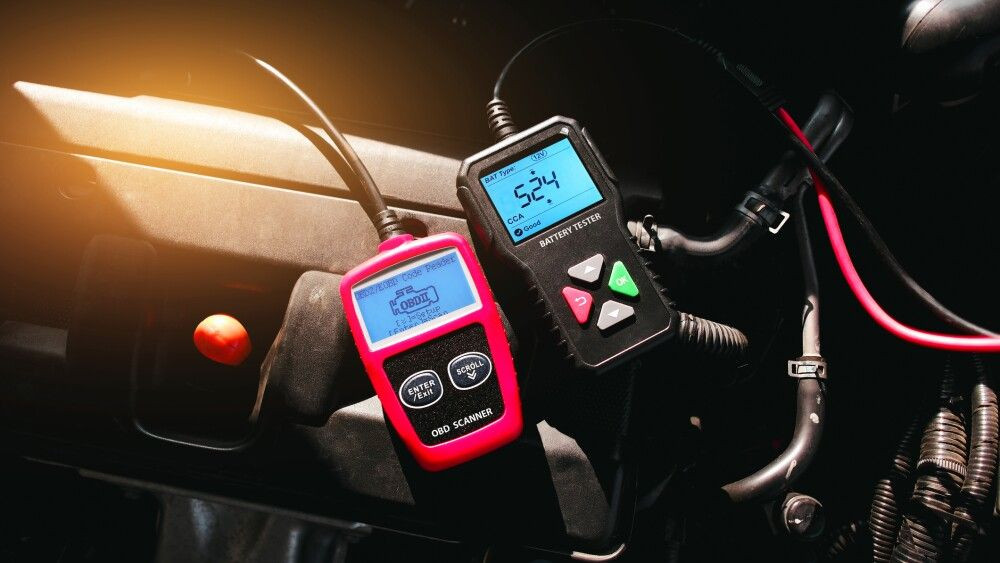
The P0303 is one of several misfire codes that might register in your vehicle’s computer. Below are some related codes that could also appear if you’re experiencing engine cylinder misfires:
P0300
This generic fault code indicates a random or multiple misfires in the engine. Although the engine computer detects this occurrence, this code does not specify which exact cylinder is affected.
P0316
A P0316 code means the PCM has detected a misfire in one or more engine cylinders shortly after vehicle startup.
FAQ
Can I drive with a P0303 code?
No, you shouldn’t drive with a P0303 code. This can be highly unsafe and it’s advisable that you get the issue addressed as soon as possible.
Can a bad gas cap cause OBD error code P0303?
No, a bad gas cap does not cause an OBD error code P0303, which indicates a misfire in cylinder 3. This code is most commonly caused by ignition or delivery issues, though compression or sensor problems may also be contributing factors. If additional EVAP system codes like P0455 or P0457 are detected, they should be addressed separately and promptly.