

Your vehicle’s performance depends on maintaining the optimal engine temperature, typically around 220°F. If your Check Engine light illuminates and an OBD-II scanner shows the P0128 code, it’s time to inspect your cooling system.
This guide will help you address the P0128 code by covering its causes, symptoms, diagnosis, and solutions.
What Does Code P0128 Mean?
The P0128 code stands for “Coolant Thermostat Below Regulating Temperature.” This diagnostic trouble code (DTC) is triggered by the engine control module (ECM) when the engine fails to reach standard operating temperature within a specified time. This typically indicates the thermostat is opening too soon, whereas a completely stuck-open thermostat would set a P0125 code.
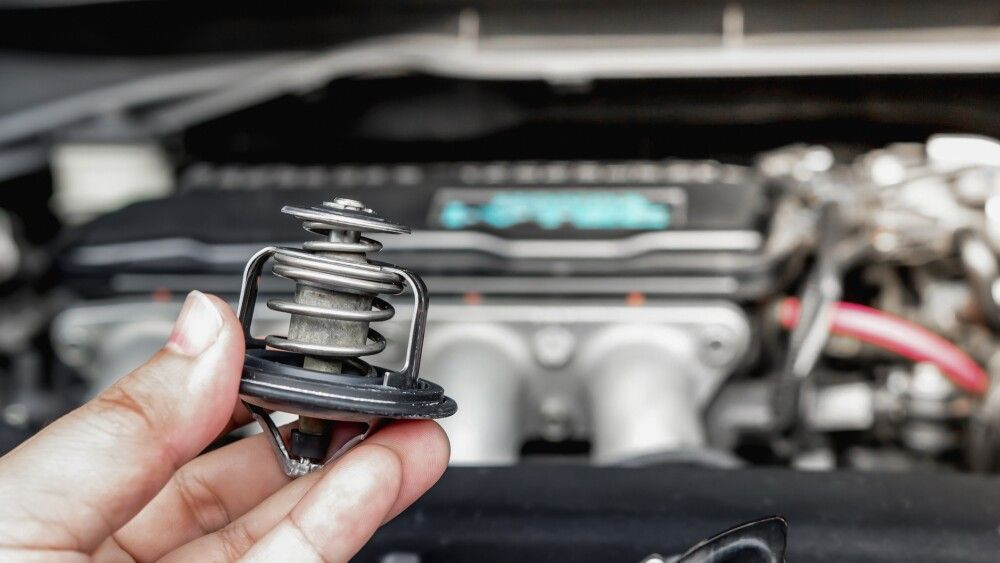
Modern engines operate within a precise temperature range for maximum efficiency. When the engine takes too long to warm up or the coolant thermostat fails to maintain optimal temperature, the ECM activates the P0128 code.
Addressing this issue promptly is crucial, as it can lead to:
- Reduced fuel efficiency
- Increased emissions
- Long-term engine wear
A colder-running engine produces less healthy emissions and can cause problems in the crankcase. Engine combustion generates water vapor, which can pass the rings as blowby. At normal operating temperatures, the PCV system manages this vapor. However, if the engine runs too cold for extended periods, the vapor can condense, mix with engine oil, and form sludge.
What Causes Code P0128?
The P0128 code is typically associated with issues in the thermostat or the engine’s cooling system.
The powertrain control module (PCM) monitors the thermostat’s opening and closing temperatures. If these temperatures deviate from the expected range, it can trigger the code. Some newer vehicles are equipped with electric or assisted thermostats, which can also fail and cause this issue.
Here are the possible causes of code P0128:
- Thermostat opening too cold
- Electric thermostat element failure
- Sensor malfunction
- Wiring issues
Thermostat Opening Too Cold
A faulty thermostat is the primary cause of a P0128 code. When stuck open, it can cause the engine to run as cool as 150°F. On some platforms, this may prevent the engine from entering closed-loop fuel control and disable the torque converter clutch.
With a P0128 code, the thermostat typically opens too soon. The PCM can detect its cycling but recognizes it is opening at a lower temperature than intended. In these cases, the coolant temperature usually runs around 175-190°F, below the optimal operating temperature.
Electric Thermostat Element Failure
As mentioned, newer vehicles may have an electric thermostat, which often includes a heating element that helps control the wax element’s expansion. If this heating element fails, it can trigger the P0128 code.
Sensor Malfunction
The engine coolant temperature (ECT) sensor monitors the temperature of your engine coolant, which can fluctuate as the thermostat opens and closes during operation.
When the ECT sensor becomes skewed and fails in-range, the ECM can misinterpret the engine’s temperature and trigger not only the P0128 code but other diagnostic trouble codes as well.
Wiring Issues
Coolant temperature sensors rely on wiring and connectors to communicate with the ECM, while electric thermostats depend on wiring to control their heating element. If these circuits are open, damaged, or corroded, the ECM may detect an issue and set off the P0128 code.
What are the Symptoms of Code P0128?
If your vehicle has a P0128 trouble code stored, you may notice the following signs:
- Check engine light is on
- Cooler engine
- Cabin heating issues
Check Engine Light is On
An illuminated Check Engine light is usually the first sign of trouble in any vehicle. Once your ECM detects that the engine temperature is not reaching the standard operating temperature, the CEL lights up to alert you.
Cooler Engine
Most of the time, you can tell when your engine is running normally and when something is off. A low-temperature gauge reading may indicate that the engine is taking longer than usual to warm up or, worse, that the temperature drops while driving at higher speeds. Fluctuating engine temperature is often a warning sign of a more significant underlying issue.
Cabin Heating Issues
All signs point to a code P0128 when the cabin of your vehicle isn’t warming up as expected or even at all. This indicates that the engine coolant temperature is not reaching the proper operating level within a specified time, which may point to a thermostat stuck open or another cooling system issue.
How to Diagnose Code P0128
The key to resolving your P0128 code is to figure out the source of the problem. These steps can give you an idea of how the diagnostic process for this trouble code should go:
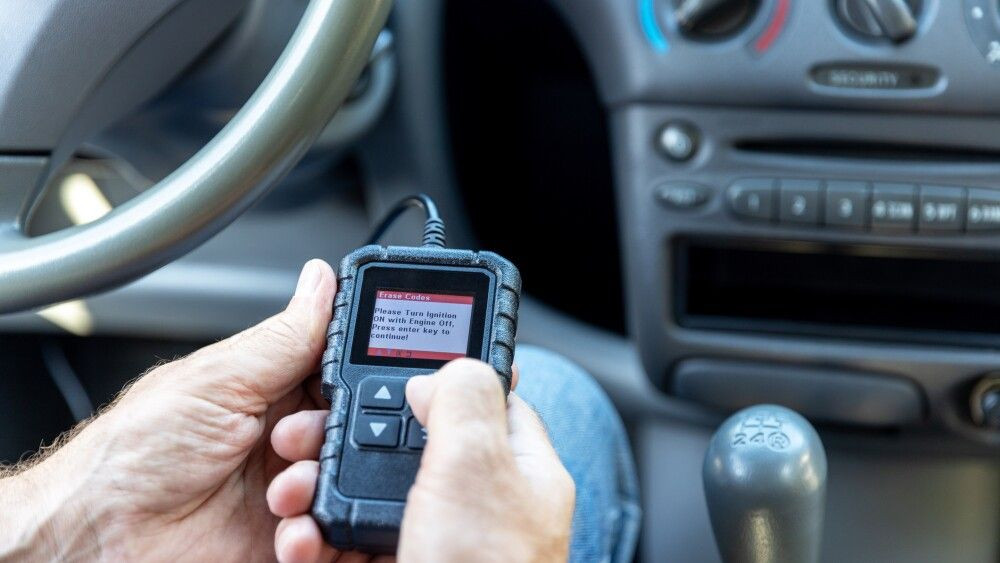
Confirm the Code
Before diving into any major repairs, start by confirming if the code P0128 is indeed stored. Use your OBD-II scanner to verify that your car has registered the diagnostic trouble code.
Consider the Thermostat
Inspect your thermostat to see if it is stuck open. You will know that the thermostat is functioning properly if it closes completely when cold and opens at the specified temperature.
Conduct Sensor Tests
You can use a multimeter to test the resistance of your ECT sensor and intake air temperature (IAT) sensor. Compare the readings to the manufacturer’s specifications to determine if the sensor is functioning properly or if it needs to be replaced.
Check Wiring and Connectors
There are lots of wiring and connectors plugged into your thermostat and coolant temperature sensor. Examine them for any signs of corrosion, fraying, or other damage.
How to Fix Code P0128
If you have the DIY skills to replace the offending component (or components) on your own, here’s what you’ll need to do to fix code P0128:
Replace the Thermostat
With a P0128, it is most likely time to replace your faulty thermostat and its surrounding gaskets. It is the most common cause of this code and, luckily, it doesn’t cost a lot to replace. Make sure to buy a replacement thermostat that meets the specifications of your car make or model.
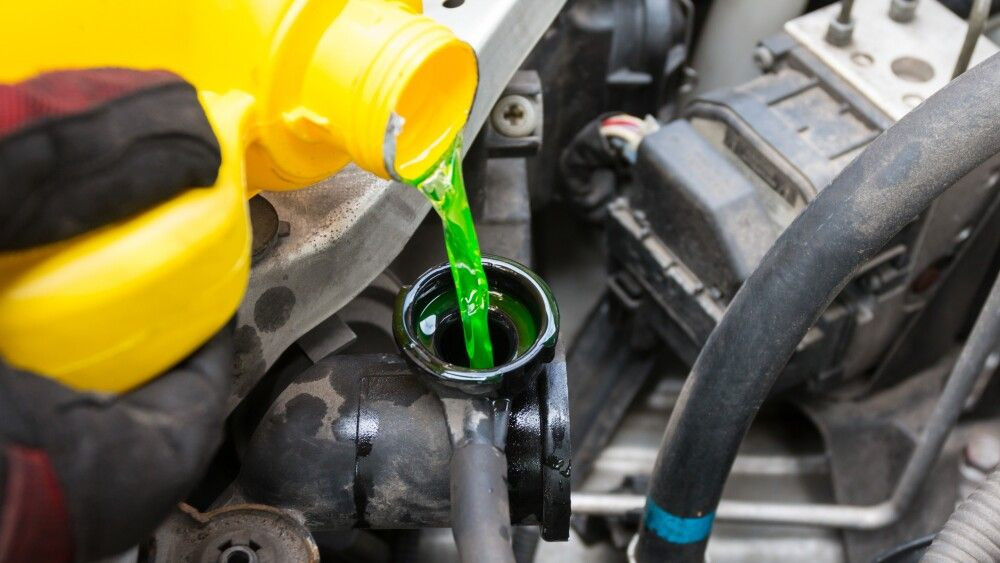
Refill the Coolant
Fix your low coolant levels by topping up with the appropriate coolant for your vehicle. If it is old or contaminated, bleed the entire system and replenish it with fresh coolant.
Replace the Sensors
Say goodbye to your malfunctioning ECT sensor and replace it with a new one. Just make sure that the replacement is compatible with your vehicle to ensure more accurate readings in the future.
Other Codes Related to P0128
A P0128 code may only be part of a bigger problem. When diagnosing your vehicle, it’s best to be aware of other related trouble codes that may indicate a more complex issue.
P0116: Engine Coolant Temperature Sensor 1 Circuit Range/Performance Problem
This code signifies a faulty engine coolant temperature sensor circuit. A problem with your ECT sensor can mislead the ECM into thinking that the engine is not performing at the right temperature. This might lead to other issues, such as incorrect fuel delivery and emissions control.
P0117: Engine Coolant Temperature Sensor Circuit Low Input
This code means that the coolant temperature sensor detects a low voltage reading due to the engine being colder than it should be. This reading also prevents the engine from reaching its usual operating conditions, reduces fuel efficiency, and increases exhaust emissions.
P0125: Insufficient Coolant Temperature for Closed Loop Fuel Control
This code indicates that the engine has not reached the required temperature for the ECM to enter Closed Loop mode. In this mode, the ECM relies on sensor feedback to optimize fuel efficiency and emissions. If the coolant temperature remains too low, it suggests a problem such as a stuck-open thermostat, insufficient coolant, or a faulty ECT sensor.
P0126: Insufficient Coolant Temperature for Stable Operation
This code is stored when the engine fails to reach its required operating temperature within a specified time, indicating an issue that prevents the engine from warming up properly. This can be caused by a failing thermostat stuck open or a malfunctioning coolant system. A struggling engine leads to unstable operation, often characterized by extended warm-up times, increased engine wear, and inefficient engine performance.
FAQ
How long can you drive with a P0128 Code?
You can drive with a P0128 code for a short time, but it’s important to address the issue promptly. This code indicates that the engine is not reaching the proper operating temperature, which can lead to poor fuel efficiency, reduced engine performance, and potential strain on the cooling system. Ignoring it could eventually cause more severe problems, such as engine wear or damage to components like the catalytic converter.
Will a P0128 code clear itself?
In most cases, a P0128 code will not go away completely until you address the root of the problem. The code might reset after a few drive cycles if the engine continues to operate at its normal expected temperature, but that’s a big “if.”
Is code P0128 serious?
P0128 is not necessarily an immediate emergency, but It’s still a serious issue that needs timely attention as it can affect your vehicle’s performance. If left unaddressed, it can lead to further damage to the cooling system and potentially more expensive repairs in the future.