
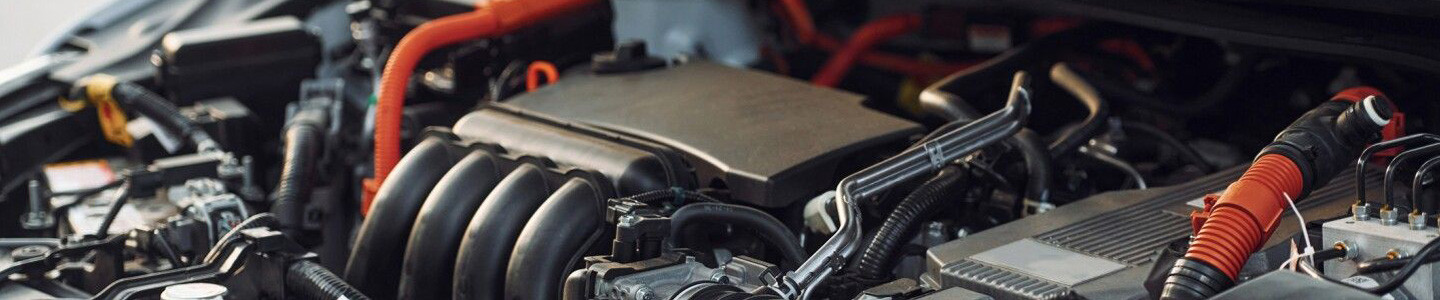
The P0300 code is a common engine trouble code generated by a vehicle’s onboard computer system. It refers to multiple engine misfires, which can happen for many different reasons. This guide will break down all the pertinent details about this code, including symptoms and causes, as well as tips on how to resolve it.
What Does Code P0300 Mean?
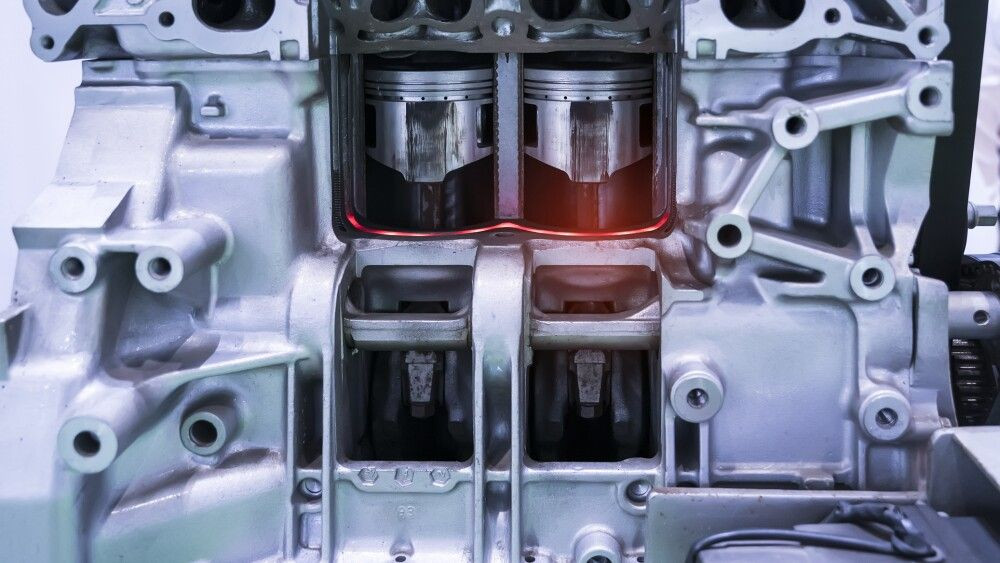
Code P0300 means that some or all of the engine cylinders are repeatedly but intermittently misfiring. When a cylinder misfires, the engine speed fluctuates; the powertrain control module (PCM) or engine control module (ECM) detects the misfire(s) by continuously comparing the ongoing crankshaft position sensor pattern with a normal pattern that it has stored in memory.
This triggers the P0300 engine code.
What Causes Code P0300?
A code P0300 can be stored due to different causes, but poor-quality fuel is one of the most common culprits. Air bubbles in the fuel or clogged fuel injectors are also likely causes of a P0300 code.
Other known (but less common) causes of code P0300 include damaged or worn cylinder head gaskets, engine valves, valve springs, and a timing belt or timing chain. Vacuum leaks severe enough to disrupt the engine’s optimal fuel-air ratio can also lead to a misfire and trigger the code.
- Poor quality fuel
- Air bubbles in the fuel
- Clogged fuel injectors
Poor Quality Fuel
E85 (ethanol) fuel accidentally pumped into a non-flex fuel vehicle can cause a P0300.
Furthermore, low-quality fuel often contains impurities and contaminants that cause the cylinders to intermittently fire early or not at all.
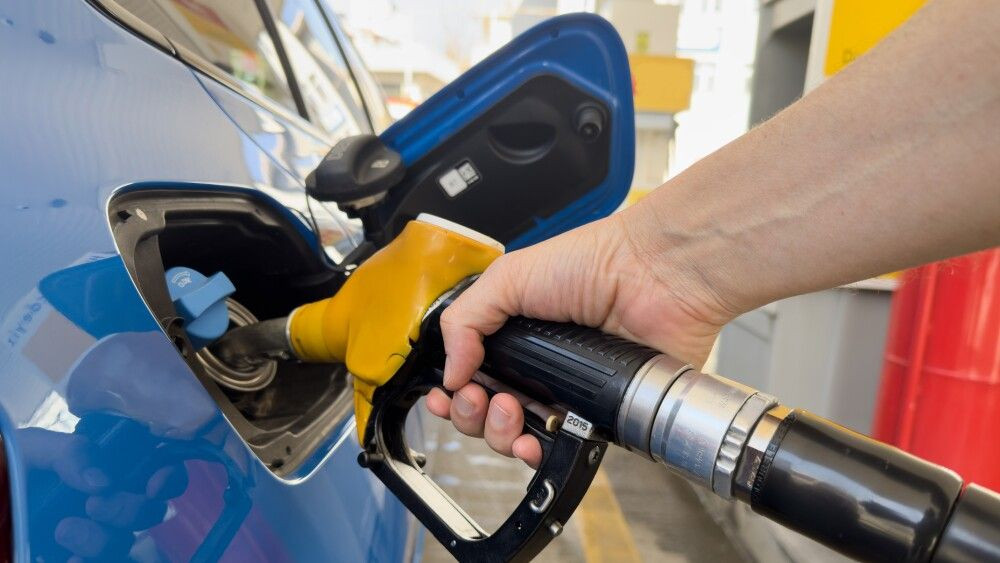
Air Bubbles In The Fuel
Air bubbles can contaminate your vehicle’s fuel supply through a faulty fuel pump or a leak in the fuel lines and fittings. This can prevent the fuel from mixing properly with the air and result in a misfire.
Clogged Fuel Injectors
Fuel impurities and contaminants (most particularly, rust particles) may be small enough to pass through the fuel filter and build up in the fuel injectors. Over time, this will restrict proper fuel flow and cause multiple cylinders to misfire.
What are the Symptoms of Code P0300?
The symptoms of a code P0300 will also vary, with several being easy to spot. In most cases, you’ll probably be made aware of the issue due to the illuminated check engine light or the strange noises coming from the engine.
Reduced engine performance and efficiency are other common signs of an engine code P0300.
- Check engine light is on
- Misfiring that feels like a rough idle
- Poor acceleration
- Increased fuel consumption
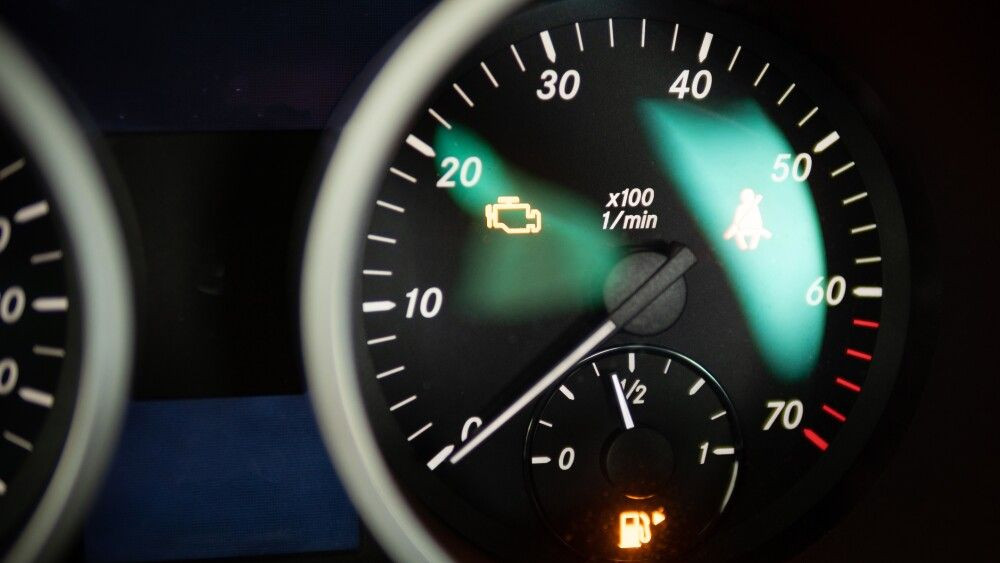
Check Engine Light is On
An illuminated engine light is often the first sign of a cylinder misfire. The PCM tends to detect a misfire before you can even feel it. In fact, you may never feel it or discern any other symptoms.
A code P0300 might also cause the check engine light to flash repeatedly, although this happens rarely and indicates a severe engine issue.
Misfiring That Feels Like a Rough Idle
Usually, the misfires that trigger a P0300 rather than a code related to a specific cylinder are rather gentle and may just feel like a rough idle or a gentle surge while driving.
Poor Acceleration
If the condition moving from cylinder to cylinder is serious enough, the power imbalance can also cause the engine to hesitate. The engine might also shake or vibrate, especially when driving uphill or accelerating rapidly.
Increased Fuel Consumption
Misfiring cylinders can cause the engine to consume more fuel just to sustain power output. This can also lead to increased emissions, which can be problematic if you’re trying to pass an emissions test.
How to Diagnose Code P0300
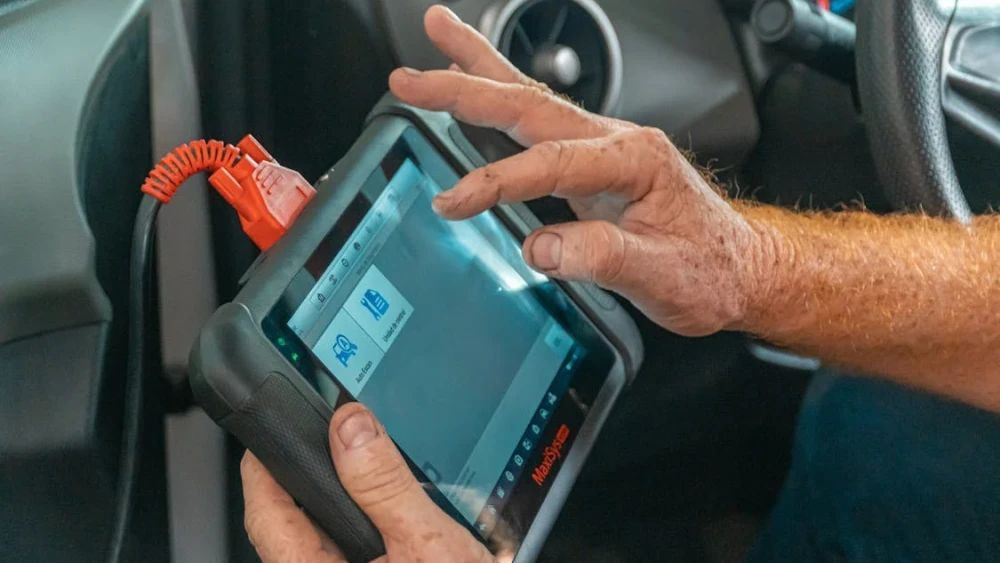
Learning how to diagnose code P0300 may seem daunting if you’re a beginner, but it’s relatively straightforward if you have the right tools.
Locate Your Vehicle’s OBD-II Port
The location of the OBD-II port varies depending on the vehicle, but it’s commonly found under the dashboard on the driver’s side.
Connect the OBD-II Scanner
Plug in the connector of your OBD-II scanner to its designated port on your vehicle. Make sure that it’s secured properly.
Turn the Ignition to the “ON” Position
Switch the ignition key to the “ON” position. You don’t need to start the engine.
Switch the Scanner On
Press the designated button on the OBD-II scanner to turn it on. Use the scanner’s controls to start scanning the vehicle’s computer.
Review the DTC
The scanner will display the diagnostic trouble code (DTC) stored by the onboard computer.
How to Fix Code P0300

If your OBD-II scanner does confirm the problem as a cylinder misfire, here are the steps on how to fix code P0300 in your vehicle:
Check Your Fuel Quality
Make sure your vehicle is using the right type of fuel and is free of contaminants. It’s also recommended to check the fuel injectors, fuel pump, and fuel filter to determine if they need cleaning or replacement.
Do a Compression Test
Conduct a compression test to check if the engine is compressing the right amount of air and fuel. A high compression result might indicate carbon buildup in the combustion chamber, while low compression might be due to a damaged head gasket or piston rings.
Search For Vacuum Leaks
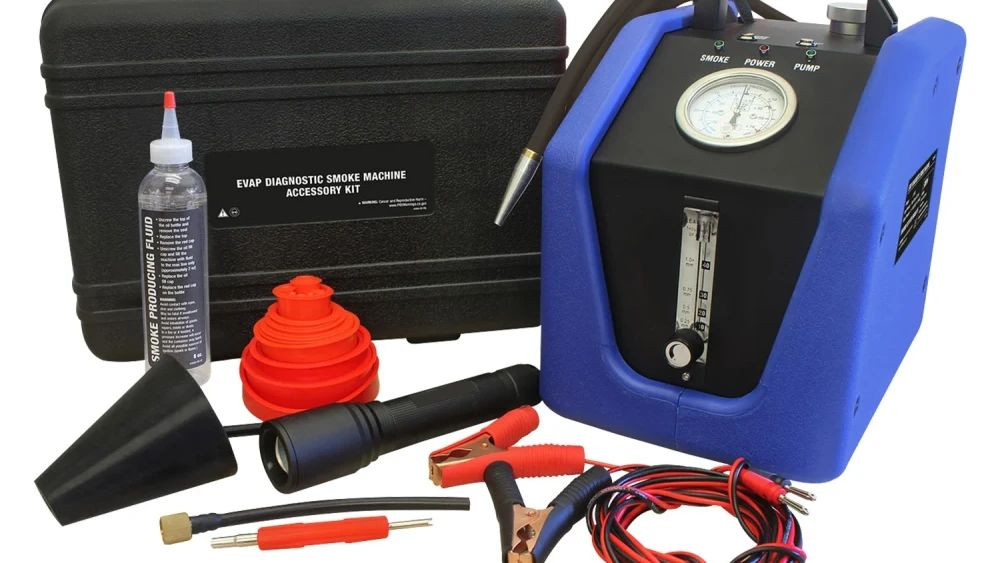
An EVAP smoke machine or a similar leak detection device can be used to check the engine for leaks. If present, it should be sealed or the affected component replaced immediately.
Check the Ignition
Check the spark plugs, ignition coils, and other ignition parts of the affected cylinders for damage or wear. You can also try switching the ignition components to a different cylinder; if the engine code also switches cylinders, it might be the likely source of the misfire.
Test the Sensors
Check the MAF sensor and oxygen sensor readings on the scan tool live datastream for possible in-range failures that may not set a code for that sensor.
After completing these steps, use your OBD-II scanner again to clear the P0300 code and start the vehicle. If the code still appears, the cause of the problem might be more serious and may require professional repair.
Other Codes Related to P0300
Other codes related to P0300 are usually ones that indicate which cylinders are causing the misfire. For example, code P0301 indicates that the first cylinder has misfired, while P0302 indicates a misfire in the second cylinder, and so on. These codes are useful in pinpointing the specific cylinders affected and making accurate repairs.
FAQ
Is it OK to drive with a P0300 code?
It is not recommended to drive a vehicle with a P0300 code, but it probably won’t hurt anything unless you can feel the misfire.
Can a bad catalytic converter cause a P0300 code?
Yes, a faulty catalytic converter can create enough backpressure to disrupt engine timing and cause a misfire. However, it is more likely to trigger an engine code related to catalyst system efficiency, such as P0420 or P0430.
Can bad gas cause the P0300 code?
Yes, contaminated or poor-quality fuel can disrupt the combustion process and cause the engine to misfire. However, bad gas can also lead to other issues, such as sudden loss of power, engine stalling, and damaged fuel filters.