

Few things are more frustrating than getting into your vehicle only to find that it won’t start. Whether your car cranks but doesn’t start, or nothing happens when you turn the key, the issue could be anything from an empty gas tank to more complex electrical or mechanical problems.
If you’re facing this issue, keep reading to discover the most common reasons cars fail to start, along with troubleshooting tips to help you get back on the road quickly.
18 Reasons Why Your Car Won’t Start
As mentioned, there are many reasons why a car won’t start—which is why it can be difficult to pinpoint the exact cause without understanding the symptoms and the underlying issues. Below are some common reasons why your car may not start and how to address each one.
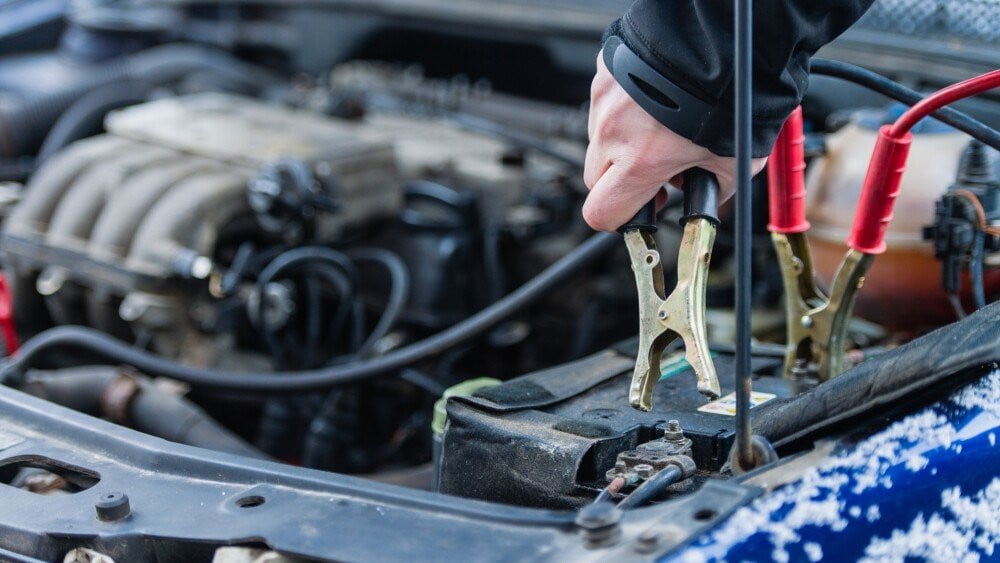
Dead or Faulty Battery
A dead or weak battery is one of the most common reasons a car won’t start. The battery supplies power to the starter motor and ignition system—both of which are necessary for starting the engine. Batteries can fail due to age, extreme temperatures, or when you leave the lights and accessories on when the engine is off and the alternator can’t keep it charged.
When the battery doesn’t have enough juice, it can’t provide the necessary power to crank the engine. This may result in a clicking sound when you turn the key, or even no response at all.
To fix this issue, try jumpstarting the car with jumper cables and a functioning vehicle. If the engine starts after a jump, it’s a sign that the battery is the problem. It’s advisable to have the battery tested at an auto parts store or by a professional. If the battery is old or can’t hold a charge, replacing it is the best course of action.
Bad PCM
The powertrain control module (PCM) is the vehicle’s main computer that controls engine and transmission management, along with other vital functions. If the PCM fails or malfunctions, it can prevent the engine from starting by disrupting fuel delivery and ignition timing. Other signs of a bad PCM may include engine stalling, poor performance, or dashboard warning lights.
A faulty PCM interrupts the communication between various sensors and actuators, making it impossible for the engine to operate correctly. Without proper signals, essential components like fuel injectors and ignition coils won’t function, leading to a no-start condition.
Diagnosing a bad PCM requires diagnostic equipment like an OB-II scanner to read error codes and assess the module’s functionality. To really nail down if the PCM is bad, it’s always advisable to consult a professional mechanic or dealership. Repair options may include reprogramming the PCM or replacing it entirely if it’s beyond repair.

Faulty Spark Plugs
Spark plugs ignite the air-fuel mixture in the engine’s cylinders. Worn or damaged spark plugs can fail to produce the necessary spark, causing the engine not to start. When spark plugs are faulty, the combustion process is disrupted, preventing the engine from generating power. This lack of ignition means the engine can’t start or may start and run poorly.
Inspect the spark plugs for wear, corrosion, or damage. If they’re dirty or worn out, replacing them is a straightforward and cost-effective solution. Consult your vehicle’s manual for the correct type and gap specifications when installing new spark plugs.
Ignition Switch Problems
The ignition switch powers the vehicle’s electrical systems and signals the starter motor to crank the engine. If the ignition switch is faulty, turning the key may result in no response or intermittent power loss.
A malfunctioning ignition switch disrupts the electrical pathway necessary for starting the engine. Without this connection, the starter motor won’t receive the signal to engage, preventing it from even trying to turn over.
Testing the ignition switch often involves checking for voltage at various terminals using a multimeter. If the switch is defective, it will need to be replaced. Due to the complexity of the steering column and airbag systems, professional replacement is typically recommended.
Faulty Starter Motor
The starter motor turns the engine over, initiating the combustion process. If the starter motor is faulty, you may hear a clicking sound when turning the key, but the engine won’t crank. This indicates the starter isn’t engaging with the engine’s flywheel.
A bad starter motor can’t provide the mechanical action needed to start the engine. Without it, the engine remains stationary, and combustion can’t begin.
Before you blame your starter motor, make sure your car’s battery is fully charged, as a weak battery can mimic starter issues. If the battery is fine, the starter motor may need to be tested and replaced. This typically involves removing the old starter and installing a new or remanufactured unit.
Bad MAF Sensor
The mass airflow (MAF) sensor measures the amount of air entering the engine to ensure the correct air-fuel mixture. If the MAF sensor isn’t working properly, the engine may receive too much or too little fuel, disrupting combustion. This imbalance can prevent the engine from starting or cause it to run inefficiently.
Inspect the MAF sensor for dirt or debris and clean it with a specialized cleaner if necessary. If cleaning doesn’t resolve the issue, the sensor may need to be replaced.
Always handle the MAF sensor carefully to avoid damage.

Empty Gas Tank
While it may seem obvious, an empty gas tank is a very common reason a car won’t start. Faulty fuel gauges or even overlooking the fuel level can lead to an unexpected empty tank.
As you know, the engine requires fuel to start and run, and when the tank is empty, the engine has no fuel to ignite. You might notice sputtering sounds just before the engine shuts off completely.
If this is the case with your vehicle, simply refuel it with the appropriate type of gasoline. If the fuel gauge is faulty, have it inspected and repaired to prevent future mishaps. Keeping track of your mileage can also help avoid running out of fuel unexpectedly.
Bad Alternator
The alternator charges the battery while the engine is running and powers your vehicle’s electrical systems. A failing alternator can’t recharge the battery, leading to a drained battery and a car that won’t start. Signs of a bad alternator include dimming headlights, electrical issues, and warning lights on the dashboard.
Without a functioning alternator, the battery loses its charge, and the starter motor can’t crank the engine. This results in the vehicle not starting despite a seemingly healthy battery.
Test the alternator’s output with a multimeter to confirm that it’s not charging the battery adequately. If faulty, the alternator should be replaced. This task can be performed by a knowledgeable DIYer or a professional mechanic.
Faulty Key Fob or Immobilizer System
Modern cars often use key fobs and immobilizer systems for security. If the key fob’s battery is dead or the immobilizer system malfunctions, the car may not recognize the key, preventing it from starting. These security features disable the engine to prevent theft. When they fail, they can inadvertently keep you from starting the car.
Replace the key fob battery and try starting the car again. If issues persist, you may need to reprogram the key or reset the immobilizer system, which often requires a visit to the dealership or a specialized locksmith.
Blown Fuse
Fuses protect the vehicle’s electrical circuits. A blown fuse in critical systems like the ignition or fuel injection can prevent the car from starting. Signs include loss of function in specific electrical components. If a fuse is blown somewhere in the ignition system, it may not signal the vehicle to send power to the starter. Without this communication, the engine won’t crank or start.
Locate the fuse box and identify any blown fuses by inspecting for broken filaments or discoloration. Replace faulty fuses with ones of the same amperage.
If fuses continue to blow, it may indicate a deeper electrical issue requiring professional diagnosis.

Clogged Air Filter
The engine air filter prevents dirt and debris from entering the engine. A clogged filter restricts airflow, leading to a rich fuel mixture and potential starting problems. An imbalance between the amount of air and fuel, along with insufficient airflow on its own, disrupts the combustion process, making it difficult for the engine to start or run smoothly.
Remove the air filter and inspect it for dirt and debris. If it’s dirty or clogged, replace it with a new one. Regularly replacing the air filter as part of routine maintenance can prevent this issue.
Corroded Battery Terminals
Corrosion on the battery terminals hinders the electrical connection between the battery and the vehicle. This can lead to insufficient power to the starter motor, resulting in a no-start condition. Visible signs include white or greenish buildup on the terminals.
Poor electrical contact due to corrosion prevents the necessary current from flowing, which is essential for starting the engine.
To resolve this issue, disconnect the battery cables and clean the terminals with a wire brush and a solution of baking soda and water. Ensure all corrosion is removed before reconnecting.
Applying a thin layer of petroleum jelly can prevent future corrosion.
Fuel System Issues
The fuel system includes components like the fuel pump, fuel filter, and fuel injectors. Problems such as a clogged fuel filter or a failing fuel pump can restrict fuel flow to the engine. And without adequate fuel reaching the combustion chambers, the engine cannot start because there’s nothing to ignite.
To troubleshoot this issue, start by checking the fuel pump fuse and relay. If those are functional, test the fuel pressure to determine if the pump is working properly. Replacing a clogged fuel filter or a faulty fuel pump can restore proper fuel flow.
For fuel injector issues, you can try using a cleaning additive to remove minor clogs. For severe blockages or mechanical failures, the injectors may need to be professionally cleaned or replaced.
Faulty Camshaft or Crankshaft Position Sensors
The camshaft and crankshaft sensors provide critical information about the engine’s position to the PCM. If either sensor fails, the engine may not start or could stall unexpectedly. If it cannot receive accurate data from these sensors, the PCM can’t manage ignition timing or fuel injection, preventing the engine from starting.
Use a diagnostic scanner to check for error codes related to these sensors. If faulty, they will need to be replaced. Sensor replacement typically requires basic tools but may involve tight spaces in the engine bay.

Transmission Not in Park or Neutral
For automatic transmissions, the car must be in ‘Park’ or ‘Neutral’ to start. If the gear selector is misaligned or the neutral safety switch is faulty, the vehicle won’t start as a safety precaution. Symptoms include no response when turning the key. The car’s system prevents the engine from starting when in gear to avoid unintended movement.
Ensure the gear selector is fully in ‘Park’ or ‘Neutral.’ If the issue persists, the neutral safety switch may need adjustment or replacement. Consult a mechanic to diagnose and fix switch-related problems.
Security System Lockout
An activated or malfunctioning security system can prevent the car from starting. This may occur after attempting to start the car with the wrong key or due to a glitch in the system. The security system disables the ignition or fuel systems to prevent theft, but malfunctions can also lock you out.
Refer to the owner’s manual for instructions on resetting the security system. This may involve using a backup key or performing a specific sequence of actions. If unresolved, professional assistance may be required to reset or repair the system.
Vapor Lock
Vapor lock occurs when fuel vaporizes in the fuel line, preventing liquid fuel from reaching the engine. This is more common in older vehicles and hot weather conditions. If fuel is unable to reach the engine due to this vapor lock, it won’t be able to maintain combustion, leading to starting difficulties.
Allow the engine to cool down so the fuel can condense back into liquid form. Insulating the fuel lines and using high-octane fuel can help prevent vapor lock.
In persistent cases, consult a mechanic for potential modifications to the fuel system.

Bad Timing Belt
The timing belt synchronizes the engine’s camshaft and crankshaft. A broken or slipped timing belt means the engine’s valves and pistons are no longer in sync, preventing the engine from starting.
Timing is one of the most crucial components of a well-running engine, and without everything being properly synchronized, the engine can’t perform the combustion cycle, making starting impossible.
Inspect the timing belt for signs of wear, cracks, or breaks. Replacing a timing belt is a complex task that often requires professional service. Regular maintenance according to the manufacturer’s schedule can prevent sudden failures.
FAQ
Why won’t my car start when it’s cold?
Cold temperatures can thicken engine oil and slow down chemical reactions in the battery, making it harder to start the car. Older batteries are especially susceptible to cold weather. Using a battery warmer or parking in a garage can help mitigate this issue.
Why does my car have power but won’t start?
If the lights and electronics work but the engine won’t start, the issue might be with the starter motor, ignition switch, neutral switch, or a sensor like the crankshaft position sensor.