

The Short Version: The best time to replace an alternator is when it starts showing signs of wear and tear, long before it completely fails and causes the car to shut off. When an alternator is working properly, a multimeter attached to the vehicle’s battery should show 13.5 to 14.8 volts while the engine is running. Anything outside of this range is a good indication that the alternator is under- or overcharging the system and may be in need of replacement.
An alternator is a crucial part of a vehicle’s electrical system, responsible for powering accessories and keeping the battery charged. Without a functioning alternator, the car’s battery would quickly run out of juice and die in its tracks, leaving the driver and occupants stranded. Knowing when an alternator is going bad, when it’s time to replace it, and how to do it can prevent unexpected breakdowns and ensure smooth vehicle operation.
This guide will dive into everything there is to know about an alternator, including how it works, signs of wear and tear, how to test it, and more. Having experienced two alternator failures in the last six years where I was left stranded on a highway on cross-country road trips, I know just how important a reliable alternator is. So let’s dive in.
How to Tell if an Alternator is Bad

Identifying the symptoms of a failing alternator early can prevent unexpected breakdowns and costly repairs. Here are some of the most common symptoms of a bad alternator that are good signs that it’s time to get it checked out.
Dimming or Flickering Lights
This is one of the early signs of a failing alternator. Insufficient power from the alternator can cause noticeable problems with the vehicle’s interior and exterior lights, such as dimming or flickering. They may also go out completely.
Warning Lights on the Dashboard
Another indicator of a bad alternator is the illumination of dashboard warning lights? – particularly the battery light. When this light comes on, it usually signals a problem within the vehicle’s charging system.
Dead Battery
A tell-tale sign of a failing (or failed) alternator is a dead battery. The alternator is responsible for replenishing the battery’s charge, so when the former malfunctions, the latter will not receive the necessary charging voltage, causing it to lose power over time.
Difficulty Starting the Vehicle
If a vehicle has difficulty starting, especially after being parked for a short period, it may be due to an alternator that isn’t recharging the battery. A failing alternator may not be able to maintain the battery’s charge. As a result, even a short period of inactivity can cause the battery’s voltage to drop below the level required to start the engine.
Fading Electrical Functions
Once an alternator fails, the battery can still power the car for a short period of time before functions start failing and the vehicle eventually dies. Typically dash lights will start to flicker or go out, power windows will strain to operate, and the radio will cut out.
After this starts, there’s usually around 30 to 60 minutes before the car dies – and that’s if the battery is in good shape. After going through this multiple times myself, I know the importance of using this limited amount of time to either find a shop nearby or at least get off the main road or highway.
When to Replace an Alternator
It’s always better to replace an alternator before it fails completely. Watch out for some of the earlier symptoms, like those listed in this article. Or better yet, test the alternator regularly to find out if it’s time to swap it out for a new one.
How to Test an Alternator with a Multimeter
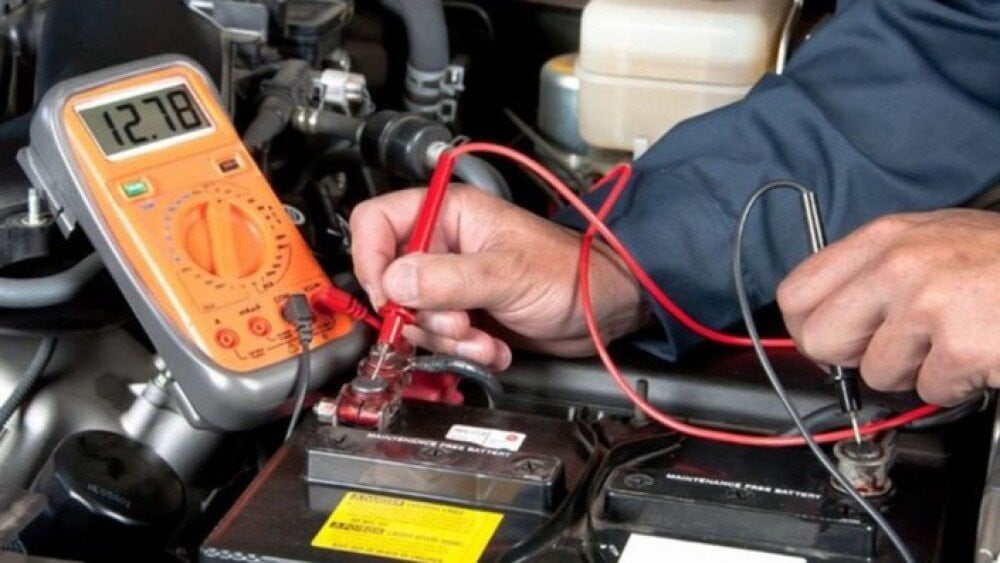
The easiest way to test an alternator is with a multimeter. A relatively cheap and effective tool, a multimeter can be used to measure the voltage output of an alternator to determine if it’s within the normal or expected range.
Here’s how:
- Check the battery voltage with the engine off. It should measure between 12.6 and 12.8 volts, indicating a fully charged battery.
- Start the engine and recheck the battery voltage. A properly functioning alternator should raise the voltage output to around 13.5 to 14.8 volts while the engine is running.
- If the voltage remains the same or does not increase with the engine running, it suggests the alternator is not charging the battery.
- Conversely, if the voltage exceeds 14.8 volts, it indicates the alternator is not regulating itself correctly and may be overcharging the electrical system.
Another way to test an alternator is to perform a load test. This can also be done at home with a multimeter, though most auto parts stores may perform this service free of charge. For this test, the alternator’s output is checked under various load conditions, such as when the engine is revved or when the air conditioning, headlights, radio, and other accessories are turned off and on.
A properly functioning alternator should keep the battery voltage within the specified range under these various conditions. Otherwise, there’s a good chance the alternator is failing.
How to Replace an Alternator
The process of replacing an alternator varies between vehicle makes and models, but the general steps are the same in most cases. It usually requires common tools such as a socket set and wrenches, along with the aforementioned multimeter.
DIYers with intermediate experience working on cars can usually handle an alternator replacement, though some cars are notoriously difficult to work on. On average, replacing an alternator can take between two to four hours, depending on the vehicle and experience level.
Here are the typical steps needed to replace an alternator:
- Ensure the vehicle is parked on a level surface and the engine is cool. Always disconnect the negative battery cable to prevent shorts.
- Locate the alternator, which is usually mounted near the front of the engine and driven by the serpentine belt, and remove any components or covers obstructing access to it.
- Release the tension on the serpentine belt by rotating the tensioner pulley and slipping the belt off the alternator pulley.
- Disconnect the electrical connectors from the alternator, including the main power cable and smaller control wires, which may include connections to the starter.
- Remove the mounting bolts securing the alternator to the engine.
- Install the new alternator by reversing the removal steps. Position the new alternator in place and secure it with the mounting bolts. Reconnect the electrical connectors, ensuring they are securely attached.
- Reinstall the serpentine belt (I always recommend throwing on a new serpentine belt during this repair, since there’s no additional labor involved and there’s a good chance the old one was ready to go anyway).
- Reconnect the negative battery cable and start the engine to test the new alternator. Verify the voltage output matches the specified range (13.5 to 14.8 volts) with the engine running.
Note: While many alternators are accessible from above and can be replaced quickly, some vehicles may require additional steps such as removing a wheel, front hub assembly, or lowering part of the subframe. In such cases, it’s advisable for inexperienced DIYers to seek assistance from a professional mechanic.
How Does an Alternator Work?
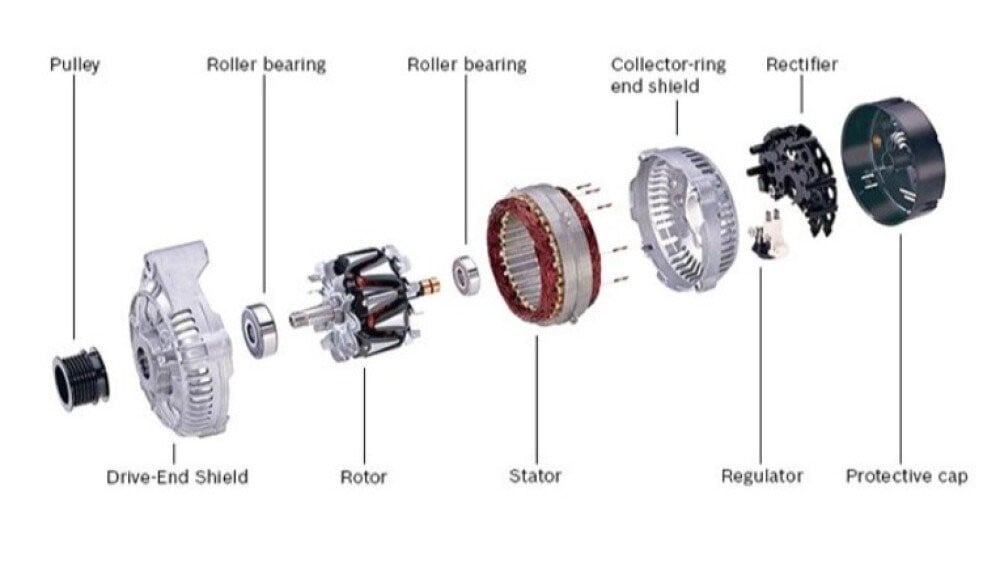
In short, an alternator generates electricity by converting the engine’s rotational energy into electrical energy via electromagnetic induction. Coming from my perspective as an engineer, alternators are one of the most interesting parts of a car, generating electricity to keep everything running right. They may look simple, but a lot is going on inside.
The alternator consists of several major components that work together to make this happen, including the pulley, rotor, stator, voltage regulator, bearings, and housing. As the engine runs, it drives the alternator pulley via a belt connected to the crankshaft.
This pulley then spins an internal electromagnetic core called the rotor, which generates a magnetic field as it turns. This magnetic field sweeps past the wire coils that make up the stator, and an electrical current is induced, which then gets directed to the vehicle’s electrical and charging systems.
In addition to the parts that actually generate the electricity, a built-in voltage regulator ensures that the voltage output remains within the optimal range to prevent overcharging or undercharging the battery. There are also bearings within the alternator that allow the rotor to spin smoothly, and the housing and cap protect these internal components from the elements to extend the alternator’s life as much as possible.
Over time, the various parts of the alternator can wear out due to heat, moisture, and the demand from any additional electrical accessories. Recognizing signs of wear and tear and addressing alternator issues before complete failure can help the vehicle run reliably.
What Causes an Alternator to Go Bad?
Mechanical Wear and Tear
The most common cause of alternator failure is normal wear and tear, with the bearings being the biggest culprit. Designed to allow the rotor to spin freely, the bearings can eventually degrade due to friction and heat. Once the bearings begin to fail, the rotor won’t spin as freely and the alternator will not produce electricity as efficiently, causing it to overwork itself and wear out even faster, leading to complete failure.
Electrical Systems Demand
Another common issue with alternators is the demand from various accessories and other parts of the electrical system. Things like aftermarket stereo systems, GPS units, radar detectors, dash cameras, and other extra accessories can cause the alternator to work more than it needs to.
Alternators also wear out faster when electrical-heavy features like air conditioning and defrosters are frequently used. These systems require significant electrical power to operate, which forces the alternator to work much harder.
Exposure to the Elements
Despite protective housings and caps, alternators are not entirely shielded from the elements. Over time, humidity and moisture can penetrate these protective barriers and cause corrosion of internal components. Corrosion compromises the alternator’s functionality and can eventually lead to failure.
Find Everything Needed to Replace an Alternator at CARiD
Once an alternator starts failing, it’s time to swap it out for a new one before getting stranded, and CARiD has everything needed for the job. Finding the alternator itself is easy since CARiD’s website allows you to search for parts by year, make and model. This ensures you always get the right part, because nothing is worse than going through the process of getting the old alternator out, only to realize the new one doesn’t match.
Beyond the alternator, CARiD and its sister site TOOLSiD have all the tools needed to do the repair, including socket sets, wrenches, and multimeters, not to mention that new serpentine belt to ensure a complete fix. Plus, CARiD’s 24/7 chat feature connects customers with experts who are always ready to assist, ensuring you get the right parts and tools to get the job done.
FAQ
Can a Car Run with a Bad Alternator?
Yes, but only for a short time. Turning off unnecessary accessories like the radio and HVAC system can help you conserve what little juice you have left, but if the battery is completely depleted, the car will die.
Do Alternators Fail Suddenly?
Alternators usually weaken over time, but a severe mechanical failure, water incursion, or physical damage (which might occur when hitting debris on the road) can certainly cause a sudden alternator failure.
How Long Will a Car Run with a Bad Alternator?
It depends on the type of vehicle, but a bad alternator will generally leave you with a completely dead battery in less than an hour. If the battery is in good shape, it will usually last for about 30 to 60 minutes after the alternator dies.
Can You Jump a Car with a Bad Alternator?
Jumpstarting a car with a bad alternator is possible, but only as a temporary fix. This may allow you just enough battery to get your car to the nearest mechanic, although you are likely to stall again. Instead, consider calling a tow truck or roadside assistance.
How to Tell if it’s the Battery or the Alternator?
A bad alternator and a dead battery can sometimes present similar symptoms, but one way to pinpoint the culprit between the two is to simply start your car. If the engine starts but dies right away, your alternator likely isn’t charging the battery enough to keep the engine running. If a jumpstart works but the car won’t restart on its own, you likely have a dead battery.
What is the Best Way to Tell if Your Alternator is Bad?
Checking your charging system with a multimeter or OBD-II scan tool can provide clues that an alternator is starting to weaken before any of the above symptoms start.
How Much Does it Typically Cost to Replace an Alternator?
The cost of replacing a bad alternator can vary depending on location, make, model, and the alternator’s brand. Due to how big of a price swing there can be from one repair to the next, we recommend using CARiD’s Shop-by-Service feature to find the right alternator and tools needed for the job. This only takes a minute or two and gives you an exact price.