
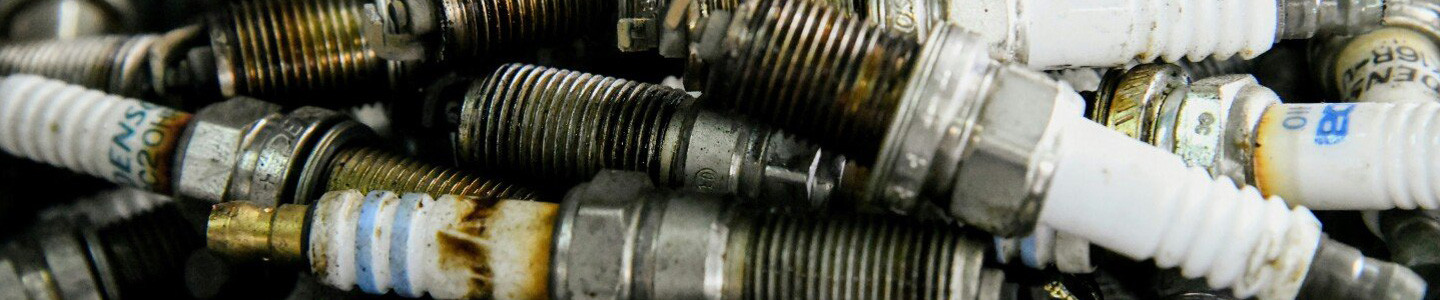
The Short Version: Spark plugs are an essential part of the ignition system that are not only important for starting the engine, but for keeping it running smoothly. When spark plugs start to wear out or foul, cylinders can misfire, leading to rough idle, poor performance, and reduced fuel economy. Once these issues start, it’s past time to replace the plugs, which is why most automakers recommend replacing them every 30,000 to 120,000 miles depending on the specific make and model.
Spark plugs are one of the most crucial parts of a vehicle’s ignition system, and they play a critical role in the smooth operation of an engine. Spark plugs are responsible for igniting the fuel-air mixture within the combustion chamber and firing the cylinders, helping ensure the engine runs efficiently. As with most other car parts, however, spark plugs can wear out and lead to various engine performance issues.
After working as a technician for the better part of a decade, bad spark plugs are one of the most common issues I’ve dealt with on nearly any make and model. While bad plugs can cause a slew of potential issues, it’s usually a relatively simple repair and one that many people can do on their own.
The key is understanding the signs of worn-out spark plugs and following manufacturer recommendations to replace them before they cause even more issues down the road. But before we get into that, it’s important to know how spark plugs function, since this will make diagnosing and fixing the issue much easier.
What Is A Spark Plug And What Does It Do?
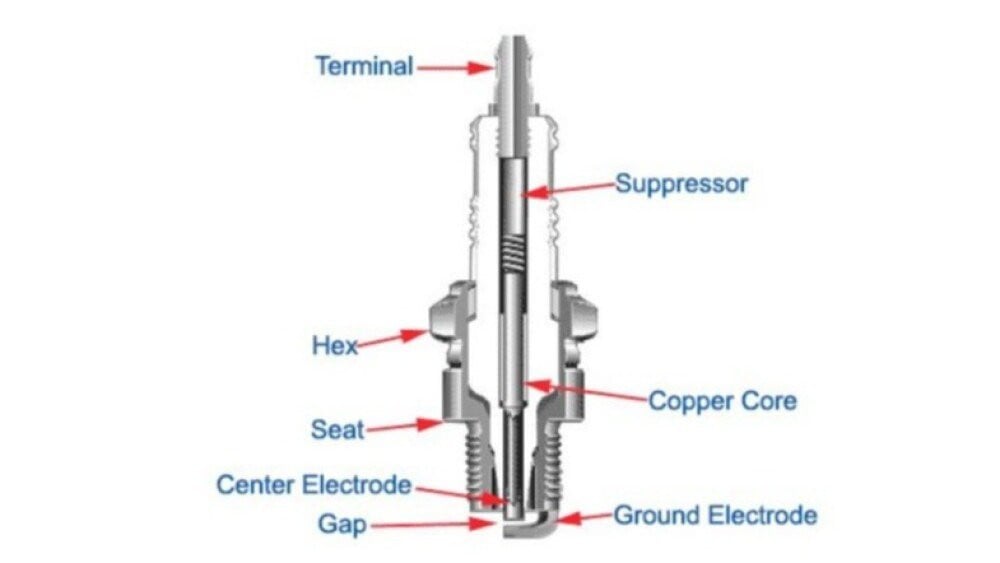
As mentioned above, the primary purpose of a spark plug is to ignite the fuel-air mixture inside the cylinder of an internal combustion engine. When the engine is running, the vehicle’s electrical system generates a high-voltage current that travels through the plug’s center electrode.
This, in turn, fires a spark that ignites the fuel-air mixture and causes a small explosion, working in conjunction with the injectors and air intake. This controlled explosion fires the cylinders, pushing the pistons down in the cylinder, and transferring chemical energy into mechanical energy.
Due to their location inside the engine and the fact that they create controlled explosions constantly, spark plugs must be durable enough to stand up to extreme conditions. The electrode is typically made of copper, nickel, platinum, or iridium, with the latter two being even more durable and capable of operating at higher temperatures. The outer shell of the plug is usually steel, which holds up well to heat and pressure. Lastly, an insulator made of ceramic material ensures the spark is directed where it needs to go without arcing to other engine parts.
Operating in this hostile environment, spark plugs can wear out over time. The electrodes can erode, and deposits such as carbon, oil, and fuel additives can build up, reducing the plug’s effectiveness or ability to fire at all, leading to misfires and poor engine performance. That’s why it’s so important to know how to tell when spark plugs start going bad.
Symptoms Of A Bad Spark Plug
One of the most common signs of failing spark plugs that’s easy to feel is rough idling. When plugs aren’t firing properly, the cylinder won’t be running right, and the engine will run poorly, causing an irregular idle. If the plug is bad enough that the cylinder won’t fire at all, the engine will have a significant loss of power and feel like it’s stuck in the mud during acceleration.
Difficulty starting the engine is another sign that the spark plugs are going bad. If they’re worn out or fouled enough, the plugs may struggle to spark at all, preventing the engine from firing. This can lead to either prolonged cranking or a complete failure to start. In most cases, one bad spark plug won’t prevent an engine from starting, but it will run rough once it does fire.
Even if the vehicle seems to be running and idling fine, another symptom of bad plugs is reduced fuel economy. If a plug can’t generate a spark properly, the fuel-air mixture can’t be fully burned, and the driver must apply more throttle to get the same desired level of power. The unburned fuel gets wasted and dumped out of the exhaust, leading to worse fuel economy.
How Should I Check My Spark Plugs?
After experiencing any of the symptoms above, a visual inspection can confirm that it might be time to install new plugs. Though checking out the plugs is much easier in some vehicles than others, it’s usually relatively easy to get to them. In most modern cars, start by carefully pulling off the coil packs or spark plug wires to expose the spark plugs.
Examining the visible parts like the electrode and ceramic insulator for corrosion, cracks, or damage can be an easy place to start, but with the way spark plugs are designed, they really need to be removed for a complete inspection.
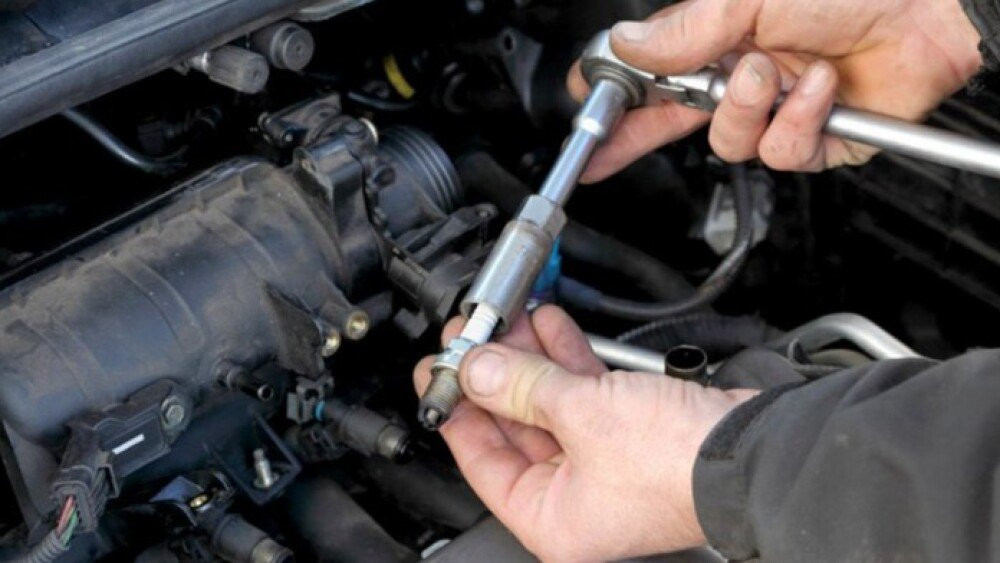
Though some vehicles are notorious for spark plugs breaking off inside the engine, most of the time it’s easy to pop them out with the right socket and wrench. Once they’re loosened and ready to come out, a telescoping magnet makes it easy to reach down into the engine and snag the plug. Simply pull it out and move on to the next, making sure to note which plug came from which cylinder so it’s easy to see which one was bad.
What Does A Bad Spark Plug Look Like?
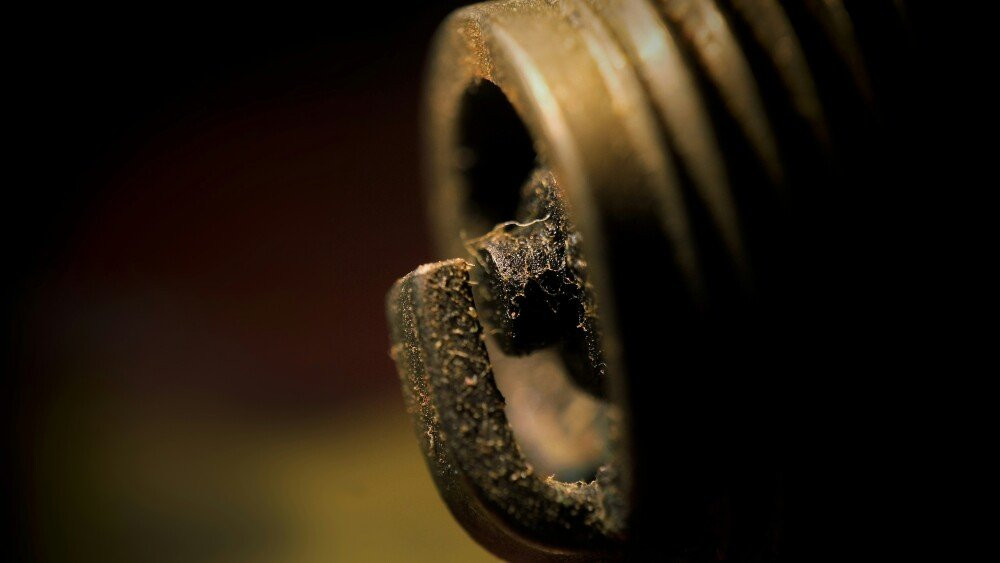
After removing all the plugs, examine them for signs of wear, corrosion, or fouling. A badly fouled plug will have carbon or fuel build-up on the bottom of the electrode, and everything will have a black tinge. If all of them look clean except one, that’s the culprit, and it can often be replaced without doing all the others, although if all of them have already been removed, it’s cheap insurance to just take care of the whole job at the same time.
Outside of just looking for discoloration, checking the gap between the center and side electrodes is a quick and easy way to make sure the plug is working right. In short, if the gap is too big or too tight, it’ll reduce the spark plug’s effectiveness. Once the plugs are out of the engine, this is easy to do with a gapper or gapping tool, and the proper gap can be found in the vehicle’s owner’s manual, typically between 0.028 and 0.060 inches.
How Often Should I Replace My Spark Plugs?
While waiting for a vehicle to start exhibiting these symptoms is a sure way to find bad plugs, replacing them based on manufacturer recommendations as preventative maintenance can help ensure there are fewer issues. Each automaker has its own plug replacement timeline for different models, with Ford often stating every 30,000 to 60,000 miles and Toyota suggesting up to 120,000 miles on a single set of spark plugs.
Regular spark plug replacement benefits the overall performance and health of a vehicle’s engine, which is why the old-fashioned tune-up has always included new plugs. The most basic benefit of spark plug maintenance is that it helps ensure the most optimal and consistent combustion process, leading to smoother engine performance and better fuel economy. With current fuel prices around the country, every little bit helps, and over the life of a set of spark plugs, they might even pay for themselves in fuel savings alone.
Consequences Of Ignoring Bad Spark Plugs?
In the worst-case scenario where bad or fouled spark plugs are not replaced and misfires begin, other engine issues can start to occur that may lead to more expensive repairs down the road. Consistently driving without all cylinders firing right can lead to damaged catalytic converters, the inability of the engine to start, pitting of the cylinder walls, and eventually, even complete engine failure.
Spark plug replacement is one of those relatively small repairs at first that’s easy to handle, but if left unaddressed for a long enough time, can cause significant problems that are expensive to repair.
Are There Different Types Of Spark Plugs?
Most commonly, spark plugs have electrodes with copper, iridium, platinum, or silver.
Copper plugs incorporate that metal into the nickel electrode and are the cheapest type, but they have shorter maintenance intervals than other types. They are good for forced-induction vehicles because of their “cooler” spark, which prevents premature detonation and knocking.
Silver spark plugs are more robust than copper plugs and have a longer life, as well as costing a bit more. They’re common in older performance vehicles.
Platinum-tipped spark plugs have a long life, typically lasting for 100,000 miles. Their high conductivity makes them ideal for modern vehicles with higher-voltage distributor systems.
Iridium spark plugs are the most expensive type, and they last a bit longer than even platinum tips.
Find Everything You Need to Replace Spark Plugs at CARiD
When it’s time to replace your spark plugs, CARiD makes it easy to find all the parts and tools you need to get the job done. With CARiD’s shop-by-service option, you can simply select spark plug replacement, enter the year, make, and model of what you’re working on, and the website will walk you through everything you need. CARiD and its sister site TOOLSiD have spark plugs from top brands like NGK and Bosch, along with tools like spark plug sockets, ignition coil pullers, plug gappers, telescoping magnets, and more.
If you have any questions about the tools and parts you need, you can use the 24/7 chat feature to talk with a specialist in real-time, ensuring you get the right parts the first time.
FAQ
What happens if you don’t change spark plugs?
Ignoring a bad spark plug can lead to misfires and rough running, along with a lack of power and increased fuel consumption.
How long should spark plugs last?
Each vehicle has a different maintenance interval for spark plugs, ranging between 30,000 miles on older models to 100,000 or more on some new vehicles.
Can I replace my spark plugs myself?
Yes! Replacing spark plugs is one of the easiest vehicle maintenance tasks, so even a novice DIYer can save a little money by performing the repair themselves.
How do I know which type of spark plug to use?
Some cars come with platinum- or iridium-tipped spark plugs from the factory, and their owner’s manuals (which can often be found online) will typically recommend that type specifically. Service booklets can also help specify which kind of spark plug to buy. Furthermore, CARiD’s 24/7 chat feature can make it easier to pick the right spark plug.
Is it necessary to replace all spark plugs at the same time?
Yes. Replacing just one or two spark plugs can lead to uneven firing and rough running. Besides, it’s much easier to do the entire job all at once than have to repeat steps for each individual plug.