

The Short Version: Replacing an engine air filter is one of the cheapest and easiest ways to keep the vehicle running as efficiently and smoothly as possible. Though it varies by year, make, and model, most manufacturers suggest replacing the air filter every 12,000 to 15,000 miles. For vehicles driven in dusty conditions or off-road more often, the air filter may need replacing far more frequently.
Keeping a vehicle’s engine air filter clean and clear is essential for ensuring optimal engine performance. The air filter acts as a barrier, preventing harmful debris, dirt, and other airborne contaminants from entering the engine and potentially causing damage. Despite how important it is – and how easy it typically is to replace – the air filter is one of those things that can be overlooked during normal routine maintenance.
Understanding when to replace the air filter can save drivers from potential engine issues down the road while simultaneously making the vehicle run better. As someone who worked as a technician for seven years, I’ve seen some of the nastiest air filters imaginable, and people were always amazed at how much better their cars ran after a quick clean and replacement filter. So here’s everything a DIYer needs to know about when to replace an air filter.
What is the Purpose of an Engine Air Filter?
Understanding What an Air Filter Does
An air filter’s primary job is to make sure that only clear air reaches the engine. By blocking dirt, dust, debris, and other particles, the filter stops these contaminants from making their way into the engine. If the filter doesn’t work right and this debris gets into the engine or mixes with the fuel and oil, it can cause abrasion and wear inside the engine.
Additionally, an air filter plays an important role in maintaining the proper air-to-fuel ratio the engine needs for complete combustion. If the filter is blocked or clogged, enough airflow might not make its way to the engine. Without enough air, incomplete combustion may occur, leading to increased fuel consumption and reduced performance.
Its Importance for Engine Health
A clean air filter is a major contributor to the longevity and performance of an internal combustion engine. Clean air is essential to the combustion process, and any contaminants or incorrect amounts of air can affect it. While a modern vehicle’s mass air flow sensor measures the amount of air coming in and the onboard computer calculates how much fuel to burn, restricted airflow will lead to a drop in performance.
In addition to performance issues, a neglected air filter can lead to more severe engine problems. As mentioned above, if these airborne contaminants make it past the air filter, they can get inside the engine and mess with its internal components, leading to costly repairs or even engine failure.
How Often Should an Engine Air Filter be Replaced?
Manufacturer Recommendations
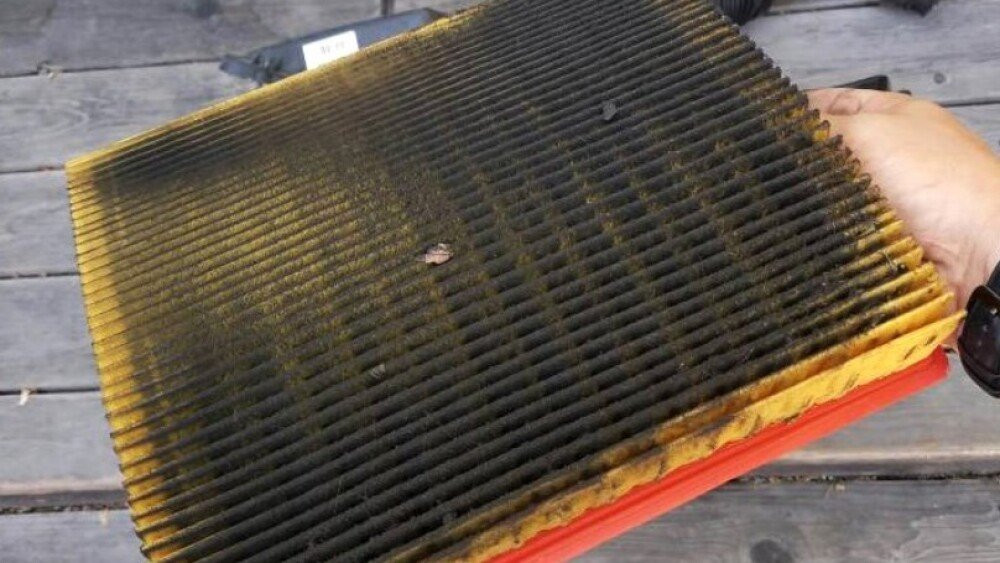
Vehicle manufacturers provide guidelines – usually found in the owner’s manual – on how often an air filter should be replaced. While these recommendations can vary based on the make and model of the vehicle, most manufacturers suggest replacing the air filter every 12,000 to 15,000 miles, on average.
For most drivers, this lines up with every three to four oil changes, and it’s a good idea to check the condition of the filter during each oil change. This is why most shops or quick lubes will try selling drivers an air filter during an oil change, as most technicians are trained to take a look at the filter while they’re already under the hood.
Impact of Driving Conditions
Regular driving in harsh environments can wear an air filter out faster than it’s meant to, requiring more frequent replacements. This is a bit more obvious for activities like off-roading, with all the dust it kicks up, but filters can be affected by severe fog or smoke, meaning areas with wildfires could necessitate more common filter changes. This is why it’s important to check the filter’s condition during every oil change.
What are the Signs that an Air Filter Needs Replacement?
Visible Dirt and Debris
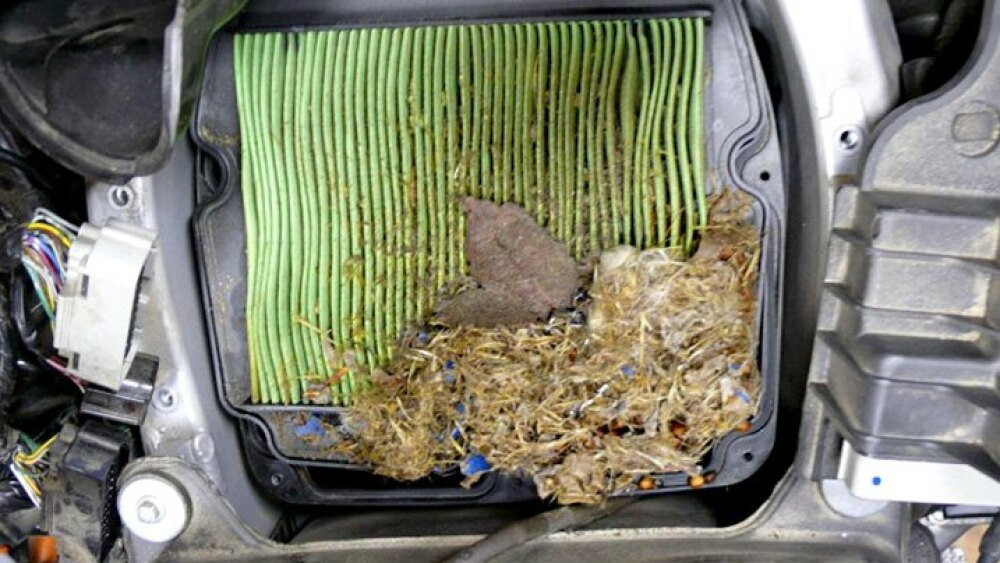
The clearest sign that an air filter needs replacing is the presence of visual dirt and debris during one of those inspections I’ve been harping on. If there is a bunch of junk built up on the filter, in front of it, or within it between the fins, it’s time to throw a new one in.
Reduced Fuel Efficiency
A less obvious sign, but one that will add up over time is reduced fuel efficiency. As discussed above, a clogged air filter restricts airflow to the engine, which can lead to increased fuel consumption. This essentially means that the combustion cycle is not burning all of the fuel getting dumped into the cylinders, wasting it as it exits through the exhaust.
Tougher in older vehicles, many modern makes and models show fuel efficiency both in real-time and historically. This makes it pretty easy to track gas mileage, but I think most of us can also just tell when we’re spending more time – and money – at the pump. While reduced fuel economy can be caused by a bunch of different issues, a filter replacement is so cheap and easy that’s always a decent place to start!
Engine Performance Issues
Engine problems, such as misfires, rough idling, or reduced acceleration, can also be symptoms of a clogged air filter. These performance issues may occur because the engine is not receiving the necessary amount of clean air for proper combustion. Another common cause of these types of problems is needing to replace the spark plugs, but again, changing the air filter is much cheaper and easier!
Unusual Engine Sounds
If the airflow is restricted and the proper air-fuel ratio starts getting messed up, the engine could begin sputtering, coughing, or popping, indicating there’s something wrong. If it gets so bad that the engine starts starving itself for air, the filter must be almost entirely blocked by debris, and it should be cleaned as soon as possible to prevent possible engine damage.
How to Inspect an Air Filter
Tools Needed to Check Out an Air Filter
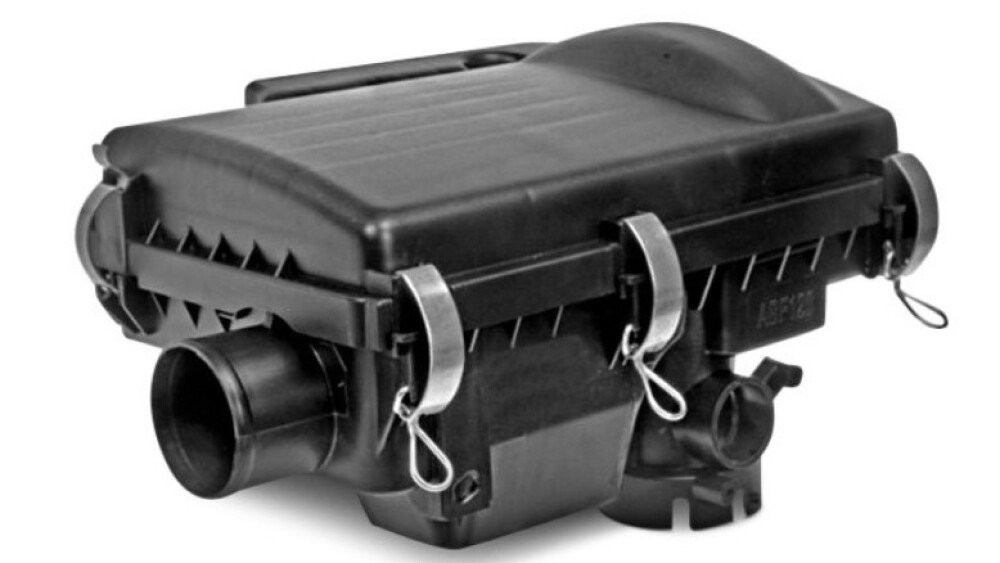
Putting eyes on the air filter typically requires only a few basic tools like a screwdriver or a socket set, which are often just needed to open the air filter housing. Some vehicles make it even easier by just having latches on the housing that can be popped off by hand. Lastly, a flashlight can help not only see those hard-to-reach bolts or screws, but also to shine through the filter to check its condition.
Steps to Visually Inspect an Air Filter
With the right tools in hand, simply locate the air filter housing, and pop it open by either removing the screws, loosening the bolts, or pulling the latches off. Once the housing is opened, check for major dirt or debris and carefully remove the filter. If there isn’t any obvious blockage, hold the filter up to a flashlight and see what the light does. A clean filter will typically allow light to shine through, while a filthy one will block most of it, indicating a replacement is needed.
While it’s out, inspect the filter for any signs of damage, such as tears or holes. A damaged filter cannot effectively protect the engine from contaminants and should be replaced immediately. Don’t think a small tear or hole is no big deal, there’s enough suction from the engine for a small fissure to become a big problem. Before putting the filter back in, always check the intake tube for debris like dirt and leaves, and remove any contaminants before firing the engine back up.
Finding Everything You Need to Replace Your Air Filter at CARiD
While replacing an air filter is pretty simple in most vehicles from the start, CARiD makes it even easier with its convenient shop-by-service feature. Just select Engine Air Filter Replacement, enter the year, make, and model of whatever vehicle you’re working on, and follow the on-site prompts.
The website will show you only air filters that fit that particular vehicle, meaning you don’t have to worry about getting the wrong size or unit. If you want to be even more confident in the filter you’re buying, CARiD has specialists standing by 24/7 via online chat who are happy to help pick the perfect filter to boost the performance of your car, truck, or SUV.
FAQ
How Can You Tell if an Air Filter Needs Replacing?
Visible dirt and debris, reduced fuel efficiency, engine performance issues, and unusual engine sounds are common indicators that an air filter needs replacement.
Do All Engine Air Filters Last the Same Amount of Time?
No, the lifespan of an engine air filter can vary based on the vehicle make and model, driving conditions, and the quality of the filter itself.
What Are the Benefits of Regularly Replacing an Air Filter?
Regularly replacing an air filter can improve fuel efficiency, enhance engine performance, and lead to a longer engine life by preventing dirt and debris from entering the engine.
Is an Engine Air Filter and Cabin Air Filter the Same Thing?
No, an engine air filter and a cabin air filter serve different purposes. The engine air filter ensures clean air reaches the engine for combustion, while the cabin air filter purifies the air entering the vehicle’s interior for the passengers.