
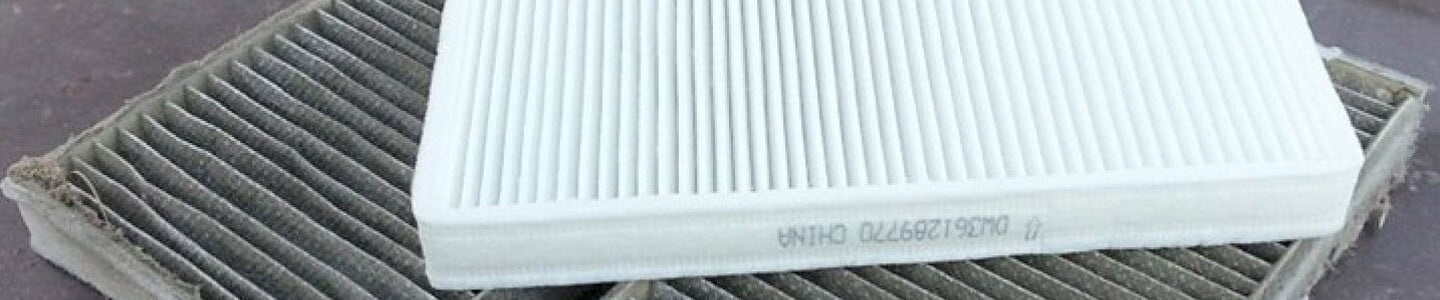
The Short Version: A vehicle’s cabin air filter makes sure occupants breathe clean air during a drive. Where a person lives influences how often the filters need replacing. They can last 15,000 to 30,000 miles between replacements. When it’s time for a new one, look for a panel under the dashboard or on the firewall to locate the filter’s housing.
A vehicle’s cabin air filter keeps drivers and passengers breathing clean air for all the miles they spend in the car. A dirty or clogged filter can reduce your in-cabin air quality, but the good news is that routine checks and occasional replacement are typically easy for even a novice DIYer.
Inspecting Or Changing A Cabin Air Filter Is Easy
In most vehicles, inspecting an air filter just requires some basic hand tools and about 10 minutes of work. Automakers have two common locations for them. One spot is behind the dashboard, and the other is a panel in the engine bay’s firewall below the windshield.
The cabin air filter consists of a finely folded material that traps dirt, pollen, mold, and other irritants. After sliding it out, check for large gray or brown spots, indicating that the filter is dirty. In extreme cases, the panel might even look clogged with debris.
Some vehicles may require temporary removal of the glovebox assembly to access the filter under the dashboard. Generally, removing a glovebox assembly is not difficult, but the exact process varies from vehicle to vehicle. The model’s owner’s manual might include instructions on how to do this
Folks can also make checking the cabin air filter a part of the vehicle’s spring service ritual. This could be at the time as switching out winter tires for warm-weather rubber. Make a checklist of tasks and put “check and change the cabin air filter” on it.
Changing An Under-the-Dashboard Air Filter
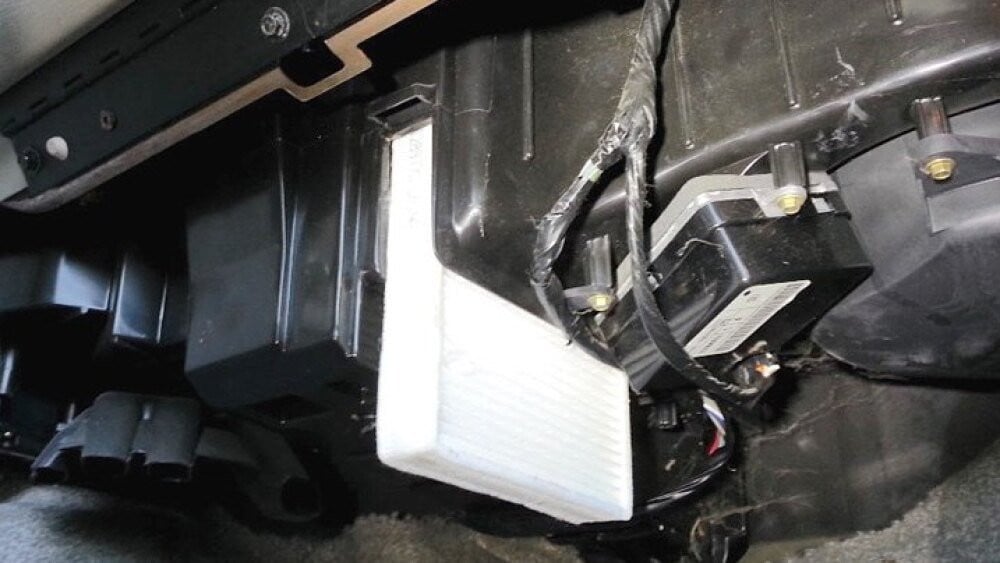
If the vehicle’s cabin air filter is beneath the dashboard, then start by looking at the general area. Many models feature a rectangular cover panel, and it must come off first to access the filter housing. Look for screws holding the piece on, then take them out.
Depending on the vehicle, the cover plate may be positioned from front to rear or from side to side. After removing the fasteners, the panel might hinge open or pop loose completely.
Once the cover plate is out of the way, the edge of the cabin air filter should be visible. Pulling it out might require wiggling the piece. As a best practice, make note of the filter’s orientation before completely removing it because some of them only work when facing a particular direction.
Changing An Under-The-Hood Air Filter
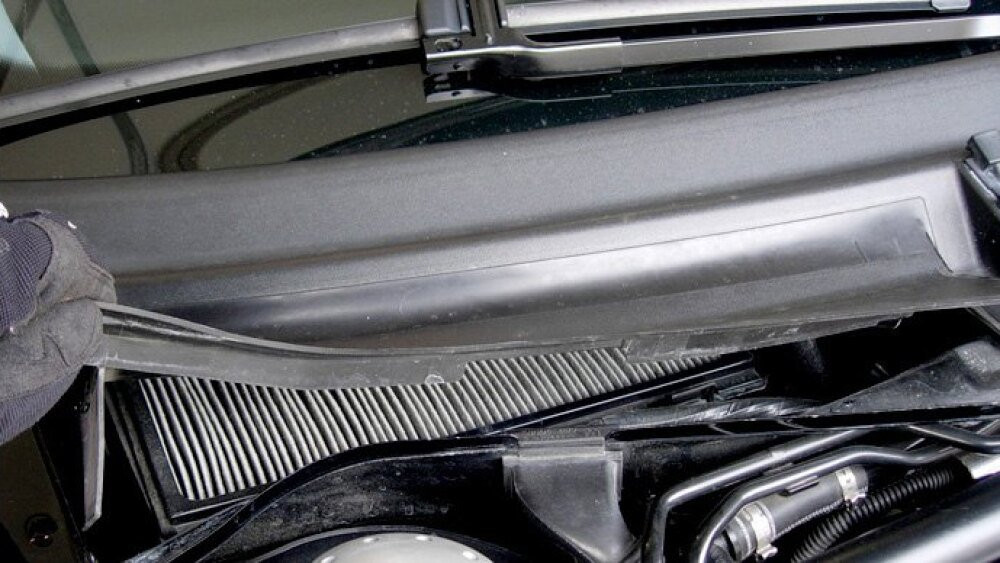
Vehicles with cabin air filters under the hood usually position them close to the dashboard. Typically, there’s a cover panel on the firewall that needs to come off to access the filter. Again, note its orientation before removal.
What does a Cabin Air Filter do?
Since the early 1990s, cars and trucks have had removable filters in the cabin to purify the air entering the interior. This device traps dust, pollen, smog, mold spores, and other types of airborne pollutants before the substances reach occupants so that they can breathe easier.
The 1979 Saab 900 was the first model to offer a cabin air filter as an option, according to filter maker Filtron. The 1989 Mercedes-Benz SL-Class was the first to have an activated carbon filter.
Before getting out any tools, check a vehicle’s owner’s manual to check the filter’s service interval. Most automakers recommend replacing the part every 15,000 to 30,000 miles. However, depending on the model’s location, mechanics might recommend a different maintenance schedule. It depends on how dirty the filter becomes.
Cabin Air Filter Lifespan
In a dry climate with low pollen levels and few falling leaves, a cabin air filter might be fine at 15,000 miles and still have plenty of service life left in it. In deserts, look out for a fine layer of silt clogging the filter. Folks in smoggy areas or those who spend extended time on freeways might find black deposits. Pollen and leaves are what to look for in wooded regions. While cabin air filters can help with in-vehicle odors, excessively humid conditions can cause dampness and impact the system’s ability to control smells.
Particulate Vs. Carbon Filters
Particulate filters usually come on vehicles from the factory. They do a great job of trapping and holding dust, pollen, and other floating contaminants.
Carbon filters have a superior ability to trap noxious exhaust fumes and other things that cause bad smells. The charcoal in them is heat-treated with certain chemicals that trap the odor-causing contaminants.
Many aftermarket filter brands offer both types.
Effects Of A Clogged Cabin Air Filter
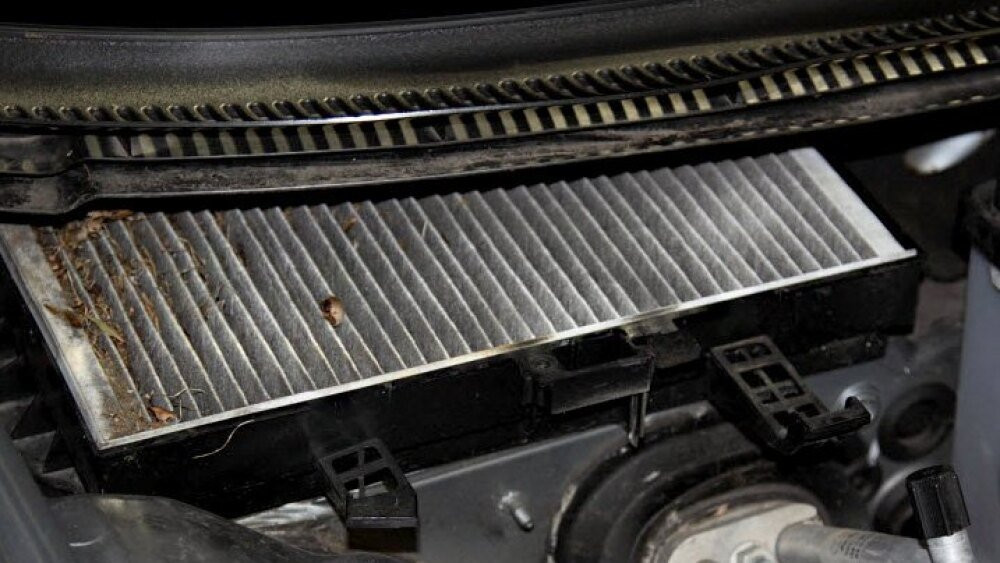
Picture a clothes dryer’s lint-catching screen. It can get clogged in just one load of laundry, even under normal circumstances. The system loses efficiency once there is reduced airflow from a blocked screen, and clothes take longer to dry. The same concept applies to a vehicle’s cabin air filter.
The air has to push through a clogged filter, and what does come through isn’t as well purified as with a fresh part.
Things can get even worse when dust and pollen in the air filter begin to grow mold, fungi, and other bacteria in humid environments. If there is a moldy smell when the air conditioning is running, it’s probably time for a replacement.
The Cabin Air Filters CARiD Offers
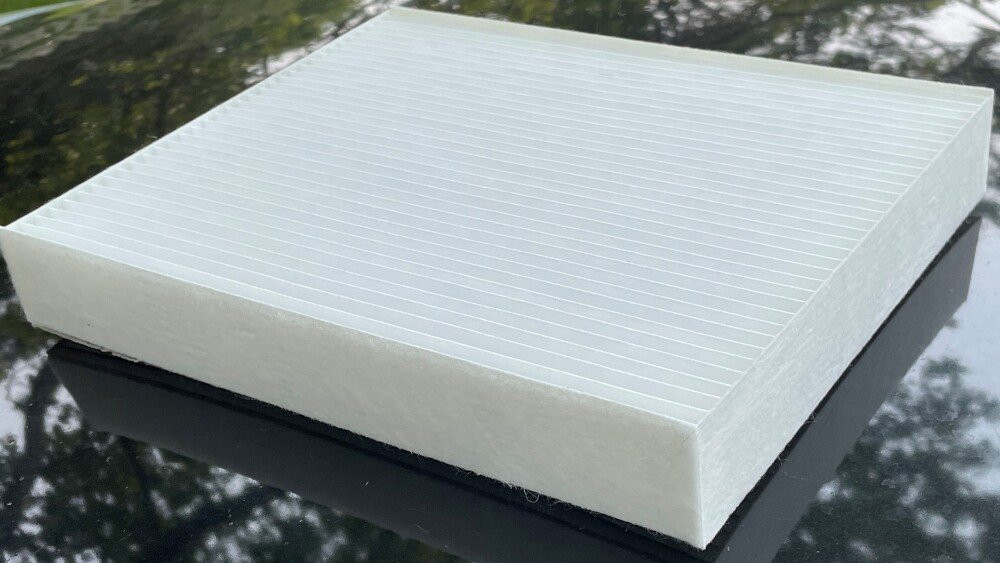
CARiD sells a wide variety of cabin air filters. The offerings include products from AC Delco, Denso, K&N, Mahle, Mopar, and more. Entering a make, model, and year shows the parts that fit a specific vehicle to make shopping easier.
In addition to the actual cabin air filters, CARiD also sells the cases, covers, and all of the other necessary parts to house the filter. The site’s Shop By Service page allows for entering a make, model, and year, and then selecting the job that needs doing. All of the necessary parts are on one page.
FAQ
How much does a cabin air filter cost?
Like most auto parts, the exact cost of a cabin air filter can vary greatly, depending on the specifications of the filter itself, and the vehicle in question. At CARiD a large number of air filters for passenger cars and trucks fall between $10 and $40, with prices rising for rarer or more specialized vehicles.
What’s the process to change a cabin air filter?
Every vehicle has its cabin air filter in a slightly different place, but there are two common places to look first. There might be a panel somewhere on the passenger side of the dashboard, or it could be behind a cover near the firewall under the hood.
After taking off the panel, note the filter’s orientation because the new one probably needs to go in the same way.
How often does a cabin air filter require replacement?
The vehicle owner’s manual probably recommends a service interval of every 15,000 to 30,000 miles. However, how and where you drive your vehicle plays a factor on how often this component requires replacement. If you live in an area with high levels of dust or pollen, for instance, you might need to replace your filter more frequently.
What types of cabin air filters exist?
There are particulate and carbon air filters. The particulate ones are generally what comes with a vehicle when it’s new. The carbon version has improved odor-mitigation ability.
How hard is it to change a cabin air filter?
Every vehicle is different but replacing a cabin air filter should be fairly easy. It should only require basic tools like just a screwdriver. The housing is usually behind a panel underneath the dashboard or a covering along the vehicle’s firewall.