

Feeling your car shake when you hit the brakes can certainly be unsettling, as it could be a sign of a serious underlying problem that needs fixing. This unexpected shaking not only impacts your driving comfort but also affects your vehicle’s safety and performance.
In this article, we’ll explore the common issues that could cause a car to shake when braking and discuss potential solutions to help you address the problem and enjoy a safer driving experience.
Top Reasons Why Your Car Shakes When You Brake
If you’ve been wondering what causes your car to shake when braking, here are some common issues that could be the culprit:
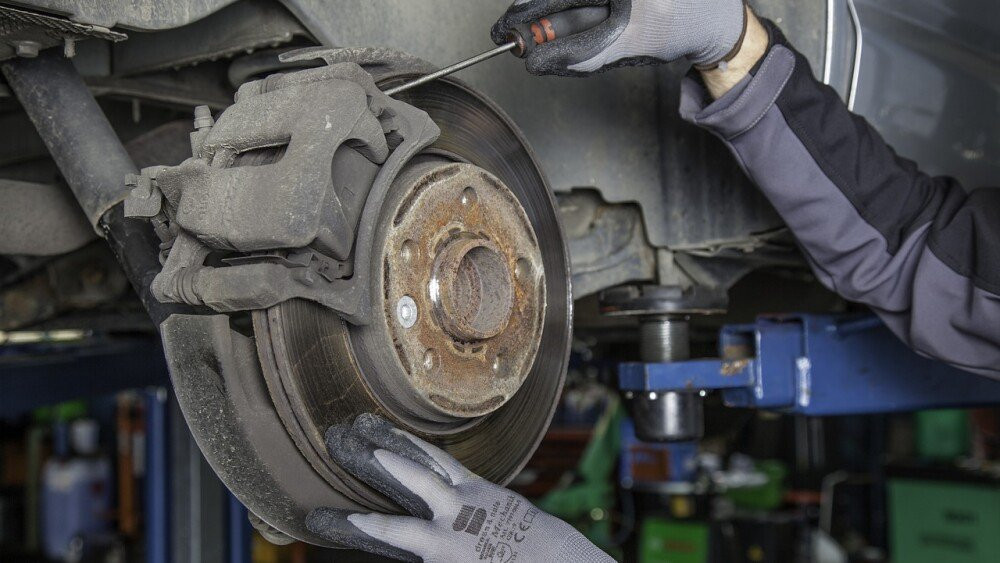
Warped Brake Rotors
If you experience vibrations when braking, particularly when coming to a full stop, but also at highway speeds, this can be caused by warped brake rotors.
Worn-Out Brake Pads
Brake pads that are worn or covered with dirt from driving through deep muddy water or outright mud could be another reason why your car may shake when braking.
While you may be able to resolve the issue by cleaning them, it’s best to get your brake pads replaced or replace them yourself along with the rotors once you observe signs of wear.
Issues with Wheel Alignment or Loose Front End Parts
If the wheels of your vehicle are not correctly aligned or some of the front-end parts are excessively worn, you may experience vibrations or pulling while driving. In severe cases, the misalignment can also cause vibrations when braking. Over time, wheel misalignment can lead to premature and uneven tire wear, forcing you to replace your tires much earlier than expected—an avoidable expense.
If you suspect that poor wheel alignment may be causing the shaking, have your vehicle assessed by a skilled mechanic to ensure smooth drives and preserve the lifespan of your tires.
Sticking Brake Caliper
Faulty brake calipers can cause vibrations and strong pulls to one side, mainly when they stick and create uneven pressure on the brake pads. The caliper pistons can also stick or the pins on which the calipers float can become seized.
In such cases, it’s essential to keep up with car maintenance. While cleaning the brake calipers might help, a sticking caliper often requires repair or replacement to ensure safe and smooth braking.
Problems with the Suspension System
There are several suspension issues, such as worn-out components or loose connections, that can cause your vehicle to shake when you brake. Since the suspension system consists of many interconnected parts, it’s often best to have it inspected by a professional to ensure everything is functioning properly and to address any potential problems.
Damaged or Loose Wheel Bearings
Another possible cause of your car shaking when braking is wheel bearings that have become loose or worn out. Damaged wheel bearings can create excessive play in the wheel, causing it to wobble as it rotates. This wobbling leads to vibrations that become especially noticeable when braking.
If the rotor wobbles enough, you may notice a low pedal when first stopping because the wobbling caliper will retract the caliper piston and it’ll need to be pumped back out on each application.
Replacing worn or damaged wheel bearings promptly is essential to prevent further complications and ensure smooth handling.
While these are some of the most common reasons your car shakes when braking, there are several other possibilities that could be causing the issue. Make sure to have your vehicle inspected by your trusted mechanic to ensure a proper diagnosis and reliable repair.
FAQ
Why does my steering wheel vibrate when I brake?
If the vibrations mainly occur when you apply the brake pedal, it may indicate issues with your brake components. If you experience wobbling even on smooth roads, it’s time to have your vehicle checked.
Why is my car shaking when braking at high speeds?
Shaking when braking at high speeds (typically between 50 to 60 mph) often points to wheel or tire imbalance, although wheel imbalance will cause vibration whether you’re braking or not, so there’s that. However, it’s important to consider having the entire brake system inspected, as issues there can aggravate the shaking effect.
Why is my car shaking when braking at slow speeds?
When your vehicle has issues with faulty brake rotors, pads, or calipers, you may experience wobbling when you hit the brakes at slow speeds.
Why does my car shake when braking downhill?
Shaking when braking downhill often indicates a problem with the brake or suspension system. This can impair both vehicle control and safe stopping. It’s crucial to have your brakes and suspension inspected and repaired as soon as possible to prevent potential accidents.