

The Short Version: Brake caliper paint and caliper covers are two ways to restyle the appearance or add a pop of color to a component vital for slowing a vehicle. Painting takes more preparation, but covers are more expensive.
As larger-diameter wheels become increasingly common on new vehicles, brake calipers become more noticeable. These dusty parts used to function in relative obscurity, at least in between pad and fluid changes. Now, they’ve become a more visible element of the car’s exterior styling.
A performance brake kit is one way to improve the appearance of a vehicle’s calipers. However, this upgrade can be expensive and complex to install. Painting or covering the stoppers are more budget-conscious options because they are far simpler modifications.
Brake Caliper Paint
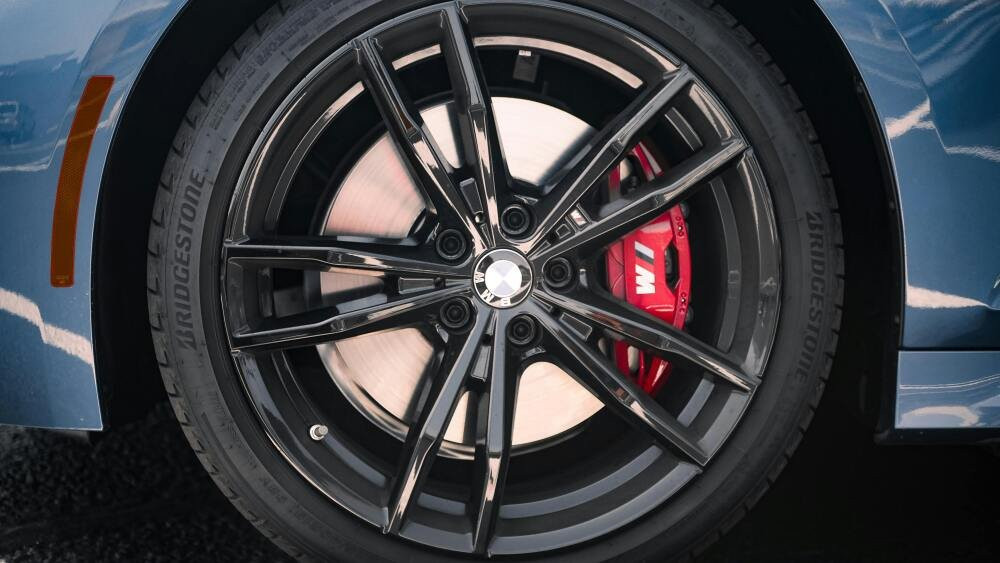
Brake caliper paint has been around for a while and has proven to be popular for several reasons. It creates a look similar to the colorful stoppers that many manufacturers now fit on vehicles from the factory.
Pros And Cons Of Painting Calipers
Painting the brake calipers lets owners retain the original mechanical components but give them a new color. Plus, if a person ever wants to change the shade, there’s a special cleaner to remove old paint from the pieces. Then, there’s the opportunity to apply a different hue to the stoppers.
Brake caliper paint comes in a spray can. It’s simple to apply, but lots of prep work is necessary before doing the job (see explanation below). Another issue is that the paint can peel or chip over time. A new coat of paint might be necessary roughly every three to four years.
Caliper Paint Top Brands
Slowing down the vehicle causes the brake calipers to get very hot. A person can’t just buy a bottle of hardware store aerosol paint and start spraying it onto the stoppers. The paints below have special formulations to handle the extreme heat and harsh weather these parts regularly face. Buyers still have a large spectrum of colors to choose
Dupli-Color has been in business since the 1930s and makes a wide variety of paint. Its Caliper Paint is available in gloss black, satin black, red, blue, and silver. The company also offers a kit that includes a cleaner and the paint.
VHT offers caliper paint that can withstand temperatures as high as 900 degrees – versus 500 degrees for the Dupli-Color offerings. It’s available in Real Orange, Bright Yellow, Satin Black, Real Red, Clear Gloss, Cast Aluminum, and Gold.
How To Paint Brake Calipers?
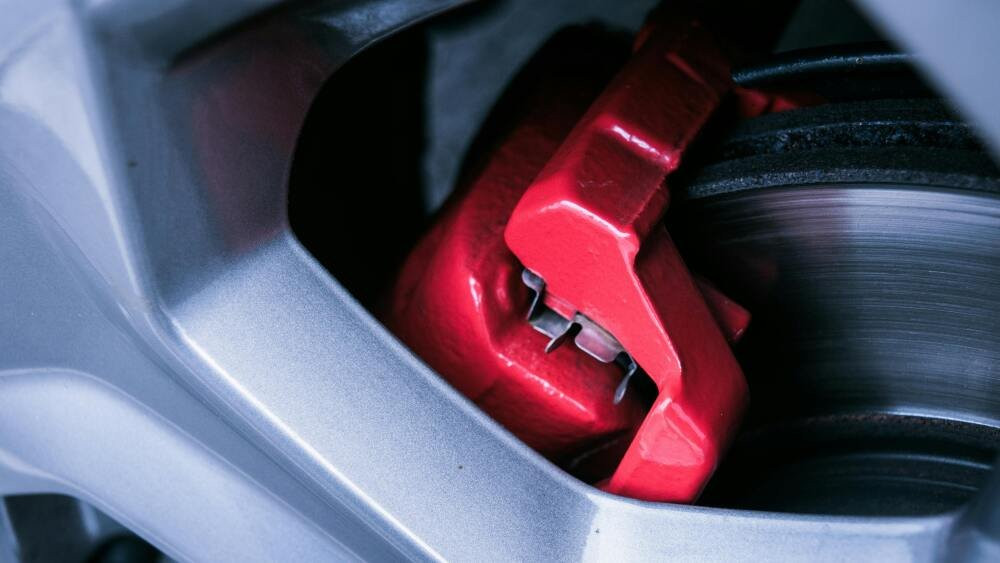
Before applying a drop of color, make a plan to do a quality job. It’s impossible to paint calipers adequately without removing the wheels. Use a jack to get the vehicle off the ground, a lug wrench to loosen the nuts on the wheels, and a set of jack stands to support the car’s weight while doing the project.
One of the most significant decisions is whether or not to remove the brake calipers from the vehicle. Taking them off comes with the following advantages:
- Full access to the part to allow for a more thorough cleaning
- The ability to paint every side of the brake caliper
- Painting without risk of overspray on other mechanical components
- A generally more professional-looking final result
The biggest downside to this job is the time and effort to disconnect, reconnect, and bleed the brake fluid in the hydraulic connections. Also, do not disassemble the calipers to paint them. There’s no need for it, and putting the pieces back together can be a significant challenge.
A person doesn’t have to remove the calipers to spray them, but there are still preparations to do. It’s necessary to mask off anything paint shouldn’t be on, like the brake rotors, pads, fender liners, and suspension components.
Painting the calipers with a brush is also an option. However, this method requires the painter to be meticulous to avoid brush marks. Plus, it might be hard to access every angle of the part, and several brush sizes might be necessary to reach everywhere.
No matter the painting method, it is vital to clean the calipers thoroughly before applying a new color. Paint can’t adhere as well to a dirty surface. Dupli-Color offers a cleaner to use before painting the parts.
Caliper Covers
People who don’t want to paint their brake calipers can accent their appearance with a set of covers. They can withstand harsh conditions and are available in a spectrum of colors.
Pros And Cons Of Caliper Covers
Caliper covers are very easy to install and can last up to 10 years. They also reduce the amount of brake dust building up on the wheels. The covers overlap the parts on the original vehicle, creating a larger overall appearance for a sportier look.
On the downside, they cost more than a can or two of paint, with prices of around $290. Also, the manufacturers design the covers to fit vehicles with factory-installed brakes and wheels, so there might be fitment issues on modified cars.
Top Caliper Cover Brands
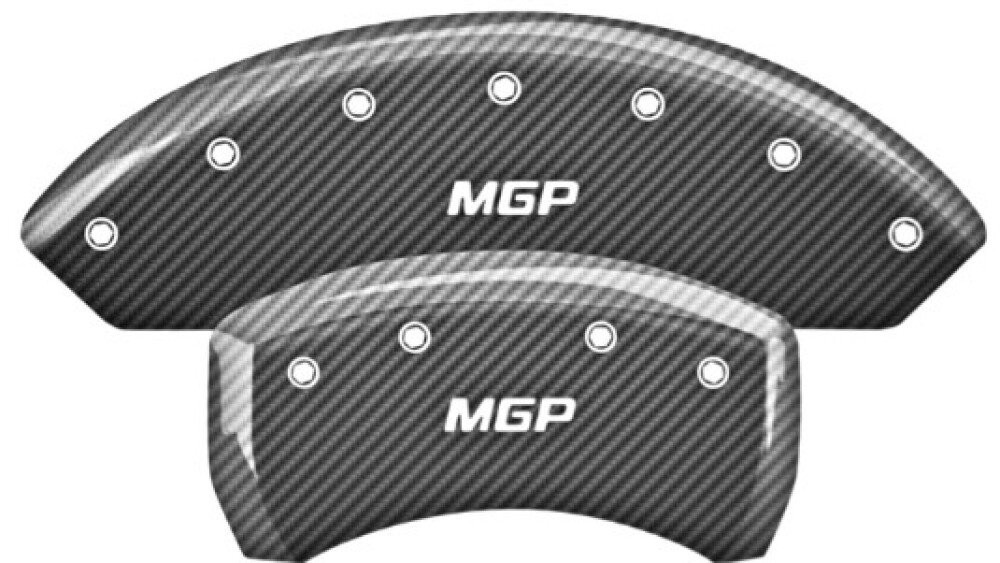
The MGP aluminum caliper covers offer an array of colors and finishes, whether for a ‘60s muscle car or the newest high-performance machine. The choices include red, green, blue, yellow, and black. There are versions with branding for things like Camaro, Corvette, Ford, Shelby, and more. A simulated carbon-fiber finish is also available.
ACC (American Car Craft) offers caliper covers for certain performance vehicles, such as the Chevrolet Camaro and Corvette and the Dodge Viper. The offerings include several designs with polished metal and bright stainless steel finishes for an eye-catching look.
Are Caliper Covers Easy to Install?
Installing caliper covers is relatively simple. The kits come with all of the necessary hardware. Lift the vehicle off the ground and remove the wheels. The covers attach with clips, and no modifications to the car are necessary.
Which Is Better, Caliper Covers Or Caliper Paint?
Both options give a vehicle a more personalized appearance, and the right choice depends on a person’s preference. Painting the calipers can be a better option if there is already other brake work to do. This method can yield a look that’s closest to what comes from the factory. Caliper covers are more expensive upfront but require less work to install.
FAQ
How Much Paint Is Necessary to Cover a Set of Calipers?
In most cases, two cans of paint are enough to cover the four brake calipers. However, the number depends on how many layers of paint a person wants to apply and the calipers’ size. Read the directions on the can and follow the manufacturer’s recommendation.
How Long Does It Take to Paint Calipers?
With the calipers bolted in place, budget at least one hour per wheel for the cleaning, masking, and painting. Removing them could double that time. Like any job, take your time, put in the effort, and try your best.
How Long Does It Take for Caliper Paint to Be Fully Dry?
The drying time depends on the manufacturer. The instructions on the can should provide specific details about how long to wait.
In general, caliper paint takes between two and four hours to be dry to the touch. However, wait at least 24 hours before putting the wheels back on.
Does Brake Caliper Paint Need Primer?
Most caliper paint doesn’t require an undercoat as long as the surface is clean. The paints are self-leveling, meaning they settle into crevices to create a smooth surface.
However, priming can make the paint job look nicer and last longer. It’s vital to use a product that can withstand high temperatures like VHT - Flameproof Aerosol High Temperature Primer.
Do Caliper Covers Cause Overheating?
No, they don’t. Contrary to some opinions, the increased surface area near the brakes actually reduces overall temperatures. For instance, MGP ran tests with an infrared thermometer and found that its aluminum covers acted as a heat sink, drawing heat out of the brakes and reducing caliper temperatures by 30 to 50 degrees Fahrenheit.