
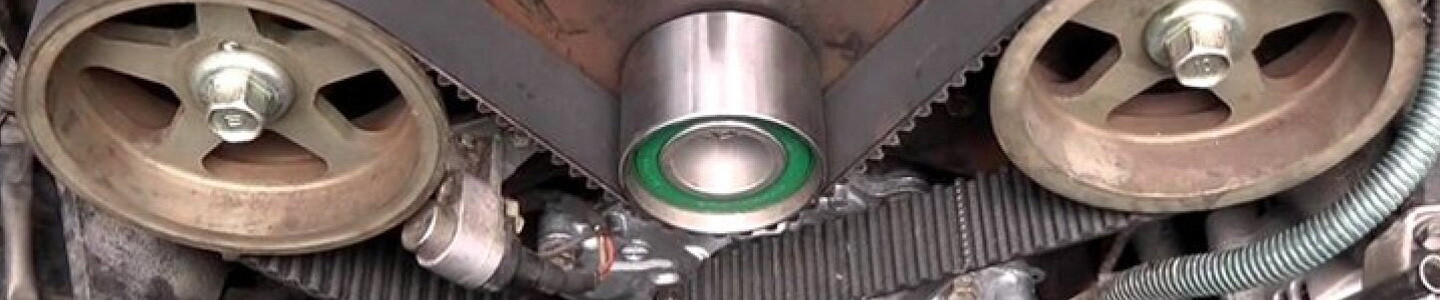
The Short Version: The timing belt is a crucial part of a vehicle’s engine that ensures the camshaft and crankshaft are rotating in sync and none of the internal parts are crashing into each other. Due to the potential catastrophic damage caused if a timing belt breaks, it is recommended to replace it every 60,000 to 120,000 miles or every five to ten years, whichever comes first.
Timing is one of the most important components of engine performance, but it’s one that many casual drivers and DIYers may not know too much about. In short, timing refers to the synchronization between the crankshaft and camshafts, which is necessary for proper engine operation. No matter if the vehicle has a metal timing chain or a rubber timing belt, if an engine is out of time, it will run inefficiently, suffer power loss, or even undergo catastrophic failure.
The last part of that is why replacing a timing belt before it fails is essential. This is one of those parts that waiting until it breaks can be a heck of a lot more expensive than taking care of it as part of regular preventative maintenance. While I’ve personally never had a timing belt break, I’ve had two vehicles with timing chains that jumped time, so I know firsthand just how important this maintenance is.
What Is A Timing Belt?
In engines that use them, the timing belt is a critical part that is fundamental to everything running smoothly. The primary purpose of a timing belt is to ensure the rotation of the engine’s crankshaft is in sync with its camshaft(s).
This synchronization allows the engine’s valves to open and close at the right time during each cylinder’s intake and exhaust strokes. The rotation of the camshafts opens and closes the valves, while the crankshaft pushes the pistons up and down within the cylinders. The timing belt is responsible for keeping everything operating in harmony.
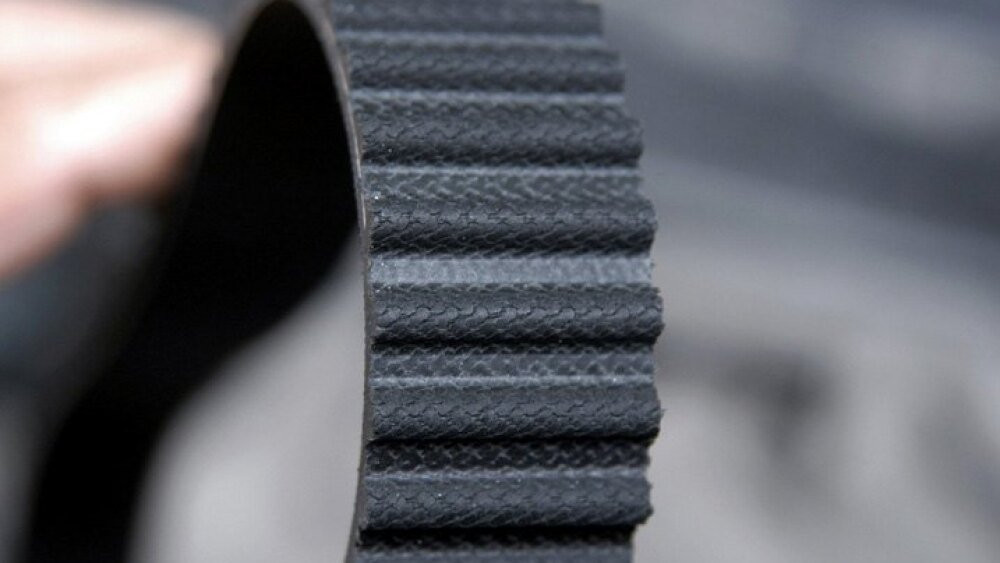
Typically made from high-density rubber, timing belts are often reinforced with nylon or fiberglass cords for added strength, allowing them to operate in extreme conditions within an internal combustion engine. However, since they’re made of rubber, timing belts will wear down over time, leading to cracks or glazing, which can compromise the belt’s integrity and, if left unaddressed, lead to complete engine failure.
Timing Belts Versus Timing Chains
In contrast to rubber timing belts, timing chains are made of metal, but they perform essentially the same function in applicable vehicles. Timing chains are constantly lubricated by the engine’s oil and often last longer than their rubber counterparts. That said, chains can still stretch and wear out, leading to the same issues. While timing chains might be a bit more durable than belts, the latter are often easier and less expensive to replace.
That said, timing chains are another topic for another day, this guide is all about timing belt replacement.
How Can I Tell If My Timing Belt Is Bad?
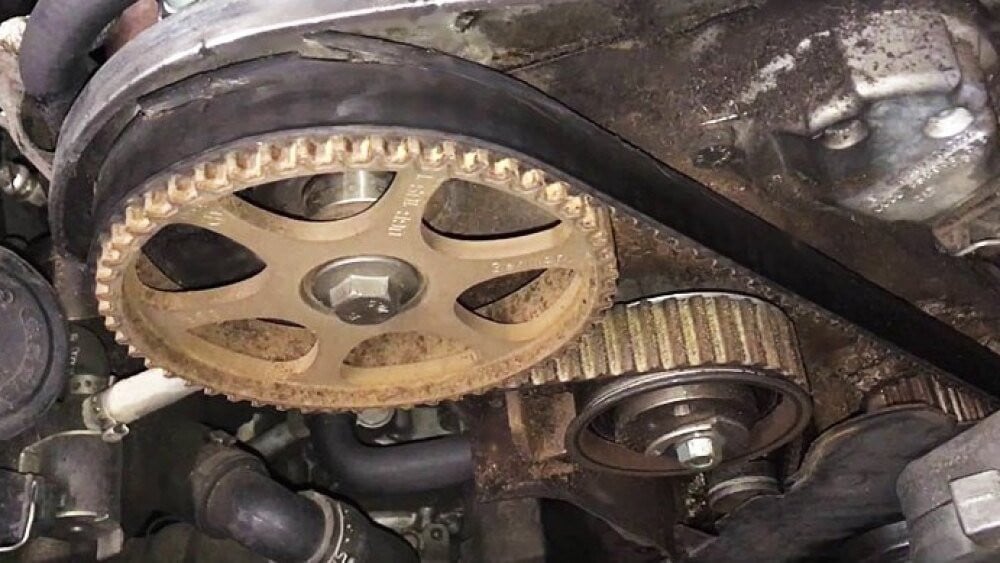
Since timing belts typically just wear down over time due to their rubber construction, some might think it’d be easy to just carry out a visual inspection. The issue? Timing belts are protected from the elements by the front cover, essentially the front part of the engine. This same protection makes it incredibly hard to perform a visual inspection since removing the front cover often involves removing a slew of pulleys, accessories, and more.
So in most cases, a visual inspection of the belt can’t be performed, making it tough to know if it’s going bad. Thankfully, there are a few telltale symptoms of a bad timing belt. Some of the easiest signs include misfires, rough idling, or loss of power. More often than not, these issues are caused by something like worn-out spark plugs, but if new plugs don’t fix them, the timing belt could be the culprit.
Another sign of a bad timing belt is a ticking noise coming from behind the front cover. As with other symptoms, hearing a ticking noise does not necessarily mean the timing belt is worn out since a similar noise can be caused by like lifters and valves if there’s low oil pressure, for example. One final sign that a timing belt may need replacing is to look for oil leaks around the front cover. Since the belt itself is not lubricated, if oil leaks on the front cover make their way inside and get on the timing belt, it can cause it to prematurely deteriorate.
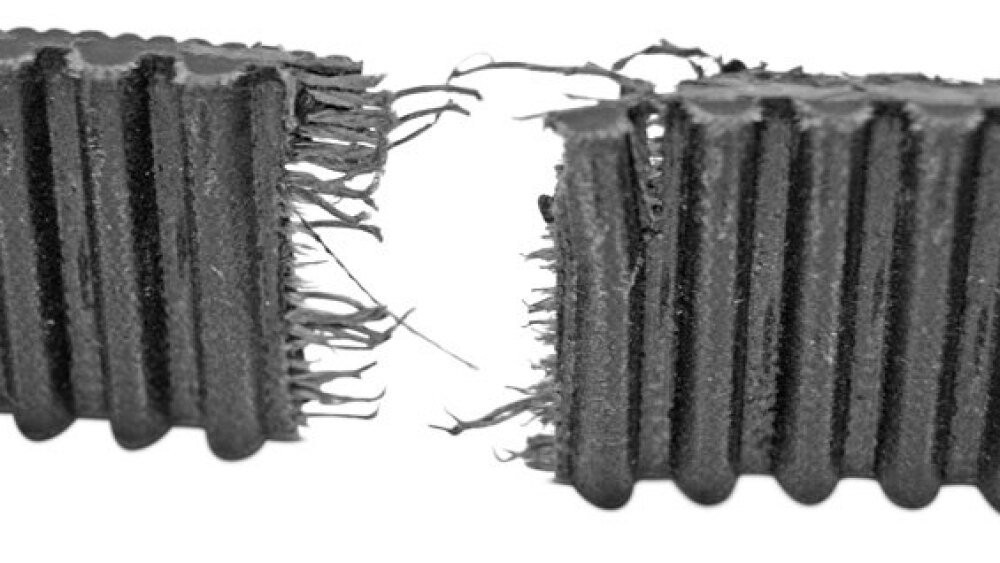
If a timing belt is not replaced before it goes bad, it will eventually start to crack, fall apart, and break. Once the belt fails entirely, drivers will know instantly, as one of two things will likely happen – the engine will either just stop running and the car will shut off, or it will go out with a bang.
What Happens If I Don’t Replace My Timing Belt?
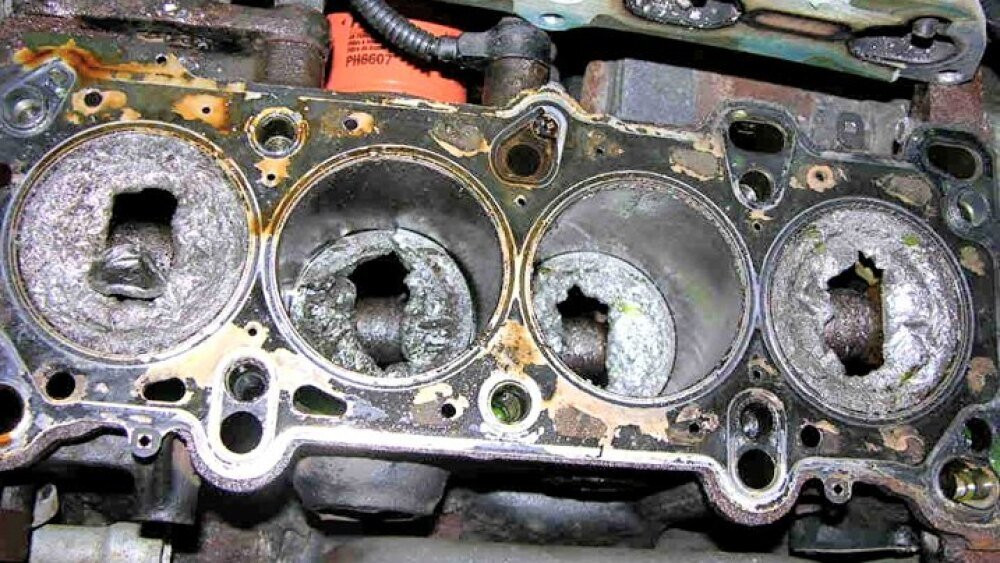
The consequences of ignoring timing belt replacement largely depend on whether the car has an interference or non-interference engine. In an interference engine, the valves and pistons occupy the same space in the cylinder, but at different times, with an emphasis on time. If the timing belt fails, the pistons and valves can slam into each other, causing extensive damage and, in most cases, catastrophic engine failure.
In a non-interference engine, the valves and pistons do not overlap within the cylinder. So when the timing belt fails on these engines, it’s far less likely that the same level of damage occurs. At the very least, the engine will shut off and leave the driver stranded wherever they are, requiring a tow to the nearest shop.
The cost of repairing the issues caused by a broken timing belt almost always far exceeds the cost of replacing it on time. This is why it’s important to not only take the symptoms above seriously but also to follow manufacturer recommendations when it comes to timing belt replacement.
How Much Does It Cost To Replace A Timing Belt?
Replacing a bad timing belt can be somewhat costly, as it involves a fair amount of labor. Plan on spending between $600 and $1,200 to have a timing belt replaced at an independent repair shop or around double that at a dealership.
Also, while a new timing belt itself is somewhat cheap, this is a good time to replace any other parts that have the potential to go bad. A new water pump is the most frequent partner to a new timing belt, as its replacement typically involves removing the front cover. Along those same lines, it might be a good time to replace the alternator and serpentine or accessory belts, since the front of the engine is already apart.
How Often Should I Replace My Timing Belt?
Each automaker provides its own guidelines and recommendations for replacing a bad timing belt, depending on the specific year, make, and model. Though it varies, most manufacturers suggest replacing the timing belt every 60,000 to 120,000 miles even if none of the symptoms above are present. Timing belt replacement intervals should be outlined in the owner’s manual, so drivers should always check there to ensure they stay on top of this maintenance.
In addition to mileage-based replacement, most manufacturers also recommend changing the timing belt based on time, no matter how many miles the vehicle is driven. Since rubber breaks down over time no matter what, it’s typically suggested to replace the timing belt every five to ten years. Under normal driving conditions of about 12,000 miles per year, this lines up perfectly with the mileage-based replacement intervals.
Even though timing belt replacement can be relatively expensive and labor-intensive, following the recommended maintenance schedule gives vehicle owners the best chance at avoiding even more costly repairs caused by complete failure. Timing belts in higher-performance vehicles should be replaced even more often, something for enthusiasts to keep in mind who modify their vehicles and push them to the limits.
Can I Replace My Timing Belt Myself?
Replacing a timing belt is a tricky task that requires removing the front cover of an engine, as well as the alternator, power steering pump, water pump, air conditioning compressor, and their associated drive belts. A DIYer also needs specialized timing tools to make sure that the camshafts and crankshaft stay locked in place during a timing belt change.
The whole process is probably too complicated for a novice mechanic, and even for professionals, it can be a days-long task. The cost of the parts and tools involved erode some of the value associated with tackling a job on a weekend versus just taking it to a certified mechanic.
Find Timing Belts and Everything You Need at CARiD
Even though we recommend seeking professional help for a timing belt replacement due to the complexity of the job, more experienced DIYers can tackle this repair themselves. In that case, CARiD’s shop-by-service feature makes it easy to find everything you need to everything you need to replace a timing belt. After entering the year, make, and model of whatever you’re working on, CARiD will walk through the necessary and optional parts needed to get the job done.
Even though this feature makes it simple to find what you need, you can also speak to a specialist any time using CARiD’s 24/7 chat support, ensuring you find the right parts and tools the first time.
FAQ
Can you visually see if a timing belt is bad?
No. Since the timing belt is hidden behind the engine’s front cover, it’s not readily visible during an underhood inspection.
Is there a warning light for the timing belt?
Some cars will illuminate a service-engine warning light at specific mileage intervals, and a qualified mechanic or dealership will know if a preventive timing belt replacement is warranted.
Will a timing belt throw a code?
A failed timing belt will cause lots of OBD-II codes to pop up as a result of intake, combustion, and exhaust cycles falling out of time. It will also likely cause the engine to stop completely.
Can you replace a timing belt without removing the engine?
Yes, in most cases, you can replace a timing belt with the engine still in the car. Some engines place their timing controls on the rear, requiring complete engine removal for replacement, but many of them, like GM’s Duramax 3.0-liter inline-six and Audi’s 4.2-liter V8, have lower-maintenance timing chains instead.
Can I drive with a bad timing belt?
No. In nearly every case of a failed timing belt, the engine will not run. In fact, a failed timing belt can cause catastrophic damage if the car has an interference engine, so preemptive timing belt replacement is a good idea.