

Code P0600 is a special diagnostic code that points to communication issues with your vehicle’s control modules. Many vehicle platforms don’t include this code in their list, so it’s quite uncommon to encounter this in your vehicle. But if it does pop up for you, this guide can help you understand what’s going on with your vehicle by explaining what code P0600 means, what causes it to be stored, and common steps for diagnosis and repair.

What Does Code P0600 Mean?
Code P0600 is a diagnostic trouble code (DTC) that stands for “Serial Communication Link.” It means the engine control module (ECM)/powertrain control module (PCM) is having problems communicating with one or more of the vehicle’s control modules. These modules, ranging from ignition to anti-lock braking systems (ABS), are always continuously communicating with the PCM, and once that link is disrupted, the P0600 is stored and the check engine light activated.
It should be noted that the P0600 code is a generic trouble code that indicates the system is having problems communicating with a control module. It does not specify which module it is or its impact on the vehicle's functions. As previously mentioned, this code might not be present in the libraries of some vehicles.
What Causes Code P0600?
Because it is a generic error code, the P0600 code can be triggered for a wide range of reasons. However, it’s usually a PCM-only issue—in most cases, it’s due to a software or hardware problem with the PCM.
There are also cases where code P0600 can be caused by a loose or damaged wiring harness, low battery voltage, or due in part to a faulty sensor module. However, in such instances, the onboard computer will also store other error codes related to the affected module.
- Loose or damaged wires
- Low battery voltage
- Faulty PCM
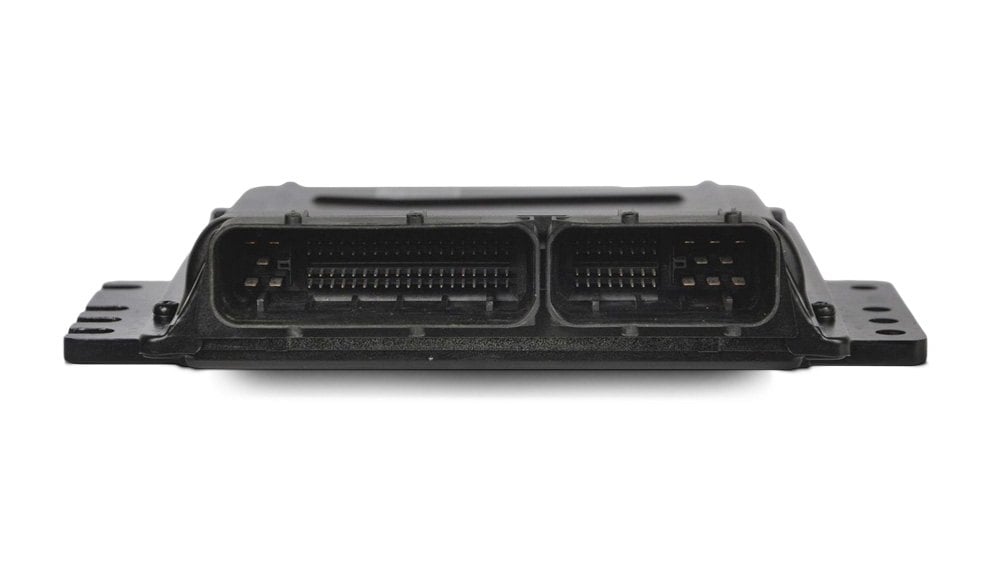
Faulty PCM
Outdated software, a glitch, or a complete hardware failure of the PCM will cause this code to appear.
Loose or Damaged Wires
Damaged, corroded, or loose wires within the vehicle's electrical system can disrupt the connection between the PCM and sensor modules.
Low Battery Voltage
Insufficient battery power, loose cables, or a malfunctioning battery can also interfere with the electronic signals.
What Are the Symptoms of Code P0600?
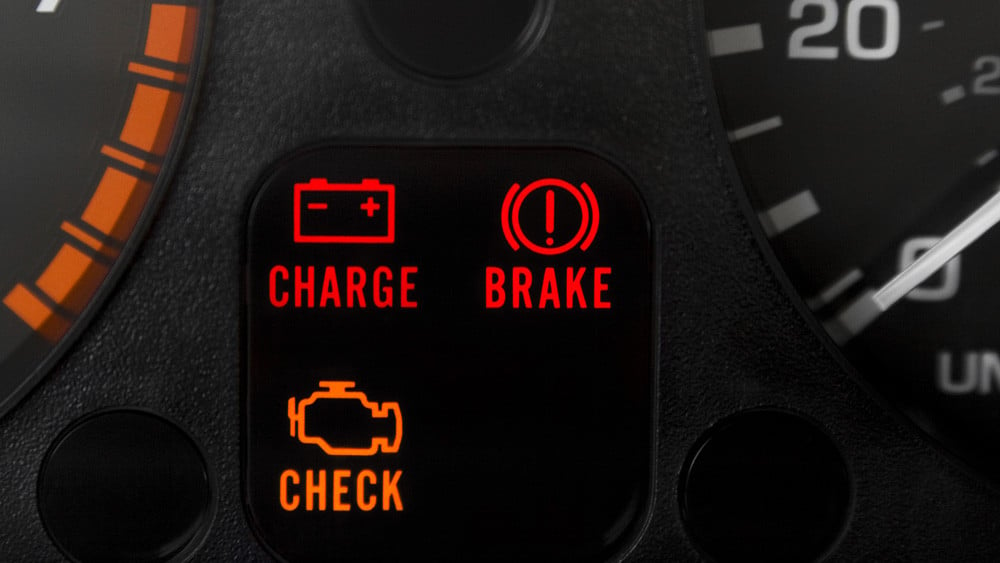
A code P0600 can manifest in multiple ways. In almost all cases, you'll be made aware of the problem by an illuminated check engine light. Some vehicle models may also go into "limp mode," with greatly reduced engine performance and auxiliary functions disabled. The vehicle may also struggle or refuse to start at all.
- Illuminated check engine light
- Limp mode
- Vehicle refuses to start
Illuminated Check Engine Light
The check engine light is automatically activated when the PCM stores an engine code, so it's often the first and sometimes the only sign of a code P0600.
Limp Mode
Once code P0600 is stored, most modern vehicles may also enter "limp mode," a safety feature that restricts engine performance and certain functions to prevent further damage to the vehicle.
Vehicle Refuses to Start
In severe cases, you may struggle to start the engine or even fail to do so. This is because the PCM or a module handling one of the vehicle's key functions, such as engine timing or fuel-to-air ratio, is no longer working.
How to Diagnose Code P0600
Determining the cause of a code P0600 can be complicated and is best done by a qualified mechanic to ensure an accurate diagnosis. Some of the general troubleshooting steps that might be taken include:
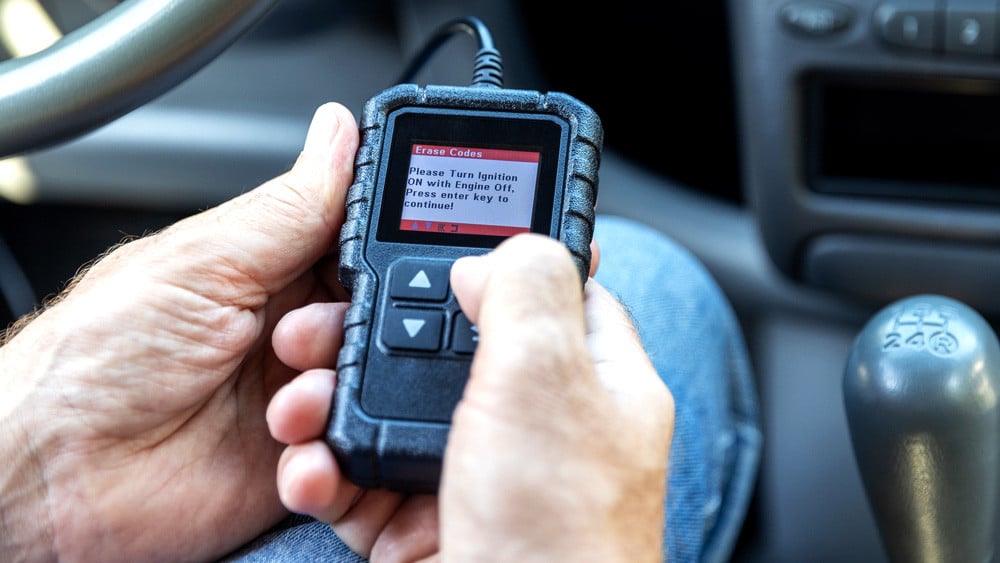
Retrieve and Record Codes
An OBD-II scan tool is used to retrieve any stored diagnostic codes along with freeze frame data when the codes were triggered. This could be used to pinpoint the source of the problem.
Inspect the Wiring
All wires between the PCM and other modules should be checked for loose connections, damage, water intrusion, or corrosion.
Check the Battery
The battery should also be checked for loose or corroded terminals, or any signs of deterioration or damage. A voltage test may be done to help determine whether it is within the recommended range.
PCM Testing
Detach all of the PCM’s connectors and check for pushed-out or damaged pins and signs of corrosion. Reconnect the connectors and check if all of the pins are seated correctly. You can also conduct a PCM self-test using the OBD-II scan tool to verify if the module is functioning properly.
How to Fix Code P0600
Resolving the issues related to code P0600 depends on the cause and severity. Some of the general fixes you can expect are the following:
Repair or Replace Wiring
Loose connections are tightened, and minor rust deposits are removed with contact cleaner. Wires that are severely corroded or damaged are replaced.
Repair or Replace the Battery
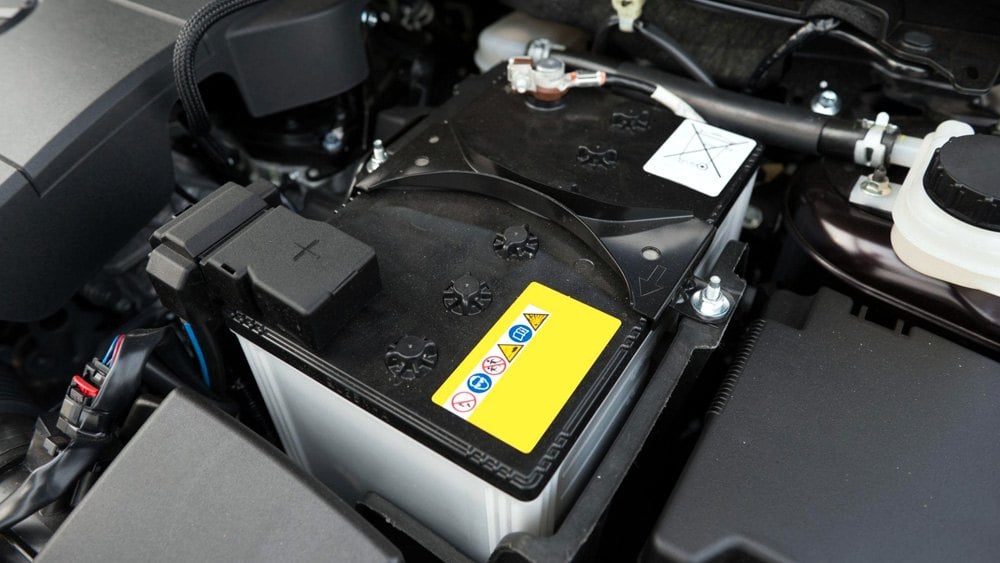
Loose or corroded battery terminals must be tightened, cleaned, or replaced as necessary. If the battery itself is defective, it must also be replaced.
Update or Replace the PCM
If the PCM software is outdated, corrupted, or if it failed the self-test, it will have to be updated or reprogrammed as necessary. However, if the error persists, the module must be replaced.
Other Codes Related to P0600
P0600 is a generic code that often appears with other types of diagnostic error codes depending on the cause of the problem. Some of the more common examples are:
P0601
The PCM logs code P0601 when it detects a problem with its operating system software. It stands for “Internal Control Module Memory Checksum Error.”
U0100
Code U0100 is a generic communication error code that means one module is having problems communicating with another module. Different car makes might display variations of this code. For example, in GM vehicles, this code appears as "Class 2 Communication Malfunction Conditions," while in Nissan vehicles, it's shown as "CAN Communication Circuit."
P0700
This code indicates a malfunction has been detected with the vehicle's transmission control module (TCM). It might appear along with P0600 if the PCM is having issues communicating with the TCM.
FAQ
Can I drive with a P0600 code?
It is still possible to drive with a P0600 code. However, you might experience unpredictable behavior with your vehicle, such as rough idling or stalling, reduced engine performance, or malfunctions in one or more electronic features. Ignoring the issue could also worsen the underlying cause of the code and lead to more costly repairs.