

The Evaporative Emission Control (EVAP) System prevents fuel vapors from going into the atmosphere. It does this by storing these vapors in a charcoal canister until they can be purged and sent to the engine to be burned.
While the P0440 code may not cause drivability issues, it’s best to address the problem as soon as it arises. Here’s what a large EVAP leak means, what causes it, and how to manage it.
What Does Code P0440 Mean?
The P0440 code stands for “Evaporative Emission Control (EVAP) System Malfunction - Large Leak.” This code is logged by the powertrain control module (PCM) when it detects a significant EVAP system leak.
The EVAP system is composed of the following components:
- Fuel tank
- Gas cap
- Purge valve
- Vent valve
- EVAP or charcoal canister.
This system works by storing fuel vapors in the charcoal canister so it can be purged and burned during the combustion process later on. The purging of vapors occurs when the vehicle accelerates or when the system needs additional fuel.
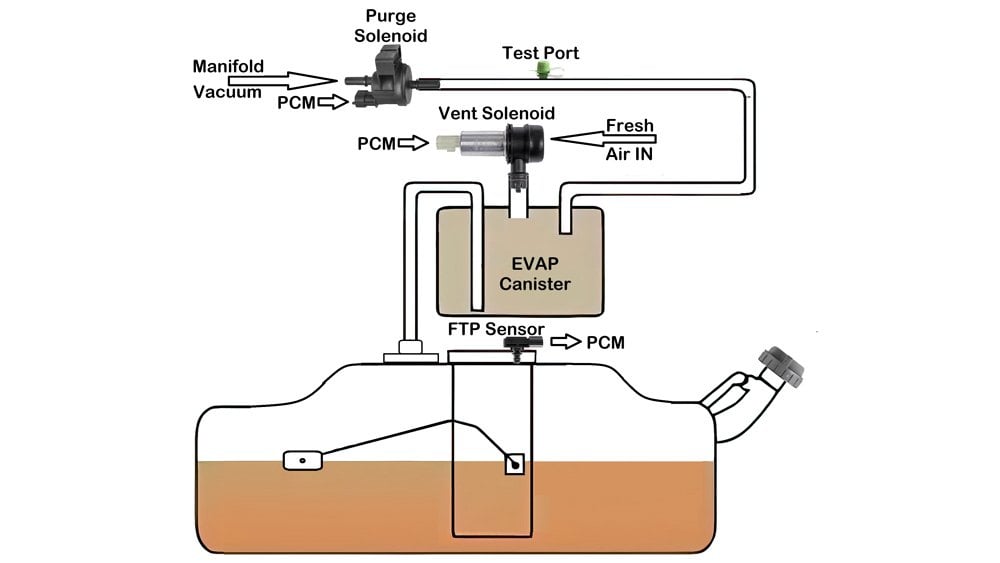
The EVAP system is capable of running a series of self-tests that confirm whether the system can hold vapor. The PCM also monitors the EVAP system by checking the readings from the oxygen sensors.
Here’s how the EVAP system tests for leaks:
- The engine control module (ECM) grounds the EVAP canister vent solenoid valve control circuit through an internal switch called a driver.
- The ECM then closes the normally open vent solenoid.
- It then operates the canister purge solenoid (connected to the engine vacuum) and delivers a very mild vacuum to the system while the vent valve is closed.
- It then traps that vacuum and watches the fuel tank pressure sensor to check for leaks.
A 0.020-inch or larger leak will set a small leak code. A large leak (which means no vacuum can be detected during testing) is a large leak situation and sets a large leak code.
If the PCM detects that the EVAP system cannot build enough vacuum or the vacuum drops too quickly, it determines a leak in the system. The magnitude of the leak determines the set code. A large leak code may be a P0440 or P0455. These codes will be set after the system fails the self-test twice.
The P0440 has been reported by Dodge, Toyota, Jeep, and Chevy users.
What Causes Code P0440?
The EVAP system is composed of several components which could malfunction or fail. As such, the P0440 can have multiple possible causes, including the following:
- Missing, defective, or damaged gas cap
- Distorted or damaged fuel tank filler neck
- Disconnected or damaged EVAP system hose/s
- Defective fuel tank sending unit gasket or seal
- Split or damaged carbon canister
- Defective evaporative vent valve and/or purge valve
- Defective or damaged fuel tank and sensor
Missing, Defective, or Damaged Gas Cap
A damaged or improperly installed gas or fuel cap is one of the most common causes of the P0440 code. Once you encounter the P0440 engine code, check the fuel cap immediately to see if it fits nicely onto the fuel tank filler neck and check for any cracks.

Distorted or Damaged Fuel Tank Filler Neck
Cracks or damage to the fuel tank filler neck allows the fuel vapors to escape.
Disconnected or Damaged EVAP System Hose/s
Your EVAP system lines and hoses can get brittle and become damaged over time, letting fuel vapors leak out.
Defective Fuel Tank Sending Unit Gasket or Seal
Gaskets and seals that aren’t properly installed, especially after component repairs, can prevent mating surfaces from forming a tight seal and the EVAP system from forming a vacuum.
Split or Damaged Carbon Canister
Your carbon canister can get corroded over time. It can also get damaged in a vehicular collision. These scenarios can cause your canister to fail.
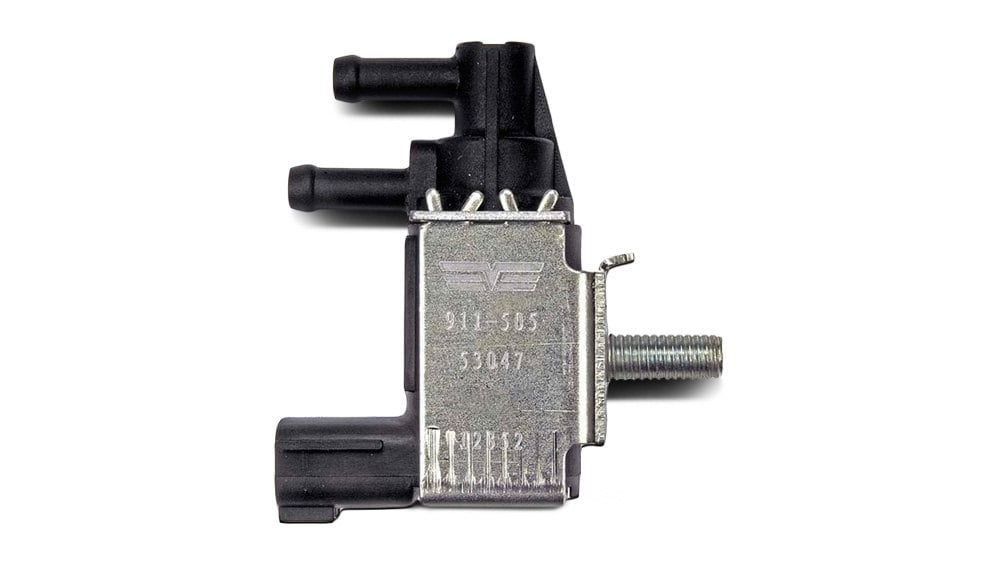
Defective Evaporative Vent Valve and/or Purge Valve
Stuck vapor canister purge and vent valves prevent the EVAP system from forming and sustaining a vacuum, triggering the P0440 DTC.
Defective or Damaged Fuel Tank and Sensor
A damaged fuel tank or fuel tank sensor can also cause the P0440 code to be set. A faulty fuel tank pressure sensor may send wrong or inaccurate data to the PCM, which, in turn, incorrectly sees a fault in the EVAP system and sets this code.
What Are the Symptoms of Code P0440?
Some engine codes can have several noticeable symptoms while others may only have an illuminated malfunction indicator or check engine light. For the P0440 engine code, there are cases when drivers don’t even notice any symptoms. Nonetheless, here are the two most common symptoms of the P0440 code:
- Check engine light on
- Fuel odors
Check Engine Light On
Many OBD-II codes trigger the check engine light, including the P0440. If the light comes on, it’s best to plug in your OBD-II scanner and see what codes are stored.
Fuel Odors
If you have the P0440 code, you may also smell strong fuel odors, though this is somewhat rare. If you notice this symptom, it’s important to take action immediately.
How to Diagnose Code P0440
Shops use a smoke machine if a visual inspection doesn’t reveal the reason for the leak. If you don’t have a smoke machine, you need to have this procedure done in a shop.
If you think you might be dealing with the P0440, here are some steps you can take to troubleshoot the issue:

Retrieve the Code and Record Freeze Frame Information
Using your scan tool, check which codes are logged and write down the freeze frame information so you can use it to test and verify repairs.
Perform a Thorough Visual Inspection
Check all accessible hoses and components along the EVAP system for signs of wear and damage.
Check the Fuel Tank Pressure Readings
You can also use your scan tool to check the fuel tank pressure readings. If the fuel tank pressure sensor isn’t working properly, the system would think that there is no pressure or vacuum created when the EVAP self-test is performed. Remember, the PCM relies on the fuel tank pressure sensor in its self-leak test. Still, even if it indicates a leak, you (or a mechanic) will need to find the leak.
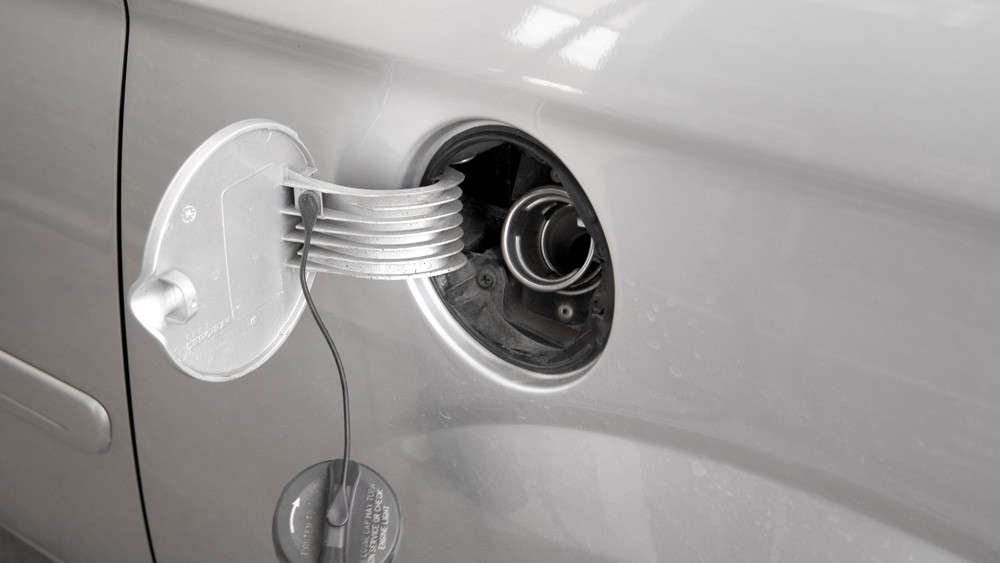
Inspect and Test the Fuel Cap
How does the fuel cap fit onto the fuel tank filler neck? Are there any cracks or visible signs of damage? If the cap doesn’t fit snugly onto the filler neck, the system may be unable to develop and hold proper vacuum.
Check if the Purge and Vent Valves Work Properly
The canister purge valve is normally closed, while the canister vent valve is normally open. You can check the canister purge valve by placing a finger on its vacuum port while the engine is turned on. If you feel that your finger is being sucked into the valve, the valve may be stuck and should be replaced.
The vent valve should allow air to flow freely unless it is energized.
Check the Canister for Damage
If the charcoal canister is damaged or there is a leak between the canister and the vent valve, the PCM will set the code.
How to Fix Code P0440
You need to rule out all possible causes before replacing or repairing any part of your car. Also, you might want to check if there are any technical service bulletins (TSBs) and recalls related to your specific vehicle first.
Once you’ve determined the cause, here are some of the most common fixes for the P0440 code:
Fix or Replace Your Gas Cap
If tightening your gas cap does not clear the P0440 code, you may need to repair or replace your existing gas cap. Once you do, clear the code with your scan tool, as the code might not immediately disappear.
Address Leaks Within the EVAP System
A large leak is usually easy to find and fix unless it’s hidden inside the canister purge or vent valves. Regardless, you’ll need to fix these leaks by repairing or replacing the source of the leak, whether it’s the fuel tank filler neck, fuel tank, charcoal canister, or something else.
Repair or Replace the Canister Purge and Vent Valves
If these valves are not working properly, you’d need to repair the wiring or the affected valve or replace the faulty components altogether.
Other Codes Related to P0440
The P04XX series of codes deals with the EVAP system. Here are some related codes to the P0440 that you might encounter as well:
P0445
The P0445 engine code is set when the PCM detects a short circuit in the purge control valve. This issue may be caused by a malfunctioning purge valve, a malfunctioning purge valve circuit, or PCM problems. Symptoms of this code include an illuminated check engine light, fuel odors, and a hesitating engine that idles rough and stalls.
P0449
The P0449 is logged when the PCM detects that the EVAP system vent valve’s state doesn’t match the right state during a specified period. This code can be caused by several issues including a faulty EVAP vent valve solenoid, circuit, or malfunctioning electrical connections.
P0455
Similar to the P0440, the P0455 means that the PCM has detected a large leak in the EVAP system. Users have reported the P0455 on Chevrolet, Dodge, Ford, Jeep, and Nissan vehicles. Note that P0455 can have different definitions across different makes.
FAQ
Can P0330 cause P0440?
No, the P0330 code does not cause the P0440 code. The P0330 code stands for “Knock Sensor 2 Circuit Malfunction (Bank 2).” This code signals a possible issue with your engine’s knock sensor circuit while the P0440 involves an issue with the evaporative emission control system. However, these two codes can be set at the same time.