
The diagnostic trouble code (DTC) P0109 is one of several codes in your vehicle’s On-Board Diagnostics II (OBD-II) system that indicate a problem with its Manifold Absolute Pressure (MAP) sensor circuit. Cars like Ford, Chevrolet, and Volvo have been reported to store the P0109 code, but the code is not always present in most vehicles. Many would store a P0108 code but not a P0109, so you may never see this code at all.
Find out more about the error code P0109, what it means, what causes it, how to notice the symptoms, and how to troubleshoot or fix the issue.
What Does Code P0109 Mean?
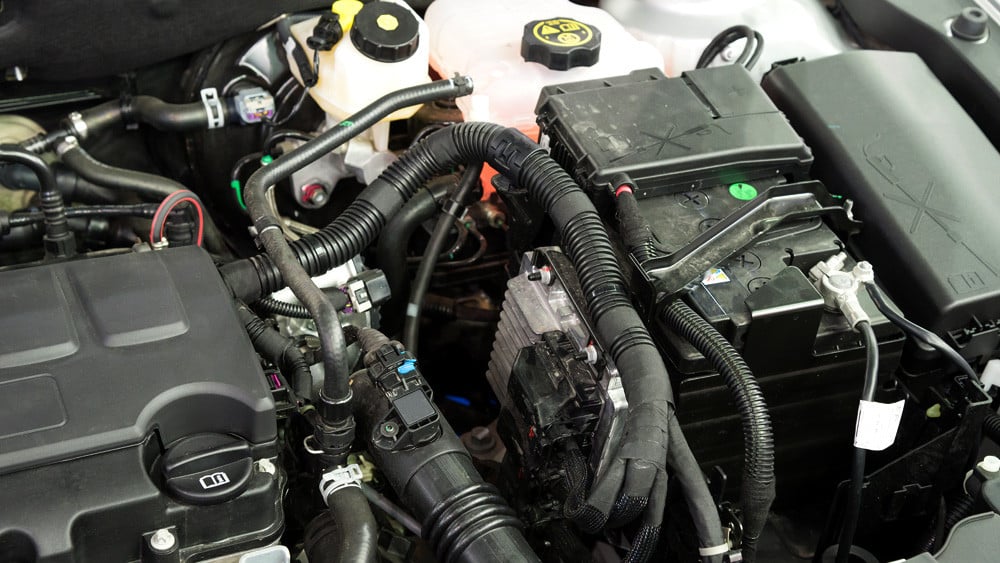
The P0109 error code stands for “Manifold Absolute Pressure/BARO Sensor Circuit Intermittent.” It is stored when the vehicle’s powertrain control module (PCM) receives intermittent sensor readings from the MAP or BARO sensor.
The MAP sensor enables the PCM to monitor differences in atmospheric pressure using absolute intake manifold pressure. The sensor is usually supplied with a reference voltage signal, a battery ground, and output signal circuit/s. When there are changes in absolute manifold pressure, the MAP sensor resistance levels react.
When resistance levels change sporadically, they create variations in sensor output voltage to the PCM. These voltage signals are crucial for the PCM to calculate fuel delivery and ignition timing, and compare it with programmed specifications. When the voltage readings fail to meet these specifications, P0109 may be stored.
How P0109 is Stored
The MAP sensor typically has three wires: a ground wire from the PCM, a 5-volt reference wire from the PCM, and a signal wire through which the PCM receives the MAP sensor input.
If the ground wire is cut or broken, or the 5-volt reference voltage wire is shorted to the signal wire, the signal voltage will be near or the same as the 5-volt reference voltage.
If the 5-volt reference wire is open or the signal wire from the MAP sensor is open, there will be no MAP signal. The P0109 code indicates an intermittent failure, usually of the sensor itself, but more commonly the wiring between the sensor and the PCM.
Ford’s matrix describes the condition that sets the code this way: “The sensor signal to the powertrain control module (PCM) is failing intermittently.” It lists loose electrical connection and damaged MAP sensor as the possible causes.
What Causes Code P0109?
A variety of reasons can cause the error code P0109 to be stored. Some common causes include:
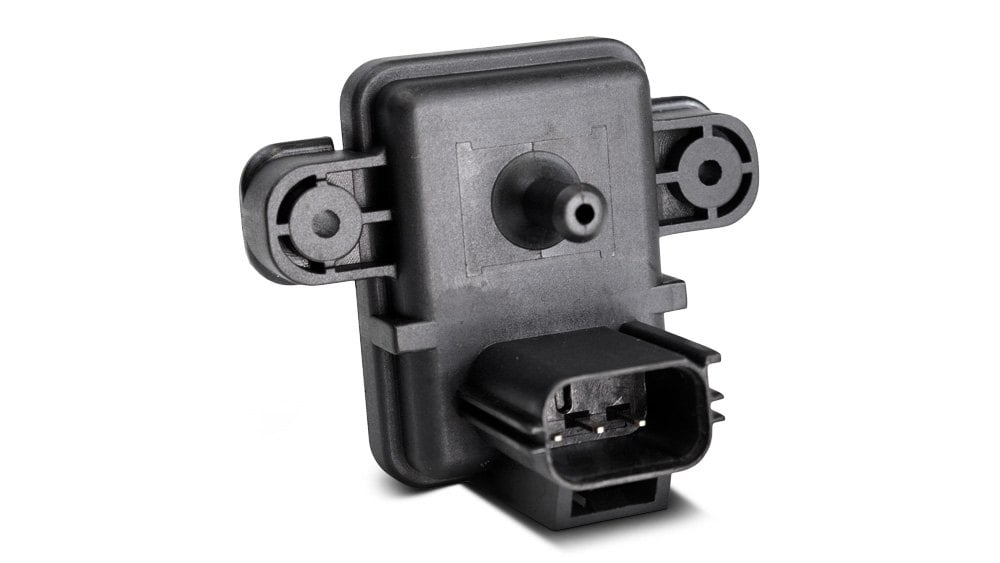
- Faulty MAP sensor
- Wiring problems
- Damaged connector face at the MAP sensor
- Malfunctioning PCM
Faulty MAP Sensor
A malfunctioning MAP sensor can send incorrect readings to the PCM, causing improper air-fuel mixture adjustments. This can result in poor engine performance and decreased fuel efficiency.
Wiring Problems
Damaged or corroded wires connecting the MAP sensor to the PCM can affect the signal, leading to inconsistent sensor readings. This can cause intermittent engine issues and trigger the P0109 code.
Damaged Connector Face at the MAP Sensor
A damaged or dirty connector at the MAP sensor can impede electrical connections, preventing accurate data transmission. This may lead to erratic engine behavior and hard starts.
Malfunctioning PCM
A malfunctioning PCM may misinterpret signals from the MAP sensor or fail to process them correctly. This can result in engine mismanagement and persistent diagnostic trouble codes like P0109.
What Are the Symptoms of Code P0109?
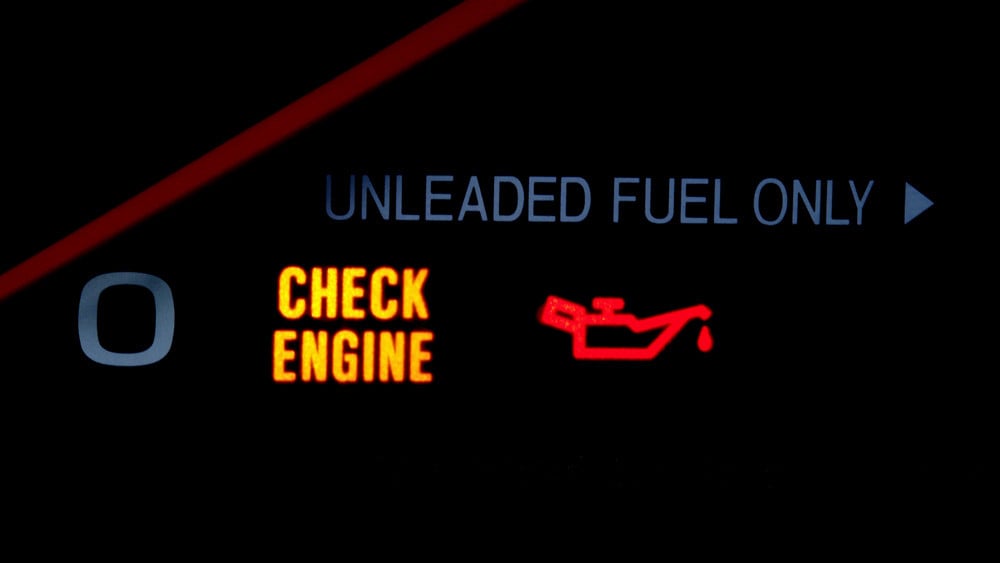
One of the most common symptoms of error code P0109 is an illuminated check engine lamp. Here are other, more specific symptoms you should look out for:
- Engine hesitation
- Poor engine performance
- Bad fuel economy
- Black smoke from the exhaust
Engine Hesitation
Intermittent MAP sensor signals can cause delays, bucking and jerking, stumbles, and others.
Poor Engine Performance
A faulty MAP sensor may cause the PCM to miscalculate air-fuel ratios, resulting in sluggish performance, power loss, and rough idling, depending on the nature of the failure.
Bad Fuel Economy
Incorrect MAP sensor data can lead to overly rich or lean air-fuel mixtures, reducing fuel efficiency. This inefficiency significantly impacts the car’s fuel economy.

Black Smoke from Exhaust
A malfunctioning MAP sensor can cause the PCM to enrich the fuel mixture excessively, leading to unburnt fuel exiting through the exhaust. This often produces thick black smoke and may indicate combustion issues.
How to Diagnose Code P0109
Diagnosing code P0109 may seem daunting if you’re a beginner, but it’s relatively straightforward if you have the right tools. The following are troubleshooting steps you can try to diagnose code P0109:
Review All Stored DTCs
Plug in your OBD-II scanner and review all of the displayed DTCs stored by the onboard computer.

Check the MAP Sensor
Locate the MAP sensor on your vehicle. It will likely be attached to your vehicle’s intake manifold. Check for signs of physical damage, corrosion, or misalignment. Also, check the connections or wiring for any issues.
Check for Leaks in the Air Intake System
Do a visual inspection of your vehicle’s air intake system. Check for any obvious air leaks.
Conduct Exhaust Back Pressure Test
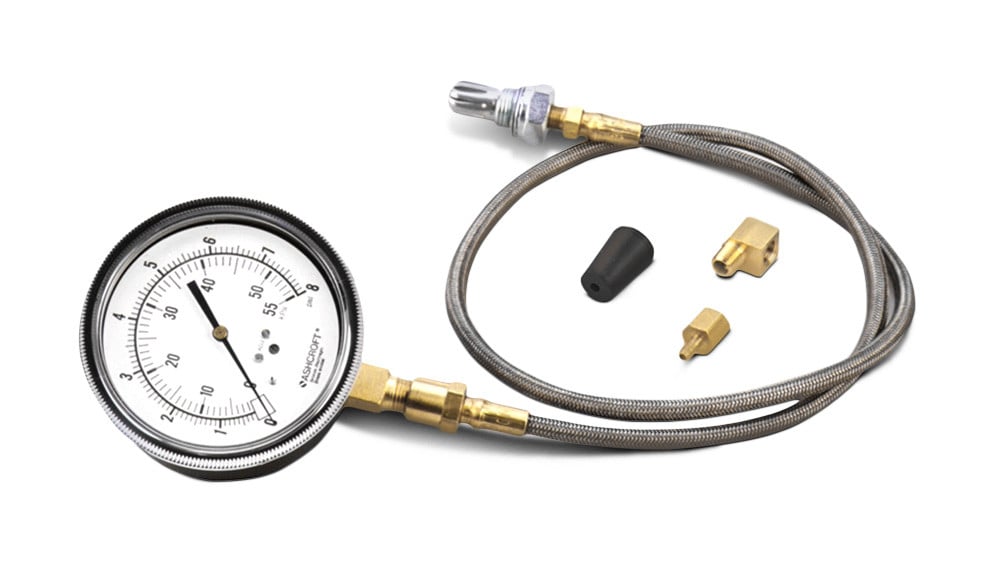
Do an exhaust back pressure test to determine if the catalytic converter is clogged or not. Measure the pressure of exhaust gases within the exhaust system through a specialized gauge, typically by removing the oxygen sensor and attaching the gauge in its place.
Check for Faulty PCM
If all other parts seem to be functioning normally, you may have a faulty PCM that needs replacing. Once all other causes have been ruled out, the PCM may be the issue.
How to Fix Code P0109
Once you’ve determined the root cause of the P0109 error code, it’s time to fix the issue. Keep in mind that there’s no single solution for OBD-II codes. That said, here are some common fixes for the P0109 code:
Check Technical Service Bulletins (TSBs)
Before proceeding with repairs, check for any TSBs related to code P0109 for your specific vehicle model. Manufacturers may have issued guidance or updates that can assist in diagnosing and fixing the issue more efficiently.
Repair Wiring and Connectors
Perform a visual inspection of the wiring and connectors associated with the MAP sensor. Look for signs of damage, corrosion, or loose connections, and repair or replace as necessary to ensure proper signal transmission.
Address Vacuum Leaks
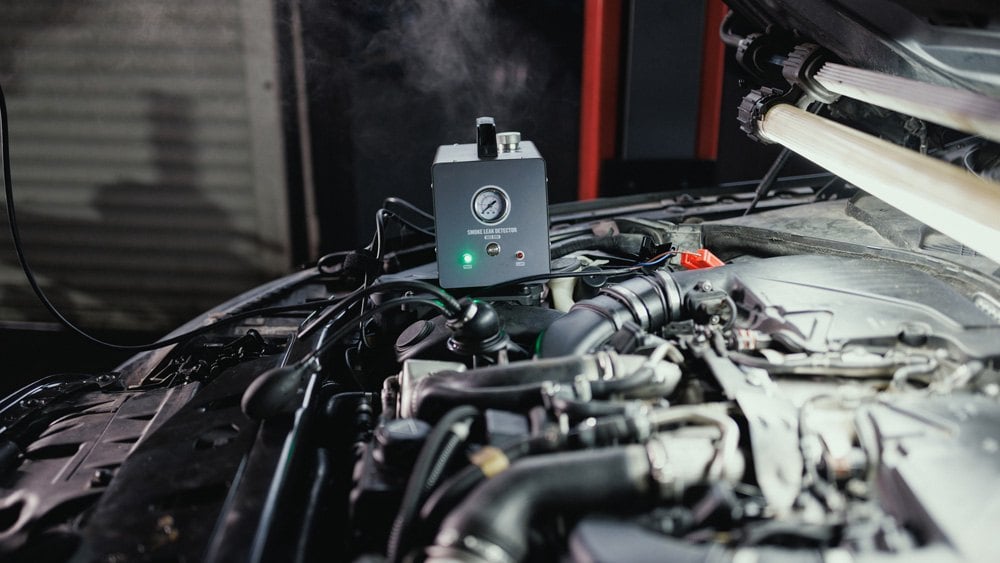
Test the intake system for any vacuum leaks that could affect the MAP sensor's readings. Addressing leaks can help restore accurate sensor performance.
Test and Replace MAP Sensor if Faulty
If the MAP sensor is determined to be malfunctioning after testing, replace it to ensure accurate manifold pressure readings. This will help the PCM manage the air-fuel mixture correctly.
Other Codes Related to P0109
Other codes related to P0109 involve errors with the MAP sensor circuit. Here are some relevant DTCs you should know about:
P0105
This code indicates an issue with the MAP sensor circuit, signaling that its input is outside the expected range. It may affect engine performance and fuel efficiency.
P0106
Error code P0106 is triggered when the MAP sensor provides an inconsistent or implausible signal to the ECM, often due to vacuum leaks, sensor faults, or wiring problems. This can cause rough idling and reduced performance.
P0107
Trouble code P0107 points to a low voltage signal from the MAP sensor, which typically suggests a short circuit or a faulty sensor. It can lead to poor throttle response and improper fuel-air mixture.
P0108
DTC P0108 is set when the MAP sensor signal voltage is excessively high, often caused by sensor malfunction, wiring issues, or intake manifold pressure problems. This can result in hard starts and diminished fuel economy.
FAQ
Where is the manifold air pressure sensor located?
The manifold air pressure sensor, more commonly known as the manifold absolute pressure sensor, is usually located on the intake manifold, either next to or on the throttle body itself.
Can you drive with a P0109 code?
You can drive with a stored P0109 error code, but it’s not advisable. When trouble code P0109 is stored, it means your vehicle may already be experiencing engine issues, and driving may worsen the problem and affect drivability.