
A functional idle air control (IAC) valve ensures that your car’s engine maintains a consistent idle speed. A malfunctioning IAC valve can negatively impact acceleration and the smooth operation of your vehicle’s emissions control system.
In this article, we’ll go over the most common symptoms of a bad idle air control valve.
What are the Signs of a Bad Idle Air Control Valve?
If you suspect that you have a bad idle air control valve, here are some of the possible indicators that this may indeed be the case:

Check Engine Light is On
Your vehicle’s powertrain control module (PCM), which controls and monitors the IAC valve, will turn on the Check Engine Light if it detects a problem with the valve’s behavior. The PCM will then store a corresponding diagnostic trouble code (DTC) in its memory. This is usually P0505 (Idle Control System Malfunction) or other codes, depending on the specific issue.
Erratic Idle Speed
The IAC valve is programmed to regulate and maintain a constant idle speed in your car’s engine. Once this valve starts to malfunction, it won’t be able to control the idle speed anymore. This leads to abnormally high or low idle speed, or in some cases, fluctuating idle speed.
Engine Stalling
A faulty IAC valve could cause the engine to stall, especially when coming to a stop or when the engine is cold. The valve may not allow enough air to pass through, leading to insufficient airflow when idle, causing the engine to stall.
Additionally, a malfunctioning IAC valve can lead to engine overload and stalling. When accessories like the AC or power steering are in use, the engine’s load increases. The IAC valve prevents overload by adjusting the idle speed accordingly. Therefore, if the valve is malfunctioning or has gone bad, the engine may stall as a result.
Engine Won’t Start
Your car’s engine requires an optimal mixture of air and fuel to run efficiently. A problematic IAC valve can disrupt this mixture, leading to subpar conditions that may prevent the engine from starting.
Poor Fuel Economy
A bad idle air control valve could also lead to reduced fuel economy. Since the valve helps regulate air intake when idle, a malfunction could lead to inefficient engine operation. This could result in increased fuel consumption.

What Does the Idle Air Control Valve Do?
To better understand how these symptoms arise, it’s essential to explore the inner workings of the idle air control valve and its crucial role in regulating engine performance.
What is an Idle Air Control Valve?
The idle air control valve controls the engine’s idling rotational speed (RPM). It is commonly found in fuel-injected vehicles. In fact, before the adoption of electronic throttle control (ETC) systems, these components were standard in most vehicles with fuel injection.
While modern vehicles equipped with ETC systems do not have IAC valves, some newer vehicles (especially lower-cost models and designs that use mechanical throttle bodies) may still have this component.
How Does an Idle Air Control Valve Work?
The IAC valve controls the amount of air circulating around the enclosed throttle plate in the throttle body. It is controlled by the engine’s onboard engine computer system, which adjusts the valve’s position based on various parameters, including engine temperature and AC usage.
This valve has a solenoid or valve-operating coil that opens and closes to regulate airflow. The amount of air restricted by the valve is determined by the electric current that runs through the solenoid. This allows an optimal amount of airflow to be maintained and responds to changes in the engine load.
Where is the Idle Air Control Valve Located?
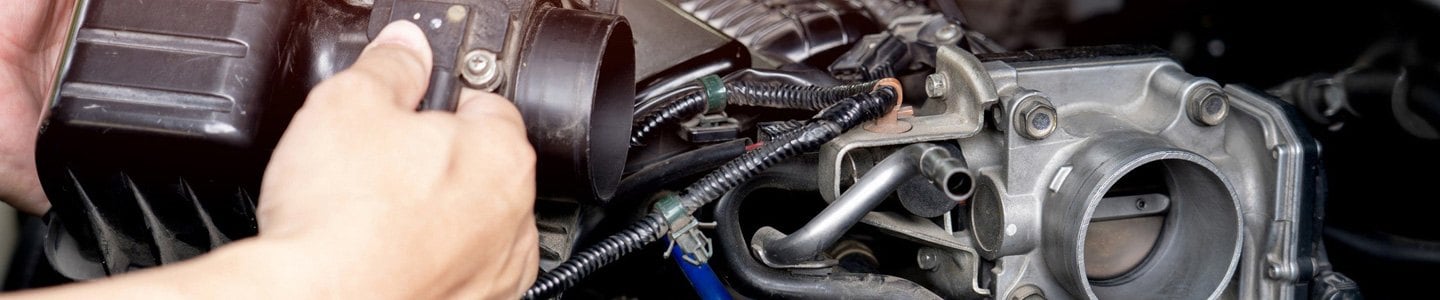
The idle air control valve is usually located on or near the throttle body of fuel-injected engines. While the exact location of your vehicle’s IAC valve will depend on its make and model, it’s generally attached to the throttle body (which is connected to the intake manifold).

Idle Air Control Valve Replacement Cost
The cost of replacing an idle air control valve will depend on various factors, including the make and model of your vehicle, the cost of the replacement part, and the labor rates in your area. Generally, the price range for high-quality aftermarket IAC valves can be as high as $1,500 or as low as $12.
Unless you go the DIY route, expect to pay a few hundred to almost $2,000 to have your IAC valve replaced by a professional mechanic.
FAQ
What happens if you unplug an idle air control valve?
Given its vital role in your engine’s performance, unplugging the idle air control valve could lead to serious consequences. Unplugging the valve when the engine is idling could cause the engine RPMs to drop suddenly, potentially leading to stalling. Unplugging this component will also trigger the Check Engine Light. Your vehicle’s engine control unit (ECU) will detect a loss of communication with the valve and will throw a code.
Other negative consequences of unplugging the valve include increased fuel consumption, irregular air-fuel mixture readings, as well as damage to the catalytic converter and other engine components.
Can you clean an idle air control valve?
Yes, you can clean your vehicle’s idle air control valve. Due to the constant flow of air, the valve becomes clogged with carbon buildup over time. Cleaning the valve could restore its functionality and reduce engine performance issues. However, if the valve has been damaged or is malfunctioning due to wear, cleaning may not help and the valve will need to be replaced.
Can you drive with a bad idle air control valve?
While you could technically drive with a bad idle air control valve, it is not recommended. Driving with a faulty IAC valve could lead to various issues—including stalling, erratic idle, difficulty starting the vehicle, and poor fuel economy. Aside from the road safety and engine performance issues, you won’t be able to pass a state emissions test if the Check Engine Light is on due to a malfunctioning valve.