Track & Competition Tires
-
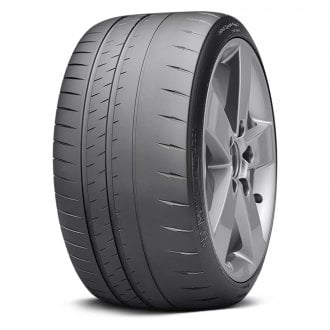 MICHELIN TIRES® - PILOT SPORT CUP 2 ZP (RUN FLAT)$590.99 - $768.99
 -
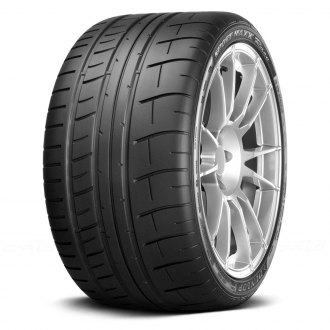 DUNLOP TIRES® - SP SPORT MAXX RACE$433.29 - $549.43
 -

-
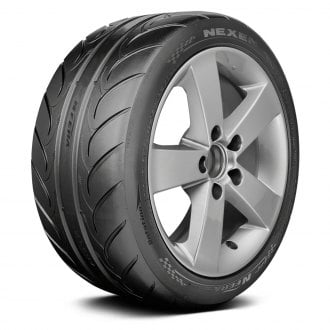
 NEXEN® - N FERA SUR4G$482.00
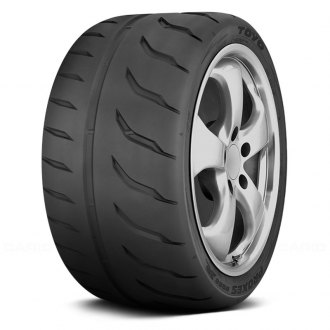
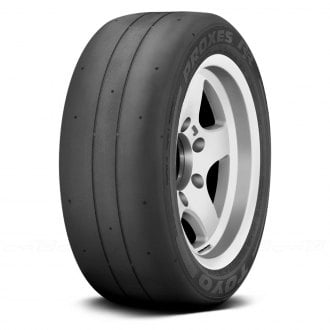
 - TOYO TIRES® - PROXES R888R$182.77 - $722.77
- TOYO TIRES® - PROXES RR$226.82 - $571.93
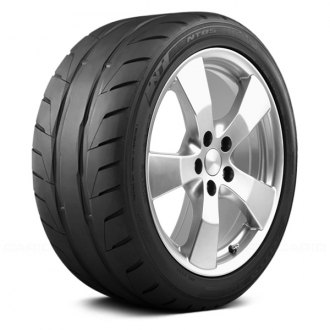
- NITTO® - NT05$150.92 - $576.57
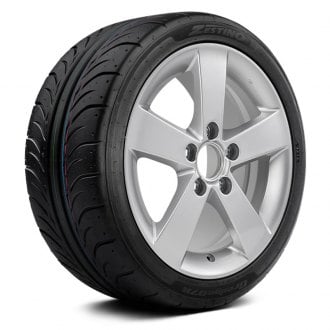
- ZESTINO® - GREDGE 07RS$89.82 - $196.17
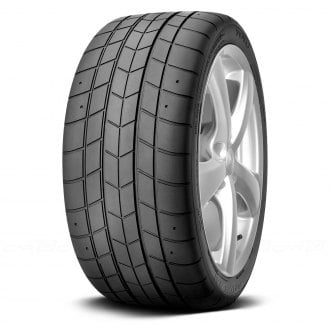
- TOYO TIRES® - PROXES RA1$230.85 - $294.37
- TOYO TIRES® - PROXES R$238.16 - $600.50
- NITTO® - NT01$205.10 - $664.29
- MICHELIN TIRES® - PILOT SPORT CUP 2 CONNECT (240)$220.61 - $889.99
- MICHELIN TIRES® - PILOT SPORT CUP 2$348.99 - $789.99
- MICHELIN TIRES® - PILOT SPORT CUP 2 R$518.99 - $917.95
- PIRELLI TIRES® - P ZERO CORSA SYSTEM ASIMMETRICO$368.67 - $1,028.18
- PIRELLI TIRES® - P ZERO CORSA PZC4$509.34 - $1,993.63
- PIRELLI TIRES® - P ZERO CORSA SYSTEM ASIMMETRICO 2$543.31 - $1,873.17
- PIRELLI TIRES® - P ZERO TROFEO RS$707.94 - $710.12
- PIRELLI TIRES® - P ZERO CORSA PZC4 EV$870.15 - $1,145.41
- GOODYEAR TIRES® - EAGLE F1 SUPERCAR 3R$401.99 - $654.04
- BRIDGESTONE TIRES® - POTENZA RE-71RZ$217.65 - $578.04
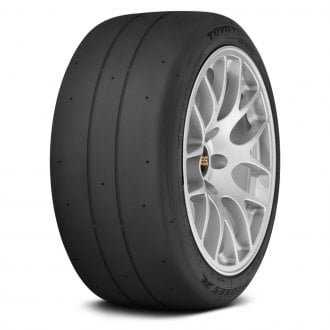
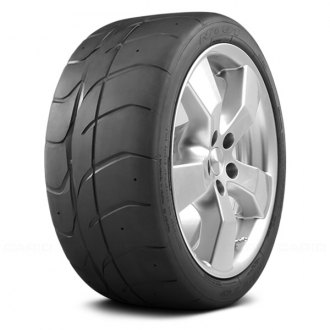
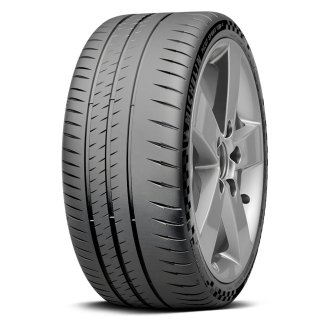
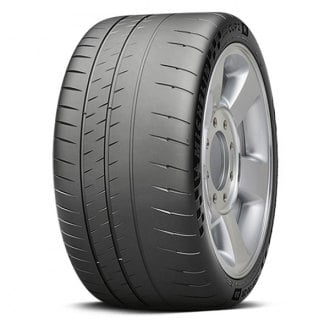
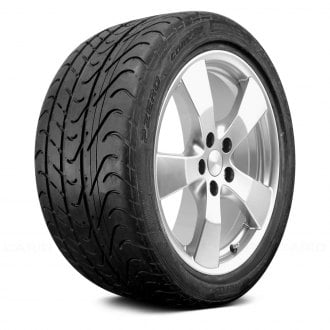
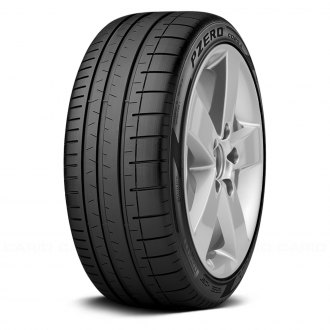
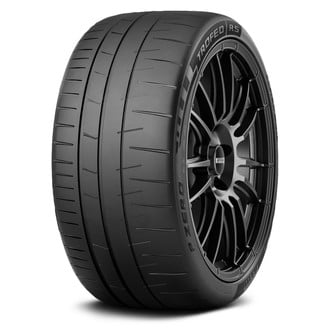
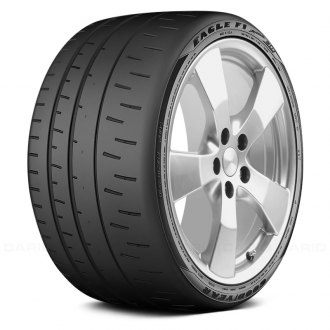

A tire’s primary function is to provide traction so the vehicle can respond to inputs from the driver and accelerate, turn, and stop accordingly. Nowhere is this task more difficult to successfully achieve than on the racetrack. You can spend a fortune making a massive amount of horsepower, tuning suspension and upgrading brakes, but it won’t get you any trophies if your tires don’t grip. Whether you get your thrills launching hard at the drag strip, carving corners on a road course, dodging cones in autocross, or drifting through the turns, we have the tires to get you in the winner’s circle.
Unlike passenger car tires that must have tread for bite on ice and snow, and grooves to channel water on wet roads to prevent hydroplaning, “slicks”, the most extreme form of competition tires, have no tread or grooving. Drag races and most road races are held on dry, smooth concrete or asphalt tracks, and to get the best traction on these surfaces you need maximum rubber contact. Tread not only isn’t necessary under such conditions, it’s actually detrimental to optimal grip. But slicks are much more than tires without tread, their superior adhesion is also derived from a softer rubber compound.
Rubber compound has as much to do with traction as tread design even on a street tire. In fact, winter/snow tires are made with rubber that stays pliable at low temperatures for better grip on ice and snow. But softer tires also wear faster, which reduces tread life. Since drivers want tires that last long as well as traction, tire engineers have to strike a balance between traction and tire life when designing passenger car tires. However, when winning is the goal, racing tires must have the rubber compound that provides maximum traction, and short tire life doesn’t matter. Racing teams at the professional level go through numerous tires during an event. NASCAR teams may use as many as 10 sets of tires during a race, and the tires on NHRA top fuel dragsters and funny cars last only a few runs.
Racing slicks are designed to be stickiest within a narrow, elevated temperature range. They are routinely covered to keep them warm before an event, and drag racers do burnouts and road racers zig-zag during warmup laps to heat up the tires. Racing slicks are specifically designed for each type of racing and even for particular tracks. Bias ply slicks for drag racing have sidewalls that are not as rigid so they can flex. These “wrinkle walls” absorb some of the shock when the car is launched, preventing the tires from breaking traction so the car can launch harder. However, such tires would be dangerous trying to turn a corner at speed. Racing slicks designed for road courses and circle tracks have the sidewall strength to maintain vehicle stability and handling precision in turns.
Full slicks are the best setup for pure racing cars that never see the street, but what if you occasionally take your high-performance street car to the track or want to wow the crowd at the drive-in now and then with your track car? DOT (Department of Transportation) tires, sometimes called street slicks, are the answer. They have a minimal amount of tread, just enough to be DOT approved for street use, and although the rubber compound on DOT tires may not be as soft as an all-out racing slick, they’re still stickier than the most extreme performance summer tires, so you’ll have plenty of grip. DOT tires come in bias ply versions for drag racing and drag radials, plus there are DOT track tires designed for use in road racing and autocross.
Like their full race cousins, bias ply DOT tires are great for straight-line racing but don’t have the sidewall strength for regular cornering. Drag radials have stronger sidewalls and are the better choice if you want to be able to drive back and forth to the strip and leave hard at the Christmas tree, but they’re still designed primarily for drag racing. There are DOT tires designed for road racing and autocross, and some DOT tires excel at all 3 forms of competition. Nevertheless, even though DOT tires are street legal, it doesn’t mean they can handle regular street use. The minimal amount of tread and shallow tread depth aren’t sufficient to expel water from under the tires in the rain, and the soft rubber compound ensures that they won’t last very long.
If you’re looking for sticky tires for track days that are also genuinely streetable, summer performance tires may be a better choice. Summer performance tires also have minimal tread to present as much rubber to the driving surface as possible, but they have much more tread than DOT tires and it’s specially designed for safe driving, even in the rain. The grooves are shallow, but optimized to expel water and prevent hydroplaning on wet summer roads. And although the wear rate ultimately depends on how hard you use them, you should experience longer tire life with summer performance tires than DOT tires, even with the stickiest versions labeled “extreme performance”, “ultra high performance”, or “max performance”.