Fuel Efficient Tires
-
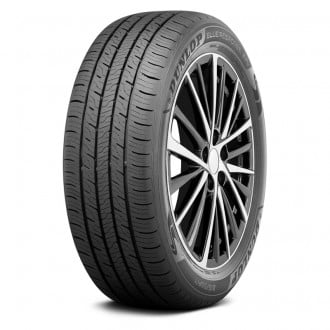 DUNLOP TIRES® - BLUE RESPONSE A/S$100.00 - $305.00
 -
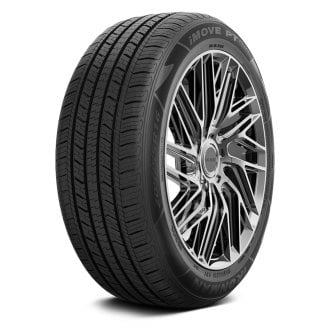 IRONMAN® - IMOVE PT PLUS$48.00 - $112.00
 -
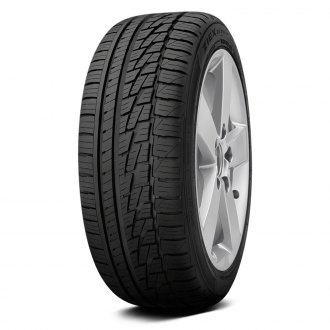 FALKEN® - ZIEX ZE950$80.69 - $190.54
 -
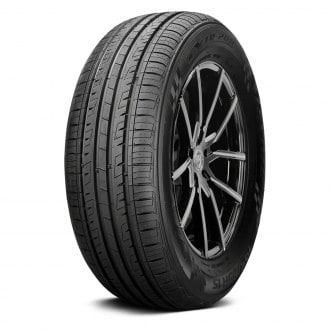
 LEXANI TIRES® - LXTR-203$57.34 - $94.74
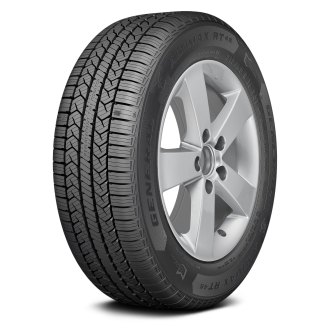
 - GENERAL® - ALTIMAX RT45$103.99 - $234.99
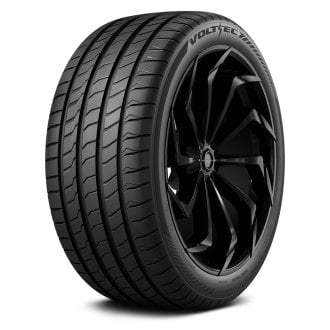
- LEXANI TIRES® - VOLT-EC$123.86 - $200.37
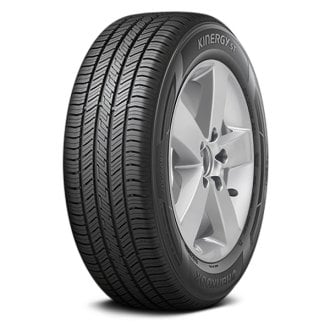
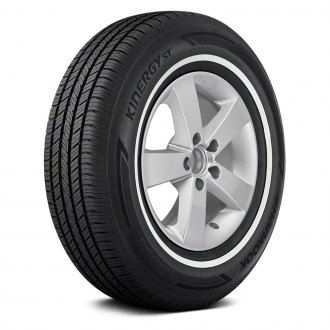
- HANKOOK® - KINERGY ST H735$84.99 - $196.99
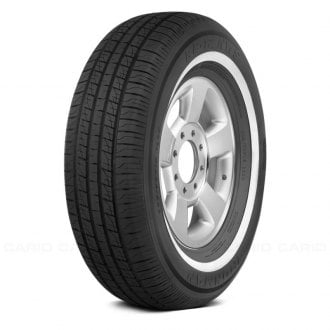
- IRONMAN® - RB-12 NWS WITH WHITE WALL$76.00 - $125.00
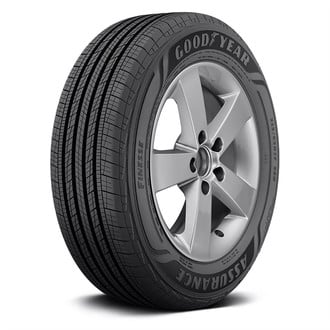
- GOODYEAR TIRES® - ASSURANCE FINESSE$117.91 - $327.79
- HANKOOK® - KINERGY ST H735 WITH WHITE WALL$100.99 - $120.99
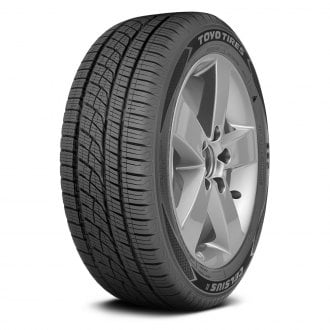
- TOYO TIRES® - CELSIUS II$106.47 - $340.59
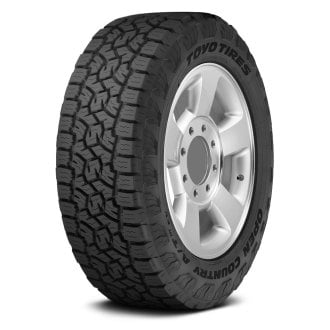
- TOYO TIRES® - OPEN COUNTRY A/T III EV$317.75 - $662.48
- TOYO TIRES® - M156$465.24 - $715.23
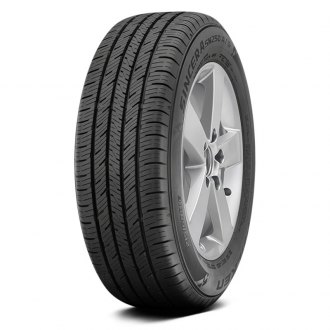
- FALKEN® - SINCERA SN250$77.00 - $227.48
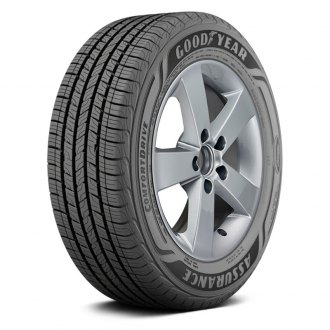
- GOODYEAR TIRES® - ASSURANCE COMFORTDRIVE$154.99 - $299.49
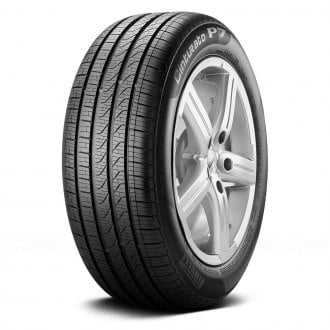
- PIRELLI TIRES® - CINTURATO P7 A/S$179.34 - $692.48
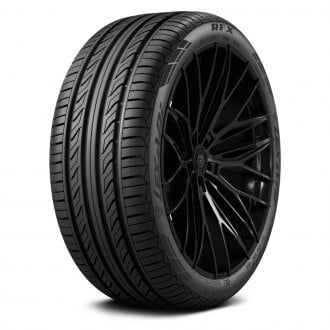
- LEXANI TIRES® - RFX$121.07 - $194.27
- TOYO TIRES® - M671A$501.10 - $530.27
- PIRELLI TIRES® - CINTURATO P7 A/S EV$239.46 - $526.04
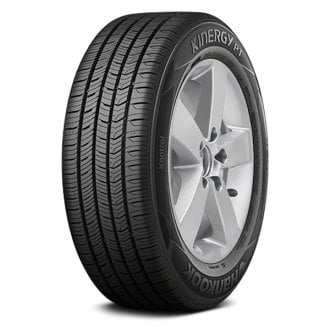
- HANKOOK® - KINERGY PT H737$113.99 - $245.69
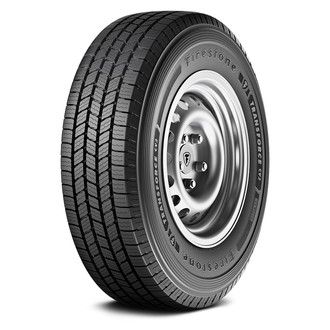
- FIRESTONE® - TRANSFORCE CV2$171.98 - $233.26
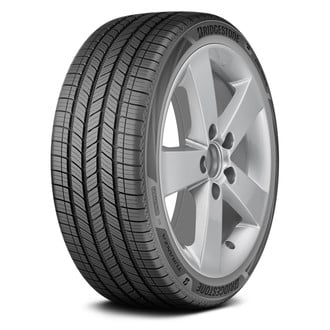
- BRIDGESTONE TIRES® - TURANZA EV$219.27 - $453.69
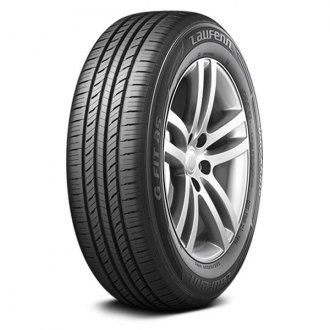
- LAUFENN® - G FIT AS$73.99 - $121.99
- TOYO TIRES® - PROXES G-TOUR$141.37 - $264.61
- TOYO TIRES® - PROXES A27$155.81
- TOYO TIRES® - PROXES A05B$161.63
- TOYO TIRES® - M165$183.58 - $214.46
- TOYO TIRES® - PROXES T1R$201.49
- TOYO TIRES® - A22$266.34
- TOYO TIRES® - M171PLUS$373.27 - $563.84



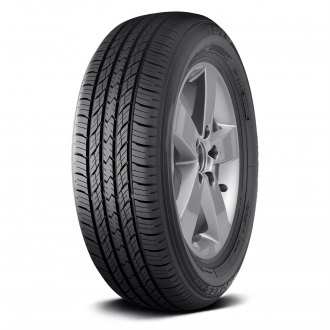
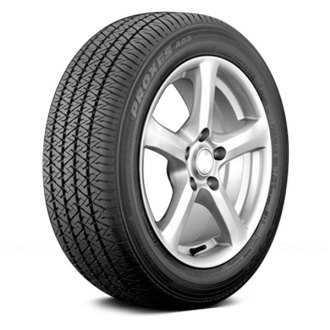

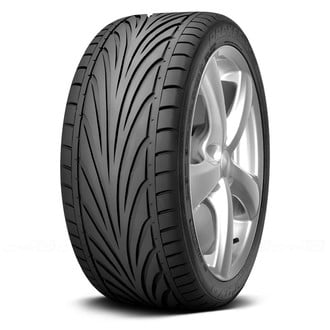
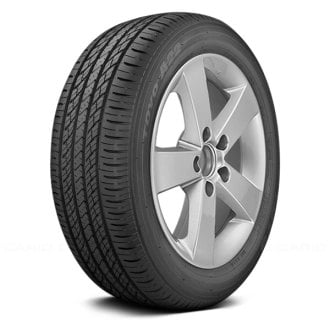

Many factors affect fuel economy: vehicle weight, engine efficiency, aerodynamic drag, and driveline friction are major influences. They’re why a small, lightweight, sleek-bodied car with a 4-cylinder engine and front-wheel drive generally gets better mileage than a big, heavy and boxy V8 powered 4x4 truck. But the way you drive, stop-and-go traffic vs highway, and where you drive, flat terrain vs steep grades, also affect mpg numbers. Another significant factor that many don’t consider is their tires, but if you want to save money on gas our fuel efficient tires can help keep cash in your pocket.
All tires have a certain amount of rolling resistance, which consumes energy to overcome. The resistance is caused by the rolling tire continually going from its unloaded state, deforming and flattening against the road as it supports the weight of the vehicle, and back again, and by friction between the tire tread and the road surface. Rolling resistance is the force required to keep the loaded tires rolling forward at a given speed. It can be as much as 25% of the total resistance that a vehicle must overcome to move, and account for as much as 7% of fuel consumption.
There are many ways to reduce a tire’s rolling resistance. Less aggressive tread patterns and shallower voids between tread blocks that don’t allow the tread blocks to squirm as much under load can reduce friction. So can a harder rubber compound and stiffer sidewalls that prevent the tire from deforming as much under load. However, there are negative aspects to these alternatives. Tread that is shallower and less aggressive, and a harder rubber compound, may not provide the traction needed for safe cornering and braking. Stiffer sidewall construction can make the tire heavier, which can increase rolling resistance, and also result in a rough ride. When designing low rolling resistance tires, tire engineers have to balance fuel economy with performance, safety and ride quality.
The development of low rolling resistance tires was driven by the vehicle manufacturers need to meet CAFÉ (Corporate Average Fuel Economy) standards. Increased use of lightweight materials, start/stop engine technology, active aerodynamics, more transmission gears, as well as low rolling resistance tires all play a part in improving fuel efficiency. A tire’s rolling resistance is calculated by measuring the force required to rotate the tire at a constant speed against a steel drum, and then dividing that figure by the load specified for that tire size. In general, a larger tire will have higher rolling resistance than a smaller tire. Rolling resistance will also decrease as tires wear, so although fuel economy may be slightly reduced with new tires, it will improve as you drive.
Switching to low rolling resistance tires can improve fuel mileage by as much as 1-2 miles per gallon. All of the top brands you’ll find on our digital shelves offer fuel efficient, low rolling resistance tires that can save you money, and they’re available in all season, summer, performance, and winter/snow designs for cars, trucks, SUVs and crossovers. Our informative product descriptions will help you make the right choice, but if you’re unsure which tire is right for your vehicle, you can’t go wrong with the OE tire. Most manufacturers equip their new vehicles with fuel efficient tires, and many of the tires you’ll find in our selection are the same as original equipment. Finally, to get the most benefit from low rolling resistance tires, make sure that they’re always properly inflated.