Suspension Self Leveling Sensors
Select Department
-
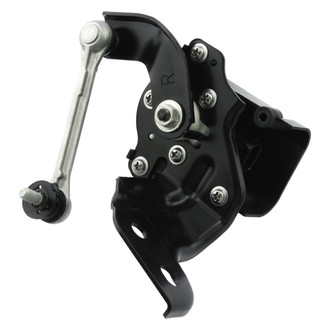
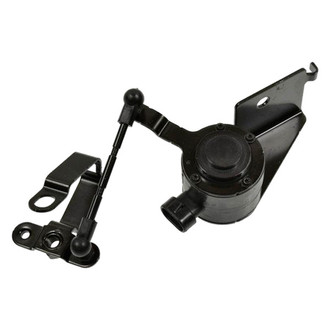 Standard® - Rear Driver Side Suspension Ride Height Sensor (VHS108)$125.43 + Save an extra $6.30 with iD FastTrack
 -
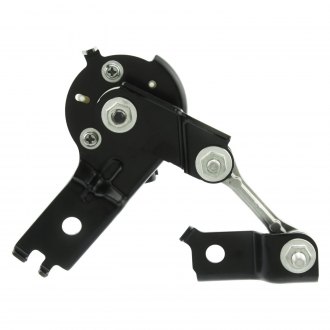
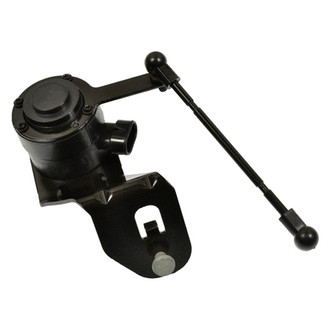 Standard® - Rear Suspension Ride Height Sensor (VHS122)$69.92 + Save an extra $2.70 with iD FastTrack
 -
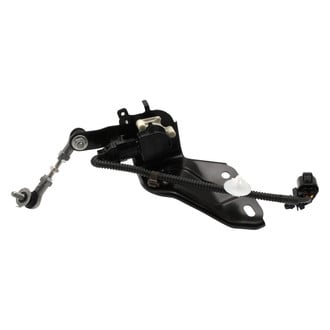
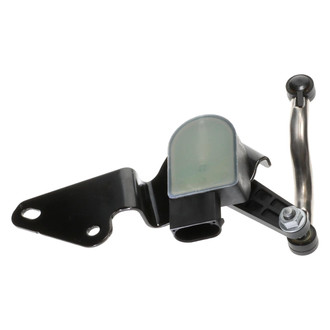 Standard® - Ride Height Sensor (VHS127)$202.80 + Free Shipping with iD FastTrack
 -

-
-
-
-
-
-
-
-
-
-
-
-
-
-
-
-
-
-
-
-
-
-
-
-
-
-
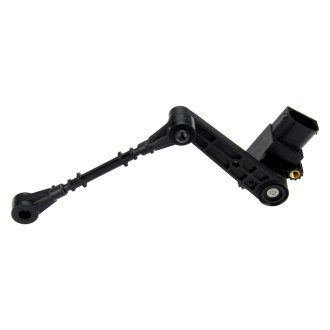
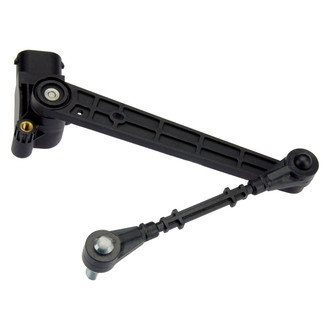
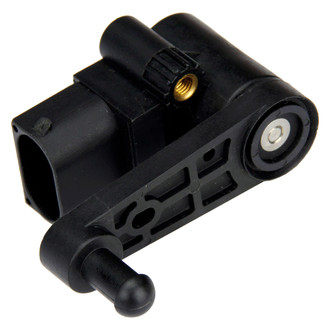
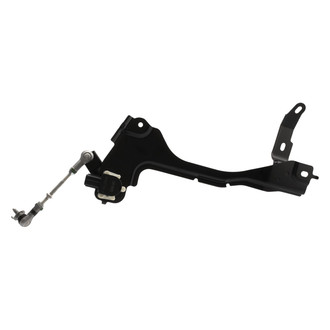
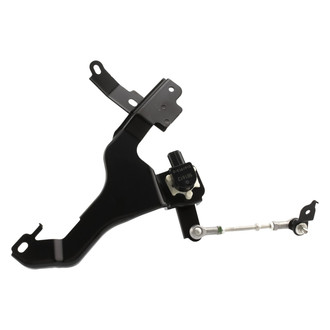
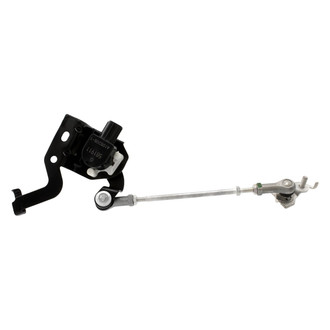
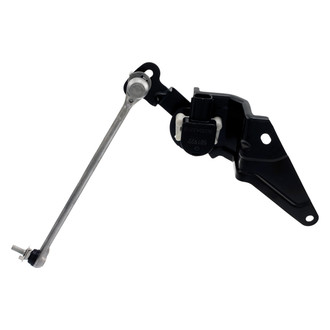
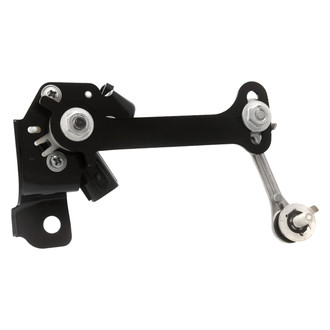
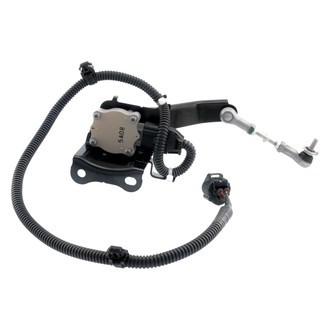
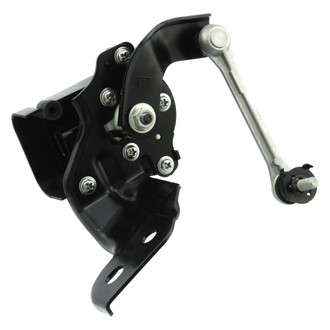
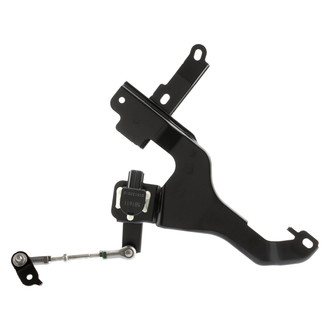
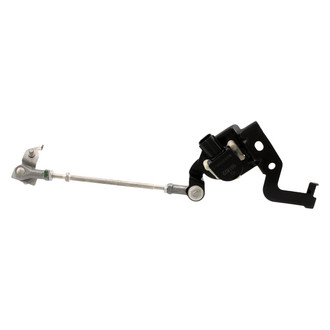
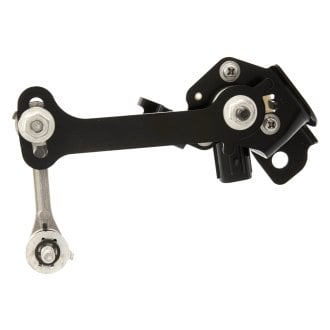
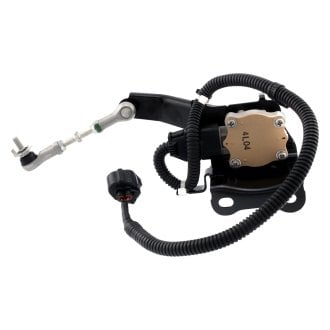
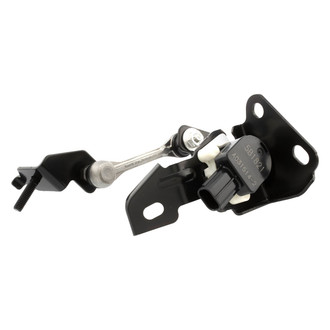
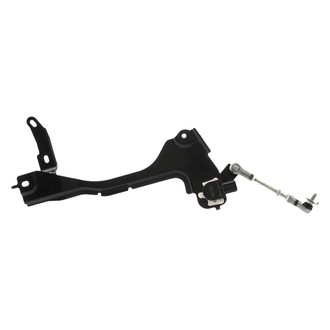
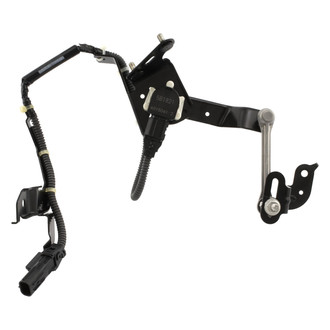
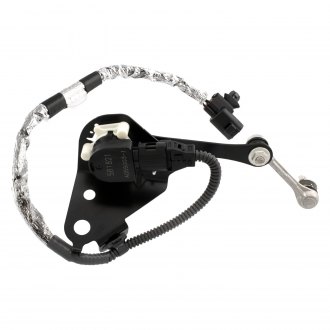
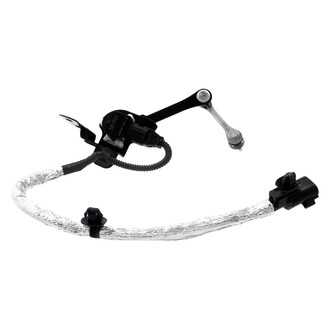
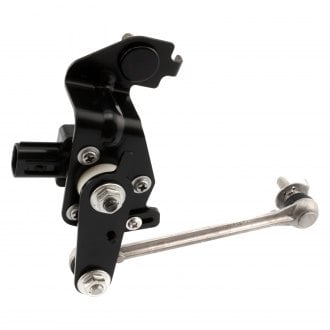
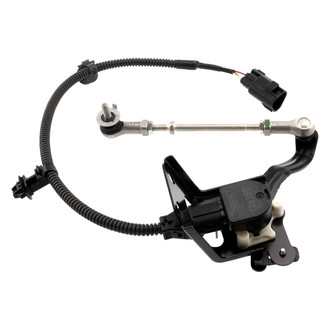
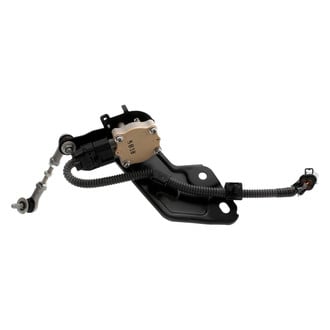
Maintaining a car or truck at its proper ride height is important for many reasons. Every vehicle is designed so the body has a specified relationship to the suspension and to the ground. This permits the wheels to have their full range of suspension movement within the wheel wells, and prevents the undercarriage from being damaged by contact with road. However, when passengers and/or cargo are added to the vehicle, ride height can change.
We’ve all seen what happens when a vehicle with conventional coil and/or leaf spring suspension is loaded. It sags in the rear, the suspension bottoms out, and the headlights illuminate the sky instead of the road. But more importantly, this condition can adversely affect handling and cause abnormal tire wear. Vehicles with self-leveling air suspension can maintain ride height when loads are added and subtracted, for safe, predictable handling.
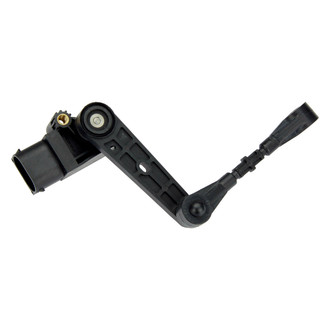
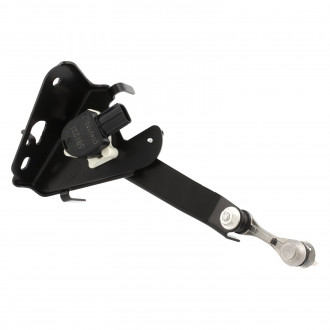
A self-leveling suspension system has an on-board air compressor and air springs or shocks at each rear wheel. Some systems may have air suspension units at all four wheels. Air lines connect the air springs or shocks with the compressor, and an electronic control module controls compressor operation. The suspension height sensor, also known as a ride height sensor or self-leveling sensor, signals the control module when there is a change in vehicle height. The height sensor is located on the frame or body, with an arm connected to a suspension member such as an axle housing or control arm.
When the vehicle is loaded with cargo and/or passengers, the distance between the suspension and body decreases, and the height sensor sends this information to the control module in the form of an electrical signal. The module in turn directs the compressor to run and pump up the air springs/shocks. The height sensor signals the module to turn the compressor off when proper ride height is attained. When the load is removed, the distance between the suspension and body increases. In response to the height sensor signal, the module directs solenoids at the air springs/shocks to release air and restore proper ride height.
A faulty height sensor will not provide the correct ride height information to the control module. Without an accurate signal the module will not know when to provide or release air at the air springs/shocks. This can result in a vehicle that sags in the rear because of insufficient air or is too high because of excess air. But no matter the cause of height sensor failure, we can supply you with a replacement sensor to restore self-leveling operation. Our sensors are engineered to OE specifications so they’ll fit and function the same as the factory unit, but at a much better price than you’d pay at the dealer.
Browse by Part Name
Featured Brands












Related Categories
- Shocks & Struts
- Control Arms
- Stabilizer Bar Links
- Coil Springs
- Coilover Kits
- Suspension Kits
- Lift Kits
- Lowering Kits
- Ball Joints
- Shock & Strut Mounts
- Air Suspension
- Sway Bars
- Suspension Bushings
- Leveling Kits
- Leaf Springs
- Alignment Kits
- Conversion Kits
- Helper Springs
- Skid Plates
- Subframe Braces
- Panhard Bars
- Bump Stops
- Strut Tower Braces
- Torsion Bars
- Handling Kits
- 4 Link Kits & Frames
- Traction Bars
- Torque Arms