GMC Sonoma Accessories & Parts
GMC Sonoma Parts


GMC Sonoma Wheels & Tires

GMC Sonoma Exterior Accessories
 Running Boards
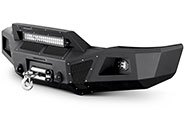
- Off-Road Bumpers
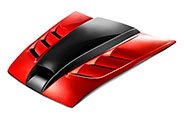
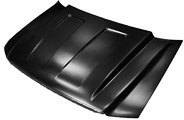
- Custom Hoods
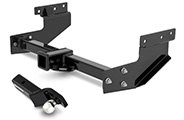
- Towing & Hitches
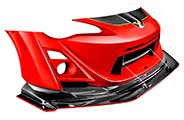
- Body Kits
- Mirrors
- Grille Guards
- Bed Accessories
- Chrome Trim
- Bug Deflectors
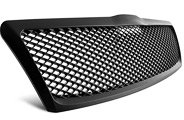
- Custom Grilles
- Tonneau Covers
- Wind Deflectors
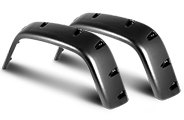
- Fender Flares
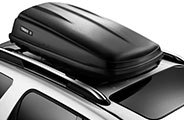
- Roof Racks
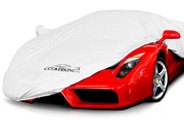
- Car Covers
- Car Bras
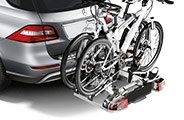
- Bike Racks
- Light Covers
- Wiper Blades
- Mud Flaps
- Emblems & Logos
- Car Tents
- Spoilers
- Winches
- License Plates & Frames
- Armor & Protection
- Sunroof Visors
- Spare Tire Covers & Carriers
- Custom Horns
- Car Wraps
- Snow Plows
- Auto Detailing


GMC Sonoma Automotive Lighting
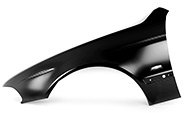
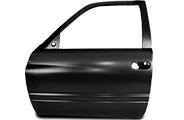
GMC Sonoma Body Parts

GMC Sonoma Interior Accessories
GMC Sonoma Maintenance
GMC Sonoma Audio & Electronics

GMC Sonoma Automotive Tools
- Diagnostic & Testing Tools
- Engine Service Tools
- Pullers & Installers
- Suspension & Steering Service Tools
- Wheel & Tire Service Tools
- Oil Change Tools
- A/C Tools & Equipment
- Spark Plug & Ignition Tools
- Cooling System Service Tools
- Exhaust System Service Tools
- Fuel System Service
- Transmission & Drivetrain Service Tools
- Automotive Paint
- Repair Manuals
- Jacks
- Brake Service Tools
- Automotive Lifts & Stands
- Lockout Kits
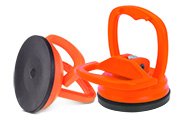
- Auto Glass Tools
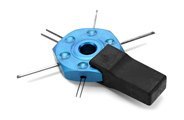
- Electrical System Tools
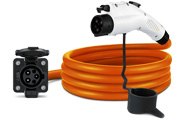
- EV Charging
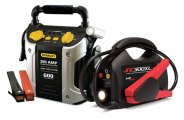
- Battery Chargers & Jump Starters
- Creepers
- Key Cutting Machines
- Dollies & Movers
- Auto Detailing
- Dent Repair Tools
- Service Carts
- Vehicle & Parts Protection
The GMC Sonoma is a compact pickup that dates back to the early 1970s and didn't come into its own until a decade later. It all started with the Isuzu KB, which was marketed as the Chevy LUV. Thanks to the oil crisis that rocked the auto industry during the ‘70s, it became a priority for GM to begin production on its own light pickup. By 1982, the S-series pickup trucks were introduced. Initially, the truck was known as the GMC S-15 and was essentially a twin to Chevy's S-10. A year into its run, the S-15 added Insta-Trac four-wheel drive as well as an extended cab version to the lineup. The truck featured various options and trim levels, including the Sierra, considered the luxury trim. The automaker also debuted the S-15 Jimmy midsize SUV to go along with its sibling, the Blazer. A 1.9L Isuzu inline four-cylinder engine was standard, but an Iron Duke inline four-cylinder and a pair of V6 options were available, as well. In 1984, a hydraulic clutch and a heavy-duty suspension were also implemented. Few notable changes were made the rest of the decade and come 1991, the S-15 was renamed the Sonoma. GMC discontinued the Sierra trim to alleviate any confusion for its new Sierra truck.
In 1992, GMC unveiled the Sonoma GT, a sportier take on the truck that showed off a 4.3L Vortec V6 engine rated at 165 horsepower. 1994 saw the arrival of the second-generation Sonoma available in three configurations: regular cab, extended cab, and crew cab. Standard was a 2.2L four-cylinder engine capable of around 118 horsepower but a beefier 4.3L V6 that topped off at 165 horsepower was also available. At the top was the 4.3L Vortec V6 which produced 195 horsepower. Engines were married to a choice of either a five-speed manual transmission or a four-speed automatic. There were three main trim levels for the GMC Sonoma: SL (base), SLS, and SLE (luxury), but a Highrider trim package was also obtainable. The base SL displayed the basics such as vinyl seats, while the SLS took it up a notch with cloth upholstery, air conditioning, cruise control, fog lights, and alloy wheels. The luxury-tinged SLE offered chrome trim and performance-oriented GMC Sonoma parts, which boosted the pickup's output. The Highrider trim showed off an off-roading attitude with a wider track, reinforced suspension, and larger tires. Not to be outdone, the ZQ8 package displayed a sports-tuned suspension, 16” alloy wheels, and a lower ride height. 1995 marked the first time a driver's side air bag appeared in the model.
In 1996, the Sportside bed became available. The Sportside bed offered an optional three-door cab and foldable jump seat. Also that same year some of the GMC Sonoma parts and components were revised, thus ABS brakes became standard equipment on all Sonoma variants and the 4.3L engine was upgraded. A refreshment came in 1998, where the most notable revisions were to the brakes and 2.2L inline four-cylinder engine. The last major change to the Sonoma came in 2001, when a four-door crew-cab version of the truck made its way into showrooms with the ability to fit up to five passengers. Although the model was discontinued in North America in 2004, it is still considered a viable presence on the road. During its time of service, the GMC Sonoma has received critical acclaim from around the industry. It was named one of the Top Five Vehicles in Price Per Pound by Automobile Magazine (1998), a Consumer Guide Recommended Buy (1999, 2000) and a Consumer Guide Best Buy (2001).
There is no substituting the important role that the Sonoma filled in GMC's lineup. The Sonoma provides a stop-gap option for the driver stuck in between a light-truck and going midsize. The proof is in GMC's focus to ensure the perfect amount of comfort and versatility that stands up to every other truck in its class. Simply put, the Sonoma is a solid and appealing reminder of what GMC can be capable of.
If you'd like to keep your truck going with a personal edge, GMC Sonoma Accessories and Parts are a necessity. With CARiD.com, you have a wide variety of the highest quality GMC Sonoma accessories and parts to do it right. We're talking the boldest billet grilles, classy wood dash kits, brute grille guards, and a whole lot more. Plus, all of our GMC Sonoma accessories and parts are produced by the best manufacturers in the game and priced at a value that will put a smile on your face. Go with style. Go with character. This is where the process begins.