Ford Mustang Accessories & Parts
Ford Mustang Parts


Ford Mustang Wheels & Tires

Ford Mustang Exterior Accessories
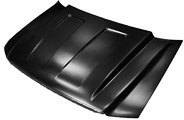
 Custom Hoods
- Towing & Hitches
- Body Kits
- Mirrors
- Bed Accessories
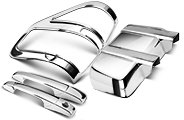
- Chrome Trim
- Bug Deflectors
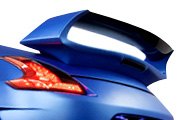
- Spoilers
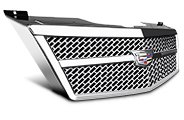
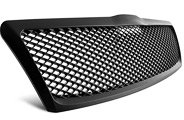
- Custom Grilles
- Wind Deflectors
- Fender Flares
- Roof Racks
- Car Covers
- Car Bras
- Bike Racks
- Light Covers
- Wiper Blades
- Mud Flaps
- License Plates & Frames
- Emblems & Logos
- Custom Horns
- Car Wraps
- Sunroof Visors
- Auto Detailing


Ford Mustang Automotive Lighting
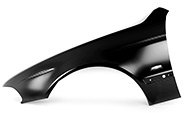
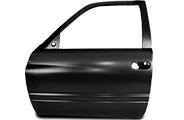
Ford Mustang Body Parts

Ford Mustang Interior Accessories

Ford Mustang Maintenance
Ford Mustang Audio & Electronics

Ford Mustang Automotive Tools
- Diagnostic & Testing Tools
- Engine Service Tools
- Pullers & Installers
- Suspension & Steering Service Tools
- Wheel & Tire Service Tools
- Oil Change Tools
- Jacks
- A/C Tools & Equipment
- Spark Plug & Ignition Tools
- Cooling System Service Tools
- Automotive Lifts & Stands
- Exhaust System Service Tools
- Fuel System Service
- Transmission & Drivetrain Service Tools
- Automotive Paint
- Repair Manuals
- Brake Service Tools
- Lockout Kits
- Auto Glass Tools
- Electrical System Tools
- EV Charging
- Battery Chargers & Jump Starters
- Creepers
- Key Cutting Machines
- Dollies & Movers
- Auto Detailing
- Dent Repair Tools
- Service Carts
- Vehicle & Parts Protection
Credited with helping reshape the American muscle car genre, the Mustang ''galloped'' onto the road in 1964 and quickly became Ford's most successful model launch since the Model A. The first generation Ford Mustang was powered by a V8 and was also responsible for the rise of the "pony car" segment – sports cars that featured shorter decks and longer hoods. Competitors such as the Plymouth Barracuda and Chevy Camaro were designed just to take a chunk out of Ford's popular new model. The Shelby Mustang (designed by Carroll Shelby) also helped initiate growing interest about the car. Sales were not expected to be overwhelming, but the Mustang surprised many. Easily shattering early expectations of under 100,000 units, Ford assembled more than one million Mustangs in the first year.
The seventies were not going to make it easy on the Mustang, so Ford had to make adjustments to Mustang parts. Due to the oil crisis, vehicles that were not deemed "fuel efficient" were no longer in demand, regardless of style or performance. The Mustang was scaled down for a short period of time and shared a platform with the Ford Pinto. It was still sporty, but lacked some of the flare the accessories of the first series generated. Despite the change, first year sales were strong, coming in at over 385,000 units sold. In 1975, a 302 CID V8 became available, as well as a more fuel-friendly option known as the MPG Stallion. The end of the decade saw the Ford Mustang make a return to its bolder ways. Now based off the Fox platform, it got a larger trunk, engine bay, and restyled interior, which helped the Mustang recapture some of its form. This helped keep the model popular with a diverse group throughout the bulk of the eighties and nineties, as body styles varied from hatchback to coupe.
The fifth-generation car was back to bringing power and style, equipped with improved Ford Mustang parts. The Mustang GT featured an aluminum block 4.6L modular V8, a Tremec T-5 5-speed manual transmission (automatic is also optional for the first time), and restyled exterior accessories that resemble the original design of the early sixties. The series entered production in 2005 and was manufactured in Flat Rock, Michigan. Sales of the Ford Mustang have been impressive, especially given the current automotive climate where subcompacts and crossover SUVs have become more desired. It is still very much the pinup car, as Ford has marketed the Mustang towards baby-boomers and youthful performance enthusiasts alike.
Long an icon, the Mustang has withstood the test of time and still has a long presence on the road. The knee-quivering horsepower and built-for-speed persona is still as present as ever, and its drivers seem to take these traits as their own. Even after enduring several changes, the legacy of the automobile never faltered. If anything, its reputation has grown even stronger. At CARiD.com, we know what every car is capable of and when it comes to Ford Mustang Accessories and Parts, we're especially knowledgeable.
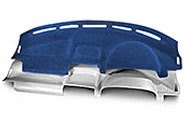
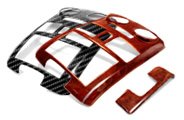
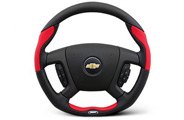
That's why our selection of Ford Mustang accessories and parts is filled with the highest quality options on the web. Grilles, wood dash kits, steering wheels, floor mats, and more are available from the biggest names at the most attractive prices. And of course, all of our Ford Mustang accessories and parts are guaranteed to provide exclusive quality and outstanding durability. Give your ride the cool upgrades that maintain its place at the top.
Customer Questions & Answers
Depending on configurations and options, the price for the 2017 Ford Mustang ranges from $25,185 to $42,695.
The Mustang was named in honor of the American P-51 Mustang fighter plane of World War II.
It measures 188.3 inches in length.
The Mustang was first brought to mass production in 1965, but its prototypes were developed in 1964 and are now considered to be valuable collector's items.
It is built in Flat Rock, Michigan.
The Mustang was named in honor of the American P-51 Mustang fighter plane of World War II.
Its engine output is rated at 421 hp max.