

Seeing a warning light on your dashboard can be nerve-wracking, but these alerts are there to help you catch issues early and avoid costly repairs. For instance, what does it mean when your oil pressure light—the one that looks like a genie lamp with a drop of oil at the end—comes on? And how do you get rid of it?
This guide will help you understand your vehicle’s oil pressure light and what to do when it comes on.

Oil Light on Dashboard: What Does It Mean?
If your vehicle’s oil pressure light comes on, it could be due to a number of things: low oil levels, dirty or poor-quality oil, blocked oil filters, and more. Ignoring this warning may result in insufficient engine lubrication or even severe engine damage.
Your engine’s oil system helps keep your engine cool, clean, and working properly. To do this, proper oil pressure throughout the system must be maintained. Most vehicles are equipped with a dashboard warning light to alert you when oil pressure drops. Here are some possible reasons why your oil pressure light may be on:
Low Oil Pressure
Your vehicle’s engine relies on an oil system to push oil through various channels, lubricating moving parts to reduce wear. The primary channel, called the oil gallery, supplies pressurized oil to connected components via the oil pump. To operate effectively, oil pressure generally needs to remain between 25 and 65 PSI. However, if it drops below about 8 PSI—typically when the oil is hot and thin—the oil pressure light will activate.
When oil pressure is low, the camshaft and lifters are often the first to suffer, as they’re farthest from the oil pump. Keep in mind, the oil pressure light only signals dangerously low levels, so it may not activate until pressure is already critically low.
Many vehicles display oil pressure on the instrument cluster, although some gauges only show a default middle reading when pressure is adequate (some Ford models use this type). Most vehicles, however, include both an oil pressure gauge and a warning light for greater awareness.
Low Oil Volume
Low oil volume can also trigger the oil pressure light. If you haven’t checked your oil in a long time, your vehicle’s oil levels may drop far below the operating level. Leaks or underlying issues that cause the engine to burn oil can also contribute to low oil levels.
Oil Leaks
An oil leak is another common issue that can trigger the oil pressure light by causing the oil level to drop. Fortunately, this is usually easy to spot—just check for a puddle of oil under your vehicle.

In some cases, oil may leak into the internal combustion chambers. When this happens, you might notice blue exhaust smoke and the smell of burning oil. Again, if left unchecked, oil levels will eventually drop dangerously low, as mentioned earlier.
Faulty Oil Pump
The oil pump is like the beating heart of your vehicle’s oil system, primarily responsible for circulating oil throughout the engine. And, as to be expected, any issues with the oil pump can activate the oil pressure light.
The oil pump features a relief valve, which may be integrated into the pump or located separately in the oil pump housing. If the relief valve becomes stuck or if the spring that maintains tension on the valve is broken, oil pressure will drop.
Although, it is a positive displacement pump, it cannot generate pressure without the resistance provided by the relief valve.
Dirty Oil
The oil system uses additives to clean and suspend contaminants, but particles can accumulate without regular oil changes. Short, cold trips or a too-cold thermostat can also lead to sludge formation, as the engine produces water that condenses in the crankcase when it doesn’t warm up fully. Sludge coats engine parts, clogs the oil pump pickup, and causes oil starvation.
The PCV system is crucial for preventing sludge, so it should be checked regularly. Short trips can also thin engine oil with gasoline, breaking it down faster. Unfortunately, the oil light often doesn’t warn of degraded oil until it’s too late, as worn bearings and increased clearance cause oil pressure loss. Regular checks can help catch issues early—if oil on the dipstick looks dark, thick, or smells unusual, it’s likely time for an oil change.
Oil Circulation Issues
Changes in oil viscosity or sludge buildup can affect the flow of engine oil, potentially causing the oil pressure light to activate depending on the location of the clog. The pickup screen is especially critical; if it becomes clogged, it can lead to severe engine damage. In an older car with a sludge-filled engine, sludge may melt from the upper parts, eventually reaching the pan and causing blockages as mentioned earlier.
Another issue impacting oil flow is a cracked or missing gallery plug, which covers certain holes in some engines. If damaged, gallery plugs can disrupt oil flow, also triggering the oil pressure light. Typically, this issue results in a pressurized oil leak that is more evident.
Malfunctioning Oil Pressure Sensor
A faulty oil pressure sensor or related wiring can also cause the oil pressure light to come on. The oil pressure sensor, typically located in the cylinder block near the oil filter, monitors oil pressure and triggers the warning light if the pressure drops below a certain level or, in some cases, becomes too high.
If you’ve confirmed that your vehicle’s oil levels and quality are adequate, the issue may lie with a faulty sensor. In cases of high oil pressure, the likely culprit is a stuck-closed oil pump relief valve.
Additionally, shorted wires leading to the oil pressure sensor can also cause the oil light to illuminate.
Symptoms of Low Oil Pressure
When the oil pressure light illuminates, the oil pressure or oil level in your vehicle may have already sunk below optimal operating levels. How can you tell if your vehicle has low oil pressure, apart from the illumination of this warning light? Here are a few other symptoms of low oil pressure:
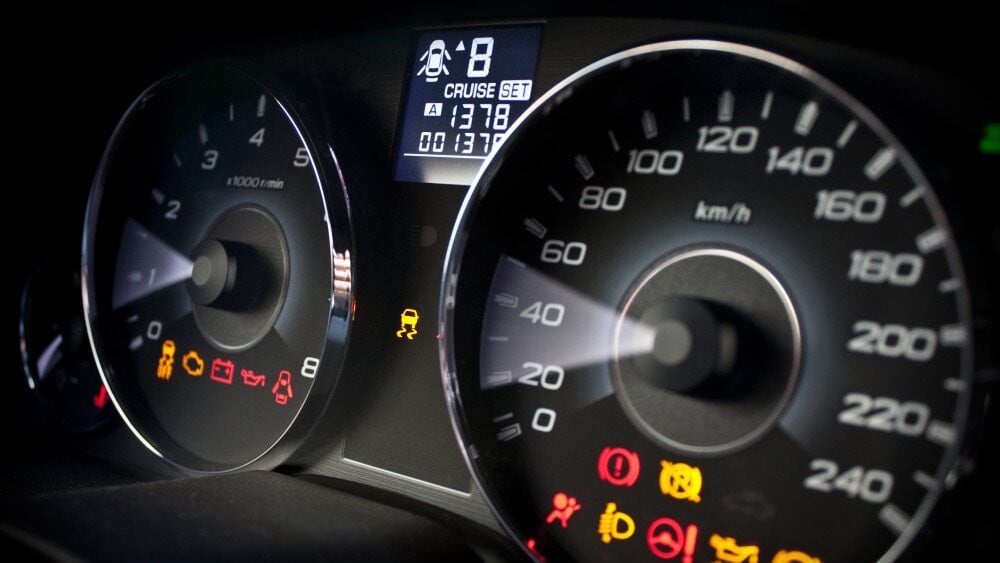
Other Warning Lights Illuminated
In addition to the oil pressure light, other dashboard indicators can signal oil pressure issues. If your vehicle has an oil pressure gauge, it may show a low reading when oil pressure drops. In some cases, the check engine light may also come on.
As mentioned, most vehicles are equipped with both an oil pressure gauge and a warning light for monitoring.
Unusual Engine Noises
Another telltale sign of low oil pressure is unusual engine noises. You may hear tapping noises from the upper part of the inside of the engine because low pressure affects the valve train components first (lifters and camshaft). On engines with timing chains, oil pressure typically operates the tensioner, and low pressure can cause rattling or tapping sounds from the timing chain.
When a low oil pressure condition lasts long enough, this may manifest as knocking sounds from the crankshaft. If this happens, your engine may seize soon.
Vehicle Running Rough
Many modern vehicles have variable valve timing technology or VVT. This system uses engine oil pressure to operate a camshaft-mounted actuator that changes the valve timing. Low oil pressure may result in the VVT malfunctioning, which manifests as your engine running rough.
Oil sludge is one of the worst enemies of VVT systems, so keep up with oil changes and don’t shut the engine off until it’s warm.
Oil Change Light vs. Oil Pressure Light vs. Oil Level Light
The oil change light, oil pressure light, and oil level light are all different indicators or warning lights on your dashboard. The oil change light alerts you when you need to service your engine oil, your oil filter, or both. This light will continue to illuminate until you’ve changed your oil or filter. However, we advise that you don’t rely on the oil change light to give you timely reminders to change your oil as it is not always trustworthy. Instead, make sure to keep up with the mileage and check the oil regularly between changes.
As for the oil pressure and oil level lights, there are vehicles with both oil pressure and oil level warning lights with separate mechanisms and have separate lights for these two functions. The Low Oil Pressure Light may appear as a red outline of an oil lamp with a drop of oil at the spout. This light comes on when the engine’s oil pressure is lower or higher than a set threshold.
Meanwhile, the Low Oil Volume Light may appear as a yellow oil lamp with jagged lines underneath. As the name suggests, the low oil volume light indicates that the oil level is lower than standard.
What to Do When the Oil Light Comes On
An illuminated oil pressure light is a serious issue. When this light comes on, the best course of action is to pull over at the side of the road, switch off your engine, and check your engine oil immediately. If you spot any of the issues listed here, you’ll need to contact your nearest repair shop to have your vehicle fixed as soon as possible.
FAQ
Can I drive with my oil pressure light on?
The short answer is no. You risk permanently damaging your engine if you do. It’s important to determine the root cause of the problem and address that as soon as possible. Your trusted mechanic can help you diagnose the issue.
Why does my oil pressure light come on and off?
This can be due to several factors. If your oil pressure light flickers while your vehicle is idling, it may indicate an issue with your oil sensor, or the oil pressure may be too low.
Why does my oil light come on when I stop my vehicle?
Similar to intermittent flickering of the oil pressure light while idling, this issue can be caused by low oil pressure or a problem with your oil sensor.
Can my check engine light switch on for low oil?
Yes, low oil pressure can also cause your check engine light to illuminate. It’s important to get to the root cause of the issue because low oil pressure can lead to more severe problems if left unaddressed.
Why did my battery light and oil light switch on?
If both your battery and oil lights are illuminated, it can indicate an issue with your charging system. Your car battery uses an alternator to charge. If the alternator isn’t working properly, it can lead to a dead battery or cause your vehicle to stall. Low oil pressure can also affect this.