

Many vehicle owners often confuse the MAP (Manifold Absolute Pressure) sensor with the MAF (Mass Air Flow) sensor, but understanding the differences between these two critical components is key to optimizing engine performance. While both are essential in managing engine efficiency, they function differently and can present distinct issues when they fail.
Knowing how to differentiate between these two sensors can help you diagnose problems more accurately, especially if you’re upgrading your vehicle for better durability and performance. In this article, we’ll demystify the MAP and MAF sensors, explaining what each one does and how to recognize the symptoms when they go bad.
What’s the Difference Between a MAP Sensor and a MAF Sensor?
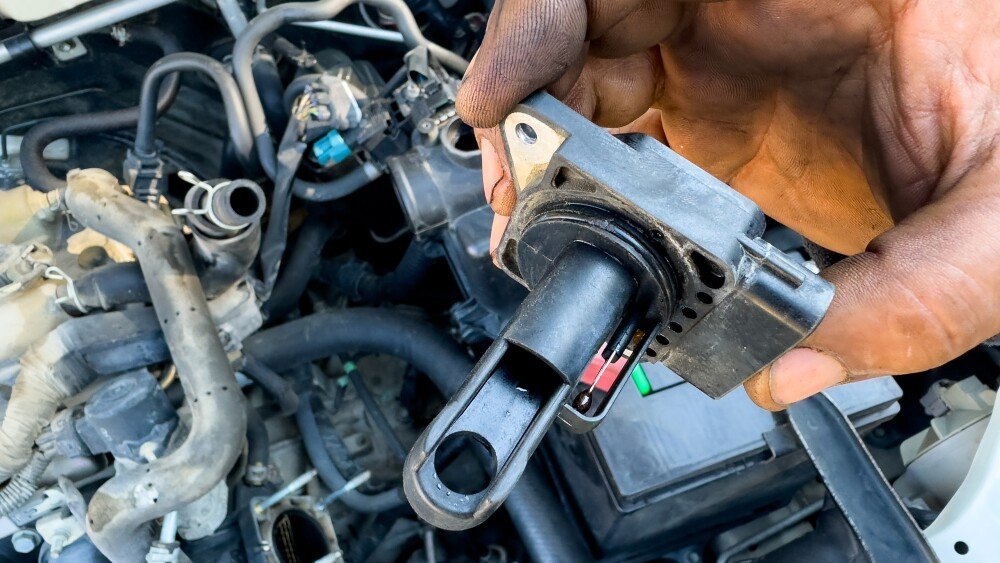
While both play an important role in optimizing engine performance, a MAP and MAF sensor function differently and serve distinct purposes within the engine management system. Here’s an overview of their purpose, location, and cost differences:
Purpose
A MAP sensor measures air pressure in the intake manifold while a MAF sensor measures how much air is actually drawn in by the engine. Either one is used in internal combustion engines, providing data to the engine control unit (ECU) for more precise control over the amount of fuel supplied to the engine.
The MAP sensor measures prevailing barometric pressure as soon as the key is switched to the ON position. While the MAF sensor also measures barometric pressure and airflow, it cannot measure intake manifold pressure.
Some scan tools display both vacuum and pressure as measured by the MAP sensor. Adding these two values together gives the prevailing barometric pressure.
Location
The MAP sensor, which may be used without a MAF sensor in some setups, is mounted right on the outside of the intake manifold, to measure the pressure between the throttle body and the intake valves as they open to allow airflow into the cylinders. This placement allows the MAP sensor to monitor both the vacuum and positive air pressure within the manifold in order to provide accurate data on pressure changes.
Meanwhile, the MAF sensor, typically housed in a plastic case to keep it secure, is usually located on the intake side of the throttle plate, where it measures the temperature, volume of airflow, and barometric pressure entering the engine. This location allows the MAF sensor to measure the air entering the engine with precision, just before it reaches the throttle body.
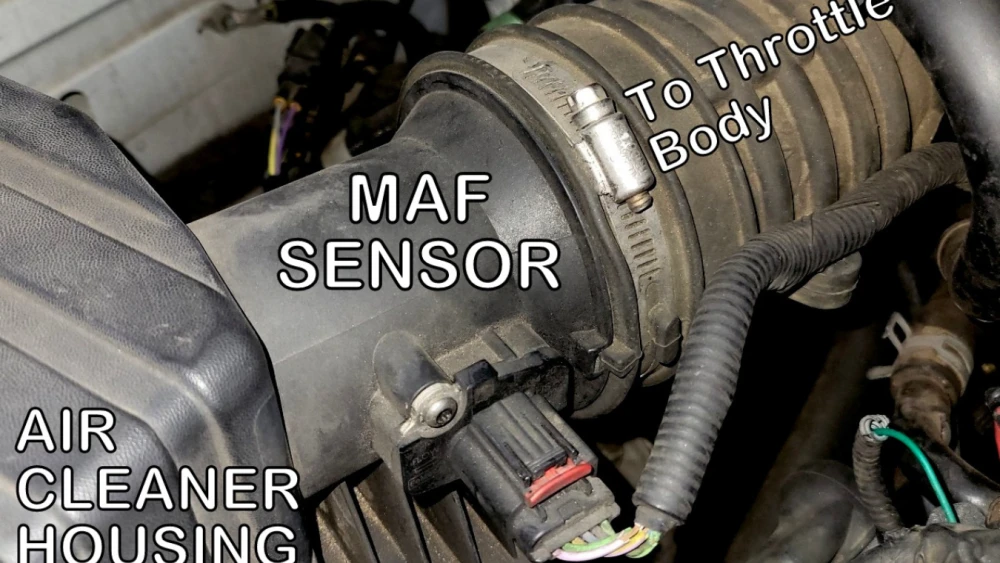
In some setups, the MAP sensor is positioned in the intake tract, before the throttle body, to monitor boost pressure from turbocharger or supercharger induction systems. When used alongside a MAF sensor, this configuration provides more accurate readings at high engine loads, helping performance vehicles optimize power and efficiency.
Cost
MAP and MAF sensors vary in cost, depending on the vehicle model and brand of sensor that you prefer. However, MAP sensors are generally more affordable due to their simpler design, unlike MAF sensors which require sensitive components for accurate airflow measurements.
A new MAP sensor can cost around $20 up to $150, although total replacement costs could run up to $140 to $175 if done by a mechanic.
As for the MAF sensor, the labor cost is pretty minimal at $20 to $100 depending on where you’re bringing it in for repair, but the part itself could cost between $100 to $200, totaling up to $300 for the total replacement cost.
Do I Have a Bad MAP or MAF Sensor?
A faulty MAP or MAF sensor is bound to cause a few noticeable symptoms that can affect vehicle performance and disrupt your drive. Once any of these turn up, it may be best to bring your vehicle in and have a qualified mechanic check it for you, in case you need to have your MAP or MAF sensor replaced right away.
Quick tip: If you suspect the MAF sensor is causing issues like reduced power or stalling, try disconnecting it temporarily and taking the vehicle for a test drive. When the PCM detects the MAF is offline, it substitutes preset values. If the issue disappears with the sensor disconnected but returns when reconnected, the sensor is likely at fault—unless there’s an issue with the wiring or connectors.
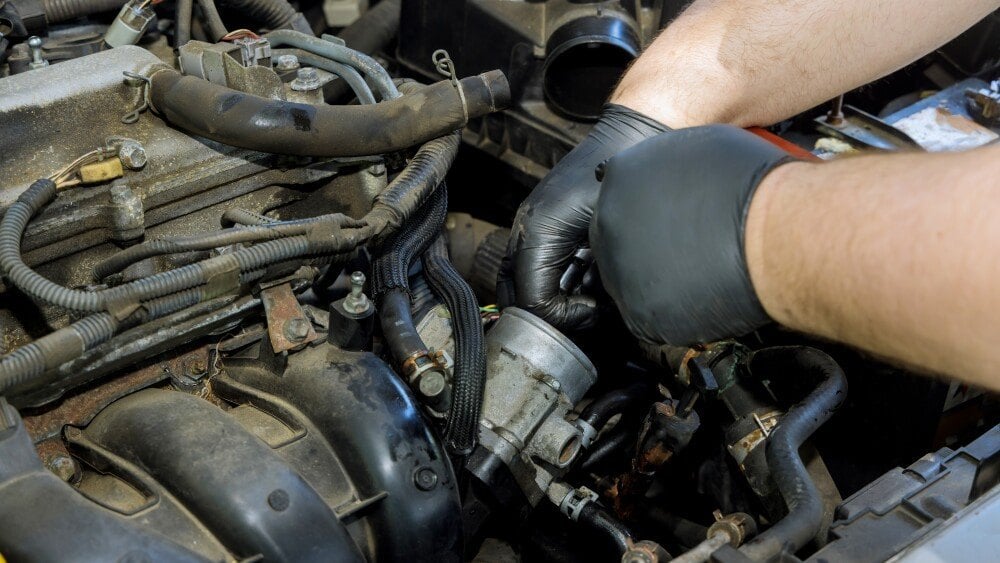
Illuminated Check Engine Light
A faulty MAP or MAF sensor can trigger the Check Engine Light, as they are integral parts of your engine control system. It may be difficult to pinpoint which sensor could be causing this signal, but you can check for other accompanying symptoms of a malfunctioning MAP and MAF sensor below — or consult a professional for a more accurate diagnosis.
Engine Stalling
A bad MAF sensor can cause your vehicle to stall or hesitate, especially when trying to accelerate. This sensor sends data about the amount of air entering the engine, and when it malfunctions, it disrupts the ECU’s ability to adjust fuel delivery accordingly, leading to improper air-fuel mixture.
In many cases, sluggish acceleration is caused by dirty sensor elements rather than a faulty sensor. Cleaning the MAF with a specialized aerosol can often restore performance.
Similarly, a faulty MAP sensor may also cause engine stalling when it is unable to provide accurate intake manifold pressure readings, further disrupting the ECU’s calculations for proper fuel delivery.
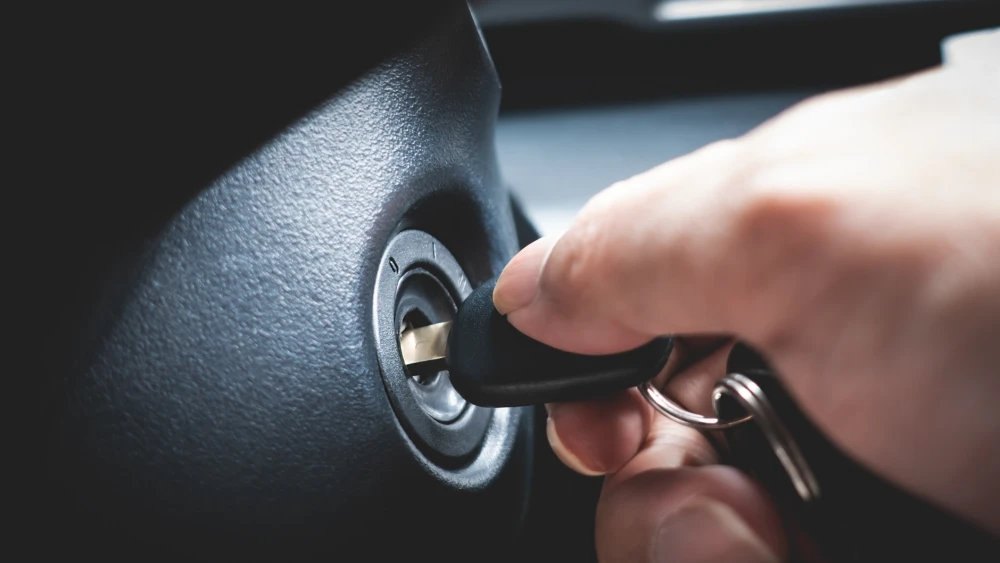
Engine Won’t Start
With a bad MAP sensor, you may experience difficulty starting your engine. When the sensor sends inaccurate or no-pressure data to the ECU, the engine might receive too much or too little fuel, preventing proper combustion.
A malfunctioning MAF sensor can cause starting issues by sending incorrect data about the engine’s air intake, disrupting the air-fuel mixture needed for ignition. If disconnecting the sensor allows the engine to start, you can drive it temporarily until you reach a parts store to purchase a replacement.
Misfiring & Rough Running
Whether your car has a MAP sensor, a MAF sensor, or both, you might also notice your engine vibrating, misfiring, and running roughly as inaccurate data is sent to the ECU. This leads to an incorrect fuel supply, disrupting proper combustion that is needed for a smooth and stable driving experience.
Engine Surge
If your MAP or MAF sensor starts malfunctioning, you might notice irregular engine speeds and fluctuating RPM readings. This is particularly noticeable during acceleration, as the ECU is not receiving accurate air pressure or air intake data from the sensors, resulting in incorrect adjustments for fuel injection and combustion timing when you step on the gas pedal.

Black Exhaust Smoke
Another very noticeable sign of a faulty MAP sensor is black smoke coming out of your exhaust pipe. This is due to too much fuel being delivered to the engine, leading to incomplete combustion and excess carbon that causes black smoke emissions.
Meanwhile, black smoke could theoretically happen with a faulty MAF sensor but practically never does.
Decreased Engine Power and Acceleration
A bad MAF or MAP sensor can cause weak acceleration when it fails to properly measure air intake or pressure data, preventing the ECU from being able to balance the air-fuel mixture. With too much or too little fuel being supplied to the engine, acceleration ends up being sluggish, resulting in reduced overall engine performance.
Increased Fuel Consumption
When either sensor is unable to function properly, the MAF sensor misreads the engine’s air intake, and the MAP sensor affects the intake manifold pressure. With inaccurate data from the sensors, the ECU can’t trigger the right combustion timing and fuel injection. As a result, too much fuel may be delivered to the engine, leading to fuel wastage and poor fuel economy.
Diagnostic Error Codes
A simple check-up with your OBD-II diagnostic scanner can help verify issues with your MAP and MAF sensor. Common error codes that may appear include:
- P0100 (MAF Circuit Malfunction)
- P0101 (MAF Circuit Range/Performance Problem)
- P0102 (MAF Circuit Low Input)
- P0106 (Manifold Absolute Pressure/Barometric Pressure Circuit Range/Performance Problem)
- P0107 (Manifold Absolute Pressure Circuit Low Input)
- P0113 (Intake Air Temperature Sensor Circuit High Input)
It’s important to address these issues promptly to prevent further damage to your engine and vehicle. Regular maintenance and using quality auto parts can also help curb these problems.
FAQ
Can cars have both MAF and MAP sensors?
Yes, some cars can have both MAF and MAP sensors, particularly those with more complex fuel management systems. Together, these sensors can provide more comprehensive and accurate information about air intake flow and intake manifold pressure to the ECU, allowing more precise fuel control and optimizing performance.
Can I use a MAF cleaner on a MAP sensor?
No, using a MAF sensor cleaner on a MAP sensor is not recommended. MAF cleaners are designed for different materials and coatings, and using one on a MAP sensor can cause damage or affect performance. It’s best to follow the manufacturer’s guidelines and use a cleaner specifically designed for MAP sensors.