Turbocharger Wastegates
Select Department
-
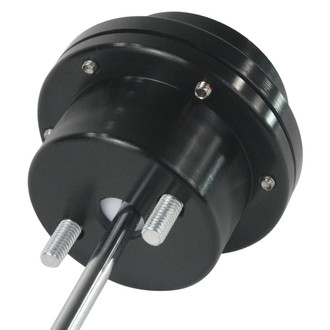
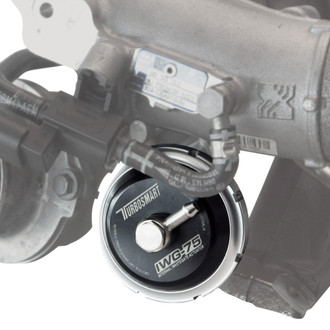
 Turbosmart® - IWG75 Wastegate Actuator$190.79 - $567.89
 -
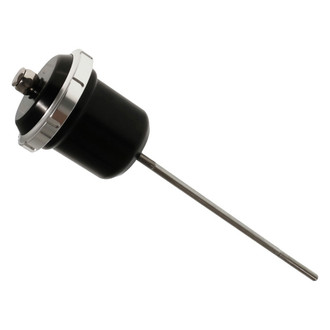 Turbosmart® - Turbo Internal Wastegate Actuator$247.49 - $567.89
 -
-
 aFe® - Wastegate Actuator$192.00
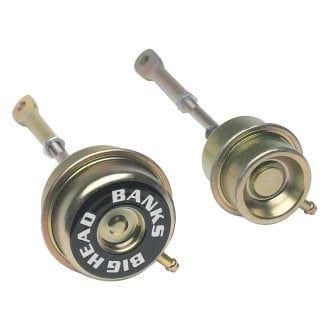
 - Banks® - BigHead™ Wastegate Actuator Kit$219.00 - $228.00
- SKP® - Turbocharger Wastegate Actuator$51.54 - $220.01
- ACDelco® - Genuine GM Parts™ Turbocharger Wastegate Solenoid$31.69 - $318.01 + Free Shipping with iD FastTrack
- Dorman® - OE Solutions™ Turbocharger Actuator$39.03 - $1,074.87
- ACDelco® - GM Genuine Parts™ Turbocharger Wastegate Solenoid$25.20 + Save up to $2.00 with iD FastTrack
- ACDelco® - Genuine GM Parts™ Turbocharger Wastegate Actuator$93.38 - $289.78 + Free Shipping with iD FastTrack
- Dorman® - OE Solutions™ Turbocharger Wastegate Solenoid$42.40 - $477.30
- ACDelco® - GM Original Equipment™ Turbocharger Oil Line Gasket$3.96 - $183.82
- Mopar® - Turbocharger Actuator$1,517.31 - $1,611.75
- Genuine® - Turbocharger Wastegate Actuator$289.99 - $1,541.52 + Free Shipping with iD FastTrack
- Genuine® - Turbocharger Wastegate Solenoid$260.33 + Free Shipping with iD FastTrack
- Rotomaster® - Turbocharger Actuator$114.57 - $221.22
- Standard® - Standard Ignition™ Turbocharger Wastegate Solenoid$49.08 - $404.15
- Standard® - Turbocharger Actuator$249.36 - $416.05
- Standard® - Turbocharger Wastegate Solenoid$254.83 + Free Shipping with iD FastTrack
- URO Parts® - Turbocharger Actuator$222.07 - $495.23
- Pierburg® - Turbocharger Wastegate Solenoid$137.83 - $261.58
- Torque Solution® - VF Turbo Wastegate Bracket$46.42 + Save an extra $2.20 with iD FastTrack
- ACDelco® - GM Original Equipment™ Turbocharger Wastegate Connector$89.37 + Free Shipping with iD FastTrack
-
- Save up to 26%Mopar® - Turbocharger Wastegate Hose$37.53 - $480.10$49.67 - $621.75Save up to 26%
- Save up to 27%Mopar® - Turbocharger Wastegate Hose Clamp$25.65 - $640.98$31.93 - $883.32Save up to 27%
- Save up to 27%Mopar® - Turbocharger Wastegate Solenoid$137.70 - $307.15$184.77 - $421.16Save up to 27%
-
-
-
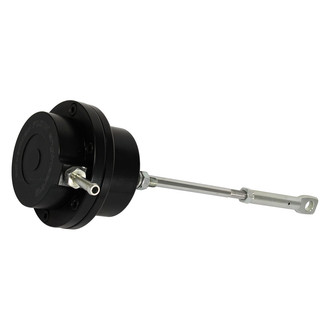
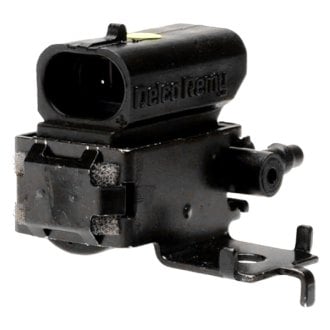
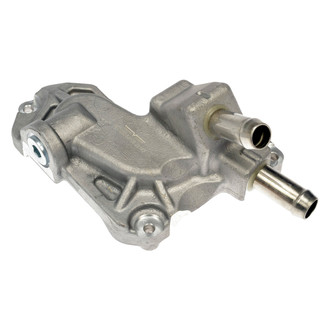
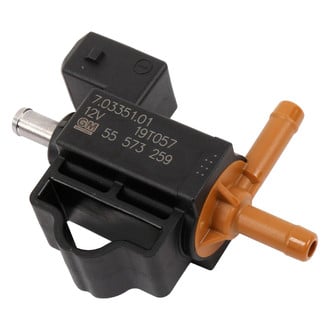

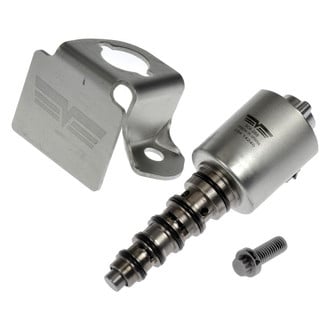
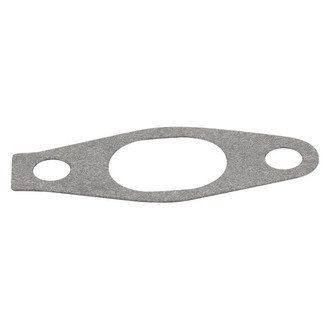
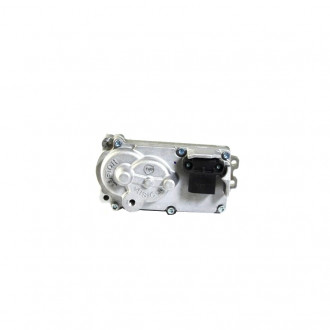
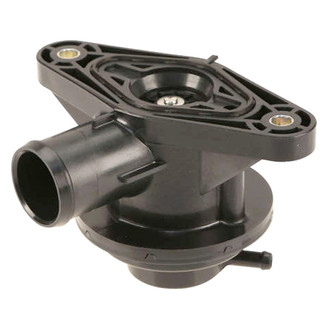
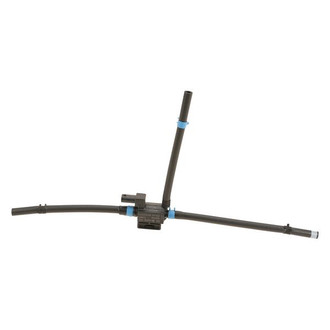
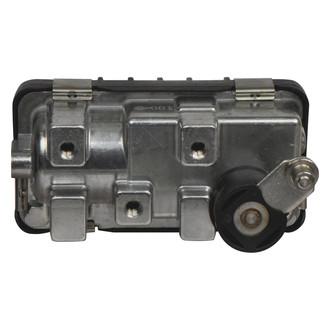
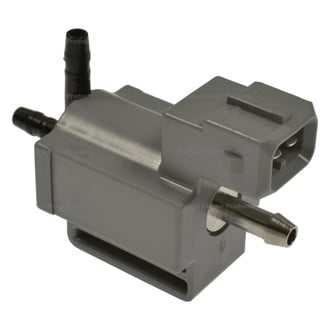
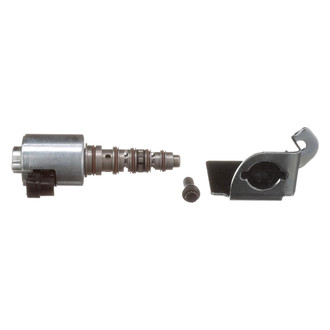
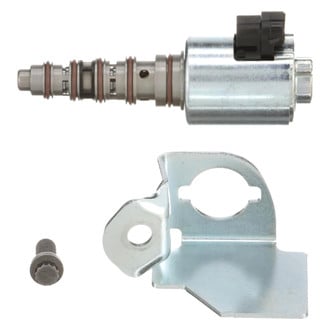
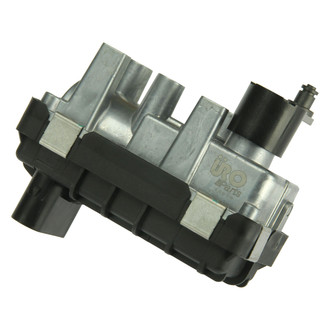
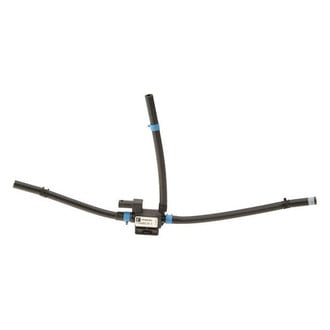
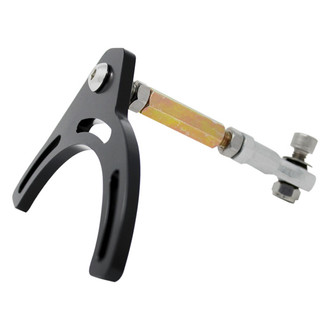
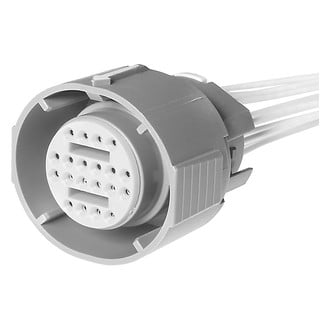

In a naturally aspirated engine, a vacuum, which is a state of lower than atmospheric pressure, is created in the intake manifold when the pistons descend in the cylinders on the intake stroke. The intake air charge is pushed into the intake manifold and cylinders by the greater atmospheric pressure. In contrast, forced induction systems like superchargers and turbochargers draw air into the intake tract and drive it into the intake manifold and cylinders with much greater force, forming a dense, oxygen rich air charge in the cylinders, increasing the amount of fuel that can be added, and substantially raising power output. Forced induction creates positive pressure within the intake manifold and “boost” is the term used for the amount that intake manifold pressure is raised above atmospheric pressure. Boost pressure must be limited to prevent engine damage and on turbocharged engines boost is controlled by a wastegate.
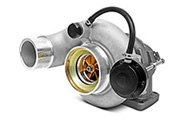
A turbocharger consists of a turbine wheel and a compressor wheel that rotate on a common shaft in an aluminum housing. The turbine wheel is plumbed into the exhaust system and exhaust flow spins the turbine blades, which in turn drives the compressor wheel. The compressor section of the turbo is part of the air intake system. Air is drawn through the air filter and intake tube, compressed by the compressor wheel and forced into the intake manifold. The wastegate regulates exhaust flow to the turbine wheel, thereby controlling compressor wheel speed and boost.
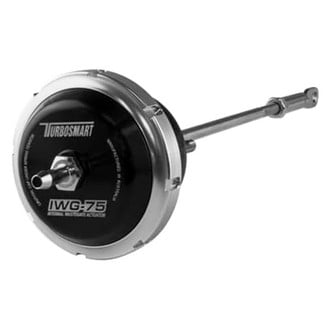
The wastegate may be incorporated into the turbine housing or be an external component. On some vehicles the wastegate is controlled by an actuator containing a diaphragm and spring, which is connected to boost pressure directly or via a boost control solenoid. When the wastegate is closed, boost pressure can build. When boost reaches a predetermined limit, the actuator opens the wastegate and allows exhaust flow to bypass the turbine wheel into the exhaust system. On modern vehicles the wastegate is electronically controlled by the engine control computer, which uses input from sensors to regulate boost pressure.
Modern wastegates are much more reliable than those on the turbochargers that were made years ago. In addition, the bevy of sensors on late model turbocharged engines can alert the engine control computer to wastegate problems, allowing it to take steps like retard ignition timing to prevent engine damage in the event of excessive boost. Excessive boost, sometimes referred to as overboost, can cause several problems. If there is a substantial increase in air without a corresponding increase in fuel, the result can be a lean condition, detonation, overheating, and engine damage. However, even if the air/fuel mixture is correct, the additional pressure may be more than internal engine components can handle. Most turbocharged engines are designed to perform reliably with a certain level of boost, and if this is exceeded it could result in expensive structural engine damage.
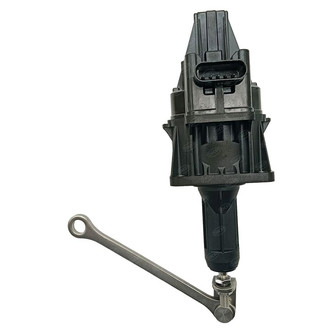
The majority of large frame and high-performance aftermarket turbochargers are not equipped with an internal wastegate. They rely on its external counterpart which provides significantly better control of high boost pressure. External wastegates have bigger inlet and outlet ports as well as stronger actuator diaphragms and springs. They can be operated and controlled in several different ways, including the use of a traditional actuator, an electric solenoid or electric actuator. The latter is the most advanced and precise method of wastegate control since it involves the use of the PCM that adjusts the position of the wastegate valve.
Whatever turbocharger wastegate malfunction you’re experiencing, we have the replacement and performance parts to restore long-lasting performance and durability. Here you’ll find actuators, solenoids, diaphragms, and wastegate hoses. Our turbocharger wastegate components are manufactured according to original equipment specifications, so when service is completed you can count on the performance and reliability your vehicle was designed to deliver.
Browse by Part Name
Featured Brands












Related Categories
- Turbochargers & Components
- Turbocharger Blow-Off & Diverter Valves
- Intercoolers
- Intercooler Hoses
- Turbocharger Pipes & Clamps
- Turbo & Superchargers Lines, Hoses
- Turbo & Superchargers Mounting
- Superchargers & Components
- Turbocharger Boost Management
- Turbo Heat Shields & Blankets
- Exhaust Brakes & Air Shutdown Valves