Racing Radiators & Cooling


Featured Brands












-
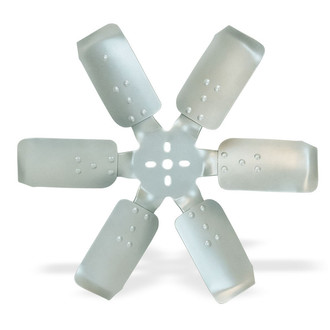 Flex-a-Lite® 101584 - Belt Driven Race Stainless Steel Fan Blade$125.62 + Free Shipping with iD FastTrack
 -
-
-

-
-
-
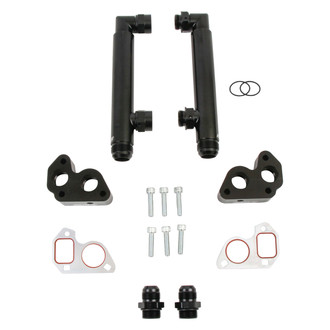
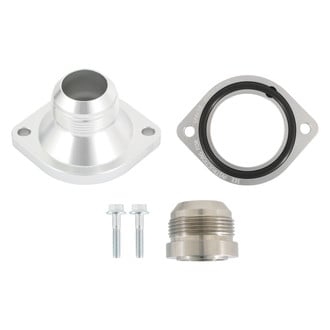
- Earl's Performance® - Water Pump Adapter Kit$173.95 - $184.95
- Earl's Performance® - Water Pump Adapter Kit$173.95 - $212.95
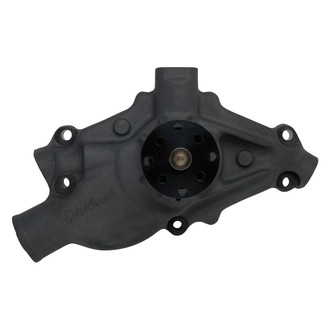
- Edelbrock® - Circle Track™ Water Pump$447.35 - $451.89
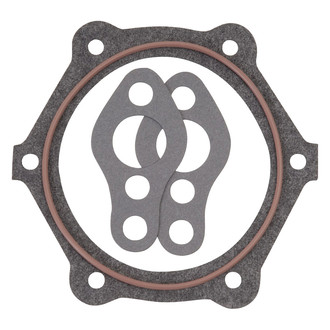
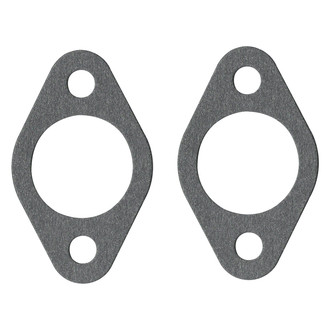
- Edelbrock® - Engine Coolant Water Pump Gasket Kit$26.95 - $27.95
-
-
-
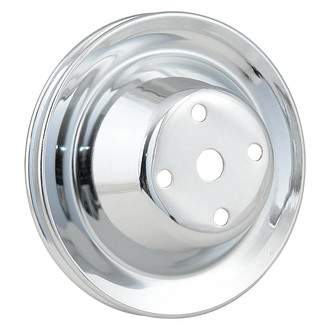
- Edelbrock® - Water Pump Pulley$208.25
-
-
- Moroso® - Electric Water Pump$586.99
- Mr. Gasket® - Chevy Neck Water Pump$268.95 - $319.95
-
- Mr. Gasket® - Water Pump$149.95 - $165.93
- Mr. Gasket® - Water Pump$108.95 - $140.39
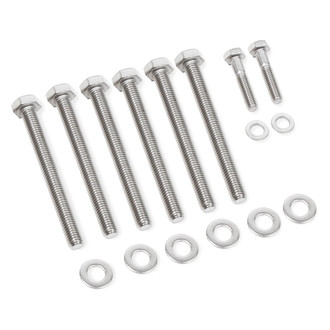
- Mr. Gasket® - Water Pump Bolt$40.26 - $44.39
-
-
-
-
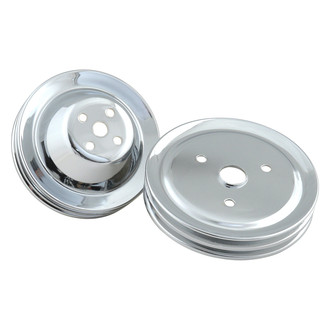
- Mr. Gasket® - Water Pump Pulley$79.19 - $103.95
-
-
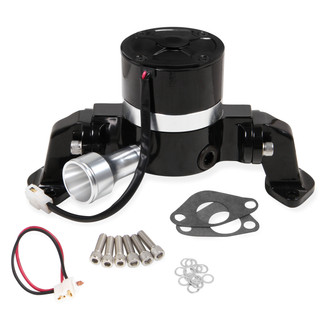
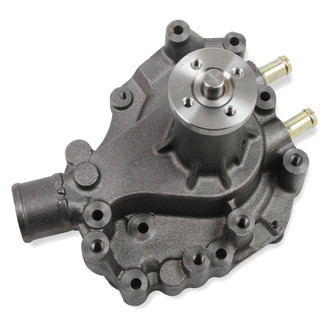
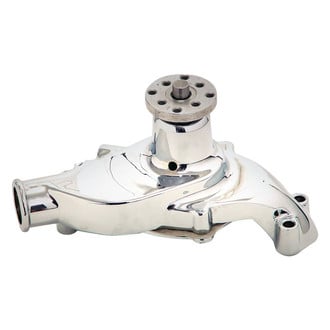
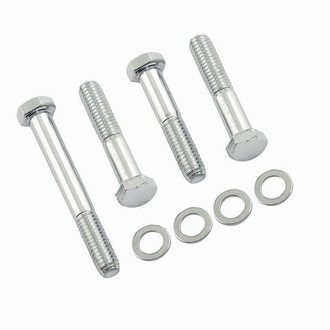
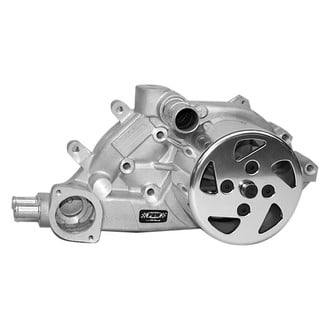
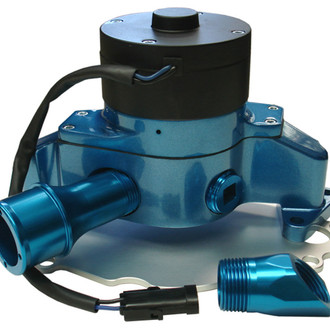
When people think of racing, high speeds, low elapsed times, and of course, massive amounts of horsepower, come to mind. Unfortunately, one of the by-products of making huge amounts of power with an engine and pushing a race car hard at the track, is a lot of heat. Unless this heat is effectively removed, you can experience DNFs and your expensive engine and drivetrain can quickly be reduced to steaming lumps of scrap metal. Along with performance parts for go power, you need performance cooling system parts for dependable performance and durability, and we have them.
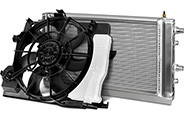
The engine cooling system transfers heat from the engine to the coolant, which then dissipates it to the surrounding air in the radiator. Racing engines create more heat than the stock cooling system can handle, so you need components with increased capacity and heat transfer capability. Our race spec aluminum radiators have more coolant capacity, with thicker cores and more rows, and increased fin count, for better heat transfer.
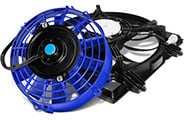
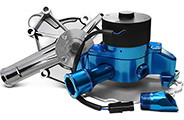
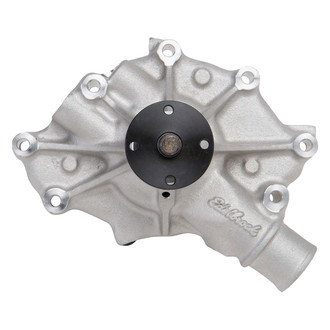
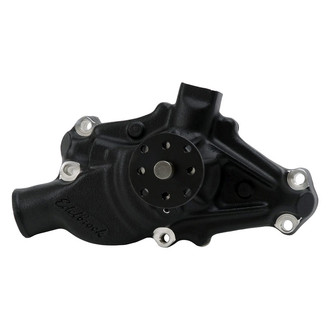
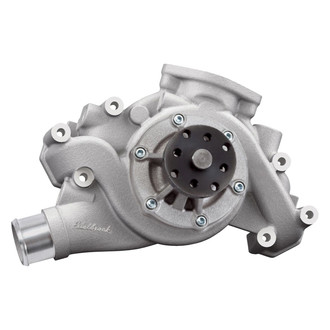
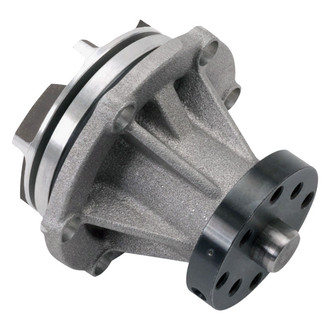
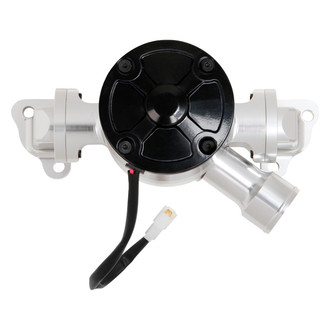
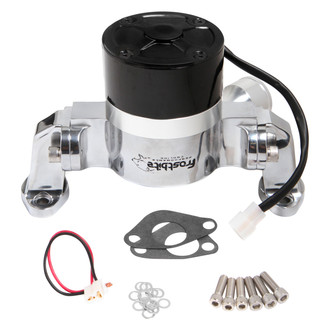
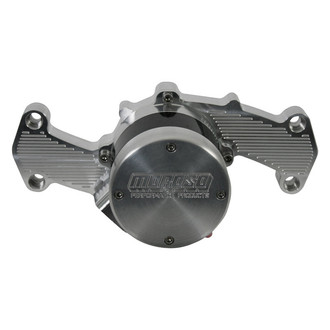
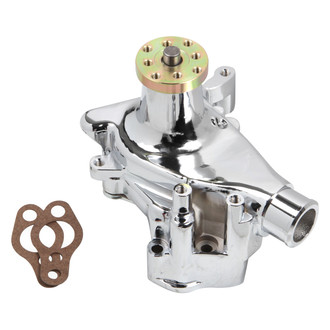
When a performance radiator with larger diameter tubes is installed, coolant flow must also be increased to maintain optimum velocity through the radiator. We offer high performance water pumps that increase coolant flow, and most are made from lightweight aluminum, so you’ll save weight when replacing an OE cast iron pump. Increasing airflow through the radiator is also necessary with a thicker core to ensure optimal heat transfer. We have performance electric cooling fans in single and double fan configurations, with and without shrouds, as well as multi-blade performance mechanical fans.
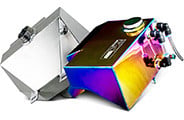
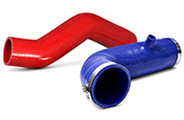
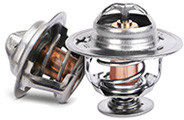
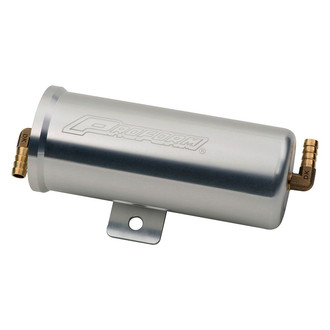
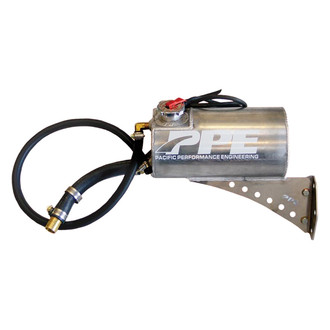
Maximum cooling flow is best for many race engines, but some powerplants need to run within a temperature range that enables them to be the most efficient and make the best power, so for these applications a thermostat is necessary. However, unlike ordinary thermostats, the high-performance thermostats we offer will maintain operating temperature without restricting coolant flow. The heat from the engine and airflow through the radiator can make the temperature of a race car’s engine bay too high for original equipment radiator hoses. Our silicone performance radiator hoses can handle high temperatures and they’re available in multiple colors, but if stainless steel is more your style, check out our braided steel hoses and polished stainless performance coolant tanks.
Plain water has the best heat transfer capabilities, but engines were designed to run with a coolant mixture that contains antifreeze, which in addition to its freezing protection contains additives that prevent corrosion. We offer additives for use with water that prevent rust and corrosion and protect cast iron and aluminum surfaces, and additives that not only protect but also improve cooling system efficiency. These additives reduce air bubbles and pockets that can cause hot spots, so the coolant completely contacts internal engine and radiator surfaces. This increases the cooling system’s heat transfer abilities, so you get a cooler running engine.
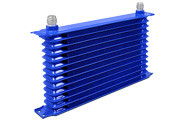
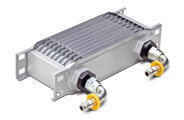
The engine oil can also help keep a hot motor cool, and in fact oil is the primary heat removing medium for internal engine parts like bearings, connecting rods, the crankshaft and camshaft, and some engines use jets of oil to cool the undersides of the pistons. Oil is also used to cool turbocharger shaft bearings. Keeping the oil within its operating range can maintain its viscosity and lubricating capabilities and preserve the additives that prevent wear, rust and corrosion, and keep varnish and sludge from forming. We offer oil-to-air coolers in tube and fin, plate and fin, and stacked plate design, including coolers with an integral 12V cooling fan if you’re force to install the cooler in a location without the best airflow.
But the engine’s not the only thing that gets hot on a race car. Racing can elevate automatic transmission fluid temperature to levels where it can no longer lubricate and cool properly, endangering transmission function and durability. Testing has proven that for every 20°F increase in operating temperature, the lifespan of the transmission fluid and the automatic transmission are reduced by half, and the factory transmission cooler in most cases can’t handle the heat generated by racing. We offer several types of transmission coolers in sizes to suit every application, including tube and fin coolers, plate and fin coolers, and stacked plate coolers, which are the most efficient. Like our engine oil coolers, we offer automatic transmission coolers with integral 12V cooling fans if the cooler is installed where there is little airflow.
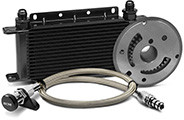
Viscosity and additive breakdown, which results in excessive wear and damage, can also occur in manual transmissions and differentials due to temperature extremes during racing, so we offer oil coolers for these applications as well. Unlike engines and automatic transmissions that have internal pumps to circulate oil and fluid between these components and their coolers, manual transmission and differential coolers come with pumps to ensure oil flows from the manual transmission or differential to the cooler and back. Because of the location of these components, a cooler mounted 12V cooling fan is normally used to provide the necessary airflow, and ducting may also be used.