Racing Radiators & Components
-
-
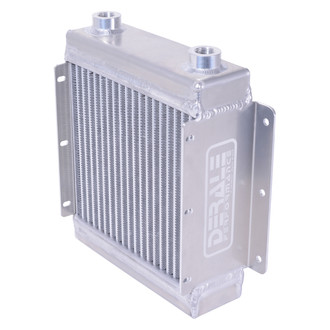 Derale Performance® 61878 - 18-Row Hi-Flow Racing Radiator Core$592.20 + Free Shipping with iD FastTrack
 -
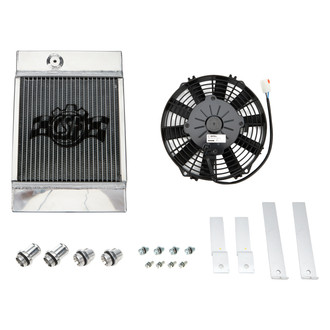
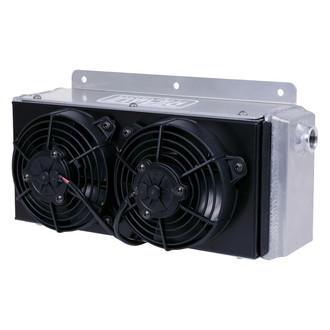 Derale Performance® - Hi-Flow Racing Remote Cooler$834.43 - $890.32
 -
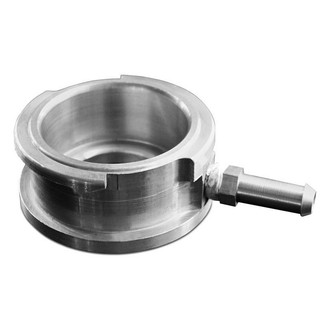
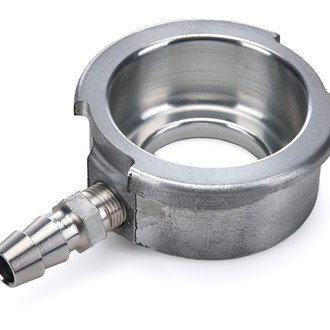
 Mishimoto® - Filler Neck$34.08
 -
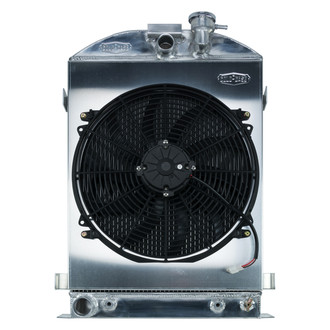
- CSF® - High Performance Radiator (7065)$569.00 + Free Shipping with iD FastTrack
-
-
-
-
-
-
-
-
-
- Derale Performance® - 18-Row Hi-Flow Racing Radiator Core (61878)$592.20 + Free Shipping with iD FastTrack
-
-
-
-
-
-
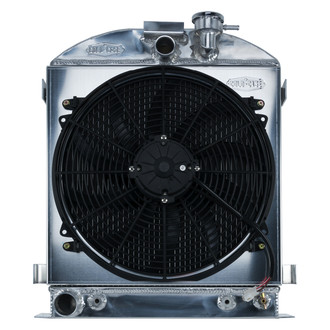
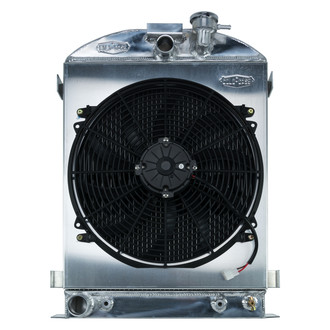
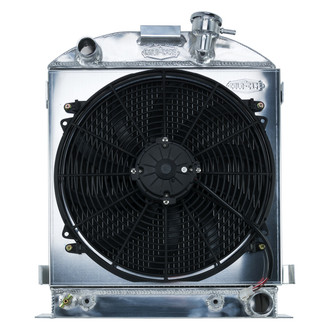
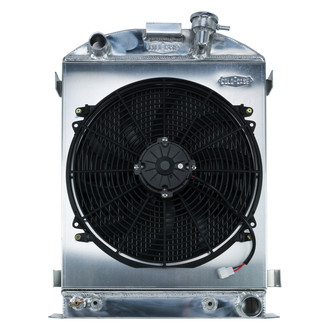
Only about 30% of the energy released due to the burning of fuel inside a modern-day engine is converted into mechanical power. The lion’s share of the energy is transformed into heat that the cooling system of the vehicle has to handle to ensure safe and efficient operation of the engine. When it comes to a race car, its cooling system has to work even more efficiently since racing engines usually run hotter than their factory counterparts as they almost always perform at their peak. This requires all cooling system components, including its radiator, to be extremely efficient and very reliable.
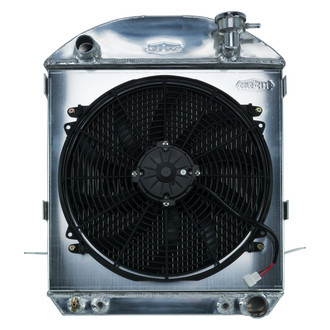
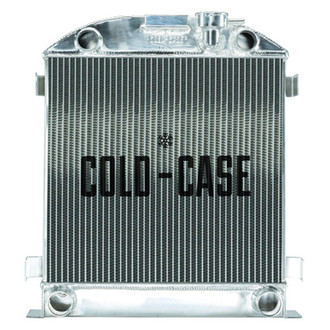
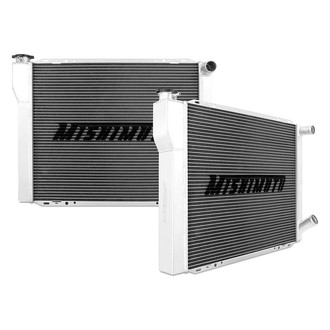
By its nature, a racing radiator is a high-performance heat exchanger that absorbs heat from the hot coolant that flows through it and transfers this heat to the air. The coolant from the engine enters the radiator and then travels through the parallel arrangement of pipes with thin fins placed on and between them, which is called a radiator core. The fins conduct heat from the coolant and pipes, and transfer it to the air that blows through the radiator. The cooled coolant leaves the radiator via its outlet on the other side of the part and returns to the engine.
A racing radiator is designed and built the same as a typical car radiator except for several differences. While most factory radiators feature an aluminum core and plastic inlet and outlet tanks, the majority of racing radiators are all aluminum and may come with high-performance caps with a built-in thermostat, which gives them extra strength and durability. They also often feature a multi-row design in order to increase performance and keep the engine running cooler. In addition, racing and high-performance radiators may have fin-like inserts in the pipes to increase the turbulence of the coolant, so it can transfer heat to the pipes and fins faster, and, therefore, cools down quicker.