Differentials
Browse by Vehicle
Select Department
-
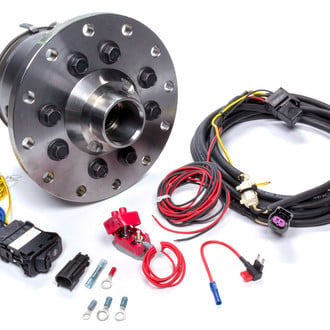
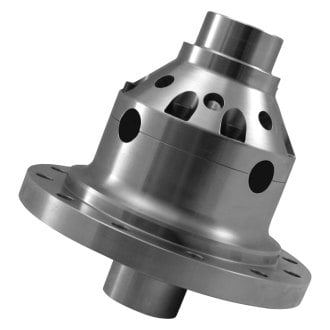 Yukon Gear & Axle® - Grizzly Locker™ Differential$788.89 - $1,599.89
 -
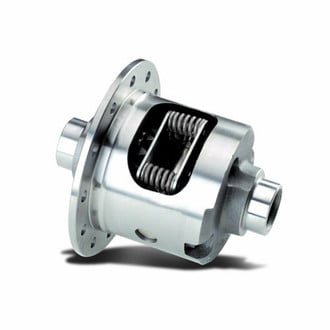
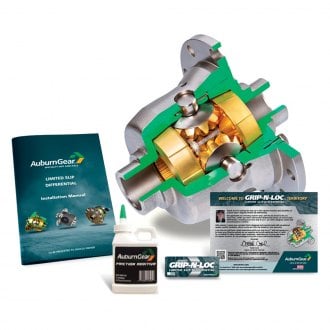 Auburn Gear® - Grip-N-Loc™ Differential$321.51 - $1,452.04 + Free Shipping with iD FastTrack
 -
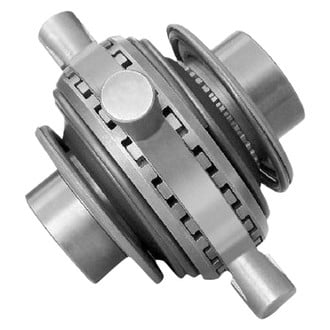 Eaton® - Detroit NoSPIN® Differential$968.54 - $1,253.99
 -
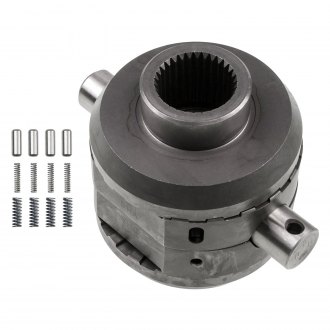
 Powertrax® - Grip Pro™ Traction System$590.00 - $853.13
 - Spicer® - Differential Case$56.73 - $1,634.56
- Spicer® - Mini Spool$74.61 - $257.43 + Save up to $8.30 with iD FastTrack
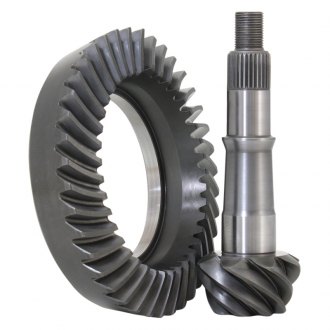
- Spicer® - Ring and Pinion Gear Set$64.25 - $1,668.67
- Yukon Gear & Axle® - Differential Ring and Pinion Pro Kit$564.89 - $1,127.89
- Yukon Gear & Axle® - Dropout Housing$612.89 - $631.89
- Yukon Gear & Axle® - Dura Grip™ Differential$714.89 - $1,564.89
-
-
- Yukon Gear & Axle® - High Performance Ring and Pinion Gear Set$265.89 - $780.89
- Yukon Gear & Axle® - Mini Spool$54.89 - $282.89
- Yukon Gear & Axle® - Ring and Pinion Gear Complete Package$699.89 - $2,181.48
- Yukon Gear & Axle® - Spool$274.89 - $744.89
- Yukon Gear & Axle® - Standard Open Differential$362.89 - $527.89
- Yukon Gear & Axle® - Trac Loc™ Differential$826.89 - $932.89
- Yukon Gear & Axle® - Zip Locker$1,260.89
- ARB® - Air Locker$1,231.00 - $1,499.95
- Auburn Gear® - ECTED Max™ Limited Slip Differential$25.18 - $1,611.45 + Free Shipping with iD FastTrack
- Eaton® - Detroit Locker™ Differential$626.99 - $1,481.40
- Eaton® - Detroit Truetrac™ Differential$587.99 - $1,206.99
- Eaton® - ELocker™ Differential$749.99 - $1,782.31
- Eaton® - Posi™ Differential$588.99 - $1,256.57
- Powertrax® - Lock Right Differential$329.98 - $434.32
- Revolution Gear & Axle® - Dry 2 Cut Ring and Pinion Gear Set$238.99 - $315.99
- Revolution Gear & Axle® - Full Spool$229.87 + Free Shipping with iD FastTrack
- Revolution Gear & Axle® - Ring and Pinion Complete Gear Package$625.99 - $1,372.99
- Revolution Gear & Axle® - Ring and Pinion Gear Set$213.99 - $382.99
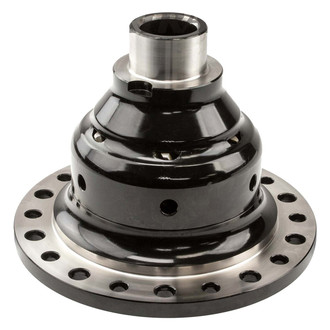
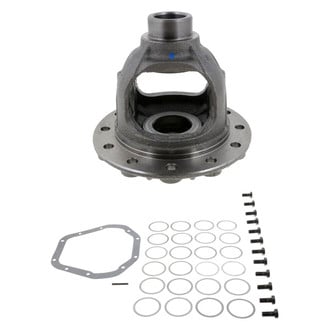
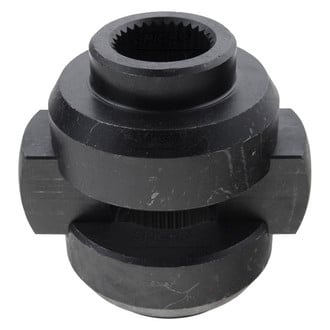
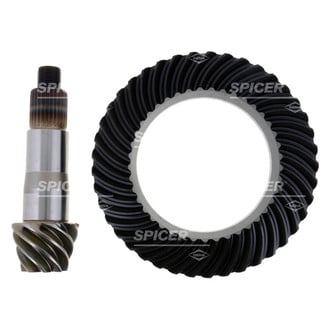
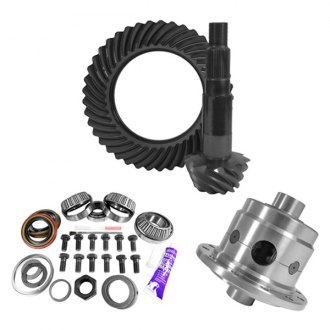
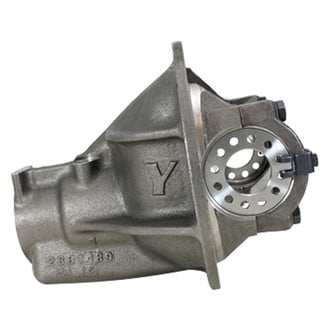
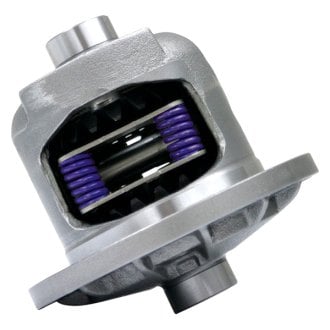
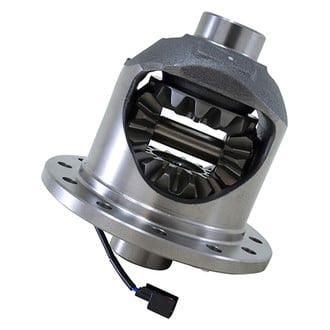
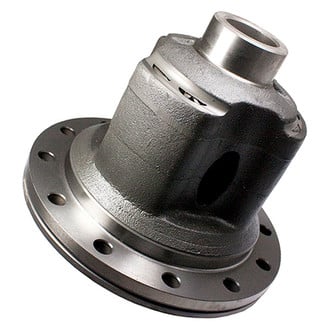
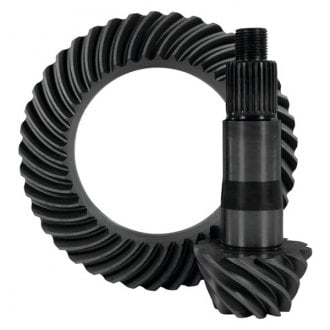
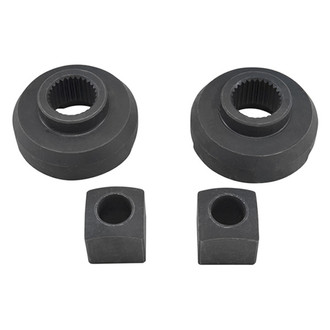
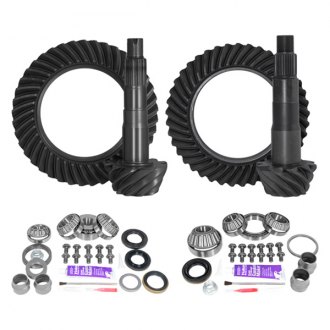

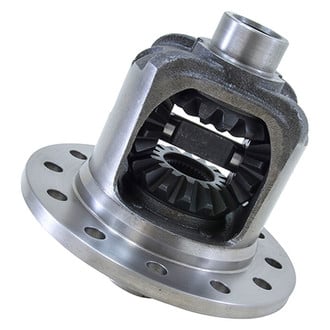

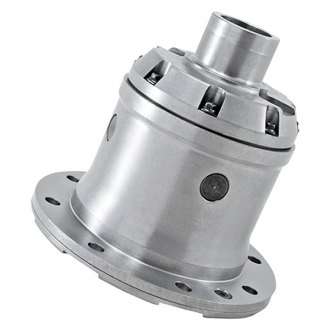
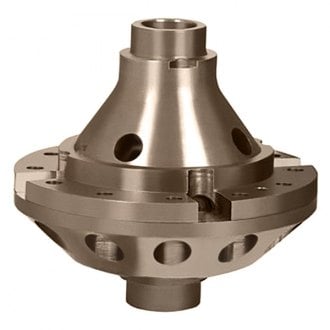
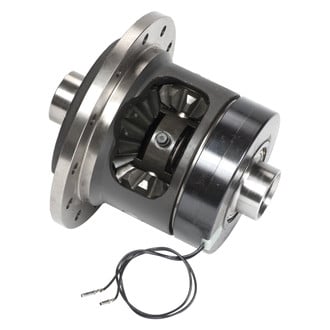
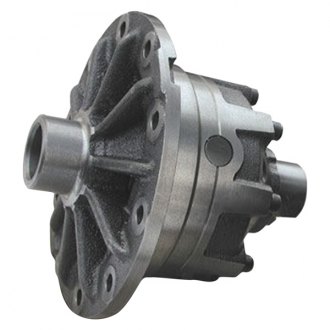
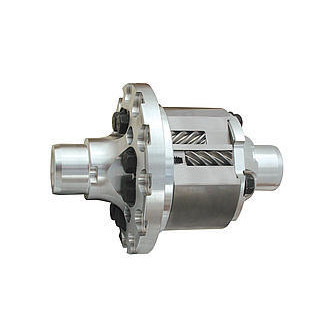
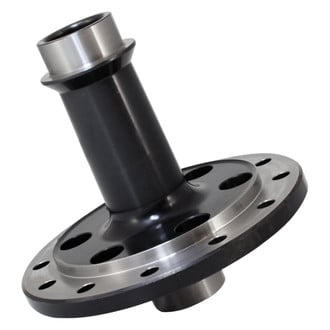

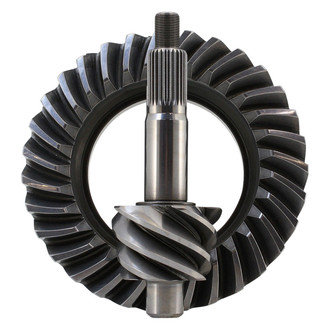
A vehicle is a complex system with a number of parts that always have to function properly. When it comes to distributing engine power between the wheels, a differential may be a concern. It's an essential mechanical device that sends torque to the drive wheels and makes them revolve at different speeds in relation to each other. But for the differential, the rims would rotate at the same speed and hence make cornering difficult.
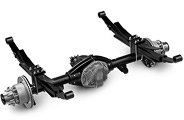
As a rule, front-wheel-drive vehicles have the differential on the front axle, while in rear-wheel-drive cars it is found between the rear rims. Apart from the front and rear differentials, 4WD cars are also equipped with a central diff, which is between the front and rear axles. Open and limited slip differentials (LSD) are the most common types used in today's cars. The open diff has a series of gears allowing the wheels to rotate at different speeds when turning. Each drive wheel gets an equal portion of engine power. The LSD employs several clutches and a spring pack to allow the rims to rotate at different rates, though dividing torque between them unequally while turning. As a rule, the wheel with better traction gets more power.
The reality is that each type of the differential has its drawbacks. For instance, the open differential might get you into trouble when one of the tires hits a slippery surface: the wheel starts spinning and gets more torque than that with good traction. The disadvantage with the LSD is when you get started on a slippery road from a stopped position, since the wheel that gets more power from the LSD loses traction. As a result, the vehicle will simply slip and you'll experience poor handling. Still, the LSD has more pros if compared to the open diff.
Nothing lasts forever, and your differential, whether it's open or LSD, is no exception. If we talk about the front differential, the first trouble it can face is a lack of differential fluid. Pressure, friction, heat, or moisture can cause the lubricant to evaporate and make the internal components go wrong. The rear differential seems to have even more bothersome. Besides insufficient fluid level, there also may be another headache: bad U-joints of the driveshaft can affect the diff, making it work harder than usual. A clanking or rattling noise coming from the rear when the car is put into drive will be a hint.
It's definitely a bad experience when you suddenly discover what a malfunctioning differential is. Fortunately, there are a few useful tips on how to help a differential serve a longer period and save you from pricey repair bills. First, never ignore the noises coming from the diff. No matter what type of differential your vehicle employs, don't forget to check the device at least every 3,000 miles. In case the problem is somewhat more serious than simply adding fluid, let a professional mechanic handle it.
Performance transaxles, transfer cases, and differentials provide the gearing that enables you to keep your engine in the powerband, for neck snapping acceleration and high speed. A different ratio ring & pinion set is a great way to get more giddyup off the line but it’s also a necessity to maintain performance on trucks and SUVs when you bolt on a tall set of wheels and tires. And to make sure you’re not stuck with one wheel spinning, bolt in a limited slip differential or locking differential and get traction on any surface.