Automatic Transmission Oil Pumps
Browse by Vehicle
Select Department
-
-
-

-
 ACDelco® - Genuine GM Parts™ Automatic Transmission Oil Pump$415.92 + Free Shipping with iD FastTrack
 - Mopar® - Automatic Transmission Fluid Lube Orifice$6.15 - $20.63
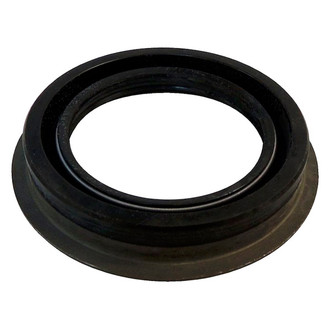
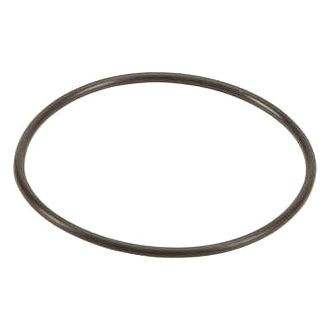
- Mopar® - Automatic Transmission Oil Pump O-Ring$8.84 - $20.09
-
-
-
-
-
- Ford OE - Automatic Transmission Oil Pump Assembly (DG9Z7P086J)$419.53 + Free Shipping with iD FastTrack
-
-
-
- Mopar® - Automatic Transmission Oil Pump Assembly (68029305AD)$1,300.92 + Free Shipping with iD FastTrack
- Mopar® - Automatic Transmission Oil Pump Assembly (R8009879AE)$824.40 + Free Shipping with iD FastTrack
- Mopar® - Automatic Transmission Oil Pump Assembly (R8087860AA)$545.79 + Free Shipping with iD FastTrack
- Mopar® - Automatic Transmission Oil Pump Assembly (R8029305AC)$1,279.92 + Free Shipping with iD FastTrack
-
-
- Mopar® - Manual Transmission Oil Pump (68597449AA)$686.94 + Free Shipping with iD FastTrack
-
-
- ACDelco® - GM Original Equipment™ Automatic Transmission Oil Pump Assembly (24299640)$367.72 + Free Shipping with iD FastTrack
- ACDelco® - GM Original Equipment™ Automatic Transmission Oil Pump Assembly (8684950)$158.93 + Free Shipping with iD FastTrack
-
-
- ACDelco® - Genuine GM Parts™ Automatic Transmission Oil Pump (19421161)$415.92 + Free Shipping with iD FastTrack
-
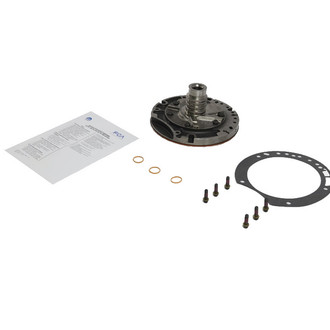
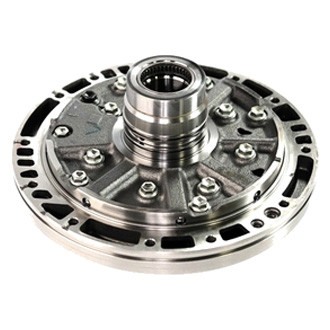
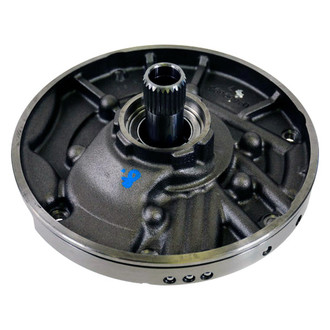
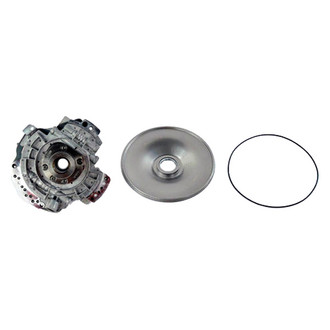
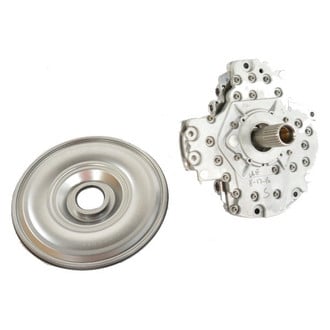
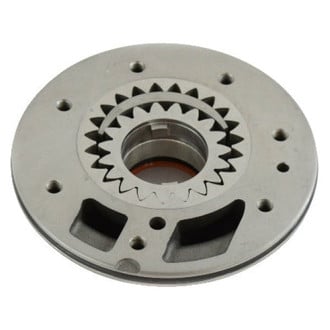
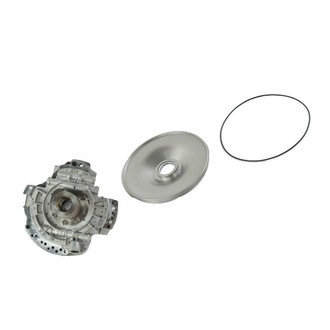
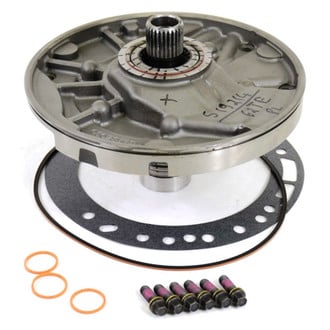
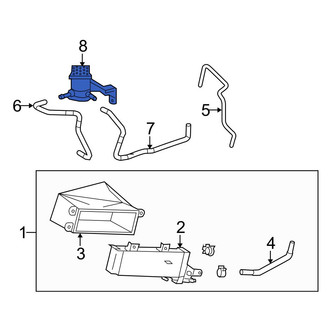
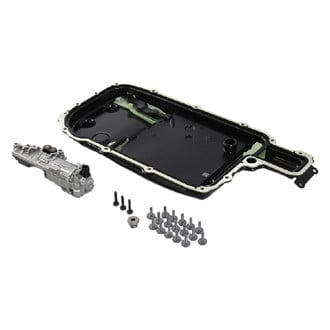
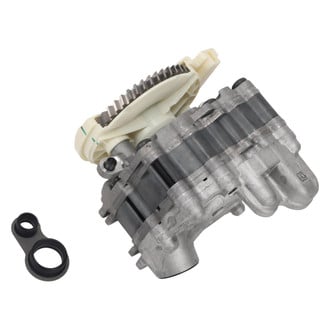
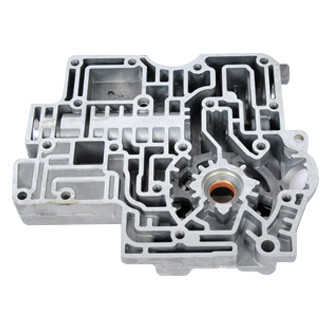
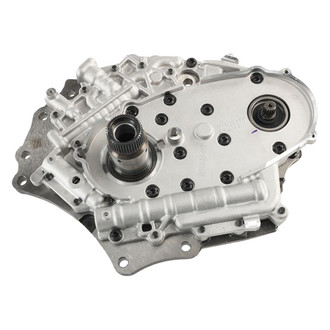
Hydraulic fluid under pressure enables an automatic transmission to function. The oil pump, located in the front of the transmission case where it’s driven by the torque converter, draws fluid from the transmission fluid pan. The pump pressurizes the fluid and supplies it to the torque converter, transmission cooler, and the transmission hydraulic system, and as it circulates throughout the transmission it lubricates internal components as well. There are two types of transmission oil pumps, fixed displacement and variable displacement. Symptoms of a failing transmission oil pump include slipping and shift flare, noise, and a CHECK ENGINE or malfunction indicator light illuminated on computer-controlled transmission vehicles. If testing proves your transmission oil pump is faulty, we have the OE quality replacement oil pump & components to restore transmission performance.
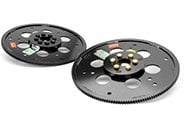
Fixed displacement transmission oil pumps can be the gear-type or the rotor-type, while variable displacement pumps are vane-type pumps. The torque converter, which drives the oil pump, is bolted to the crankshaft via the flexplate and rotates at engine speed. Therefore, the output of a fixed displacement pump varies with engine speed and without regard to the fluid requirements of the transmission. A slider valve varies the flow rate on variable displacement pumps, so the transmission only gets the pressure that’s needed. Variable displacement pumps are more energy efficient, which is why they are the predominant type found on newer vehicles.
Fluid output from the oil pump flows to the pressure regulator valve and from there to the manual shift valve. The manual valve is controlled by the driver via the shift lever and directs fluid pressure to the appropriate valves and clutches and bands when the transmission is placed in Park, Drive, Neutral or Reverse. On older, non-electronically controlled transmissions, fluid is supplied to the governor and throttle valve, which in turn direct fluid to the shift valves in the valve body. The transmission output shaft drives the governor, which builds pressure directly in relation to vehicle speed. Under light acceleration, the throttle valve doesn’t have much effect on the shift valve and governor-controlled shifts are earlier and softer. Under hard acceleration, when engine load is high, the throttle valve will act against the shift valve to force governor pressure higher. This delays the shift and supplies higher pressure to the transmission bands and clutches, giving them the clamping power needed to control members of the transmission’s planetary gearset and enact firm, hard shifts.
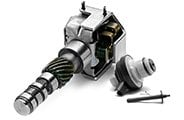
On electronically controlled transmissions, shift timing and firmness are controlled by a computer. A network of engine and transmission sensors and switches provides input to the computer about operating conditions including engine load, temperature, and vehicle speed. The computer uses this input, along with internal programming, to manipulate fluid pressure and flow via electric solenoids in the valve body. There are shift solenoids that direct fluid pressure to the appropriate clutches or bands, and a solenoid that directs fluid pressure to engage the torque converter clutch. A solenoid contains a coil of wire with an iron plunger inside. When current is applied to the solenoid it becomes an electromagnet and the plunger changes position. When the plunger moves it opens or closes a valve, allowing or preventing fluid flow.
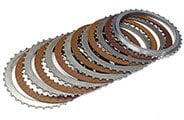
Automatic transmissions use planetary gearsets for all forward gears and reverse. Clutches and bands, applied by hydraulic pressure, are the components used to control the planetary members – the sun gear, outer ring gear, and the planetary gears in between – to shift gears. Clutch packs consist of multiple, alternating steel and friction material-lined plates housed in a drum or the transmission case. The friction plates are internally splined to fit into grooves on a hub, while the steel plates have external splines that engage grooves in the drum or case. A piston compresses the plates, locking the hub and drum together when hydraulic fluid pressure is applied. Return springs disengage the piston when pressure is removed. Bands are friction material-lined flexible metal rings that surround and are used to stop rotating clutch drums. One end of the band is attached to the transmission case, while the other is engaged by a hydraulic piston in a servo. The servo contains a spring to disengage the band when hydraulic pressure is removed.
If the symptoms described in the first paragraph above are experienced on vehicles with computer controlled transmissions, and they’re accompanied by a CHECK ENGINE or other malfunction indicator light illuminating on the dash, a scan tool should be connected to the vehicle’s diagnostic link connector to check for diagnostic trouble codes. The cause of the transmission problem may not be in the hydraulic circuits, but with a sensor, actuator, controller or some other part of the electronic control system.
No matter what you’re working on, we have the replacement automatic transmission oil pumps and related components needed to restore proper transmission operation and vehicle performance. We offer oil pumps and components that are manufactured according to original equipment specifications, so when repairs are completed you can count on the performance your vehicle was designed to deliver. In addition to complete oil pump assemblies, here you’ll also find oil pump gaskets, oil pump seals, oil pump bushings, oil pump bodies, oil pump covers, oil pump rotor kits, oil pump vanes, oil pump slides, oil pump slide pivot pins, oil pump slide pivot springs, oil pump rotor guides, and oil pump screens.
What is the difference between a racing transmission and a stock one? Firstly, it's the outstanding ruggedness. Extra demands placed on the transmission during a road race require extra durable parts. One of critical parts of the automatic transmission is an oil pump. Just as the heart is critical to the human body, so is the oil pump in an automatic transmission. How a performance oil pump can make a difference to your automatic transmission? If we take a look at the racing oil pumps offered in our store, you'll notice many advantages over factory pumps. High-strength and lightweight materials are used in the construction of performance oil pumps to achieve maximum durability and more efficient heat dissipation while reducing the overall transmission weight. There are many design advantages over the OEM oil pump, including the improved design of oil pathways that allows for increased flow to torque converter and cooler.
Browse by Part Name
Featured Brands












Related Categories
- Clutch Kits
- Automatic Transmission Oil Coolers
- Transmission Mounts
- Transmission Solenoids, Sensors, Switches & Control Units
- Transmission Filters
- Automatic Transmission Torque Converters
- Transmission Shifters
- Clutch Flywheels
- Transmission Pans, Drain Plugs, Filler Caps
- Clutch Hydraulics
- Transmission Seals & Gaskets
- Transmission Rebuild Kits
- Clutch Linkages
- Clutch Release Bearings
- Automatic Transmission Valve Bodies
- Transmission Bearings
- Automatic Transmission Flexplates
- Transmission Shafts & Gears
- AT Bands & Clutches
- Automatic Transmission Governors, Modulators
- MT Assemblies
- Automatic Transmission Assemblies
- Clutch Pressure Plates
- Clutch Discs
- Transmission Fluids, Oils & Additives