

If there’s a word that best describes a Nissan Altima, it’s well-rounded. This midsize car is well-loved because of its affordability, fuel efficiency, spacious interiors, and great safety scores.
If you’re on the fence about getting this car, this guide rounds up essential info you may want to know about the Altima’s dependability, such as reliability scores, common problems, and a list of the best model years.
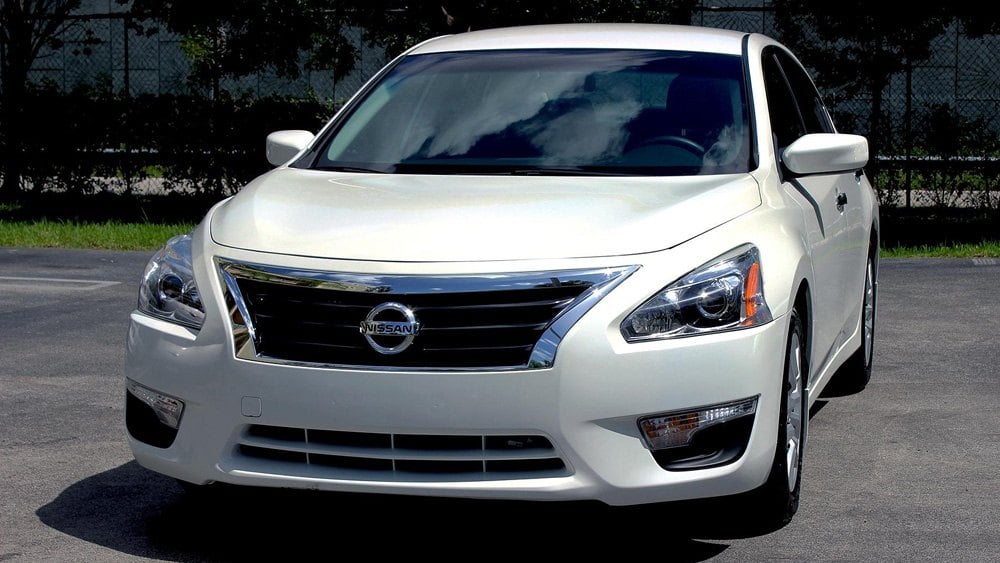
Are Nissan Altimas Reliable?
Nissan Altimas are generally reliable midsize cars. Ownership costs are excellent for the Altima. According to Repairpal.com, the average annual repair cost for this model is lower than the average car, at around $483. The severity of repairs and likelihood of major repairs are also quite low for this model.
As for resale value, the Nissan Altima has a depreciation rate of 47% after five years, according to CarEdge.com, which is not bad for a car in its class.
The Nissan Altima’s reliability ratings are also pretty great. Its scores on the website for the Altima are consistently above average. Altima owners on JD Power have also given the car excellent consumer rating scores. They appreciate the car’s best features, such as ample storage space, seat comfort, and audio system. These owners also note that the engine power and air conditioning are a bit lacking.
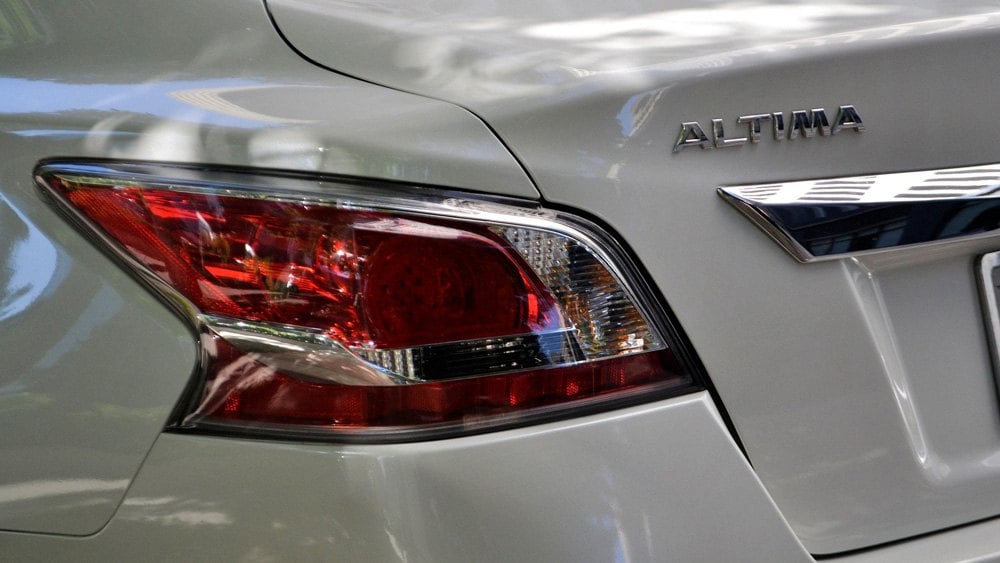
Meanwhile, US News and World Report gives the Nissan Altima excellent owner ratings and reliability scores. According to some of the owners’ comments, they love the car’s gas mileage and long list of standard features. The same owners also brought up some features that can be improved, such as the quality of the interior materials and the lackluster handling.
The Nissan Altima is a reliable all-around car that’s great as a daily driver. If you’re in the market for a well-rounded midsize car, definitely consider this one.
What Are the Most Common Issues with Nissan Altimas?
Every car has its own set of strengths and problems. Some of the Nissan Altima’s most common issues include transmission and drivetrain issues. Let’s go through some of the problems you may encounter on different Altima model years:
Crankshaft and Camshaft Sensor Issues and Recall
In certain Altima model years, there have been reports of stalling once the engine is warmed up. In other instances, the “Service Engine Soon” warning light is illuminated, prompting several issues. These symptoms include reduced engine power, a no-start condition, or the engine stopping completely without warning. These issues may be due to faulty crankshaft position (CKP) or camshaft position (CMP) sensors.
Nissan issued some technical service bulletins (TSBs) and recalls for the affected vehicles, under the National Highway Traffic Safety Administration (NHTSA) campaign numbers #06V242000 in 2006 and #03V455000 in 2003.
The faulty CKP and CMP sensors were replaced in these recalls.
Affected Model Years:
- 1993-2000
- 2001-2017
Catalytic Converter Failure
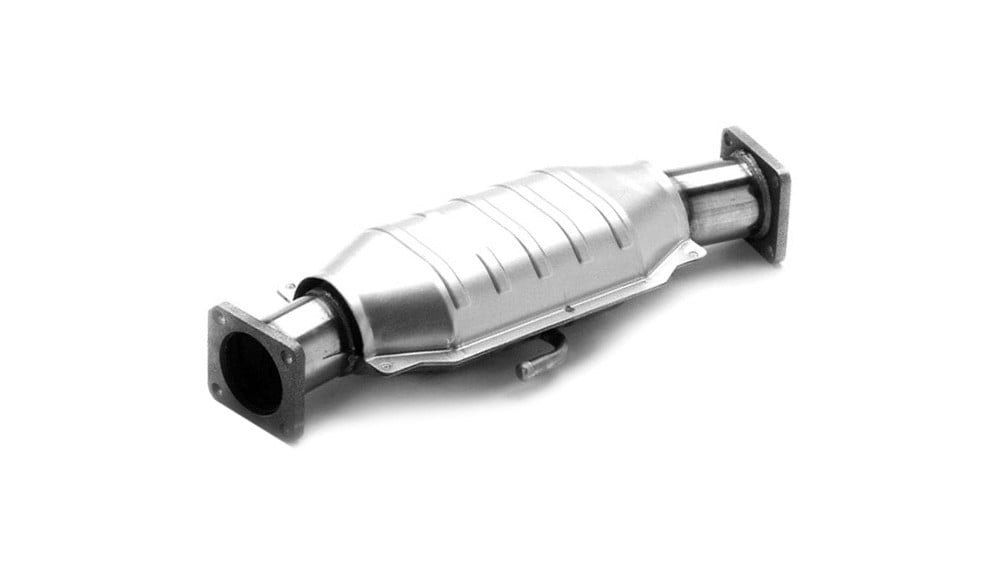
Some Nissan Altima owners have reported that the catalytic converter nearest to the engine cylinder head fails in such a way that the brick in the converter breaks up. This issue is said to trigger the check engine light. It may also develop into a more serious issue because the catalyst material can get lodged inside the engine, causing more damage.
This has been a very common failure on Altimas and always causes loud knocking and total engine failure. Owners of affected units are advised to replace the catalytic converter as soon as possible. Any catalyst-related trouble codes should be investigated as soon as they appear.
Affected Model Years:
- 1991
- 2001-2015
Fuel System Issues
In certain Altima model years, the fuel pump may fail prematurely. According to owner reports, they noticed that their cars sputtered and in some cases did not start at all. Replacing the faulty fuel pump can fix the issue.
This issue is quite known in 2001-2015 model years but Nissan only issued a recall for fuel pumps in the 2019 model year.
Affected Model Years:
- 1993
- 1999-2015
- 2019
Running Rough
According to some Altima owners, their cars would crank but would not start or would run very poorly. This may be caused by a leak in the camshaft-driven distributor, which can also cause the crankshaft position sensor to malfunction.
Affected Model Years:
- 1993-1999
- 2000-2010
- 2015
Engine Cooling System Issues
There have been reports of engine oil leaks in certain Altima models equipped with 3.5L V6 engines. This problem is often observed after oil changes and may be due to a faulty oil cooler o-ring.
During oil changes, reinstallation of the oil filter can significantly change the oil-cooler o-ring. Replacing the latter usually fixes this issue, but in some cases the entire oil cooler unit must be replaced, if recommended by a mechanic.
Affected Model Years:
- 1995
- 1998
- 2001-2010
- 2012
- 2014

Engine Mount Failure
In certain Altima model years, owners have observed unusually strong vibrations from their engine when the vehicle is idling. Others have also noticed unusual noises when going over a bump or when shifting gears.
According to the reports, these issues are often caused by the premature wear of the right-side motor mount. Replacing the motor mount should address these symptoms.
Affected Model Years:
- 1998
- 1999
- 2000-2015
Intake Manifold Problems
An engine vacuum leak has been known to occur due to the degradation of the intake manifold gasket. Owners have reported engine misfires, rough idling, an activated check engine light, and several intake-related diagnostic trouble codes.
If you happen to notice these symptoms on the road, pull over to a safe location and call for help. If you continue to drive in with these issues, you risk damaging your catalytic converter, leading to costly repair bills.
Affected Model Years:
- 1993-1999
- 2000-2011
A/C Problems
Some owners have complained of issues with the air conditioning in their Nissan Altima. Specifically, that it blows warm air when it’s supposed to be cooling the vehicle down. This may be due to an issue with the cooling system, specifically a leak developing at the A/C hose crimp connection. This can cause significant refrigerant loss.
Affected owners are advised to replace faulty refrigerant hoses.
Affected Model Years:
- 2000-2013
Suspension System Noise
There have also been reports of an unusual knocking sounds—not from the engine bay but from the front struts. According to these reports, the latter can wear out prematurely and produce these knocking sounds when the car is driving over speed bumps.
Replacing the affected parts should take care of this problem.
Affected Model Years:
- 1998
- 1999
- 2001-2017


What Are the Best Model Years for the Nissan Altima?
If you’re looking to purchase a used Nissan Altima, here are the best model years you should consider:
- 2004
- 2010
- 2011
- 2016
- 2017
- 2018
- 2019
- 2020
- 2021
- 2022
- 2023
FAQ
How many miles does a Nissan Altima last?
According to available owner data, Nissan Altimas can last from 250,000 to 300,000 miles with proper care and maintenance. You can extend your car’s lifespan by following the recommended service and maintenance intervals and using manufacturer-specified fluids.
How much horsepower does a Nissan Altima have?
Nissan Altimas have different power outputs depending on the engine and trim level. Standard 2.5-liter four-cylinder Altimas produce 188 horsepower, while the turbocharged 2.0-liter engine has an output of up to 248 horsepower.