

The Ford Ranger is a truck that’s built to handle tough jobs and endure some serious off-roading. Owners praise its versatility, outstanding performance, and towing capacity.
Let’s take a closer look at the Ford Ranger’s reliability and whether or not it can handle your next big adventure.
Are Ford Rangers Reliable?
Ford Rangers are generally reliable midsize pickup trucks, in terms of ownership costs, depreciation rates, and owner reviews. RepairPal.com rates the Ranger 4 out of 5 stars in ownership and repair costs. The average annual repair cost for this truck is around $615, which is just right for its segment. Meanwhile, the frequency of repairs and the likelihood of these repairs being severe are average at best.
The Ford Ranger holds its value well, with a 33% depreciation rate after 5 years, according to CarEdge.com. The average depreciation rate of many other midsize pickup trucks ranges from 26%-42%, according to Carbuzz.com.
If you’re in the market for a used Ranger, it’s best to get a 2- to 4-year-old unit to maximize its value and function.

Quality and reliability ratings on JD Power and US News and World Report reflect a generally positive sentiment toward the Ford Ranger. The truck also consistently ranks within the Top 4 midsize trucks in JD Power’s annual lineup. Many owners on both sites liked the truck’s sporty exteriors, handling, maneuverability, robust engine power, and fuel economy. Meanwhile, the Ranger’s storage space, brakes, and interior controls leave much to be desired.
Long-time owners of Ford Rangers across forums have shared mixed reviews. According to one owner, they managed to get more than 140,000 miles out of their Ranger with minor issues. Other owners praised the truck for being dependable in off-roading and as a work or trade vehicle.
What Are the Most Common Issues with Ford Rangers?
Some of the most common issues with Ford vehicles include transmission, electrical, and engine problems. Specific issues among models may vary. Here’s a more in-depth look at some of the most common issues with Ford Rangers:
Engine Misfires
Misfiring engines, especially at highway speeds, have been reported in certain Ford Ranger years. According to some owners, this issue sometimes does not cause diagnostic trouble codes (DTCs) to be stored in the vehicle’s main computer or the powertrain control module (PCM).
This problem is said to be caused by an intermittent error in the camshaft synchronizer assembly. According to Ford technical service bulletin (TSB) #05-22-12, this issue can be diagnosed by monitoring the engine knock sensor data and fixed by replacing the synchronizer assembly.
Affected Model Years:
- 1990
- 1991
- 1992
- 1993
- 1994
- 1995
- 1996
- 1997
- 1998
- 1999
- 2000
- 2001
- 2002
- 2003
- 2004
- 2005
- 2006
- 2007
- 2008
- 2009

Starting Issues
A faulty idle air bypass valve is said to cause problems with starting the vehicle, according to Ranger owners. The idle air bypass valve helps keep the engine idle speed consistent when the accelerator pedal isn’t pressed. Other symptoms of this issue include stalling at idle and hesitation during acceleration.
Affected Model Years:
- 1991
- 1992
- 1993
- 1994
- 1995
- 1996
- 1997
- 1998
- 1999
- 2000
- 2001
- 2002
- 2003
- 2004
- 2005
- 2006
- 2007
- 2008
Erratic Idle
A rather common complaint with Ford Rangers is erratic or unusually high engine idle. This issue is one of the most common transmission-system related complaints in Rangers. It usually happens in trucks with automatic transmissions and when the clutch is depressed in trucks with manual transmissions.
Updating the PCM software can clear this issue.
Affected Model Years:
- 1991
- 1992
- 1993
- 1994
- 1995
- 1996
- 1997
- 1998
- 1999
- 2000
- 2001
- 2002
- 2003
- 2004
- 2005
- 2006
- 2007
- 2007
- 2008
Brake Problems

There have been some reports of brake issues on Ford Rangers. According to some owners’ accounts, the rear drum brakes on their trucks can grab or lock when driving, which is a serious safety issue. This is most likely caused by moisture entering the rear brake drum assemblies.
It’s highly recommended that owners inspect their rear brakes, replace and adjust the rear shoes as needed, and seal the back side of the backing plate to prevent this issue from happening again.
Affected Model Years:
- 1996
- 1997
- 1998
- 1999
- 2000
- 2001
- 2002
- 2003
- 2004
- 2005
- 2006
- 2007
- 2007
- 2008
- 2009
Engine Oil Leak
Another rather common issue in Ford Ranger trucks is the engine leaking oil from the gaskets and seals. Some Ranger owners, especially on online forums, have shared that they’ve encountered engine oil leaks in the rear main seal, seal housing, oil pan, and valve cover. Generally, resealing the engine and tightening loose bolts to the recommended torque is required to fix this issue.
Affected Model Years:
- 1990
- 1991
- 1993
- 1996
- 1997
- 2003
- 2004
Temperature Gauge Malfunction
A few owners of Ford Rangers with 3.0 and 4.0L engines have observed that the temperature gauge on their trucks fluctuate and give inaccurate readings. In cases like this, the temperature gauge and sender kit should be replaced.

Affected Model Years:
- 1991
- 1992
- 1993
- 1994
- 1995
- 1996
- 1997
- 1998
- 1999
- 2001
- 2002
- 2003
Turbocharger Failure
Oil contamination, carbon buildup, and worn turbo seals have been an issue on some Ford Rangers equipped with turbochargers.
Affected Model Years:
- 2019
- 2020
Unusual Engine Noises
There are also a couple of issues in Ford Rangers that produce unusual noises. One is caused by a faulty bushing in the synchronizer shaft in the camshaft position sensor. This part can produce loud, erratic squeaking or chirping noises. This is often observed by owners while the engine is still warm.
Another issue that causes unusual engine noises is loose ignition coil bracket bolts. This can cause a weird buzzing noise from the upper engine area during light acceleration or at about 1,900 rpm.
Owners are advised to check these bolts for the correct torque before proceeding with further diagnosis.
Affected Model Years:
- 1997
- 1998
- 1999
- 2000
- 2001
- 2002
- 2003
- 2004
- 2005
- 2006
- 2007
- 2008
- 2009
- 2010
Forward Collision Avoidance Problems
Lastly, another common issue in modern Ford Rangers is the forward collision avoidance system. This issue covers the truck’s adaptive cruise control, automatic braking, and related warnings.
According to some owners, the cruise control can cause their vehicle to surge beyond the initial set limit. Other reports say that while the cruise control is activated, inclines can cause the transmission to downshift and then rev up, putting the driver and passengers in possible danger.
Affected Model Years:
- 2022
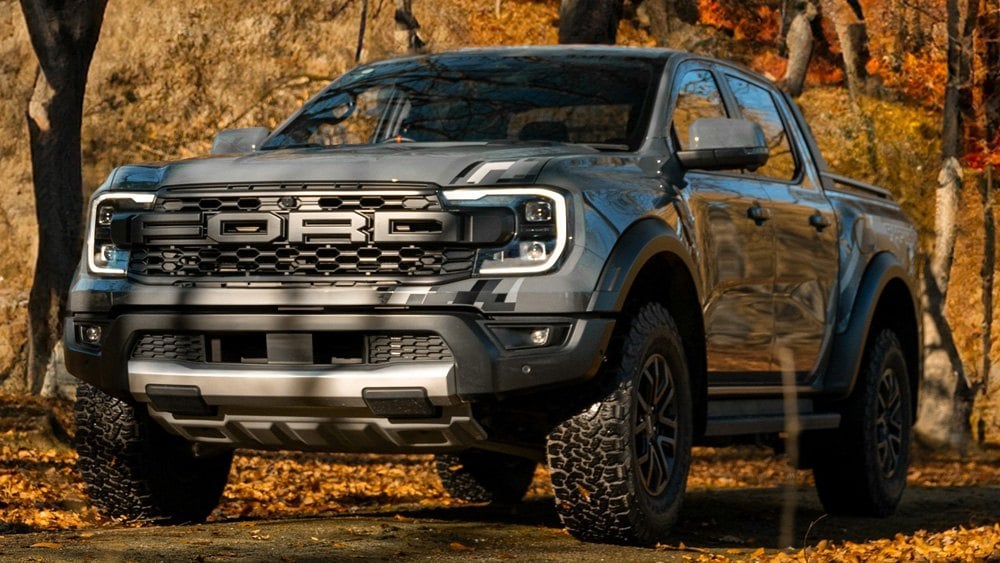
What Are the Best Model Years for the Ford Ranger?
Considering the reliability scores, common issues, and owner ratings and feedback, these are some of the best Ford Ranger model years out there:
- 2009
- 2010
- 2011
- 2019
- 2021
- 2022
- 2023
- 2024
- 2025
FAQ
Where is the Ford Ranger built?
Ford Rangers for distribution in North America are assembled in the Ford Michigan Assembly Plant in Wayne, MI. Rangers for the international market are assembled in a number of locations around the globe, including the General Pacheco Plant in Argentina.
How long will a Ford Ranger last?
Ford Rangers are hardy vehicles built to last up to 200,000 miles or more. However, even the toughest trucks won’t last if they’re not maintained properly. It’s important to have a regular maintenance schedule and use only manufacturer-recommended fluids and oils to keep your Ranger ready for any adventure.