

The BMW X5 has a lot of mixed reviews. It’s known and loved by owners for being a good luxury SUV with great fuel economy, capable engine options, and premium interiors. However, it also has a reputation for expensive ownership costs, confusing infotainment controls, and lacking seat comfort.
Before you decide on this SUV, let’s see how the BMW X5 holds up in terms of overall reliability.

Are BMW X5s Reliable?
The BMW X5 is a generally reliable luxury full-size SUV with a few caveats. In terms of ownership costs, Repairpal gave it a below-average score of 2 out of 5 stars. Compared to other vehicles in the segment, repair costs for the X5 are considered more expensive. The frequency and severity of repairs are also higher than other luxury SUVs on the market.
However, reviews of the BMW X5 aren’t all bad. The model received above-average owner feedback from JD Power, receiving great scores in quality, reliability, and driving experience. Owners love the SUV’s fuel economy, engine power, handling, navigation features, and the quality of the interior materials. They also noted that the X5’s seat comfort, audio system, and driver assistance systems could be improved.

The BMW X5 also received above-average reviews on the US News and World Report website. Users noted that the SUV had a powerful engine lineup, balanced ride, agile handling, good fuel economy (especially for its diesel options), and premium interiors with ample storage space. However, they also noted that the X5’s suspension, infotainment system, and rear seats don’t match their expectations from a luxury SUV.
Overall, the BMW X5 is a reliable SUV in terms of general performance and looks. If you’re looking to buy a luxury SUV, the X5 is a good choice, but there might be better options with more standard features than this model.
What Are the Most Common Issues with BMW X5s?
Despite being a reliable SUV, the BMW X5 has a few issues that are present in certain year models. Here are some of the most common problems of the X5:
Engine Oil Leaks
Some BMW X5 owners have reported noticing oil leaks coming from the engine area. Other symptoms reported include oil dripping under the vehicle and a burning oil smell from the engine compartment.
Technical Service Bulletin (TSB) #010414 was released on July 1, 2014 containing more information about this issue.
Affected Model Years:
- 2000
- 2001
- 2002
- 2003
- 2004
- 2005
- 2006
- 2007
- 2008
- 2009
- 2012

Coolant Leaks
Another commonly reported issue with BMW X5s is coolant leaks. Owners report illuminated low coolant warning lights on their vehicles, and some have even encountered overheating engines.
This issue is most likely caused by a leaking coolant or water pump or expansion tank, which should be replaced. Owners are also advised to check their cooling system for leaks to prevent their engine from overheating.
Problem areas due to plastic parts are hoses and pipes, the coolant expansion tank, and the radiator.
Affected Model Years:
- 2000
- 2001
- 2002
- 2003
- 2004
- 2005
- 2006
- 2007
- 2008
Transmission Problems
The mechatronic unit assembly houses the valve body and its solenoids in units equipped with the 6-speed and has been reported to develop issues in vehicles with 50,000 to 100,000 miles. Problems include erratic or delayed shifting, slipping and/or hesitation, harsh or rough shifting, and difficulty shifting out of park.
Affected Model Years:
- 2007
- 2008
- 2009
- 2010
- 2011
- 2012
- 2013
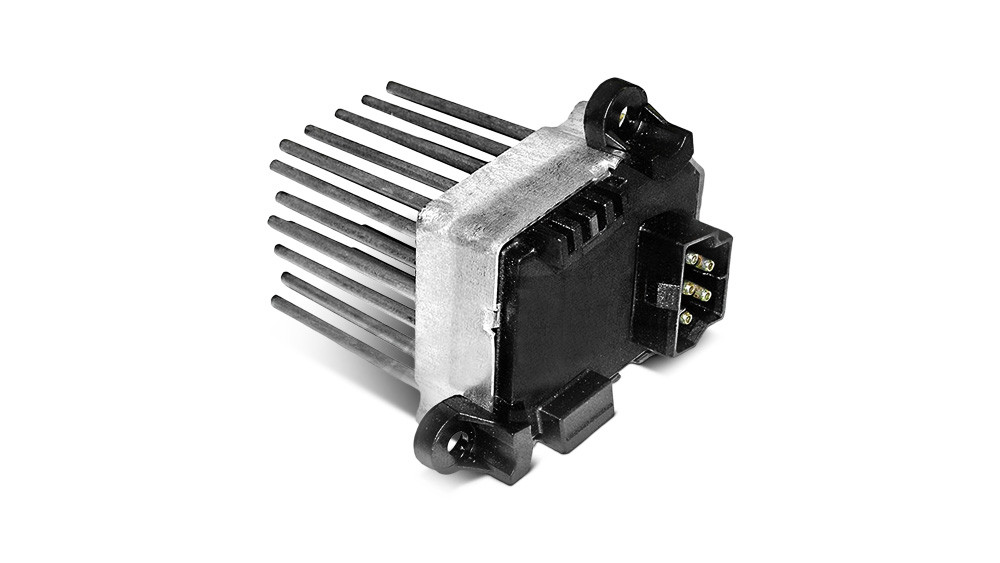
Blower Final Stage Fan Failure
In some X5 model years, owners have reported that the blower final stage fan resistor has failed. This can result in the erratic operation of the engine fan.
Affected Model Years:
- 2000
- 2001
- 2002
- 2003
- 2004
- 2005
- 2006
- 2007
- 2008
Thermostat Issues
The thermostat has been known to fail and cause the engine to overheat in some X5 vehicles. Owners are advised to replace the faulty thermostat and perform a thorough check on the vehicle’s cooling system.
Affected Model Years:
- 2001
- 2002
- 2003
- 2004
- 2005
- 2006
- 2007
- 2008
Window Problems
A few BMW X5 owners have reported issues with their vehicle’s windows—more specifically that they wouldn’t open or close properly.
This is a common issue in BMW vehicles. To solve this problem, the faulty window regulator must be replaced.
Affected Model Years:
- 2001
- 2002
- 2003
- 2004
- 2005
- 2006
- 2007

Steering Issues
According to some BMW X5 owners, they sometimes notice a “mushy” road feel or feel a shuddering as they drive over bumps. This may be caused by faulty front thrust rod bushings or tension strut bushings. Over time, the rubber mounts on these components can crack and become damaged.
Another common steering issue is power steering hose failure, which can cause steering fluid leaks.
Affected Model Years:
- 2000
- 2001
- 2002
- 2003
- 2004
- 2005
- 2006
- 2007
- 2008
Electrical Issues
According to a couple of owner reports, their BMW X5’s Electrical Machine Electronics (EME) completely shut down. BMW released a TSB on May 2019 (TSB #B121519) advising that affected vehicles should have their EME replaced to prevent units from shutting down completely.
Affected Model Years:
- 2016
- 2017
- 2018
What Are the Best Model Years for the BMW X5?
The following are some of the best model years for the BMW X5, based on owner reviews and ratings on JD Power and US News and World Report.

- 2013
- 2014
- 2015
- 2016
- 2017
- 2019
- 2020
- 2021
- 2022
- 2023
- 2024
- 2025
FAQ
Where is the BMW X5 made?
The BMW X5 is manufactured primarily in North America at the BMW Plant in Spartanburg, South Carolina. Outside North America, X5s are also manufactured in Indonesia, Malaysia, Thailand, and in Russia until 2022.
How long do BMW X5s last?
The BMW X5 can last up to 150,000 miles or more with proper maintenance. It’s important to stick to your recommended service and maintenance schedule to avoid problems down the line.