2014 Jeep Compass Tires
-
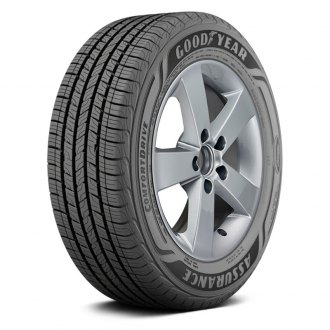
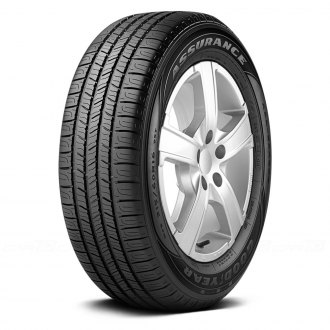 GOODYEAR TIRES® - ASSURANCE ALL SEASON$167.99 - $199.98
 -
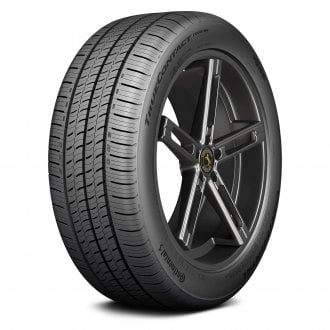 CONTINENTAL TIRES® - TRUECONTACT TOUR 54$171.99 - $172.99
 -
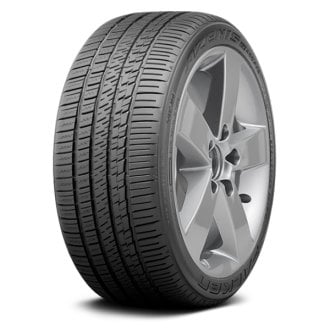 FALKEN® - AZENIS FK460 A/S$178.00 - $197.00
 -
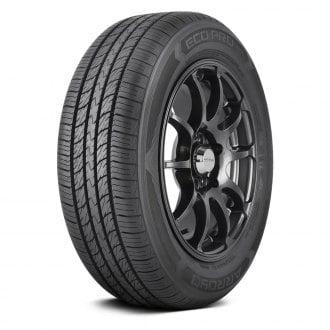
 ARROYO® - ECO PRO A/S$84.93 - $91.88
 -
- GOODYEAR TIRES® - ASSURANCE FINESSE$159.99 - $214.99
-
- FALKEN® - ZIEX CT60$118.00 - $143.00
- NITTO® - MOTIVO 365$167.00 - $223.00
- GOODYEAR TIRES® - EAGLE SPORT$115.08
- NEXEN® - N PRIZ AH5$131.00 - $134.00
- CONTINENTAL TIRES® - PROCONTACT TX$175.99 - $287.22
-
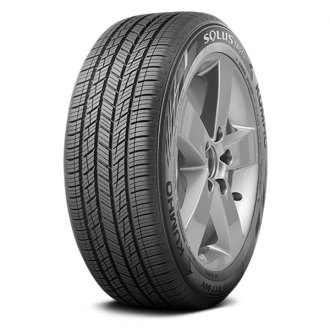
- KUMHO® - SOLUS TA51A$136.96 - $170.10
- LAUFENN® - S FIT AS$139.99 - $171.99
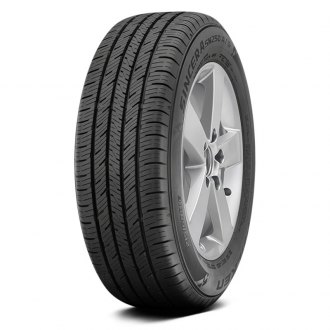
- FALKEN® - SINCERA SN250$134.00 - $167.00
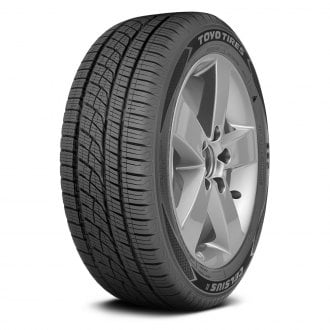
- TOYO TIRES® - CELSIUS II$195.78
- MICHELIN TIRES® - PRIMACY A/S$174.94
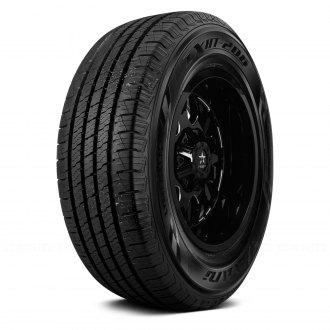
- LEXANI TIRES® - LXHT-206$82.19 - $98.79
-
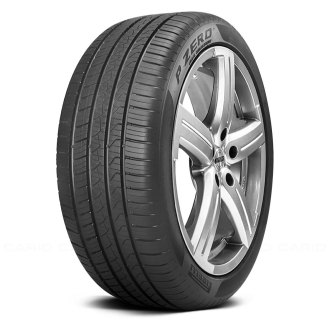
- PIRELLI TIRES® - P ZERO A/S$240.72
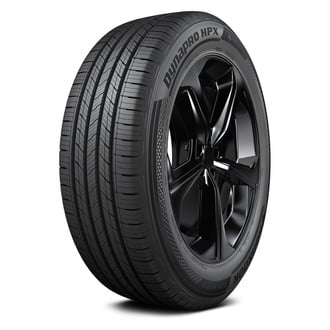
- HANKOOK® - DYNAPRO HPX$160.99
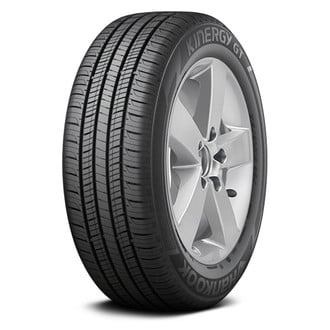
- HANKOOK® - KINERGY GT H436$182.99
- GOODYEAR TIRES® - ASSURANCE COMFORTDRIVE$179.97 - $200.37
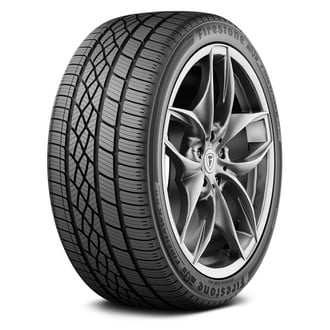
- FIRESTONE® - FIREHAWK A/S V2$134.99 - $199.99
- VENOM POWER® - RAGNAROK GTS$95.08
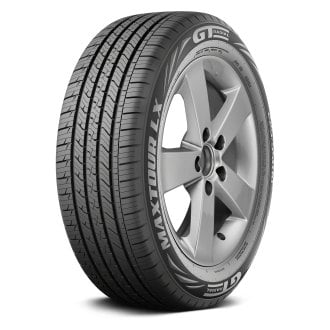
- GT RADIAL® - MAXTOUR LX$116.99 - $143.99
- SUMITOMO TIRES® - HTR A/S P03$156.99
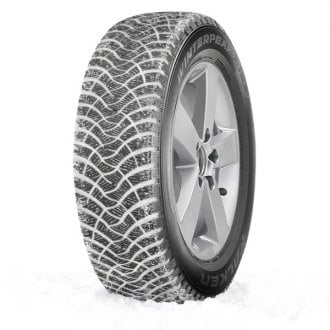
- FALKEN® - WINTERPEAK F-ICE 1$117.00 - $131.00
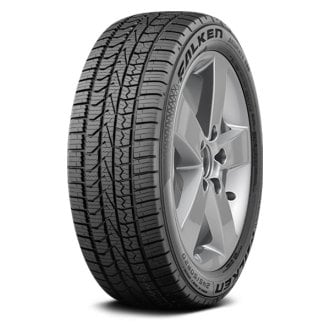
- FALKEN® - AKLIMATE$146.00 - $195.00
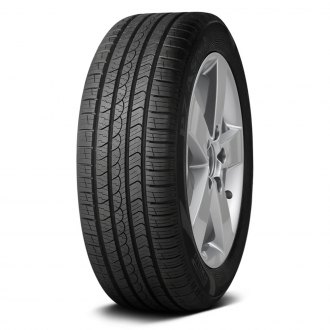
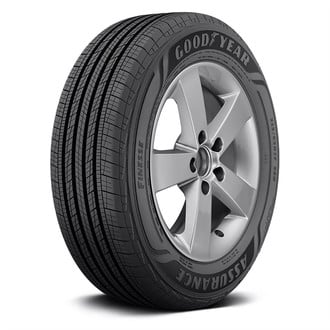
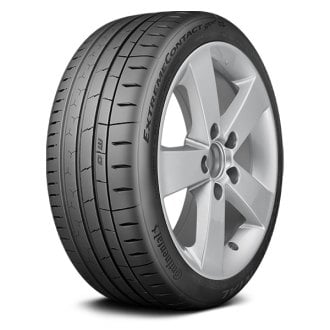
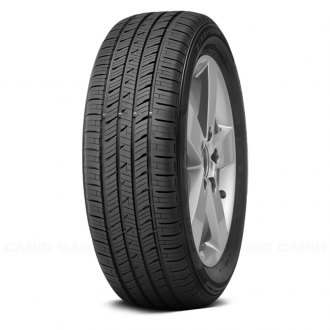
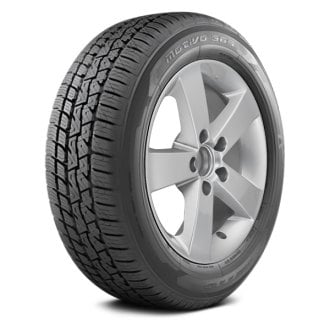
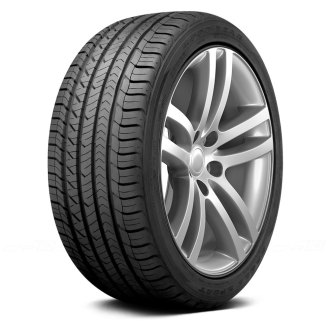
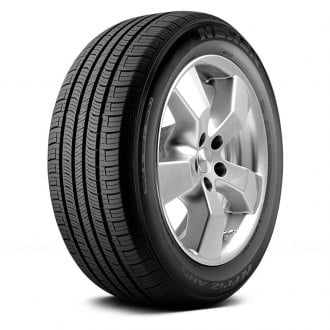

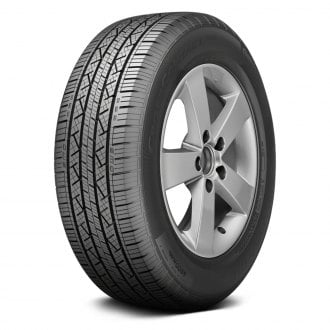


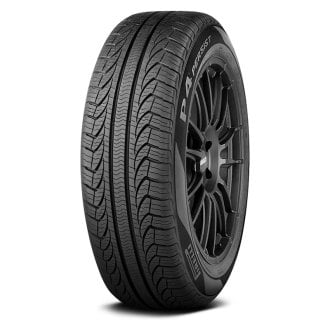

The Jeep Compass is a compact crossover SUV which combines visual cues borrowed from its sibling Cherokee, with a smooth ride, comfortable cabin, and decent off-road abilities. In other words, the Compass is a smaller and more city-oriented version of the Cherokee. The proper set of tires can improve the overall driving characteristics of the crossover making the ride safer, the handling sharper, and the performance more impressive. Today, the industry produces rubber tailored for various needs. You can choose a suitable set depending on the climate in your region and the intended use. We have a large selection of high-quality 2014 Jeep Compass tires designed and manufactured by some of the most reputable brands in the industry, including Nitto, BFGoodrich, Toyo, Cooper, and others.
The selection of the most suitable set of rubber for your Compass must depend on several factors. Climate and seasons are the first variables to take into consideration. Harsh winters call for specialized tires made using a compound capable of staying soft and ensuring enough traction when the temperature falls. The grip is provided by large tread blocks and deep sipes. On the other side, summer tires work best when it is hot outside. Also, their shallow grooves are designed to prevent hydroplaning while keeping low rolling resistance to improve fuel mileage. For average driving conditions in climates with mild winters, you can safely rely on all-season tires.