2012 Chevy Cruze Tires
-
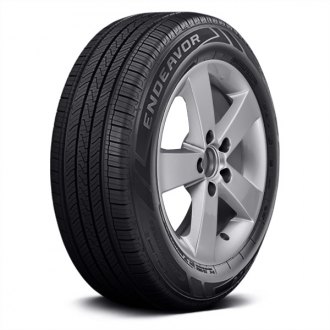 COOPER TIRES® - ENDEAVOR$121.99 - $194.99
 -
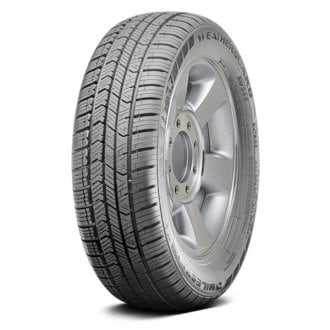 MILESTAR® - WEATHERGUARD AW365$103.95 - $139.68
 -
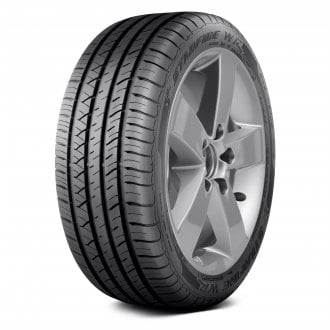 STARFIRE® - WR$116.00 - $150.27
 -
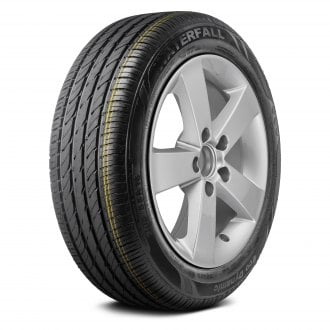
 WATERFALL® - ECO DYNAMIC$68.33 - $88.01
 - ATLAS TIRES® - FORCE UHP$70.38 - $128.94
- ATLAS TIRES® - FORCE HP$78.34 - $90.82
- THUNDERER® - MACH IV R302$89.74 - $96.52
- THUNDERER® - MACH V$95.94 - $120.32
- UNIROYAL® - TIGER PAW TOURING A/S$132.99 - $207.99
- UNIROYAL® - POWER PAW A/S$156.99 - $223.99
- TOYO TIRES® - PROXES SPORT A/S$165.40 - $214.59
- MICHELIN TIRES® - PILOT SPORT 4 S$248.03 - $394.99
- BFGOODRICH® - ADVANTAGE CONTROL$156.99 - $225.99
- MICHELIN TIRES® - CROSSCLIMATE 2$177.45 - $288.99
- MICHELIN TIRES® - PRIMACY MXM4 ZP (RUN FLAT)$249.90 - $271.99
- CONTINENTAL TIRES® - CONTIWINTERCONTACT TS830P$218.58 - $282.31
- CONTINENTAL TIRES® - CONTISPORTCONTACT 5$245.02 - $326.86
- PIRELLI TIRES® - CINTURATO P7 (RUN FLAT)$185.06 - $347.99
- PIRELLI TIRES® - WINTER SOTTOZERO SERIES 3 (RUN FLAT)$249.70 - $259.36
- NOKIAN® - NORDMAN NORTH 9$154.29 - $235.98
- HANKOOK® - VENTUS S1 EVO2 K117$155.65 - $231.46
- NEXEN® - CP671$122.31 - $221.00
- RADAR® - RPX-900$84.70
- FORCELAND® - KUNIMOTO F22$72.64
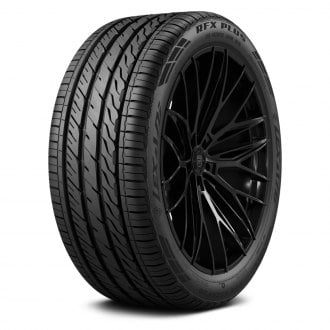
- LEXANI TIRES® - RFX PLUS$182.92
- LEXANI TIRES® - QUATTRO TEMPO PRIMO$85.37 - $87.14
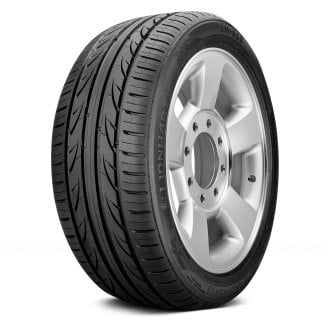
- LIONHART® - LH-503$84.32 - $86.57
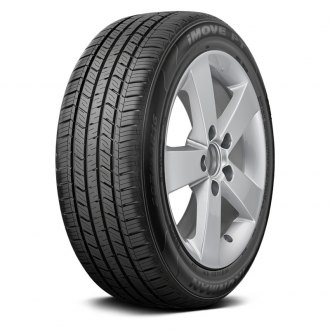
- IRONMAN® - IMOVE PT$88.00 - $123.00
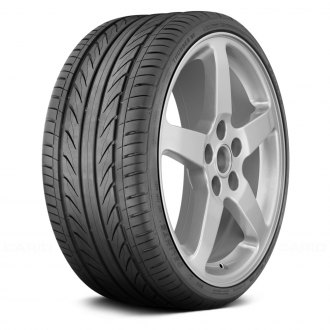
- DELINTE® - THUNDER D7$112.35
- LEXANI TIRES® - QUATTRO TEMPO AW$86.32 - $89.68
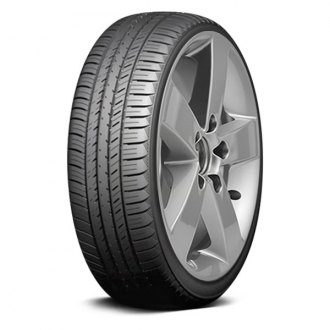
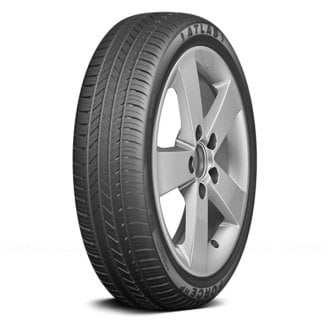
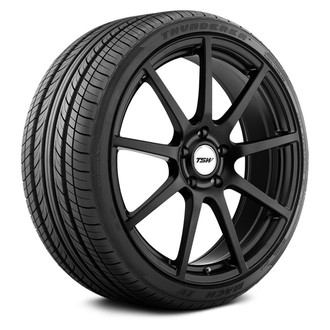
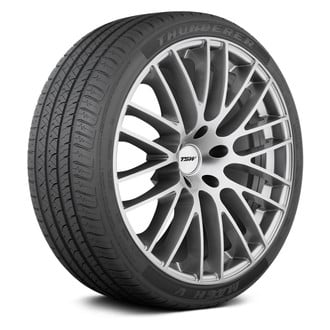
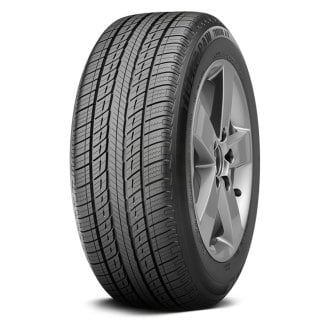
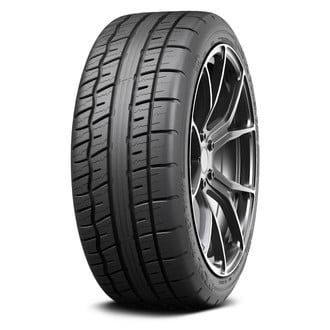


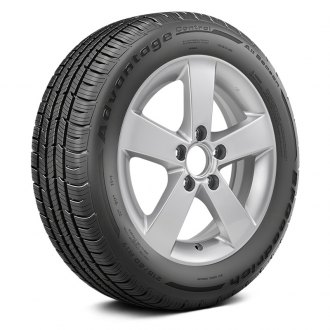
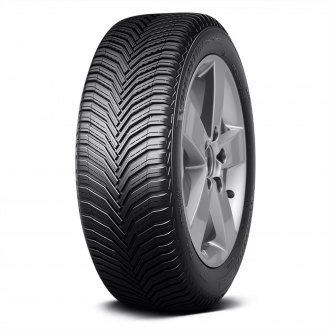
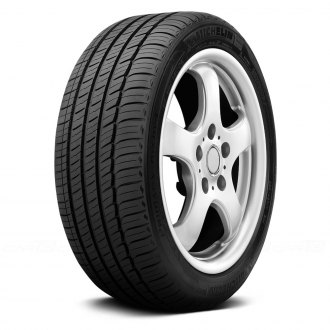

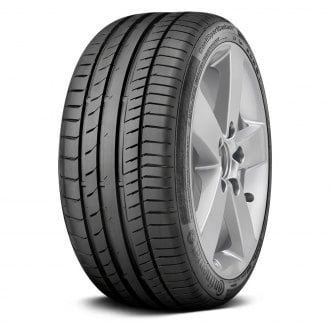
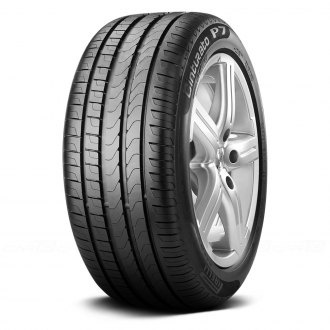

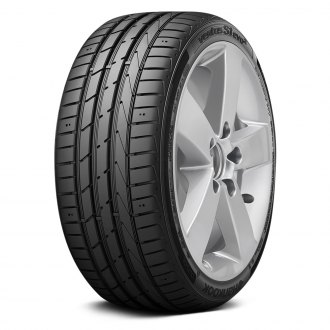
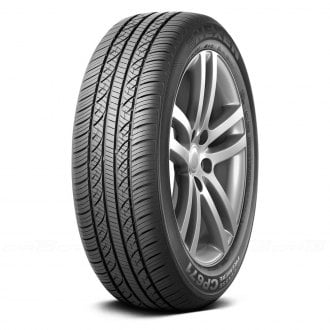
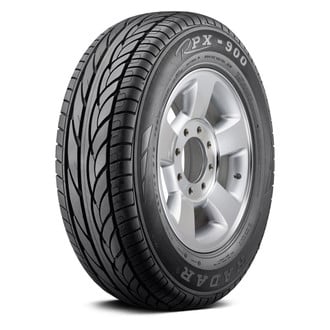
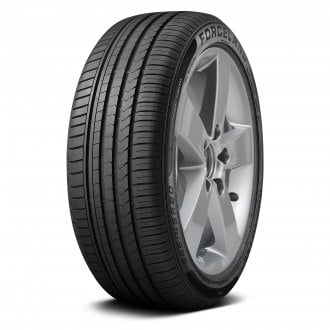

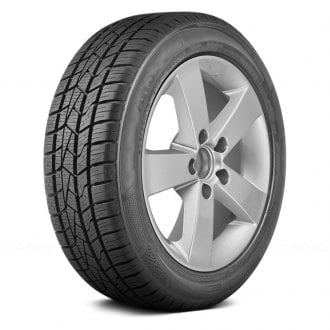
The dynamics of the 2012 Chevy Cruze makes it pleasant to drive, while the well-tuned suspension contributes to smoothness when going over road irregularities. This is possible largely thanks to the mechanicals the auto is equipped with, but the tires also have a considerable impact. This is why they have to be replaced when the need comes, otherwise, your drive is very likely to lack not only smoothness but also safety. Check out our catalog of 2012 Chevy Cruze tires and select the right products that suit the climate of your locality and your driving habits.
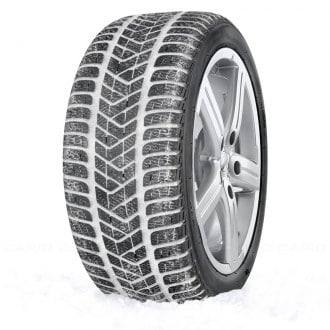
If you mainly drive on hot asphalt at temperatures over 45 degrees, summer rubber will be the right choice, as it has the necessary compound and tread pattern to provide sufficient traction. All-season tires are more universal, as silica compounds and design elements they feature allow for good performance on dry and wet pavement in a wide range of temperatures. They can even cope with light snow but cannot work well in hard frost and deep snow, so if such weather is typical for your area, it's better to switch to winter / snow tires.