2011 Kia Soul Tires
-
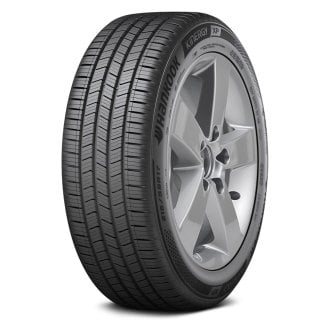 HANKOOK® - KINERGY XP$147.99 - $213.99Mail-in RebateGet $80 prepaid card back - Details
 -
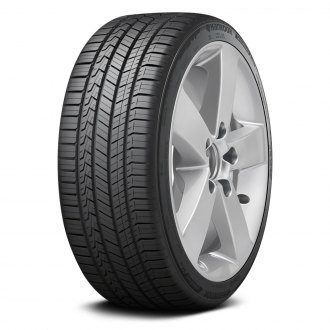 HANKOOK® - VENTUS S1 A/S H125$151.99 - $196.99
 -
-
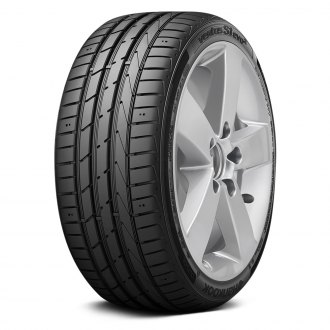
 HANKOOK® - VENTUS S1 EVO3 K127$247.61
 -
-
- PIRELLI TIRES® - CINTURATO P7$139.94 - $319.68
- PIRELLI TIRES® - CINTURATO P7 A/S (RUN FLAT)$245.53 - $317.52
- DUNLOP TIRES® - ENASAVE 01 A/S$147.35 - $221.24
- COSMO® - MUCHO MACHO$63.61 - $100.76
-
-
- GOODYEAR TIRES® - EAGLE LS-2$127.39
- GENERAL® - ALTIMAX ARCTIC 12$105.10 - $183.99Mail-in RebateGet up to $180 prepaid card back - Details
- GENERAL® - ALTIMAX 365AW$132.99 - $194.99Mail-in RebateGet up to $180 prepaid card back - Details
- ATTURO® - AZ810$73.62 - $87.96
- NEXEN® - ARIA AH7$105.00 - $132.00
- NEXEN® - CP662$111.00 - $182.00
- NEXEN® - N BLUE 4SEASON 2$111.00 - $185.00
- FIRESTONE® - FT140$125.82 - $164.58
- FIRESTONE® - WEATHERGRIP$134.99 - $190.99
- FIRESTONE® - WINTERFORCE 2$155.18
- ACCELERA® - ECO PLUSH$52.41
-
- BRIDGESTONE TIRES® - ECOPIA EP422$150.39 - $180.02
- BRIDGESTONE TIRES® - ECOPIA EP422 PLUS$163.99 - $195.99
-
- BRIDGESTONE TIRES® - POTENZA SPORT$167.99 - $254.99
- BRIDGESTONE TIRES® - WEATHERPEAK$172.99 - $219.99
- BRIDGESTONE TIRES® - TURANZA QUIETTRACK$183.99 - $235.99
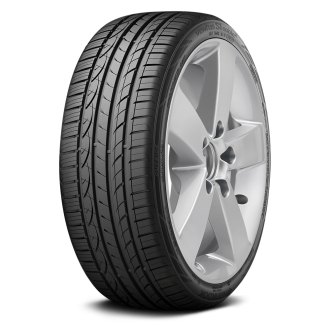
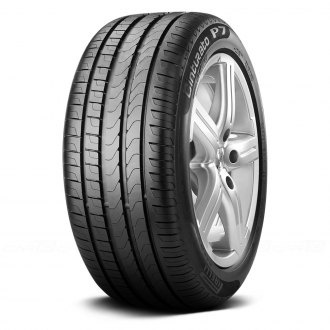
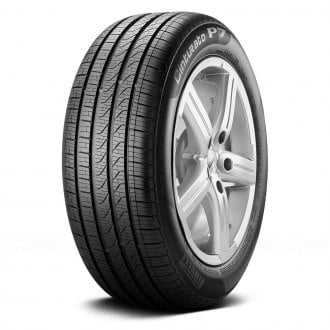

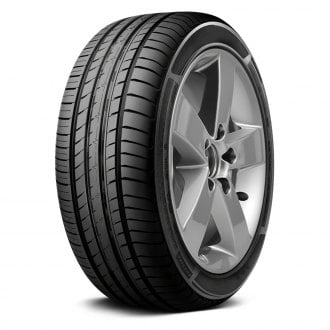
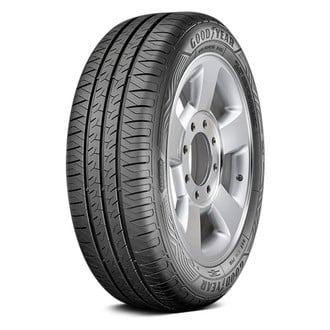
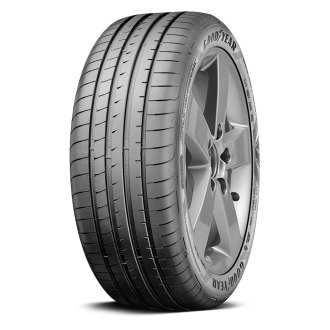
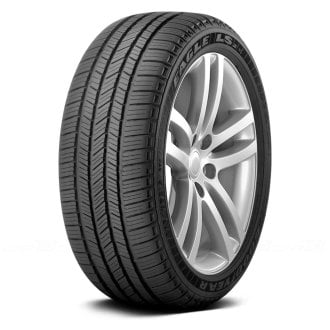
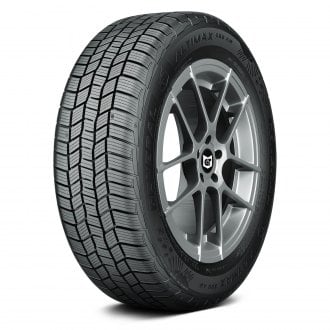
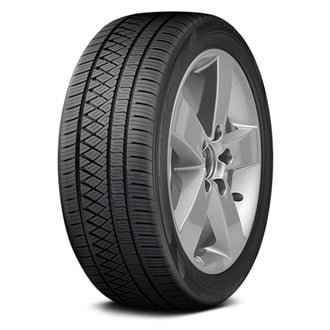
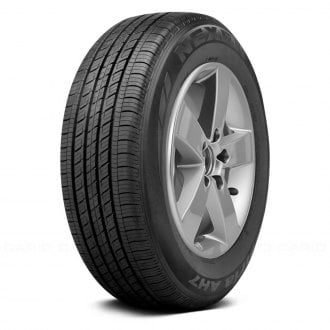
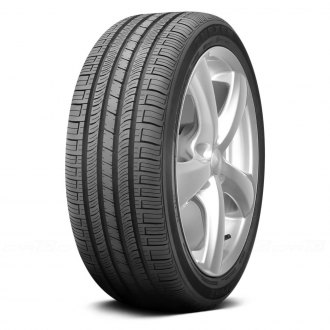
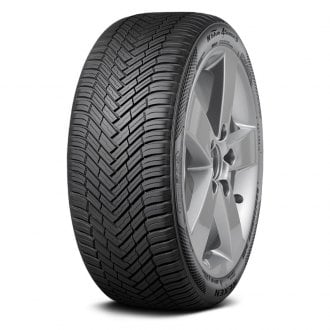
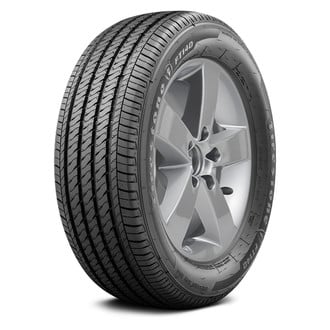
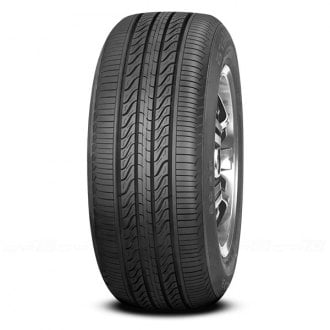
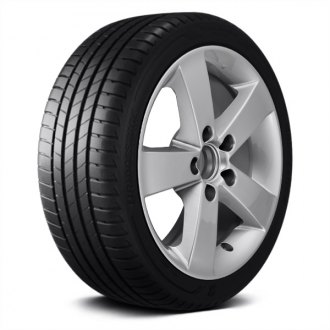
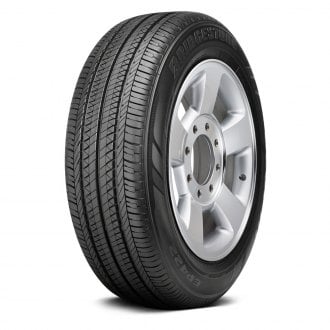
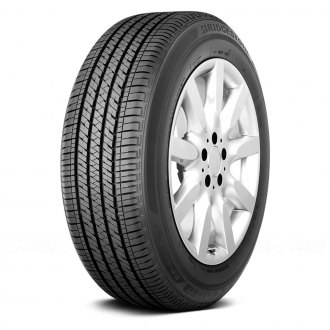
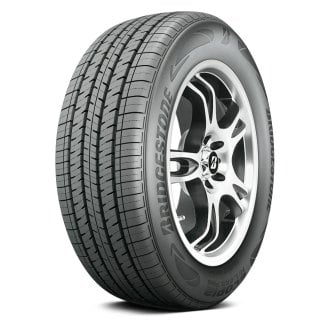

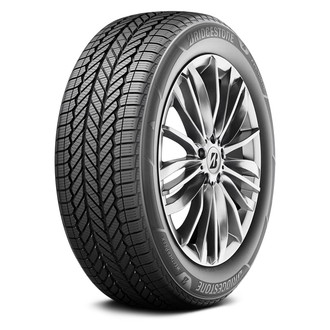
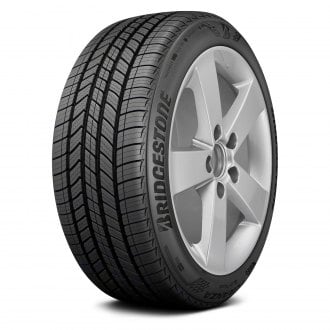
Tires are among the most overlooked components on your Kia Soul, though their role in optimizing handling, braking, and other aspects of vehicle performance is big enough. Having a brand-new tire set on your car can surely help regain some of its lost performance characteristics. All-seasons feature a variety of advantages, which allow you to forget about the hassle of seasonal tire changeovers. Silica-infused compounds allow the rubber to stay within the required flexibility limits in a wide range of temps. Well-designed treads ensure decent traction and grip in many types of weather conditions, reducing any chances of aquaplaning.
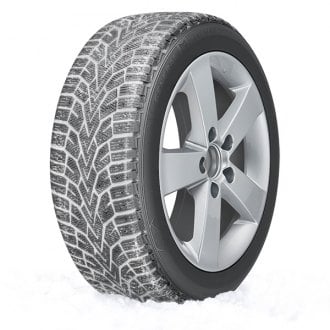
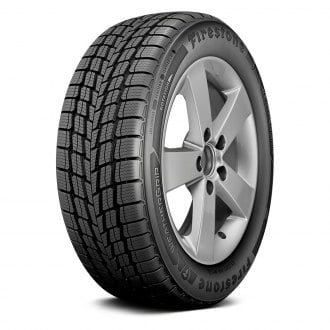
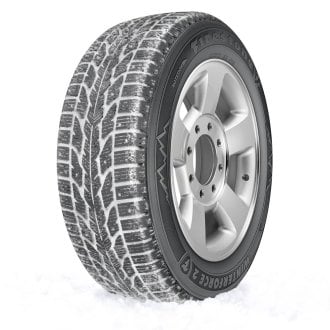
Winter tires utilize extensive inclusions of natural rubber which keeps them pliable in the wintertime cold, when the temperatures go down considerably. They feature treads which rise higher, ruts and channels which are deep and wide, and shoulder blocks which extend considerably, all in order to grind into frozen snow, slush, and ice. 2011 Kia Soul tires rated for summer use are made with plenty of synthetic rubber and carbon, so that the final units would be hard enough for the warmer spring weather and summer heat. They have less prominent treads, shallower channels and grooves, and no shoulder blocks, all in order to maximize the footprint on the road at higher temperatures.