2007 Dodge Caliber Tires
-
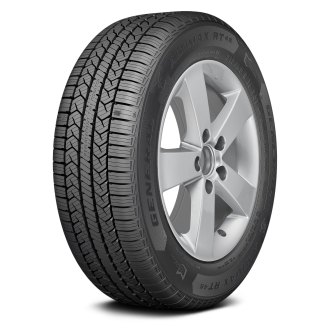 GENERAL® - ALTIMAX RT45$114.99 - $172.99
 -
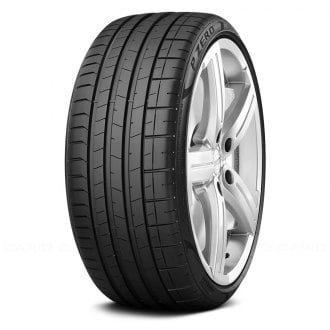 PIRELLI TIRES® - P ZERO PZ4$337.01 - $524.27
 -
 TOYO TIRES® - PROXES SPORT A/S$171.51 - $182.55
 -
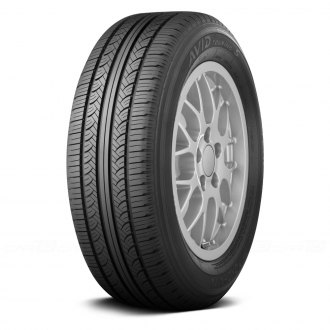
 YOKOHAMA® - AVID TOURING-S$120.11 - $154.39
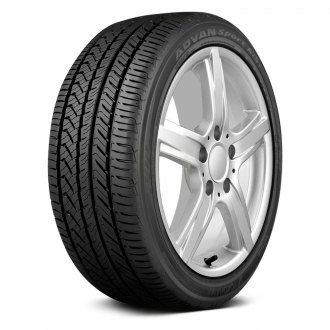
 - YOKOHAMA® - ADVAN SPORT A/S PLUS$213.36 - $245.58
- MASTERCRAFT® - STRATUS AS$87.00 - $92.67
- LEXANI TIRES® - QUATTRO TEMPO PRIMO$81.20 - $91.46
- IRONMAN® - IMOVE PT$90.63 - $105.37
- NITTO® - INVO$268.30 - $304.41
- HANKOOK® - VENTUS V12 EVO2 K120$206.78 - $206.86
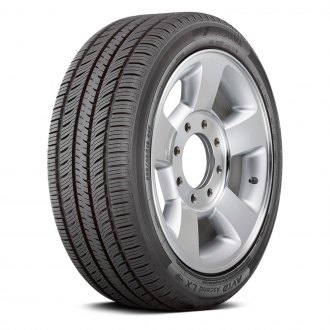
- YOKOHAMA® - AVID ASCEND LX$130.99 - $175.99
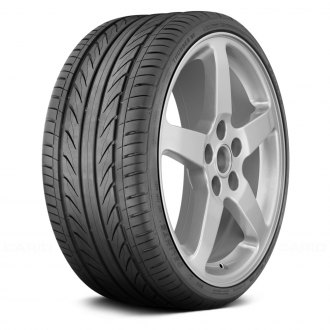
- DELINTE® - THUNDER D7$92.82 - $96.83
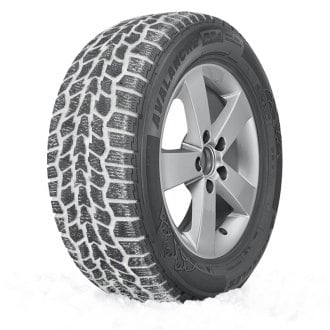
- HERCULES® - AVALANCHE RT$124.99 - $133.45
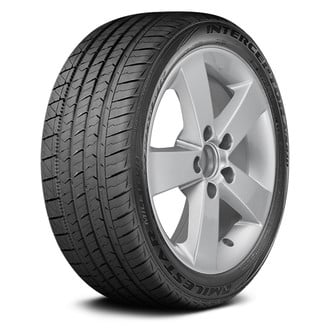
- MILESTAR® - INTERCEPTOR AS810$116.95 - $159.95
- TOYO TIRES® - OBSERVE GSI-6 LS$114.29 - $162.55
- CONTINENTAL TIRES® - VIKINGCONTACT 8$153.99 - $293.99
- PIRELLI TIRES® - P ZERO PZ4 (RUN FLAT)$384.71 - $538.16
- HANKOOK® - WINTER I CEPT IZ3 W636$125.45 - $173.33
- HANKOOK® - WINTER I PIKE RS2 W429 STUDDED$132.13 - $220.88
- HANKOOK® - WINTER I CEPT EVO3$144.63 - $278.09
- HANKOOK® - WINTER I PIKE X STUDDED$156.21 - $184.01
- GOODYEAR TIRES® - EFFICIENTGRIP PERFORMANCE$110.16 - $179.01
- GOODYEAR TIRES® - ASSURANCE MAXLIFE$169.29 - $206.23
- GENERAL® - ALTIMAX ARCTIC 12$114.34 - $141.99Mail-in RebateGet up to $180 prepaid card back - Details
- ATTURO® - AZ810$98.76 - $103.28
- NEXEN® - N5000 PLATINUM$160.00 - $196.00
- DELINTE® - DH2$82.81 - $94.03
- DELINTE® - DX20 BANDIT X/T$118.52 - $121.46
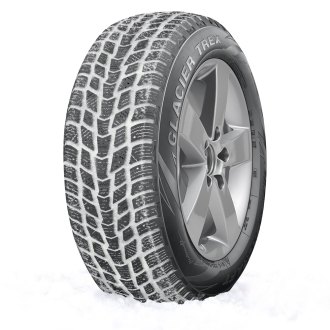
- MASTERCRAFT® - GLACIER TREX$103.28 - $109.13
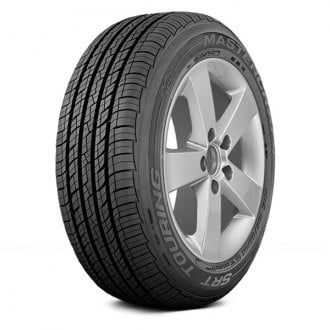
- MASTERCRAFT® - SRT TOURING$110.28 - $119.15
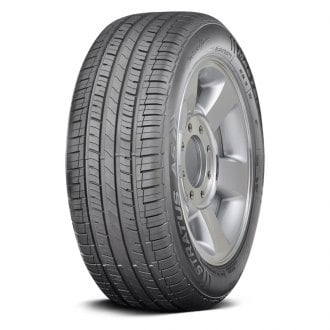

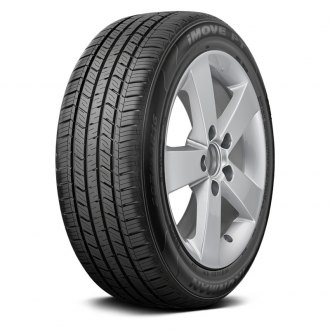
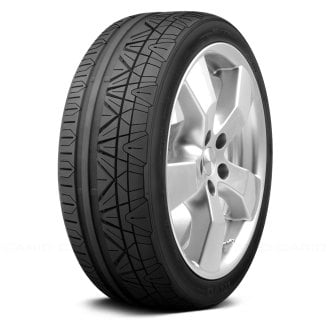
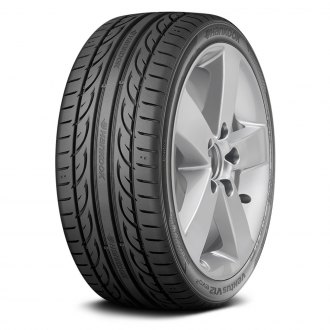

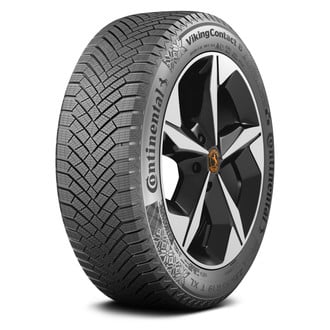
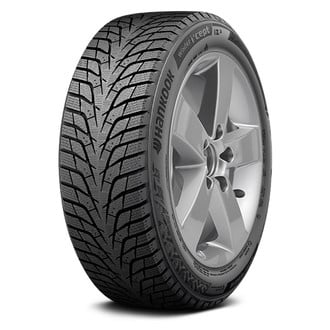
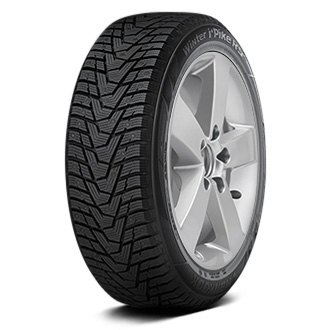
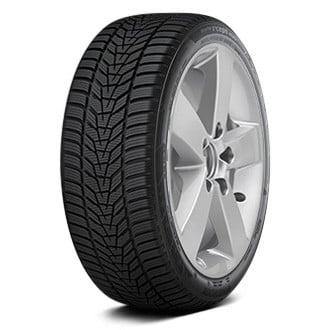
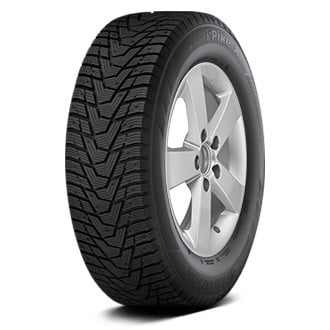
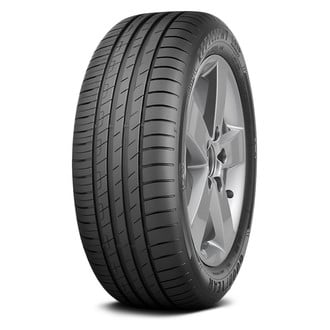
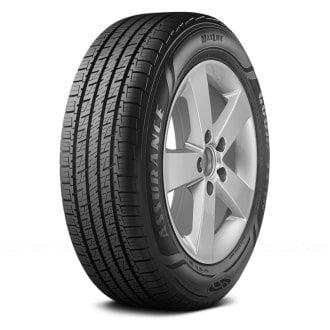
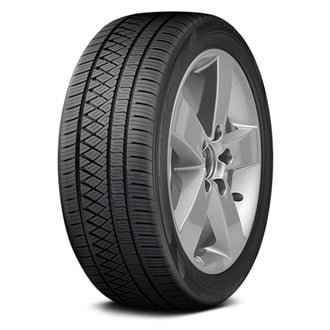
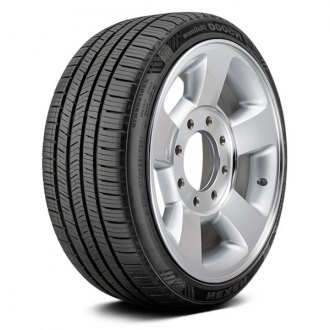

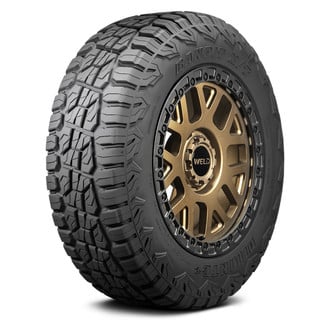
Practical and dependable, the 2007 Dodge Caliber is a good choice for driving both on paved city streets and highways. However, there are some factors which have an impact on the way your car rides, and the tires play a large role here. If yours are worn-out or damaged, replace them as soon as possible, as it's a matter of safety. Yet, just replacement isn’t enough, as new rubber has to suit your driving conditions and the climate of your locality. Have doubts which type of 2007 Dodge Caliber tires to choose? Let us help you.
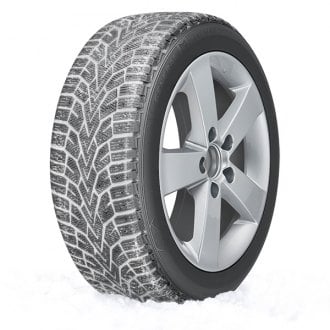
Weather conditions may put additional requirements on your rubber, so think about them first when choosing a new set. If your area has a warm or hot climate, summer rubber is right up your street – it is designed to provide good traction and remain quiet on both wet and dry pavement unless it's too cold outside. Its winter counterpart usually features an altered tread pattern with larger lateral grooves for better control and grip on snowy roads, or when the temperature drops below freezing. For something more versatile, you can pick all-season tires, which are a good compromise between summer and winter rubber.