2001 Ford F-150 Tires
-
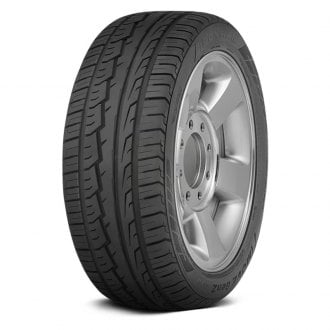 IRONMAN® - IMOVE GEN2 SUV$142.00 - $189.00
 -
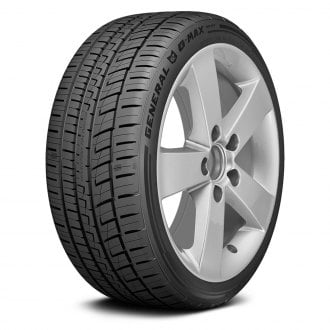 GENERAL® - G-MAX AS-07$179.99 - $400.99
 -
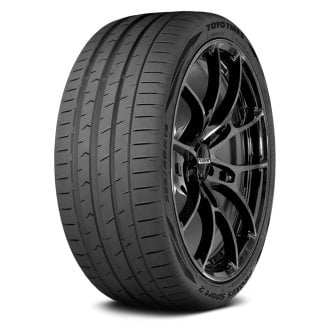 TOYO TIRES® - PROXES SPORT 2$313.78 - $375.34
 -

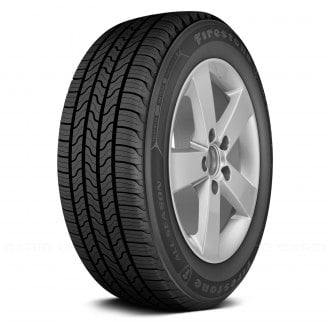
- FIRESTONE® - ALL SEASON$136.33 - $175.20
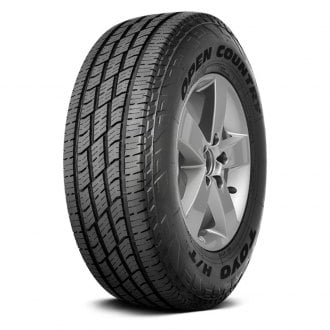
- TOYO TIRES® - OPEN COUNTRY H/T II$164.72 - $322.12
- FALKEN® - RUBITREK A/T$160.00 - $458.00
- FALKEN® - AZENIS FK460 A/S$246.00 - $342.00
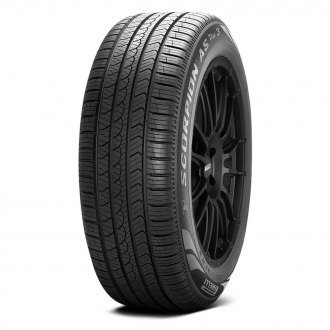
- PIRELLI TIRES® - SCORPION™ AS PLUS 3$246.05 - $327.88
-
- FALKEN® - WILDPEAK A/T TRAIL$242.00
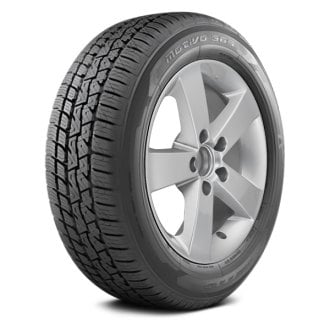
- NITTO® - MOTIVO 365$217.00 - $242.00
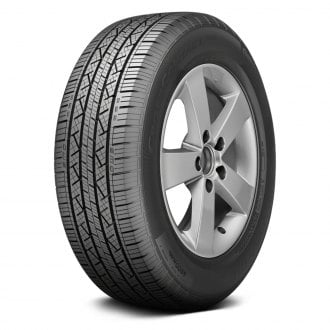
- CONTINENTAL TIRES® - CROSSCONTACT LX25$216.99 - $316.99
- FALKEN® - ZIEX CT60$153.00 - $243.00
- HANKOOK® - DYNAPRO AT2 XTREME WITH OUTLINED WHITE LETTERING$176.99 - $365.99
- GOODYEAR TIRES® - EAGLE SPORT$254.99
- LAUFENN® - S FIT AS$198.99
- TOYO TIRES® - CELSIUS CARGO$210.25 - $234.17
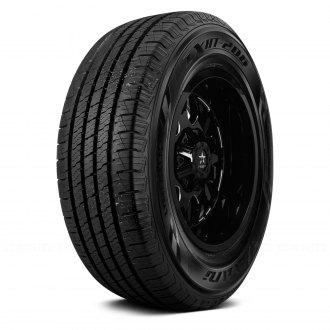
- LEXANI TIRES® - LXHT-206$95.38 - $149.30
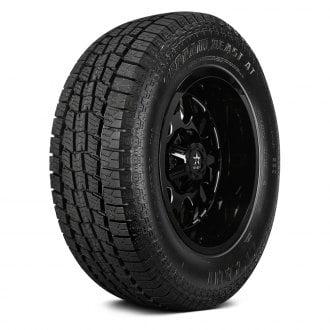
- LEXANI TIRES® - TERRAIN BEAST AT$136.22 - $187.66
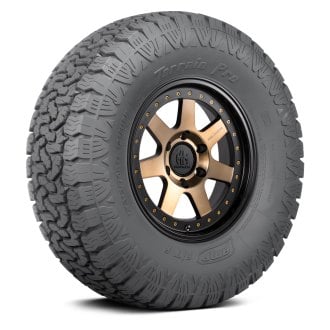
- AMP® - TERRAIN PRO A/T P$221.00 - $369.00
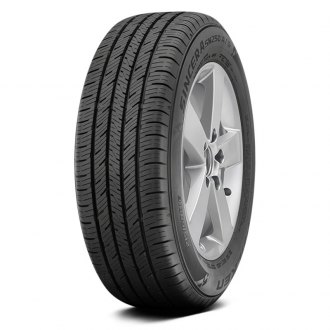
- FALKEN® - SINCERA SN250$151.00
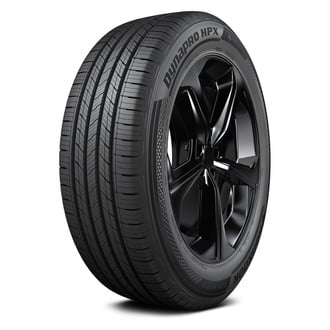
- HANKOOK® - DYNAPRO HPX$223.99 - $273.99
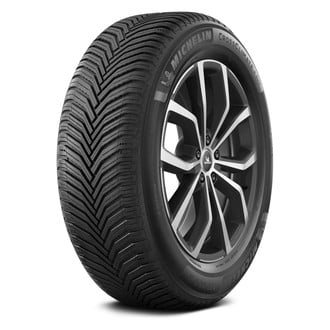
- MICHELIN TIRES® - CROSSCLIMATE 2 CUV$270.99 - $367.99
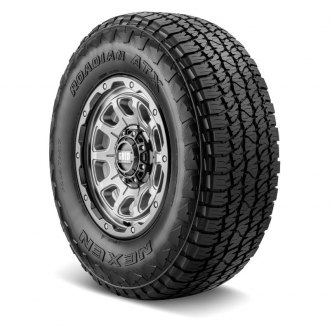
- NEXEN® - ROADIAN ATX$170.00 - $484.00
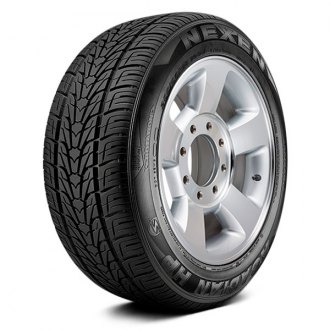
- NEXEN® - ROADIAN HP$204.00 - $318.00
- MICKEY THOMPSON TIRES® - BAJA BOSS A/T$314.39 - $644.79Mail-in RebateGet up to $100 prepaid card back - Details
- PIRELLI TIRES® - P ZERO A/S$444.18
-
- COOPER TIRES® - DISCOVERER ROAD TRAIL A/T$190.99 - $288.99

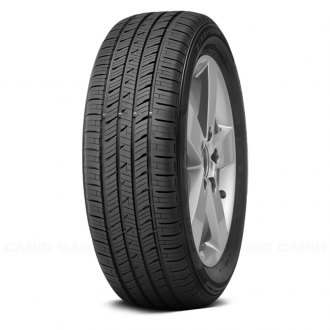
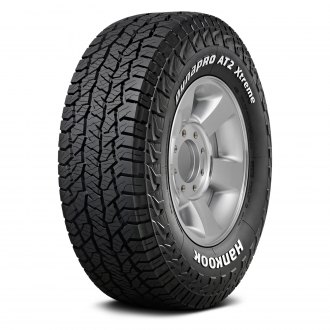
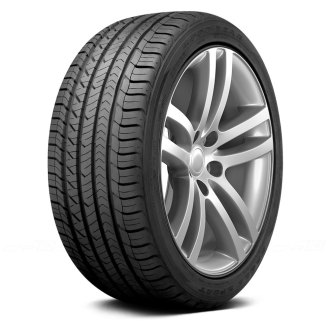

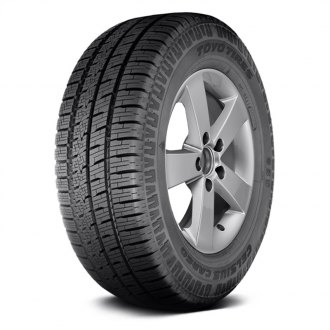
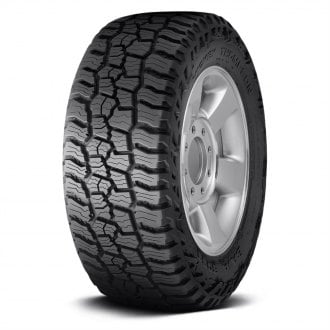
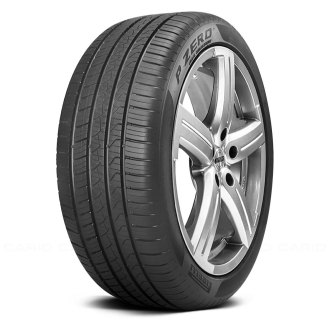
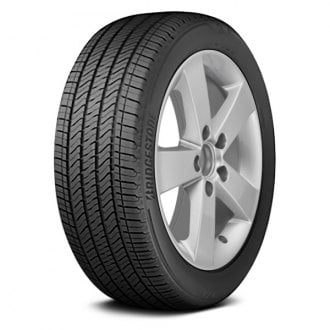
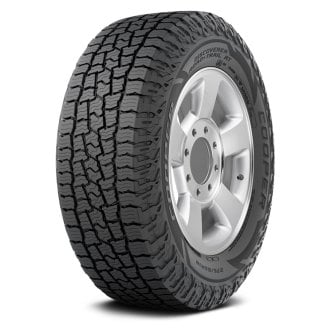
How long has it been since you last replaced the tires of your 2001 Ford F-150? Probably, it's time to get a new set of rubber, as it plays a huge role in the quality and safety of your ride. The tires with an insufficient tread depth cannot provide the course-keeping ability on the needed level; also, stopping distances can turn out to be longer than you expect. Yet, it is not just the condition of your tires which matters but also their type – if you use an inappropriate one, it may also lead to dangerous situations on the road.
So, if it has been long since you last changed your rubber, or if you still use your winter tires in summer, our collection of 2001 Ford F-150 will help you pick the right model. Here you can find different types of rubber tailored for various driving styles and weather conditions. What’s more, we also carry tires meant to improve ride quality. Fuel-efficient rubber with low rolling resistance will help you minimize gas consumption, while its run flat counterparts are able to work for a while after the loss of pressure giving you the possibility to get to the nearest service station without wheel replacement.