Racing Intake Manifolds & Components
-
-
-
-

-
-
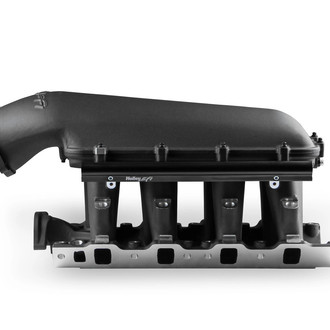
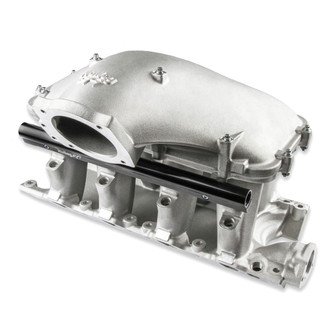
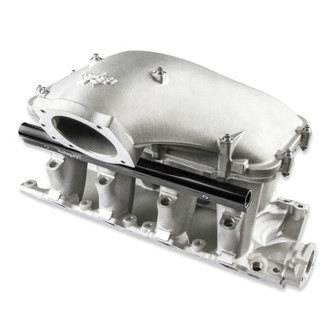
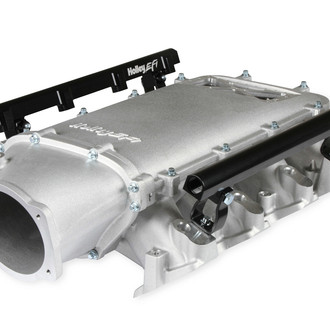
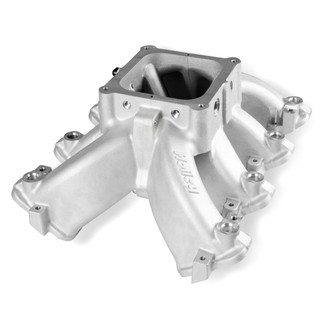
- Save 0%Holley® - Hi-Ram Satin EFI Intake Manifold with Side Mount Top (300-306)$739.95$742.95Save $3.00 (1%)
-
-
-
-
-
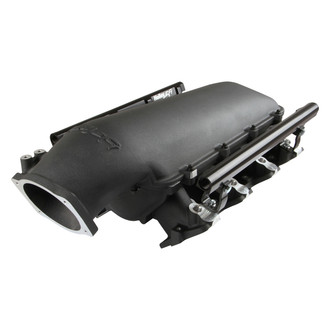
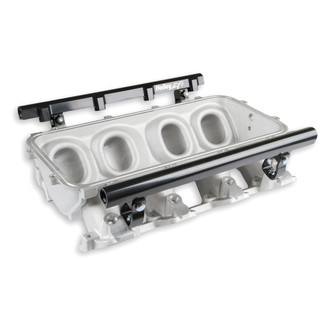
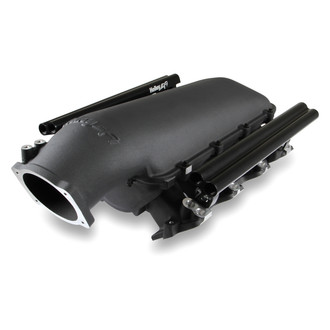
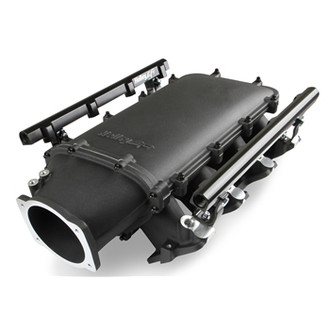
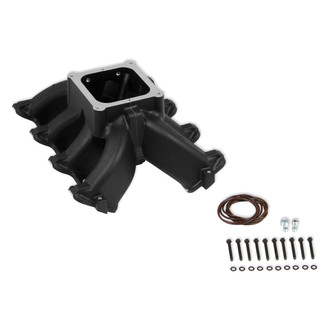
- Save 50%Holley® - Lo-Ram Black Intake Manifold Kit (300-680BK)$549.95$1,099.95Save $550.00 (50%)
-
-
-
-
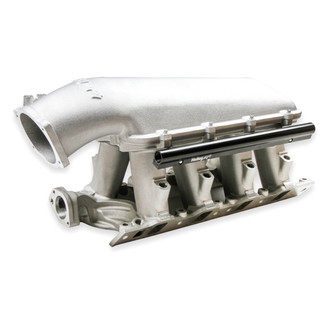
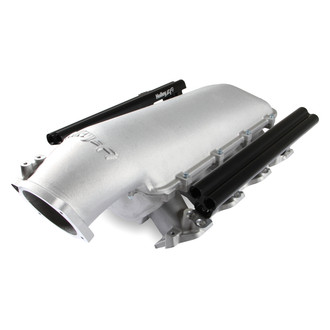
- Save 50%Holley® - Lo-Ram Satin Intake Manifold Kit (300-679)$499.95$999.95Save $500.00 (50%)
-
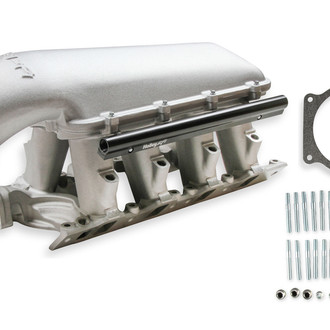
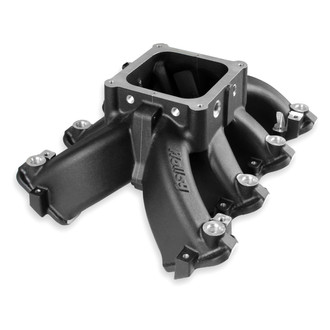
- Save 37%Holley® - Lo-Ram Top-Feed Satin Intake Manifold Kit (300-621)$629.95$999.95Save $370.00 (37%)
-
-
-
-
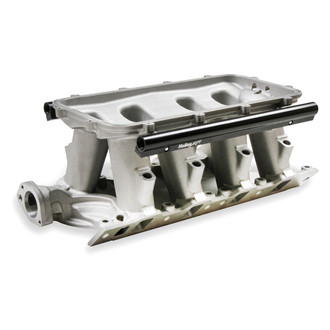
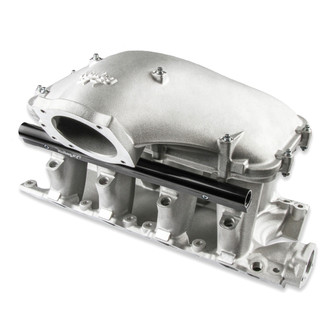
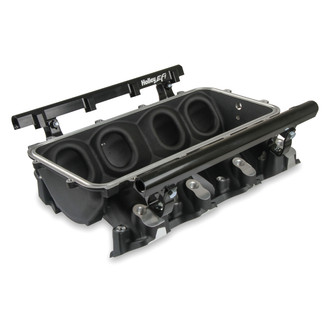
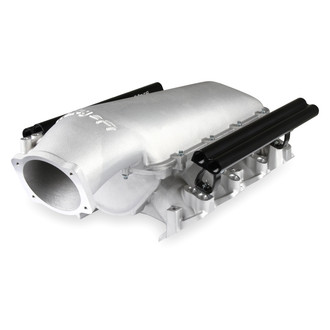
- Save 3%Holley® - Single Plane Split-Design Satin EFI Intake Manifold with Fuel Rails (300-294)$584.95$599.95Save $15.00 (3%)
-
-
-
-
-
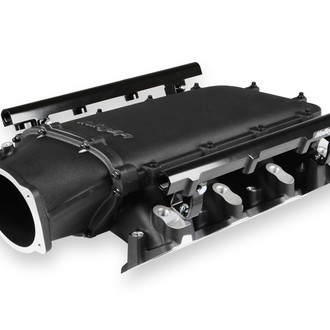
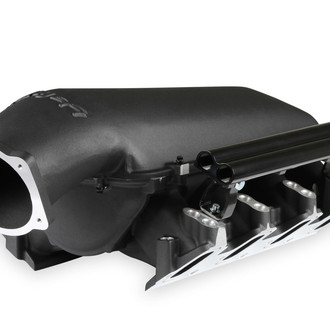
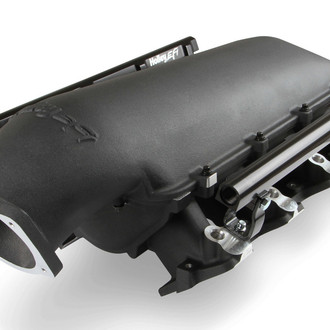
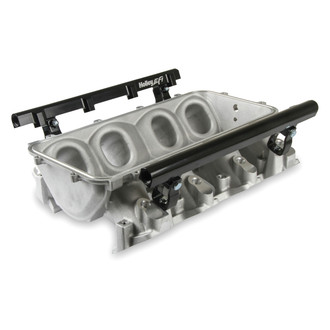
Your race car breathes. Just like your lungs, its engine takes air and breathes it out. The only difference is that it needs the air to be mixed with fuel before it gets into the engine. For this reason, your car is equipped with an intake manifold. It is a special compartment where air meets fuel, and then this mixture is delivered to your engine’s cylinders via individual tubes, so each cylinder can get the right amount of the mixture for a power stroke. Your intake manifold does an important job, ensuring smooth and efficient operation of the engine.
All intake manifolds can be divided into two major groupes, including manifolds for vehicles equipped with EFI and carbureted engines. They differ in design, yet serve the same purpose of delivering an air-fuel mixture to the cylinders. EFI intake manifolds are often called dry manifolds as they primarily supply air that is mixed with fuel close to the intake valves before it gets into the engine. In direct injection engines, the only job of the intake manifold is to feed the engine with clean air because fuel is injected into each cylinder directly. Such intake manifolds do not need to be heated to aid fuel vaporization, so they run cooler and, therefore, allow more air to be delivered to the engine.
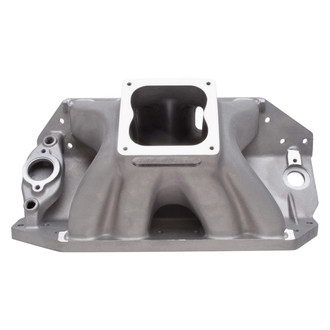
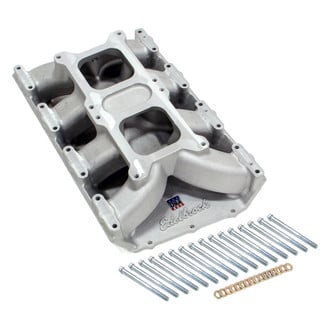
The performance and efficiency of carbureted engines well depend on the design of the intake manifold. This is when racing and high-performance intake manifolds come into play. The most popular types of such intake manifolds are single-plane and dual-plane ones, however, you may also find square bore, spread bore, low rise and high rise manifolds as well as tunnel rams. Each of them has its advantages and disadvantages, and is best to use depending on the engine design, its size, and fuel delivery system. For example, race cars that often run in the upper RPM ranges will work best with a single-plane manifold as it provides maximum performance at high RPMs.