Racing Fuel Pumps & Components
Browse by Vehicle
-
-
-
-

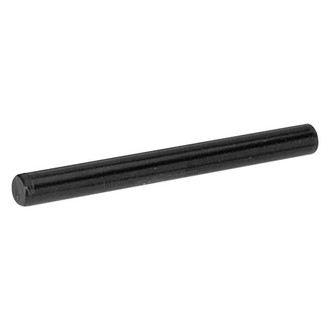
- Moroso® - Fuel Pump Pushrod$34.99 - $36.99
-
-
- Quick Fuel Technology® - Pump Nozzle Gaskets$2.92 - $11.91
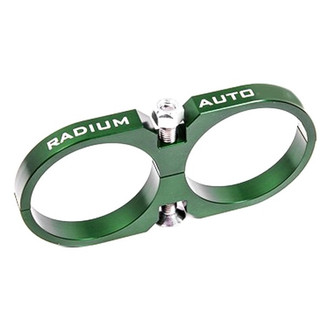
- Radium® - Clamp$47.45 - $66.45
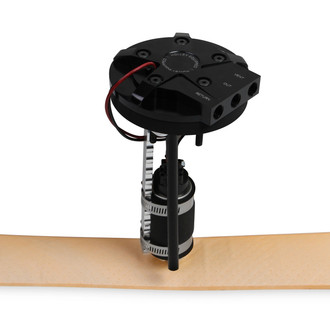
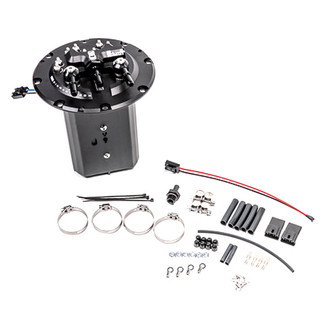
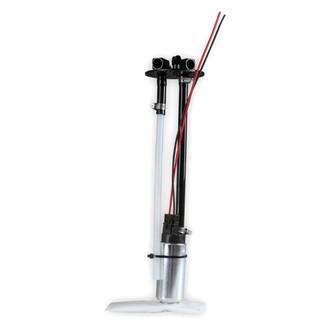
- Radium® - Fuel Hanger$493.95 - $512.95 + Free Shipping with iD FastTrack
-
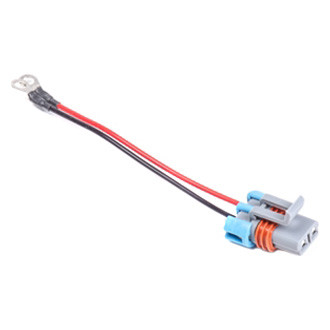
- Radium® - Fuel Pump Connector Harness$16.10 - $18.95
-
-
-
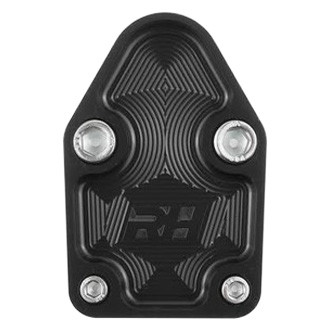
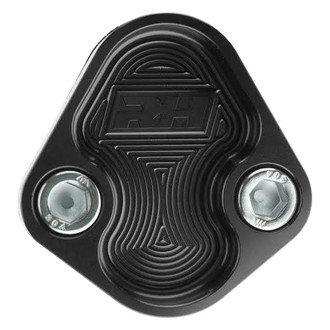
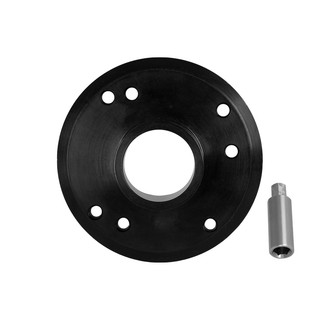
- Redhorse Performance® - Aluminum Block-Off Plate$13.04 - $17.20
-
-
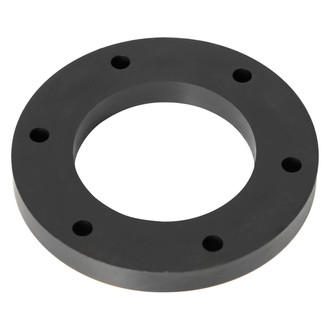
- Sniper® - Fuel Pump Hanger Gasket And Screw Kit$15.39 - $28.39
-
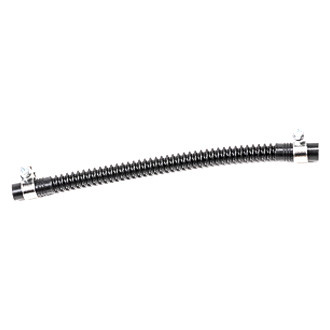
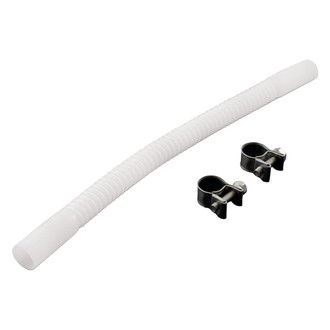
- Vibrant Performance® - Fuel Pump Hose Kit$18.99 - $22.50
-
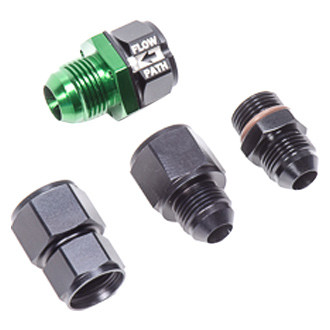
- Waterman Racing® - Fuel Pump Adapter$78.39 - $120.05
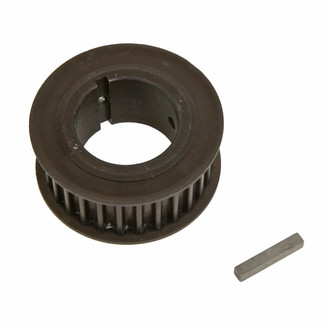
- Waterman Racing® - Fuel Pump High Torque Drive Pulley$69.45 - $98.49
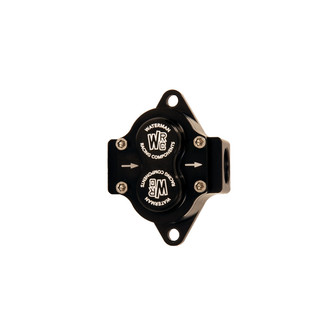
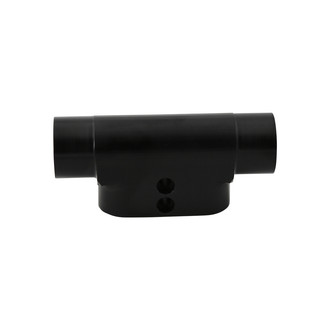
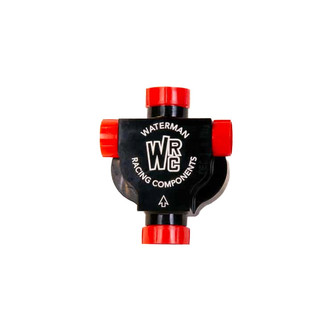
- Waterman Racing® - Fuel Pump Manifold$101.26 - $113.44
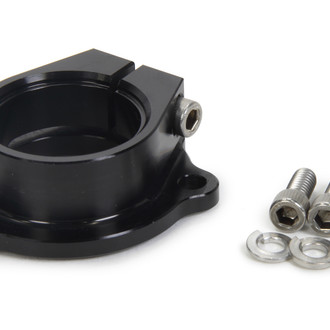
- Waterman Racing® - Fuel Pump Mount$78.39 - $135.26
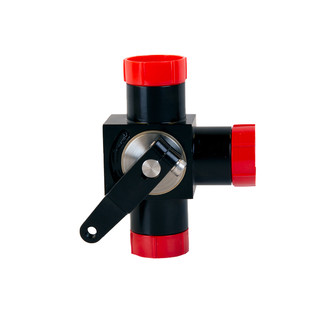
- Waterman Racing® - Fuel Pump Shut-Off Valve$144.68 - $372.53
-
-
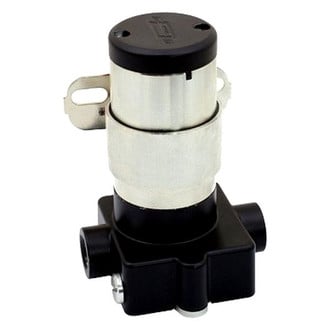
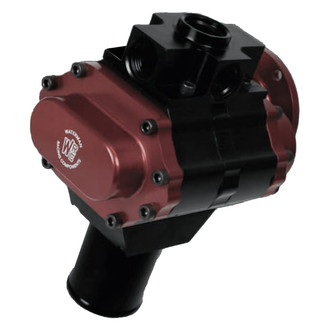
- Waterman Racing® - Lil Bertha Fuel Pump$1,899.78 - $2,090.24


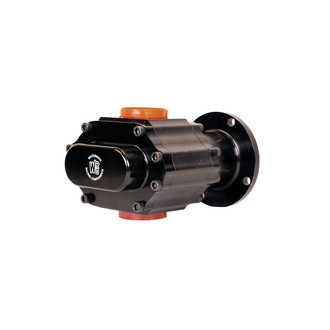
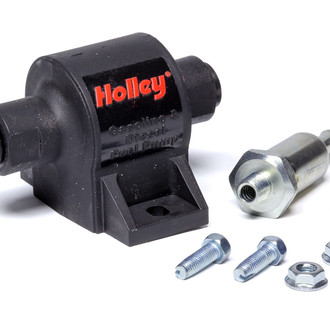
No matter how powerful your engine, if it doesn’t get the proper amount of fuel at the proper pressure, your car won’t go anywhere. And this is what a fuel pump does. Its function is to supply fuel from the gas tank to the carburetor at low pressure or to fuel injectors at high pressure. If the fuel pump is malfunctioning, it can lead to loss of power, slow acceleration, engine sputtering, difficult starting and other serious problems. On our website, you will find an extensive collection of racing fuel pumps that will provide your engine with reliable fuel flow for unbeatable performance.
Choosing the right fuel pump for your race vehicle is crucial if you want to squeeze maximum performance from your engine. There are two types of fuel pumps on the market, such as mechanical and electric. Installed on the cylinder block, a mechanical fuel pump is driven by the lobe on the camshaft, creating the vacuum that helps deliver fuel to the engine. Its operating pressure is lower compared to the electric pump, between 4 and 10 PSI, however, a lot of race cars use a carburetor and mechanical fuel pump. What’s more, mechanical pumps are more reliable and long-lasting, as well as easier to work on.
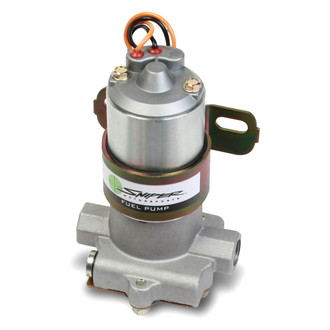
The major difference between mechanical and electric pumps is pressure output. Electric pumps are made for vehicles with the fuel injection system that operates at high pressure. They deliver fuel from the gas tank to the injectors under much higher pressure than mechanical ones, from 30 to 100 PSI. While mechanical pumps are known as puller pumps, electric pumps are called pusher pumps since they create positive pressure, which transfers fuel to the engine. Electric fuel pumps can be located either inside or outside the tank, depending on the configuration. Being safer and more flexible than mechanical, electric pumps are also more efficient in delivering fuel to the motor.