Racing Carburetors & Components
-
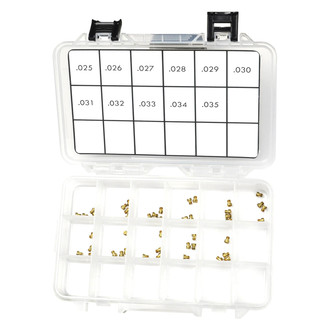 Quick Fuel Technology® - Air Bleed$99.95 - $103.95
 -
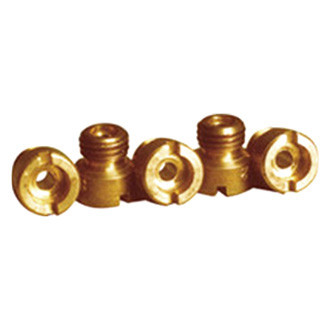
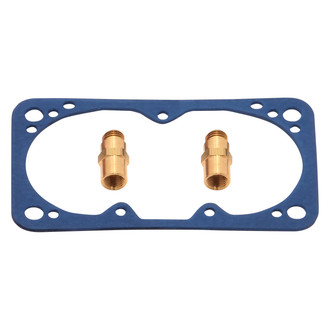 Quick Fuel Technology® - Alcohol Main Jets$11.92 - $169.95
 -
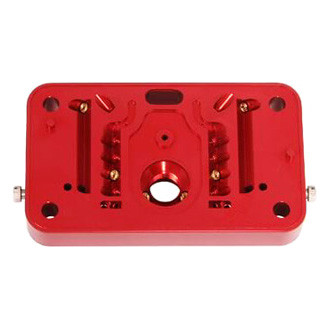
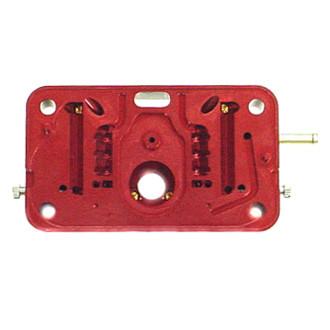 Quick Fuel Technology® - Billet Metering Block Kit$229.95 - $259.95
 -

-
-
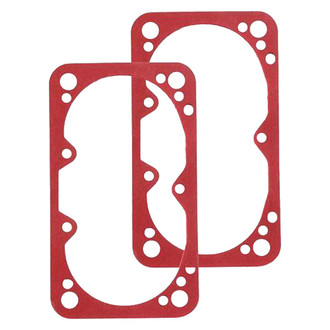
- Quick Fuel Technology® - Carburetor Flange Gasket$11.63 - $17.89
- Quick Fuel Technology® - Carburetor Float$7.23 - $82.35
-
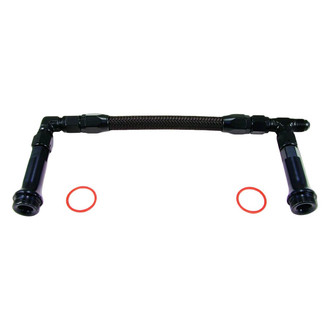
- Quick Fuel Technology® - Carburetor Fuel Inlet Fitting$23.89 - $41.81
-
-
- Quick Fuel Technology® - Carburetor Main Jet Assortment$75.45 - $105.95
- Quick Fuel Technology® - Carburetor Metering Block$129.95 - $233.95
- Quick Fuel Technology® - Carburetor Metering Block Gasket$14.88 - $70.99
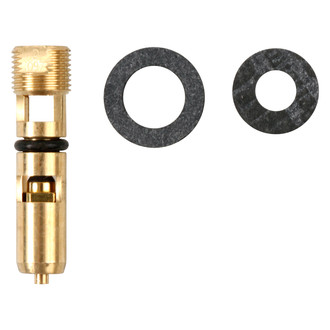
- Quick Fuel Technology® - Carburetor Needle And Seat Kit$20.30 - $169.95
-
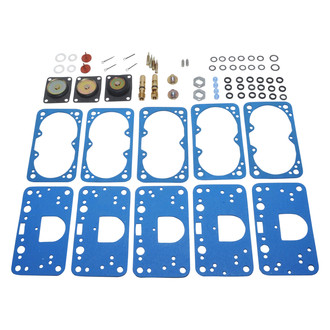
- Quick Fuel Technology® - Carburetor Service Pack$59.89 - $66.65
-
- Quick Fuel Technology® - Carburetor Throttle Plates$20.90 - $28.39
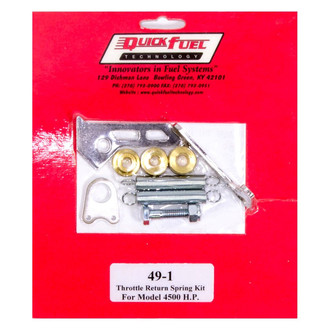
- Quick Fuel Technology® - Carburetor Throttle Return Spring Kit$74.65 - $83.19
-
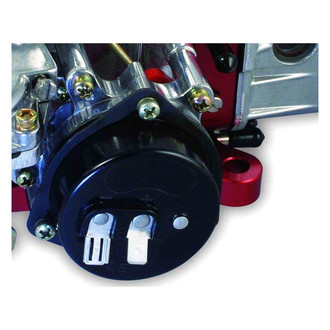
- Quick Fuel Technology® - Electric Choke Cap$39.90 - $41.81
-
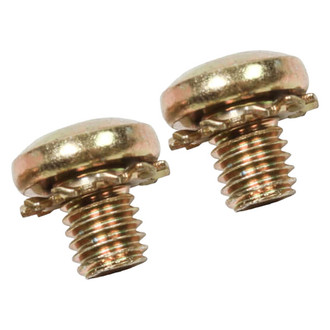
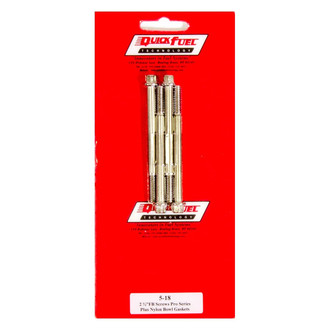
- Quick Fuel Technology® - Fuel Bowl Screws$11.91 - $13.40
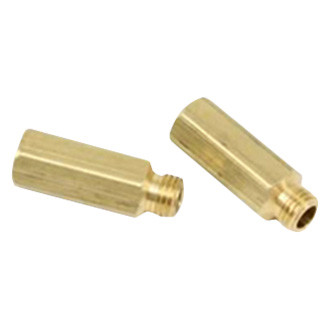
- Quick Fuel Technology® - Gas Jet Extension$11.91 - $175.95
-
-
- Quick Fuel Technology® - Needle And Seat Gasket Kit$7.23 - $34.82
- Quick Fuel Technology® - Non Stick Carburetor Gasket Assortment$33.24 - $33.88
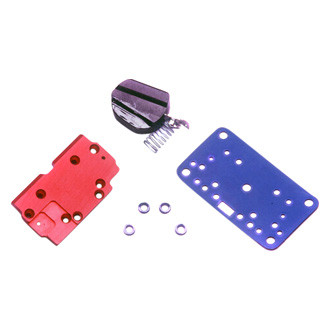
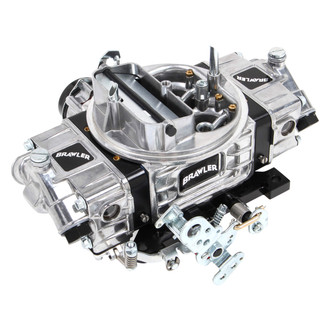
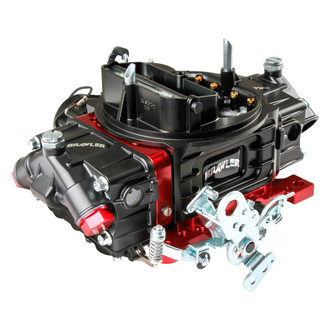




Carburetors have been around for over a century. They are real long-livers that have proved their reliability and hassle-free performance over the years. Carburetors are easy to maintain and repair, so it comes as no surprise that they are still used for racing purposes despite the fact that EFI systems become more and more popular. Obviously, today’s racing carburetors are not those old-school mechanical devices you may find in your father’s classic car. Modern-day racing carburetors are complex units with plenty of components developed and designed to ensure the right air-fuel ratio across the whole RPM range to meet different driving conditions.
Over the course of its history, a carburetor has undergone plenty of improvements to become a modern racing carburetor. But even though, the ABCs of its operation has been the same since its invention by Enrico Bernardi in late 1882. In its basic design, a carburetor is a tube through which air comes into the engine from its air intake. This tube has a narrowing or venturi somewhere in the middle to create a vacuum in order to draw in fuel from the float chamber through a small hole in the narrowing. Since an engine is a kind of a big air pump, its operation creates a difference in pressure between the venturi and the float chamber, which allows for mixing fuel with the air.
Racing engines produce lots of power and, therefore, consume lots of fuel, which is why their carburetors must be able to supply them with a larger amount of air and fuel than regular carbs. Moreover, a racing carburetor must prepare the right air-fuel mixture across the whole RPM range, which is crucial for its safe and efficient operation. For these reasons, many racing carburetors feature from two to four barrels (venturis) with an individual throttle valve for each of them. The valves open one by one, which allows for supplying the engine with the right amount of air and fuel at different speeds, and ensures smooth and efficient operation of the motor.