PCV & Breather Components
Browse by Vehicle
Select Department
-
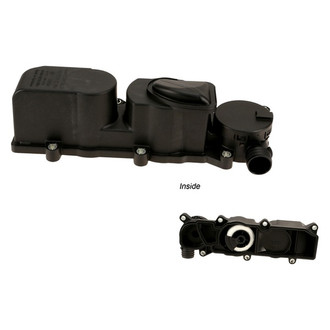 Save up to 25%Mopar® - Engine Oil Separator$143.09 - $183.78$189.98 - $240.78Save up to 25%
 -
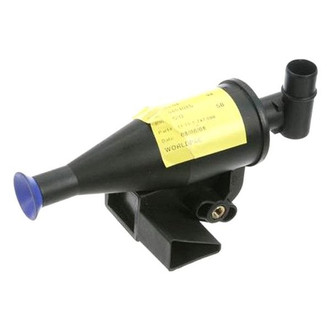 Genuine® - Oil Separator$12.35 - $478.25 + Save up to $5.00 with iD FastTrack
 -
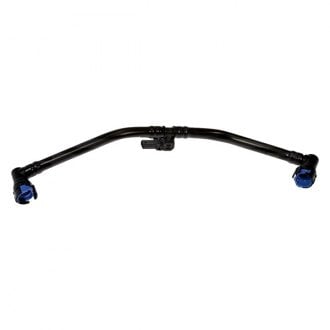 Dorman® - Engine Crankcase Pressure Sensor$71.57 - $153.87 + Save up to $4.00 with iD FastTrack
 -
 SKP® - Engine Crankcase Vent Valve$7.17 - $57.63
 - SKP® - Engine Oil Separator$50.62 - $97.73 + Save up to $4.70 with iD FastTrack
- WVE® - Engine Crankcase Breather Element$7.25 - $79.92
- Beck Arnley® - Engine Crankcase Vent Valve$29.00 - $233.51
- URO Parts® - Crankcase Vent Valve$6.61 - $274.33
- URO Parts® - Engine Crankcase Vent Kit$8.15 - $269.85
- URO Parts® - Oil Separator$17.78 - $194.65
- URO Parts® - Oil Separator Kit$29.48 - $370.57
- Professional Parts Sweden® - Oil Separator$32.36 - $98.45
- Vaico® - Crankcase Breather Repair Set$106.01 - $370.15
- Vaico® - Engine Block Breather Valve$15.24 - $384.18
- Vaico® - Engine Crankcase Vent Valve$42.83 - $151.81
- Vaico® - Oil Separator$47.65 - $157.06
- Vaico® - PCV Engine Crankcase Vent Valve$70.68 - $649.70
- Febi® - Crankcase Vent Valve$19.82 - $147.94
-
- Febi® - Engine Oil Separator$20.58 - $141.37
-
- Crown® - Crankcase Breather Filter$3.05 - $39.50
- Dansk® - Black Plastic Crankcase Vent Valve$118.43 - $122.00
-
- MTC® - Crankcase Vent Valve$212.74 - $297.78
- Steinjager® - Crankcase Vent Valve$10.34 - $20.26
- ACDelco® - Genuine GM Parts™ Positive Crank Ventilation Valve Tube$5.69 - $226.68 + Save up to $4.00 with iD FastTrack
- Genuine® - Crankcase Breather Hose$5.06 - $586.59 + Save up to $6.00 with iD FastTrack
- Save up to 29%Mopar® - PCV Valve Hose$10.43 - $251.69$13.46 - $348.84Save up to 29%
- Save up to 28%Mopar® - Breather Hose$9.68 - $642.87$12.50 - $642.87Save up to 28%
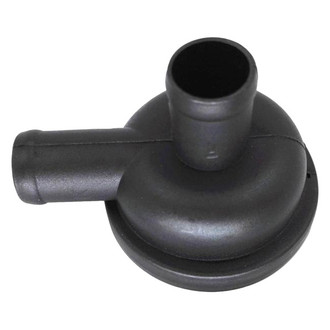
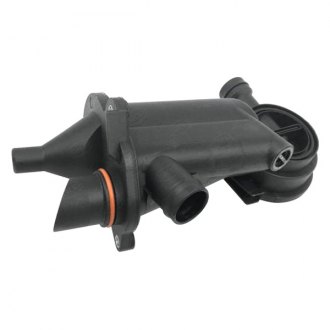
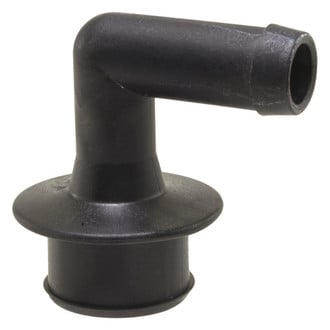
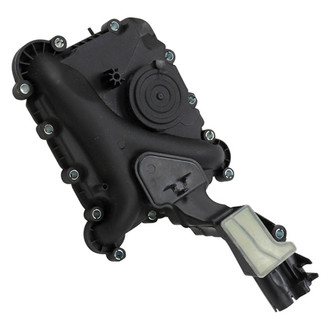
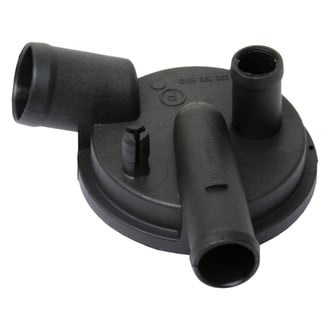
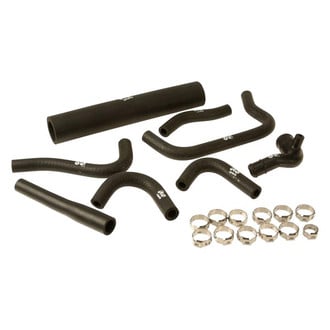
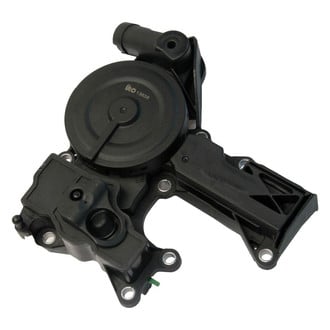
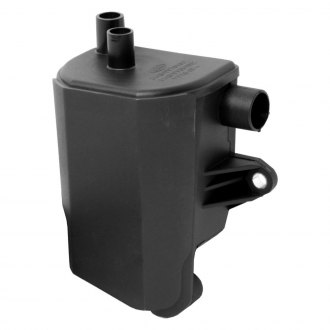
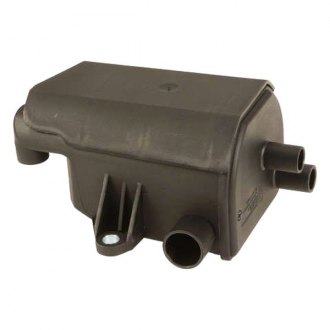
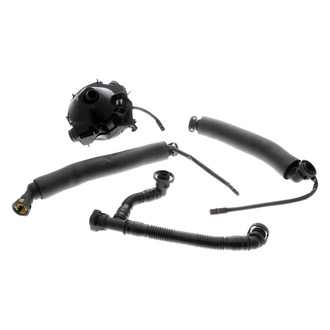
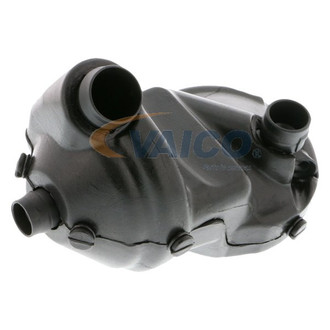
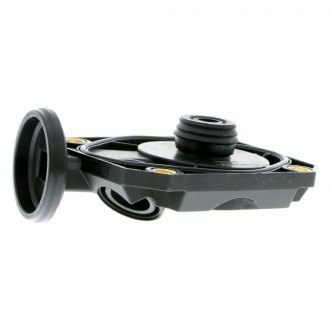
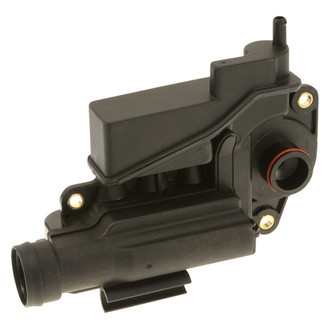
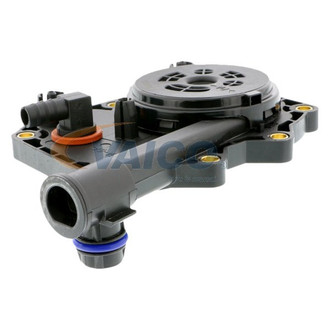
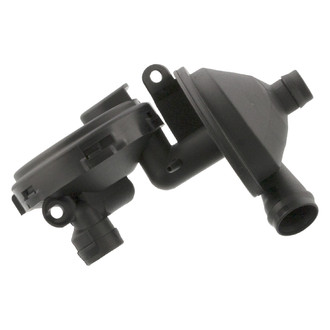
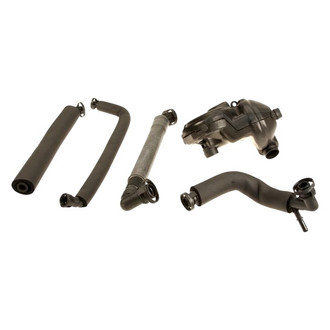
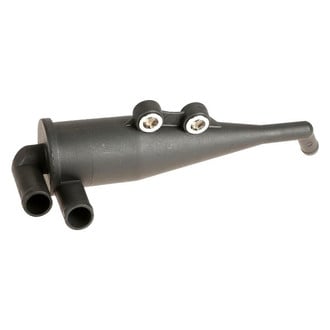
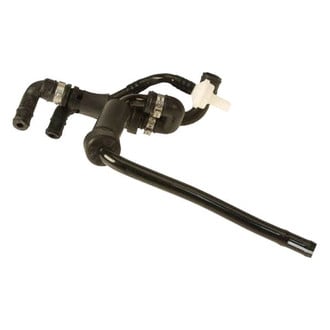

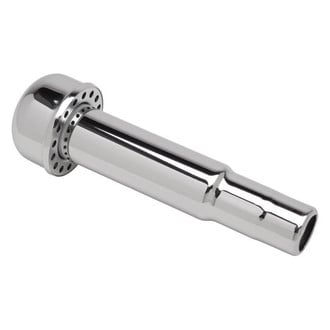
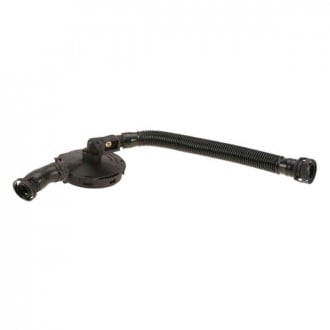
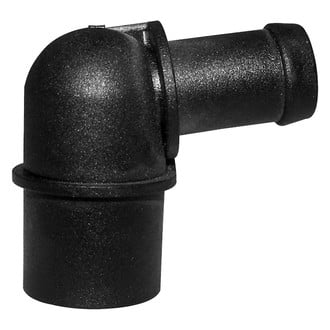
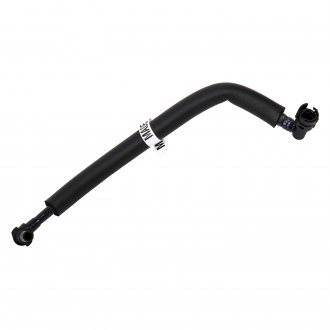
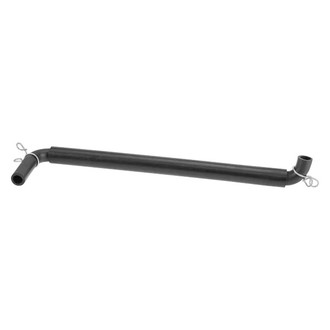
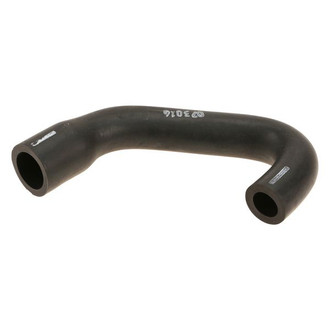
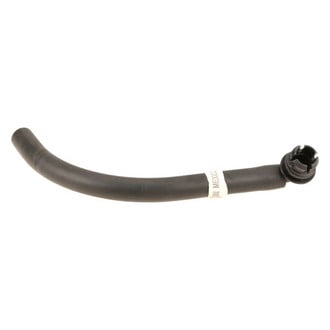
The PCV (Positive Crankcase Ventilation) system channels harmful crankcase vapors to the air intake in a controlled manner so they can be burned along with the air/fuel mixture. These gases must be allowed to escape from the crankcase or pressure could build up causing gaskets and seals to fail resulting in leaks, and to prevent oil contamination which could reduce the oil’s effectiveness and usable lifespan.
All engines, no matter how new or well-maintained, have a certain amount of “blow-by”, where some of the gases from the combustion chambers leak past the piston rings and cylinder walls. This causes pressure to build up inside the crankcase, which if not provided a path for exit, would instead escape past seals and gaskets, causing engine oil leaks. These gases also mix with moisture in the crankcase to form compounds that are destructive to the engine lubricating oil, causing sludge to form. In the past these gases were allowed to escape from the engine block through a “road draft tube”, but since they contain hydrocarbons (HC), when it was realized in the 1950s that HC was a major cause of smog, a new method for ventilation was needed.
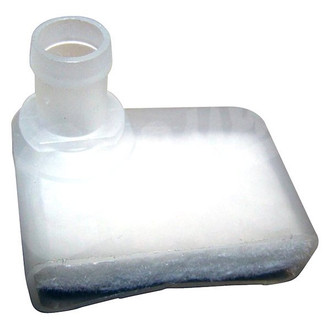
PCV was the earliest emission control system, first appearing on cars in 1961. In this system air enters the crankcase through a crankcase breather tube. The air is filtered either by the engine air filter or by a dedicated crankcase breather filter element. The incoming fresh air mixes with the crankcase vapors and is drawn out from the crankcase into the intake manifold, where it mixes with the incoming air/fuel mixture and is burned in the combustion chambers. The PCV valve is used to regulate the flow of vapors. It contains a restrictor and a light spring.
At idle, not much blow-by is produced but intake manifold vacuum is high. The high level of vacuum causes the restrictor to be drawn against the spring, limiting the flow of vapors. At low engine loads such as would be experienced at cruising speed, less manifold vacuum positions the restrictor to allow a moderate flow of vapors. During high engine load conditions like acceleration, there is a higher amount of blow-by but also minimal engine vacuum. Under these conditions the PCV valve allows the maximum flow of vapors to the intake manifold.