Mitsubishi L200 Accessories & Parts
Mitsubishi L200 Parts


Mitsubishi L200 Wheels & Tires

Mitsubishi L200 Exterior Accessories
 Bed Accessories
- Bug Deflectors
- Tonneau Covers
- Wind Deflectors
- Roof Racks
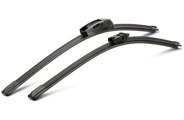
- Wiper Blades
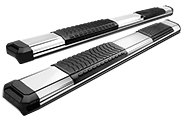
- Running Boards
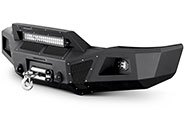
- Off-Road Bumpers
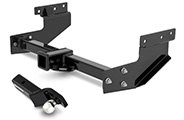
- Towing & Hitches
- Mirrors
- Chrome Trim
- Spoilers
- Winches
- Car Covers
- Bike Racks
- Light Covers
- Mud Flaps
- License Plates & Frames
- Emblems & Logos
- Armor & Protection
- Sunroof Visors
- Spare Tire Covers & Carriers
- Custom Horns
- Car Tents
- Car Wraps
- Snow Plows
- Auto Detailing

Mitsubishi L200 Automotive Lighting
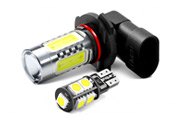
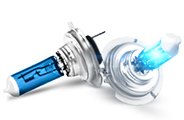
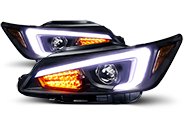
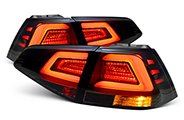
Mitsubishi L200 Body Parts
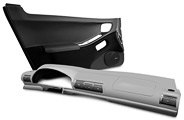
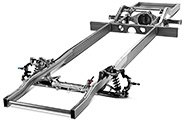

Mitsubishi L200 Interior Accessories
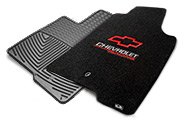
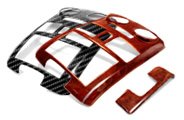

Mitsubishi L200 Maintenance
Universal Audio & Electronics
Mitsubishi L200 Automotive Tools
- Diagnostic & Testing Tools
- Pullers & Installers
- Oil Change Tools
- Engine Service Tools
- Suspension & Steering Service Tools
- Wheel & Tire Service Tools
- Jacks
- A/C Tools & Equipment
- Brake Service Tools
- Spark Plug & Ignition Tools
- Cooling System Service Tools
- Automotive Lifts & Stands
- Lockout Kits
- Exhaust System Service Tools
- Fuel System Service
- Auto Glass Tools
- Electrical System Tools
- Transmission & Drivetrain Service Tools
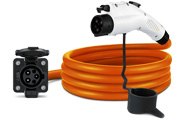
- EV Charging
- Automotive Paint
- Repair Manuals
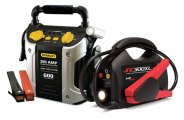
- Battery Chargers & Jump Starters
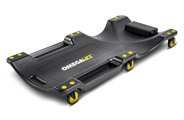
- Creepers
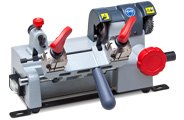
- Key Cutting Machines
- Dollies & Movers
- Auto Detailing
- Dent Repair Tools
- Service Carts
- Vehicle & Parts Protection
The Mitsubishi L200 is a compact pickup truck lineup with a long and rich history that spans 40 years already. This truck was given different names worldwide – the Forte and Strada in Japan, the Triton in Australia, the Mighty Max in the U.S., and many others. The L200 is the badge used for the majority of export markets. Whatever name it carries, this truck has a well-earned reputation for being a reliable, versatile, and well-priced tool for work and life. Since its debut in 1978, the L200 has been widening its tough-as-nails work and family truck appeal, offering single, double, and crew cab body styles and adding plush trim levels and modern-day amenities.
The first-generation trucks were basic utilitarian vehicles produced until 1986 and sold on the domestic market as the Mitsubishi Forte. For some time, their badge-engineered versions were offered by Chrysler as the Plymouth Arrow Truck and Dodge Ram 50. The second-gen model (1986 – 1996) added more comfort-oriented features; the mid-cycle refresh brought new bumper and grille designs. The third generation of the Mitsubishi L200, introduced in 1995, got a more contemporary, urban appearance and more civilized interiors to better compete on the pickup truck market. Overall, there were five engine options offered, teamed with rear- or four-wheel drive as well as 5-speed manual or 4-speed automatic. There were several variations of 2.5-liter and 2.8-liter diesel engines. The 2.6-liter gasoline inline-four fitted to the previous versions of the truck was replaced with a smaller but considerably more potent 2.4-liter 145-hp four-cylinder. Other gasoline engine options include a 2.0-liter I4 and 3.0-liter V6. In 2001, the engine lineup got a refresh to comply with Euro3 standards. The fourth generation was launched in 2005, continuing with a 2.5-liter diesel. This time, the largest engine offering is a 3.5-liter V6 delivering 178 hp. Although the fourth-gen Mitsubishi L200 was neither the most powerful nor the most capable offering in its class, it was still a well-finished utilitarian machine with an unmatched level of practicality and reliability. It was a good off-road performer as well, with Mitsubishi L200 accessories and parts built to be tough and strong, center diff that allowed for more efficient distribution of torque, and low gear ratios.
An all-new fifth-generation L200 was rolled out in 2015. It got a new lightweight MIVEC diesel displacing 2.4 liters, with an all-aluminum block, variable valve timing technology, and common rail direct injection giving it improved performance and efficiency. This engine is available in two versions, with the base 4Life model getting a 151-bhp variant and all higher trims (Titan, Warrior, and Barbarian) fitted with a 178-bhp unit. Some markets got the L200 powered by a 2.5-liter 16-valve turbodiesel. Performance-wise, all Mitsubishi L200 parts are crafted to provide dynamic power and robust, responsive handling on- and off-road. All-terrain confidence is ensured by a rugged suspension design, featuring a double wishbone setup with coil springs and anti-roll bar in front and time-proven leaf springs in the rear. 4x4 capability is provided by the manually engaged Easy Select part-time 4-wheel drive system with a locking rear differential in the base models and more advanced Super Select active 4x4 in other trim levels. Regardless of the model, you get an array of advanced Mitsubishi L200 accessories and systems such as Bi-Xenon headlights, A/C, traction and stability control (plus trailer stability assist), adjustable speed limiter, and seven airbags.