Multi-Purpose Lubricants
Select Department
-
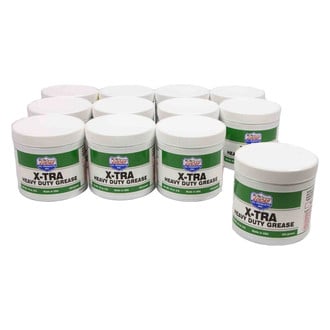
 Lucas Oil® - X-TRA Heavy Duty Grease$8.54 - $13.39
 -
-
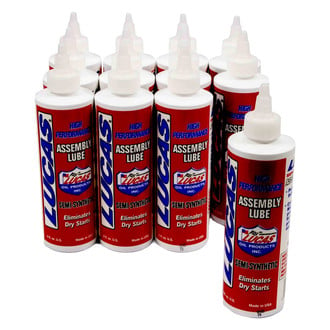
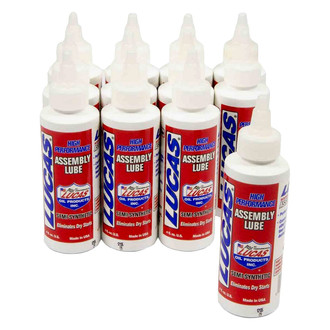 Lucas Oil® - Semi-Synthetic Assembly Lube$4.45 - $7.21
 -
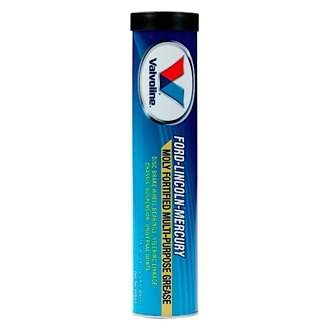
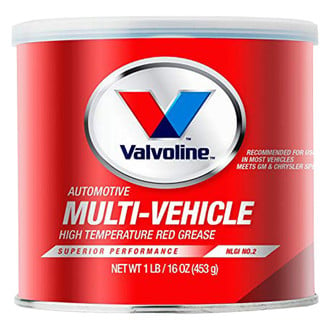
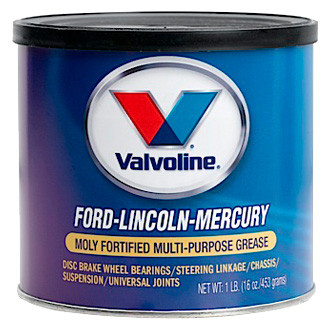
 Valvoline® - Ford Moly-Fortified Multi-Purpose Grease$7.54 - $8.24
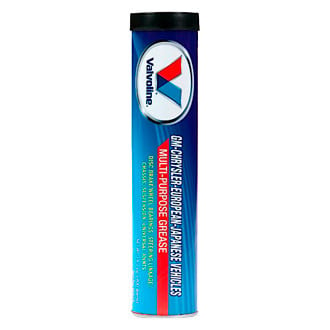
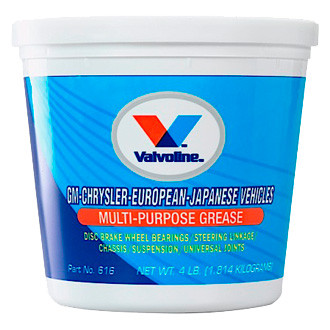
 - Valvoline® - GM-Chrysler Multi-Purpose Grease$8.40 - $30.65
-
-
- Save 4%Mopar® - Rust Inhibitor (82212074AB)$80.16$83.19Save $3.03 (4%)
-
-
-
-
-
-
-
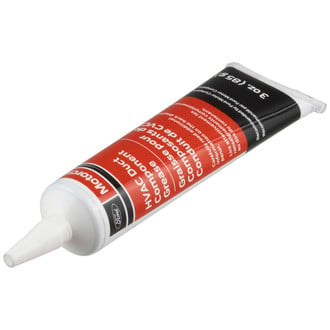
- Motorcraft® - Multi-Purpose Grease (XG17)$70.24 + Save an extra $3.40 with iD FastTrack
-
-
-
-
-
-
-
-
-
-
-
-
-
-

Because your vehicle is basically a number of parts working together, there are lots of things that can go wrong. This is why maintenance is so important because it allows you to prevent problems from occurring, which is often much cheaper than trying to fix a problem after it has arisen. One aspect of maintenance you can't ignore is lubrication because it helps to keep different parts working at their best while you are simply driving to your destination.
While there are many different lubricants available, they all do very similar job. Their job is to protect their component from serious things like friction and high temperatures because those two problems are dangerous for moving parts. They can help to minimize the amount of emissions your vehicle is putting out. The right lubricant for the right part is extremely important if you like to continue driving.
Each lubricant is different because of the way it is made up, and different 'recipes' are used for the different conditions that they are designed to experience every time you drive. For instance, motor oil is can be synthetic or non-synthetic, and is almost always a type of golden color when it goes in (but not when it comes out!). On the other hand, you will find that brake and transmission fluids will be much thicker, because of the different designs, and they will often be the same color when they come out as they were when they went in. Each one is specifically designed so you should be using the right lubricant for the right part.
Because lubricants are all relatively similar, they suffer the same problems but in slightly different ways. The biggest problem is age, and every lubricant will eventually need to be changed out if it is to continue working. Of course, different lubricants can last for different lengths of time so your motor oil will usually need to be changed a lot more often than your transmission fluid or wheel bearing grease. The most obvious problem is using the wrong lubricant for the wrong area, and this is a problem that can usually only be solved by completely draining the component.
The easiest way to know whether the lubricant has reached the end of its age is to follow the handbook, which will tell you how often you should be changing it out. Many components will have a reservoir or a dipstick, and you can use these to check the color and thickness of the lubrication to identify if it is getting too old. If the problems become serious, you may find that certain components stop working properly and a good example of this is the transmission, which will become loud or begin to change gears roughly when the fluid has become too old.
Browse by Part Name
Featured Brands











Related Categories
- Transmission Fluids, Oils & Additives
- Engine Oil Additives
- Differential Lubricants
- Transfer Case Lubricants
- Antifreeze & Additives
- CV Joint Lubricants
- Air Filter Maintenance
- Power Steering Fluid
- Anti-Seize Lubricants
- Bearing Lubricants
- A/C Chemicals
- Adhesives & Sealants
- Cleaners & Degreasers
- Gasketing
- Hand Care
- Brake Fluids & Lubricants
- Fuel System Additives
- Lubricants
- Electrical Lubricants
- Thread Compounds