Fuel Pumps & Parts
Browse by Vehicle
Select Department
-
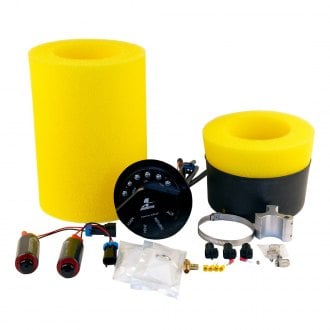 Aeromotive® - Trifekta Phantom In-Tank Fuel Pump Kit$670.37 - $1,489.57
 -
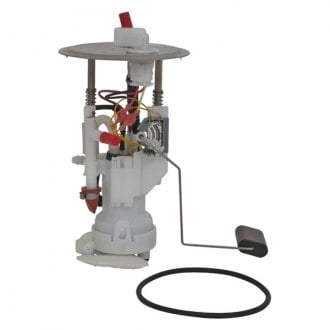 BBK® - High-Volume OEM Style Electric Fuel Pump Kit$169.99 - $469.99
 -
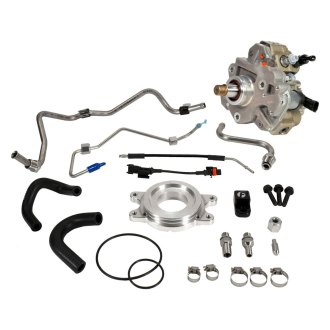
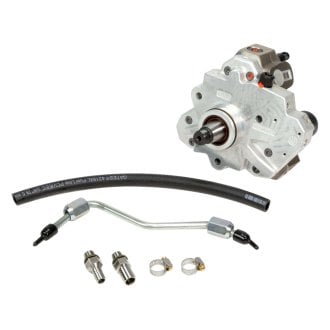
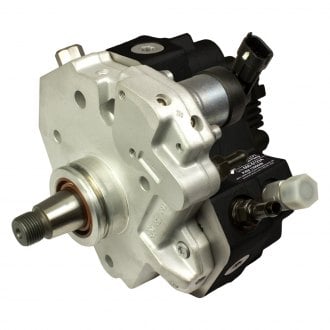 BD Diesel Performance® - R900 Duramax Stroker CP3 Injection Fuel Pump$262.95 + Free Shipping with iD FastTrack
 -
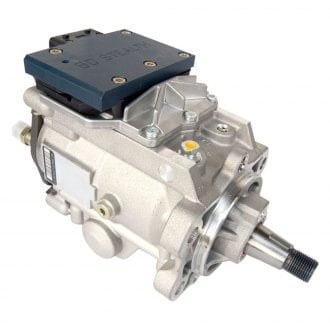
 BD Diesel Performance® - Stealth Pump Cover Kit$105.95 + Free Shipping with iD FastTrack
 - Edelbrock® - Fuel Pump Assembly Kit$892.75 - $998.95
- Edelbrock® - High Performance In-Tank Fuel Pump Kit$122.02 - $190.83
- Edelbrock® - Performer™ RPM Mechanical Fuel Pump$197.48 - $255.19
- Edelbrock® - Victor Series Mechanical Fuel Pump$217.46 - $255.19
-
- Fleece Performance Engineering® - CP3K Fuel Injection Pump$1,399.00 - $2,049.00
- Fleece Performance Engineering® - PowerFlo Fuel Pump Module Assembly$649.00 - $799.00
-
- Ford Performance® - Diesel Injector Nozzle and Pump Kit$189.76 - $458.32
- Granatelli Motor Sports® - Electric Fuel Pump$174.91 - $230.42
- Mr. Gasket® - Mechanical Fuel Pump$116.95 - $207.95
- PPE® - Fuel Lift Pump$179.99
- Radium® - Fuel Hanger Plumbing Kit$351.45 - $712.45 + Free Shipping with iD FastTrack
- Radium® - Fuel Pump Hanger$47.45 - $778.95 + Free Shipping with iD FastTrack
- Sniper® - Fuel Pump Module$395.75
- Sniper® - OEM Style EFI Fuel Pump Module$430.95 - $675.95
- aFe® - DFS780 Diesel Fuel System$1,000.00
- aFe® - DFS780 PRO Fuel Lift Pump$808.00
- ACDelco® - GM Original Equipment™ Fuel Tank Cap$2.93 - $329.50 + Save up to $12.00 with iD FastTrack
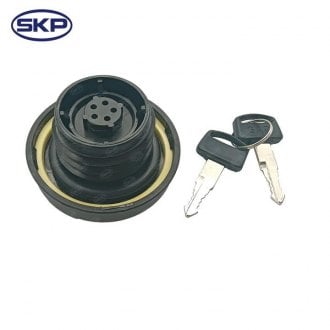
- SKP® - Fuel Tank Cap$3.30 - $291.10
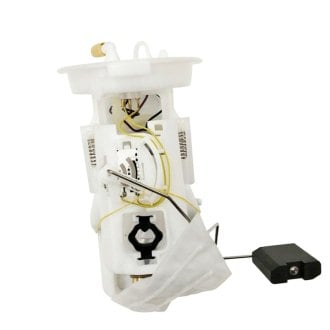
- SKP® - Fuel Pump Module Assembly$51.42 - $582.12 + Save up to $8.10 with iD FastTrack
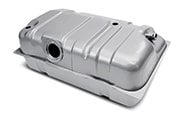
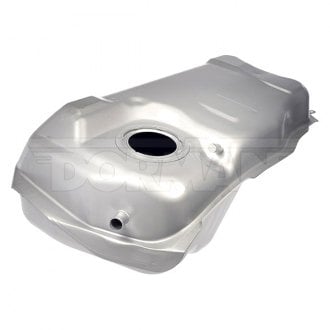
- Dorman® - OE Solutions Fuel Tank$6.13 - $1,233.00 + Save up to $38.00 with iD FastTrack
- TRQ® - Fuel Pump Complete Kit$26.95 - $149.62 + Save up to $8.00 with iD FastTrack
- Delphi® - Fuel Pump Module Assembly$71.21 - $1,071.40
- ACDelco® - Genuine GM Parts™ Fuel Pump Control Module$22.08 - $193.59
- Dorman® - OE Solutions Fuel Tank Filler Neck$6.13 - $1,233.00 + Save up to $38.00 with iD FastTrack
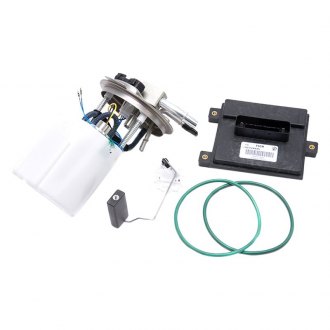
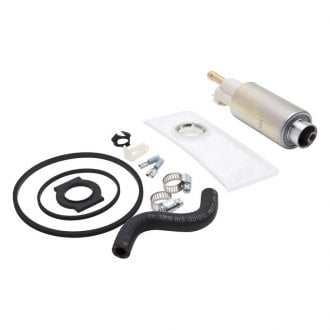
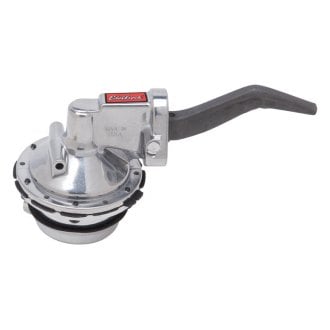
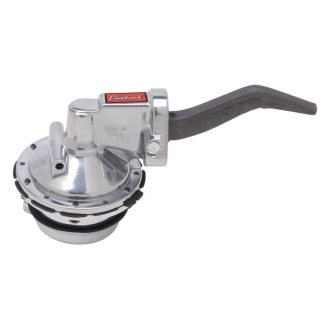
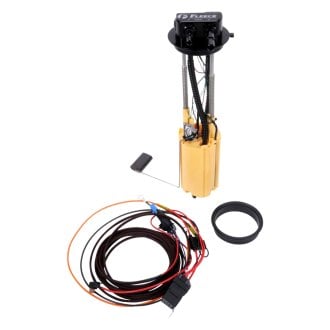
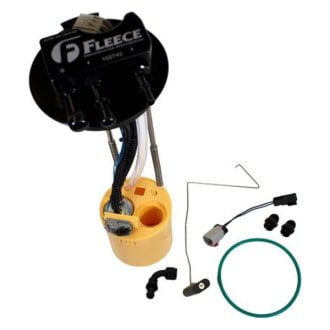
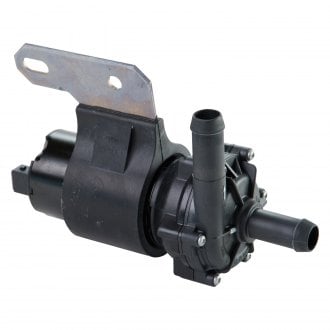
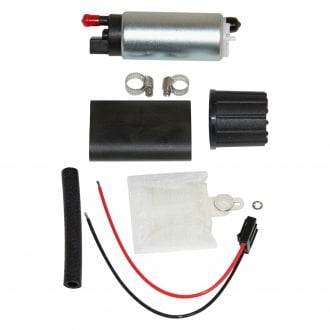
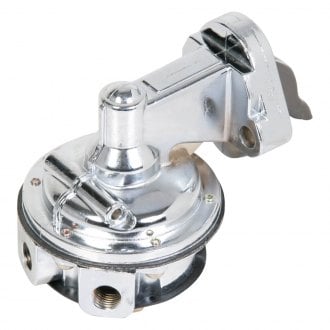
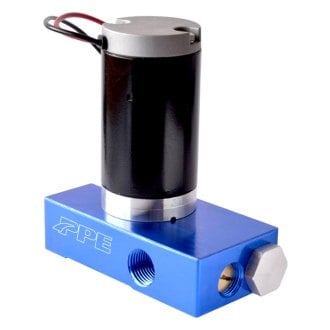
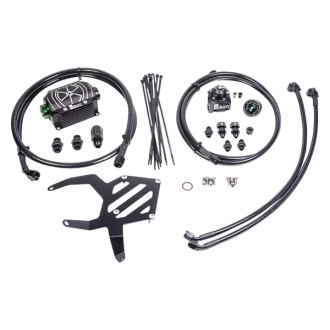

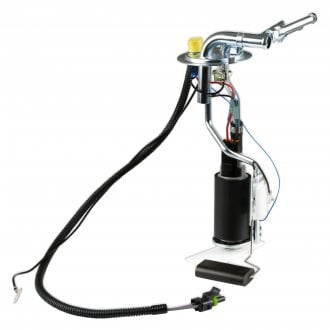
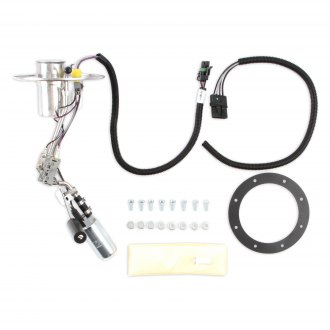
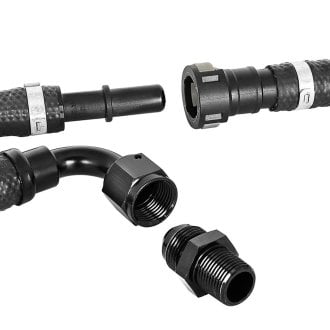
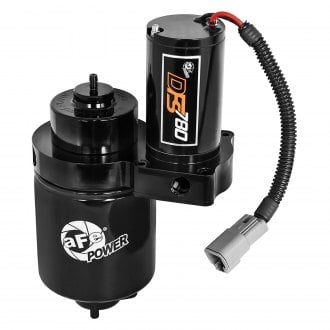
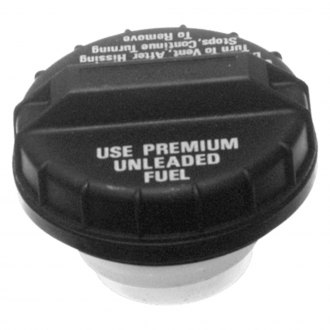
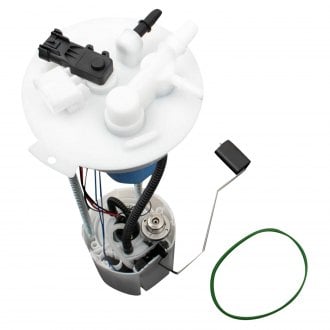
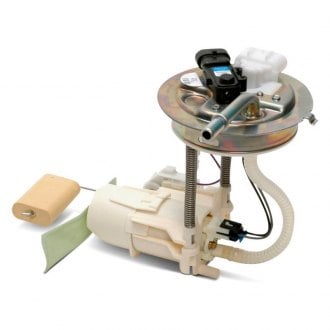
The fuel pump transfers fuel from the fuel tank to the carburetor or fuel injection assembly. Electric fuel pumps are used in fuel injection systems. They’re usually mounted inside the fuel tank and incorporated with the sending unit assembly that supplies a fuel level signal to the fuel gauge. The float bowl on a carburetor is supplied with fuel by an engine mounted mechanical fuel pump equipped with a lever driven by an eccentric on the camshaft.
If the engine cranks but won’t start, listen for the pump. If the pump doesn’t run, check for voltage to the pump. If there is no voltage, or less than specified voltage, check the circuit including the fuel pump relay. If the pump runs, perform fuel pressure and volume tests. But no matter the source of the failure, we have the parts for the repair. We offer thoroughly tested, ready to install replacement fuel modules and hanger assemblies, as well as separate pumps, sender assemblies, and fuel pump strainers, so you can service your vehicle your way. We also have all the related installation essentials like mounting gaskets, seals, and pushrods.
To make more horsepower you’ve got to stuff more air and fuel into your engine. We have the big carburetors, high flow injectors, and even complete EFI systems to make it happen, but those parts can’t do their job unless they’re supplied with enough fuel. To make sure you have the right fuel volume and pressure you have to start at the source – the fuel pump, and we have the high flow mechanical, and in-tank or external electric fuel pumps that can supply your engine with the fuel it needs.
Performance fuel pumps are generally flow rated in Gallons Per Hour (GPH) or Liters Per Hour (LPH). At wide open throttle, a naturally aspirated engine needs about 0.5 lbs. of fuel per horsepower per hour, a nitrous or forced induction engine about 0.75 lbs. of fuel per horsepower per hour. If you know your engine’s approximate horsepower, you can calculate which pump you need by multiplying the horsepower by 0.5 or 0.75, and then dividing the resulting figure by 6.2, which is the weight in pounds of a gallon of gasoline.
Engine-mounted mechanical fuel pumps have been supplying fuel to carburetors for decades, but just because you’ve installed a bigger carb and want to make more horsepower doesn’t mean you have to switch to an electric pump. We have mechanical pumps that flow as much as 130 GPH, with larger inlet and outlet ports to handle the volume. Lower GPH mechanical pumps typically deliver fuel at the low pressure that is ideally suited for a carburetor, about 6 psi, but larger GPH pumps may have to be used with a regulator to reduce fuel pressure. If you do elect to change over to an electric pump, we offer plates for most popular applications to seal off the engine block’s mechanical pump opening.