Fiat Palio Accessories & Parts
Fiat Palio Parts

Universal Wheels & Tires


Fiat Palio Exterior Accessories



Fiat Palio Automotive Lighting
Fiat Palio Body Parts

Universal Interior Accessories


Fiat Palio Maintenance


Universal Audio & Electronics






Fiat Palio Automotive Tools
 Oil Change Tools
- Cooling System Service Tools
- Diagnostic & Testing Tools
- Engine Service Tools
- Pullers & Installers
- Suspension & Steering Service Tools
- Wheel & Tire Service Tools
- Jacks
- A/C Tools & Equipment
- Brake Service Tools
- Spark Plug & Ignition Tools
- Automotive Lifts & Stands
- Lockout Kits
- Exhaust System Service Tools
- Fuel System Service
- Auto Glass Tools
- Electrical System Tools
- Transmission & Drivetrain Service Tools
- EV Charging
- Automotive Paint
- Repair Manuals
- Battery Chargers & Jump Starters
- Creepers
- Key Cutting Machines
- Dollies & Movers
- Auto Detailing
- Dent Repair Tools
- Service Carts
- Vehicle & Parts Protection




The Palio badge first appeared on a Fiat 127 as its luxury trim level back in 1977. This designation was used on various other cars by the Italian manufacturer in the 1980s and 1990s. As a standalone model, the Fiat Palio debuted in 1996 on the Brazilian market, where it remains quite a popular subcompact hatch these days. At its debut, the Palio was a no-frills economy car offered in hatchback, sedan, wagon, and pickup body styles. As it was marketed in many parts of the world, there were a plethora of gasoline and diesel powerplants available, tailored to the requirements and legislation of each region. It shared its basic underpinnings with the Fiat Uno, but much was changed to better suit different market needs. Thus, many of the Fiat Palio parts of the chassis and suspension system were beefed up to stand up to the rigors of rough roads. The first 2001 facelift brought fresh styling developed by Giorgetto Giugiaro.
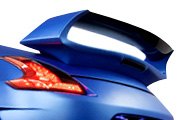
The second generation of the Palio broke cover in 2011. The exterior received a major overhaul in line with other cars by the Turin-based Fiat Centro Stile. Three trim levels, including the all-new Sport, allow buyers to choose the model with the right set of features for their needs and budget. There is a lineup of three engines displacing from 1.0 to 1.6 liters. The 1.0-liter 73-hp EVO motor is the same found in the Fiat Uno. Stepping up to a 1.4-liter EVO brings 85 hp on gasoline and 88 hp when fed with ethanol. The most powerful option is a 1.6-liter 16-valve E.torQ flex-fuel four-cylinder which puts out 115 or 117 hp running on gas or ethanol, respectively. It is fitted to the Sport model, which also got a range of Fiat Palio accessories that highlight its athletic nature, including black exterior trim and spoiler, alloy rims, and dual exhaust.
What set the second-gen Fiat Palio apart at launch was generous equipment. The car came with cruise control, audio with iPod/USB support, a switchblade key, an array of sensors, and more. The current Palio is available as an off-road-ready Adventure model that can tackle demanding terrain. Its cross-country treatment includes a lifted suspension and extra body cladding, while power comes from the familiar 1.6-liter E.torQ motor. For those who want to take the styling and performance of their hauler a step further, there is a wide range of Fiat Palio accessories and parts offered, sourced from trusted aftermarket manufacturers.